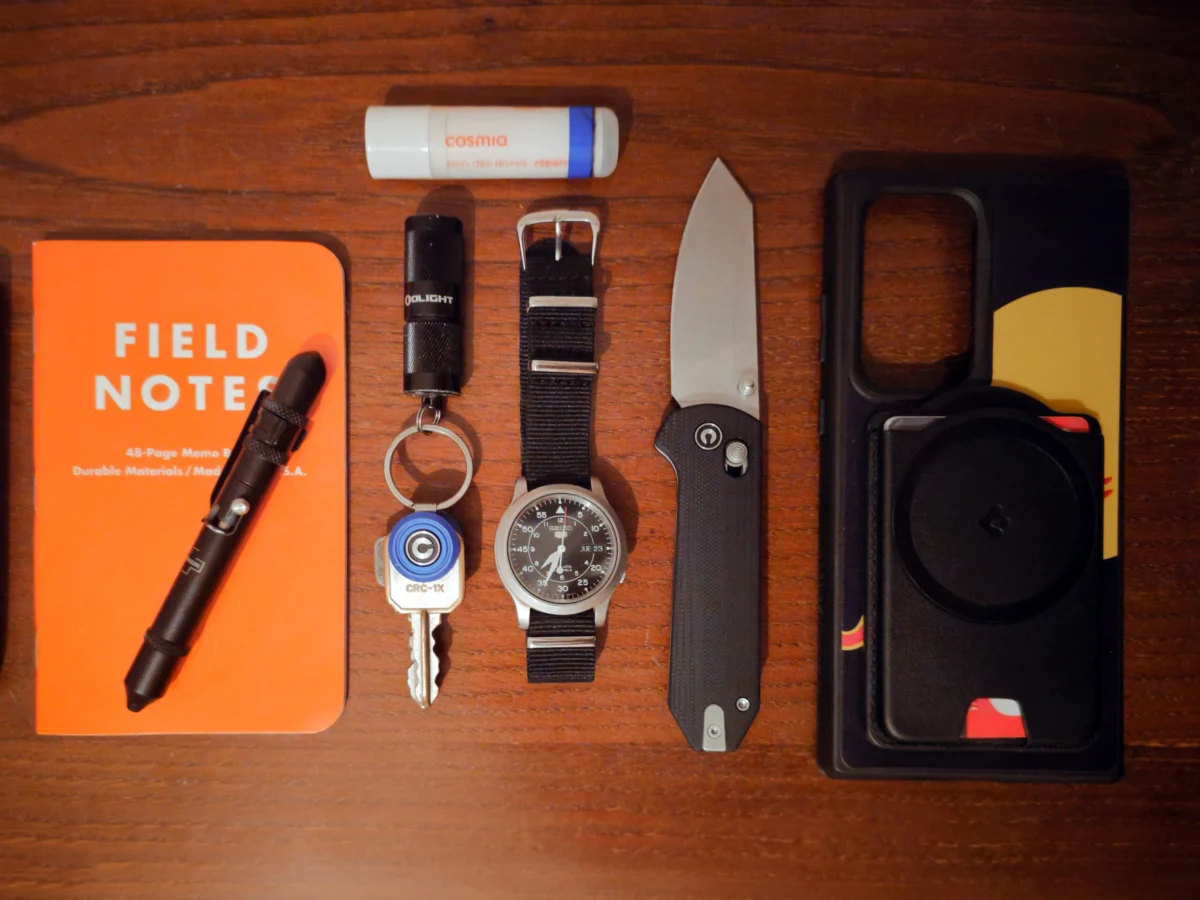
In the high-stakes environment of aeronautical automation, where precision is the baseline and equipment failure is not an option, the philosophy of "Everyday Carry" (EDC) takes on a specialized dimension. For professionals like Ruben Caeiro, an aeronautical automation operator based in Portugal, the daily toolkit is not merely a collection of personal items but a curated selection of functional assets designed to bridge the gap between technical requirements and mobility. This analysis explores the intersection of professional utility and personal preference, examining how minimalist gear choices contribute to operational efficiency in specialized technical fields.
The Anatomy of Professional Minimalism
The modern EDC movement, which has transitioned from an enthusiast hobby into a practical lifestyle methodology, prioritizes the "ready-for-anything" mindset. Within the aeronautical sector, this manifests as a reliance on high-durability, compact, and multi-functional tools. The trend toward minimalism is driven by a need for weight reduction and rapid deployment.
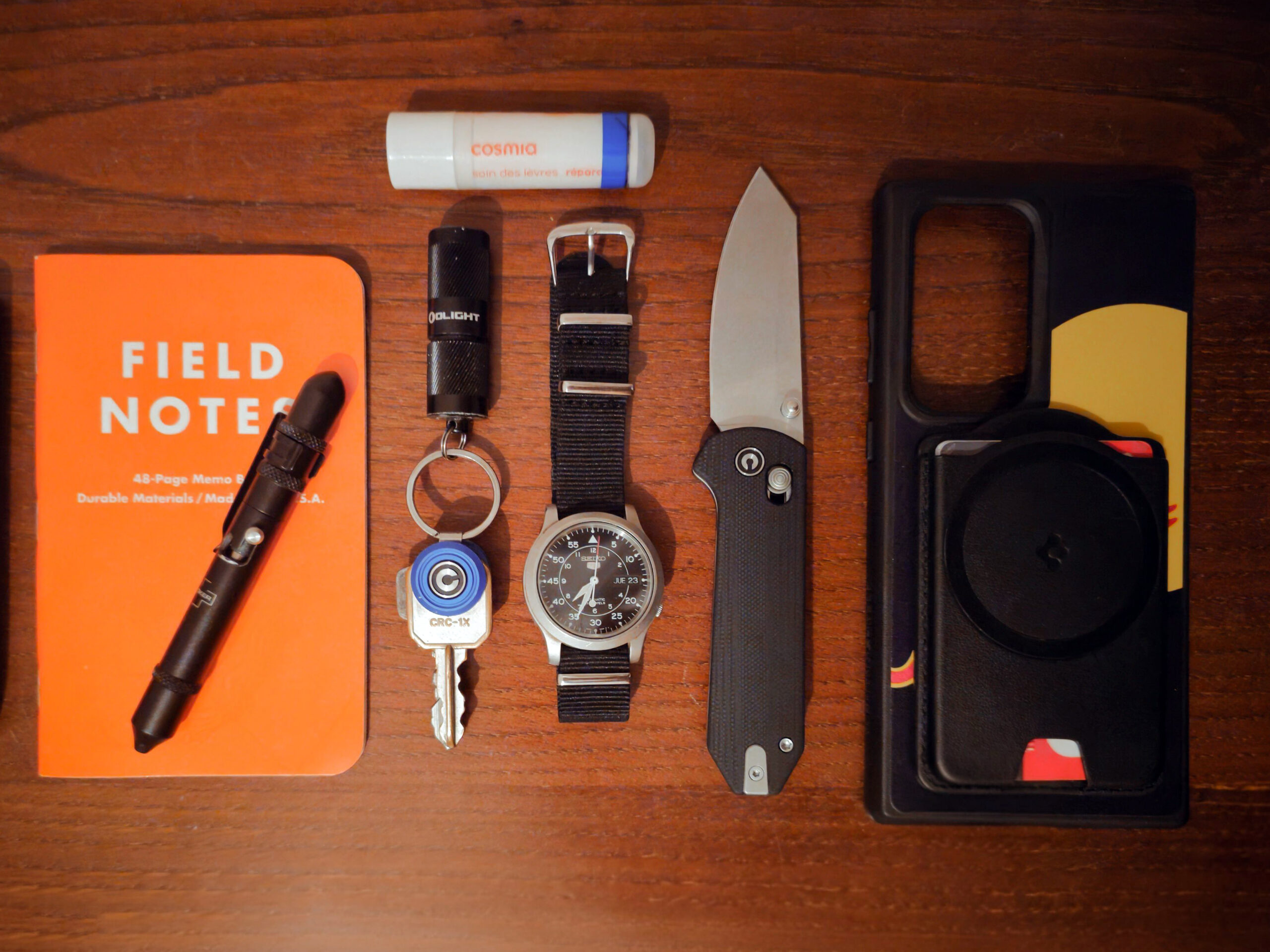
Data from recent surveys in the industrial and technical sectors suggest that professionals who curate their carry items experience a 15% increase in task-readiness during field operations. This is primarily attributed to the reduction of "search time"—the period required to locate necessary tools—when items are systematically organized and accessible. The inclusion of items such as the CIVIVI Yonder, a crossbar-locked folding knife, demonstrates a shift toward ergonomic, lightweight solutions that do not compromise on structural integrity.
Chronology of Equipment Evolution
The development of the modern EDC toolkit is a relatively recent phenomenon, catalyzed by the miniaturization of technology and the emergence of high-performance materials in the mid-2010s. For professionals in the aeronautical industry, the timeline of gear adoption typically follows a three-stage progression:
- The Foundation Phase (2015–2018): Focus on basic necessities. This period saw the rise of standard multi-tools and high-lumen tactical flashlights. The primary goal was utility at the cost of bulk.
- The Optimization Phase (2019–2022): The industry saw a pivot toward material science. The introduction of titanium, G10 composites, and advanced blade steels like Nitro-V and S35VN allowed for tools that were lighter and more corrosion-resistant.
- The Integration Phase (2023–Present): Current trends emphasize the consolidation of items. The rise of magnetic wallet-phone hybrids and ultra-compact key organizers represents the pinnacle of this phase, where the objective is to eliminate "pocket clutter" entirely.
The CIVIVI Yonder and the Standard of Value
A focal point of contemporary EDC discussions is the emergence of value-oriented high-performance gear. The CIVIVI Yonder, designed by Zac Whitmore, has gained significant traction in professional circles following its recognition as "Best Buy of the Year" at Blade Show 2024.
From an analytical standpoint, the Yonder represents a shift in the market. Historically, knives that utilized crossbar-locking mechanisms were relegated to premium price tiers. The Yonder’s ability to offer professional-grade mechanics at a consumer-accessible price point underscores a broader shift in manufacturing—the democratization of high-quality tools. For an automation operator, this reliability is critical. When equipment is used in environments involving complex machinery, the ability to operate a blade ambidextrously with a secure lockup is a vital safety feature.
Contextualizing the Operator’s Toolkit
Beyond the blade, the composition of an operator’s kit provides insight into the cognitive requirements of the job. The inclusion of a Field Notes notebook, for instance, serves as a tactile, analog backup to digital automation systems. While modern aeronautical automation is heavily reliant on cloud-based tracking and interface systems, the manual recording of data remains a standard practice for field troubleshooting.
Similarly, the integration of a mini bolt-action pen and a keychain-mounted flashlight highlights a commitment to redundancy. In industrial settings, power failures or hardware malfunctions can occur; having an independent light source and a writing instrument that functions in extreme temperatures ensures that the operator is never "offline" in a literal sense.
Industry Implications and User Psychology
The psychological impact of a refined EDC kit cannot be overstated. Studies in organizational behavior indicate that individuals who exercise autonomy over their personal toolsets exhibit higher levels of job satisfaction and personal accountability. By curating a kit that transitions seamlessly from the workplace to off-duty life—such as the planned rotation of the Kizer Feist for more formal settings—the user creates a sense of continuity.
This "dressier" duo, consisting of the Kizer Feist and a Casio Edifice watch, reflects a broader trend in the EDC community: the aesthetic integration of work gear into civilian life. The Casio Edifice, known for its sapphire crystal and robust water resistance, serves as an example of a tool that satisfies the professional requirement for reliability while meeting the aesthetic standard for daily wear.
Technical Analysis: Materiality and Durability
The choice of materials in these items is not incidental. The aeronautical industry demands materials that can withstand vibrations, temperature fluctuations, and exposure to chemical agents.
- Blade Steels: The movement toward steels like those found in the Yonder reflects a need for edge retention that lasts through intensive daily use.
- Housing/Chassis: The preference for stainless steel and mineral glass (seen in the Casio Edifice) ensures longevity in high-impact environments.
- Organization: The use of modular organizers prevents damage to the interior of clothing and keeps sensitive electronic components of a smartphone (when paired with a magnetic wallet) separated from magnetic-sensitive materials.
Official Observations and Future Outlook
Industry observers note that the "minimalist" trend is unlikely to plateau. As electronic devices become more integrated into our daily lives, the physical tools we carry will continue to shrink in footprint. There is a projected 8% annual growth in the demand for "micro-utility" gear—tools measuring less than three inches in length—as users seek to maintain the functionality of a full-sized toolkit within a pocket-sized form factor.
The feedback from professionals like Ruben Caeiro provides a grassroots look at how these market changes translate to real-world performance. When asked about the necessity of his carry, he notes, "I don’t change much." This consistency is the hallmark of a system that has been successfully stress-tested. The professional EDC is not a static collection; it is a living system that evolves through trial and error, ultimately aiming for the perfect equilibrium between form, function, and necessity.
Conclusion
The equipment carried by an aeronautical automation operator is more than a list of products; it is a manifestation of operational discipline. By balancing the technical demands of a high-precision field with the practical realities of daily life, professionals are setting new standards for what it means to be prepared. Whether through the inclusion of award-winning hardware like the CIVIVI Yonder or the strategic rotation of timepieces for different environments, the modern EDC reflects a commitment to readiness. As technology continues to advance, the core principles of this carry—minimalism, reliability, and utility—will undoubtedly remain the cornerstone of professional field readiness for years to come. The industry’s continued shift toward high-value, high-performance gear ensures that even those working at the cutting edge of automation remain anchored by the tangible, dependable tools in their pockets.