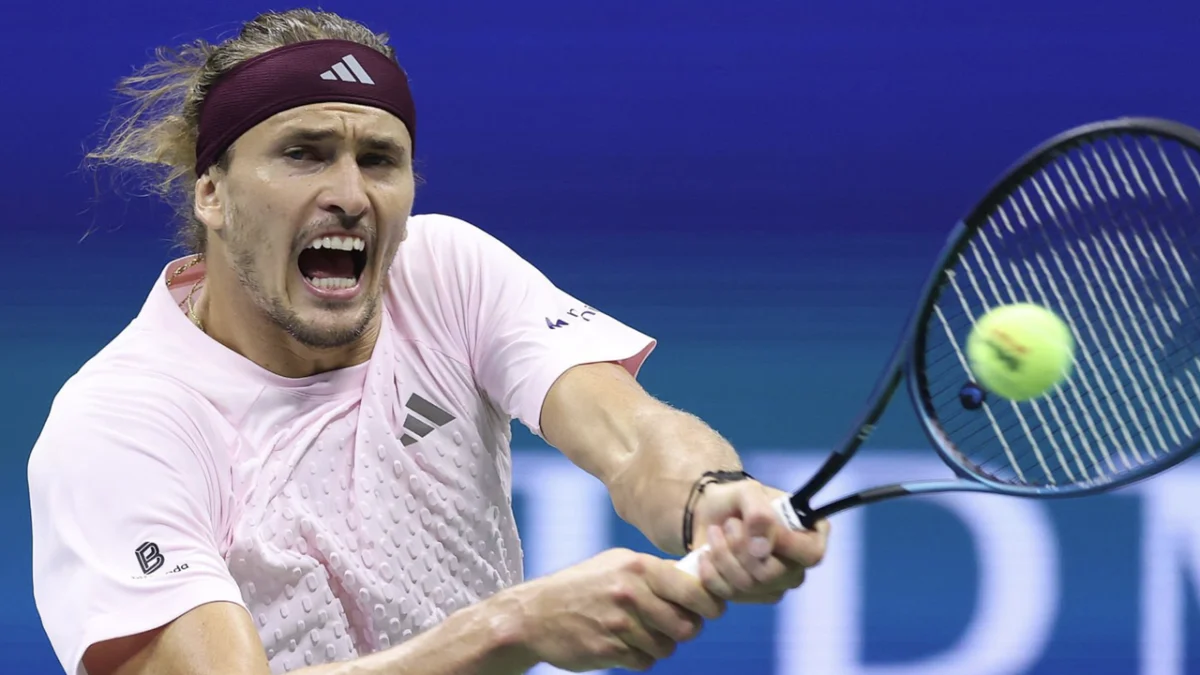
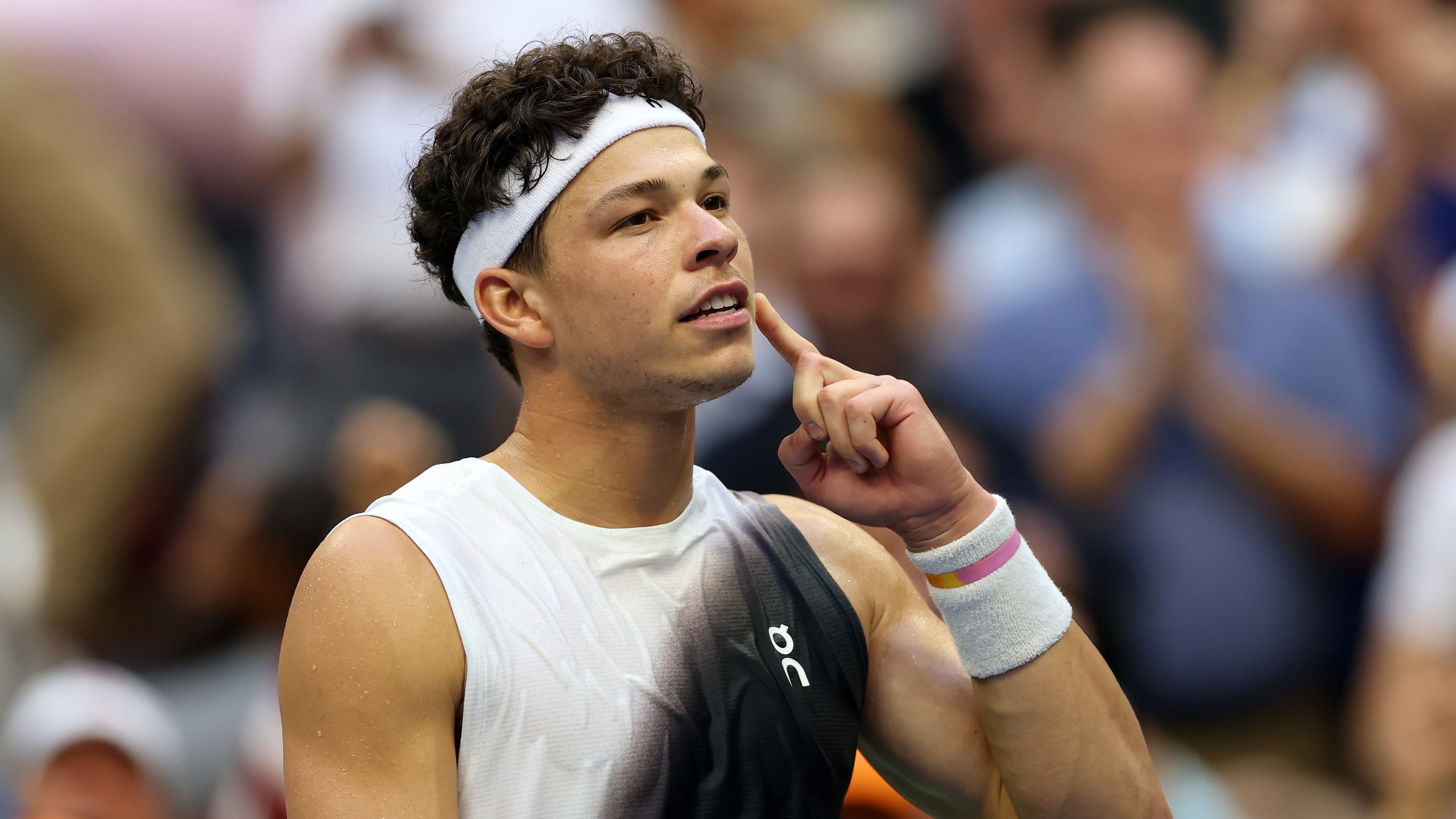
The Arthur Ashe Stadium in Flushing Meadows, New York, serves as the stage for a compelling clash of generations and playing styles as the 2026 US Open reaches its climax on Sunday, September 13. Alexander Zverev, the seasoned German world number one and recent French Open champion, faces off against the breakout American star Ben Shelton in a match that carries significant weight for the history of the sport. While Zverev enters the final as the heavy favorite, backed by a formidable record and recent major success, the 23-year-old Shelton carries the hopes of a partisan crowd, aiming to end a two-decade-long American drought at the tournament.
The road to this final has been defined by a changing of the guard within professional tennis. The 2026 season has witnessed the gradual decline of the "Big Three" era, with Novak Djokovic, who remains tied with Margaret Court at 24 Grand Slam titles, failing to progress beyond the first round in New York. Similarly, the absences and inconsistent forms of Carlos Alcaraz and Jannik Sinner have created a vacuum at the top of the rankings, which Zverev has expertly filled. For the German, this match represents a chance to cement his dominance, as a victory would make him the first German man in the modern era to secure multiple Grand Slam titles, a feat not accomplished by a countryman since the legendary Boris Becker.
Chronology of the Final Match
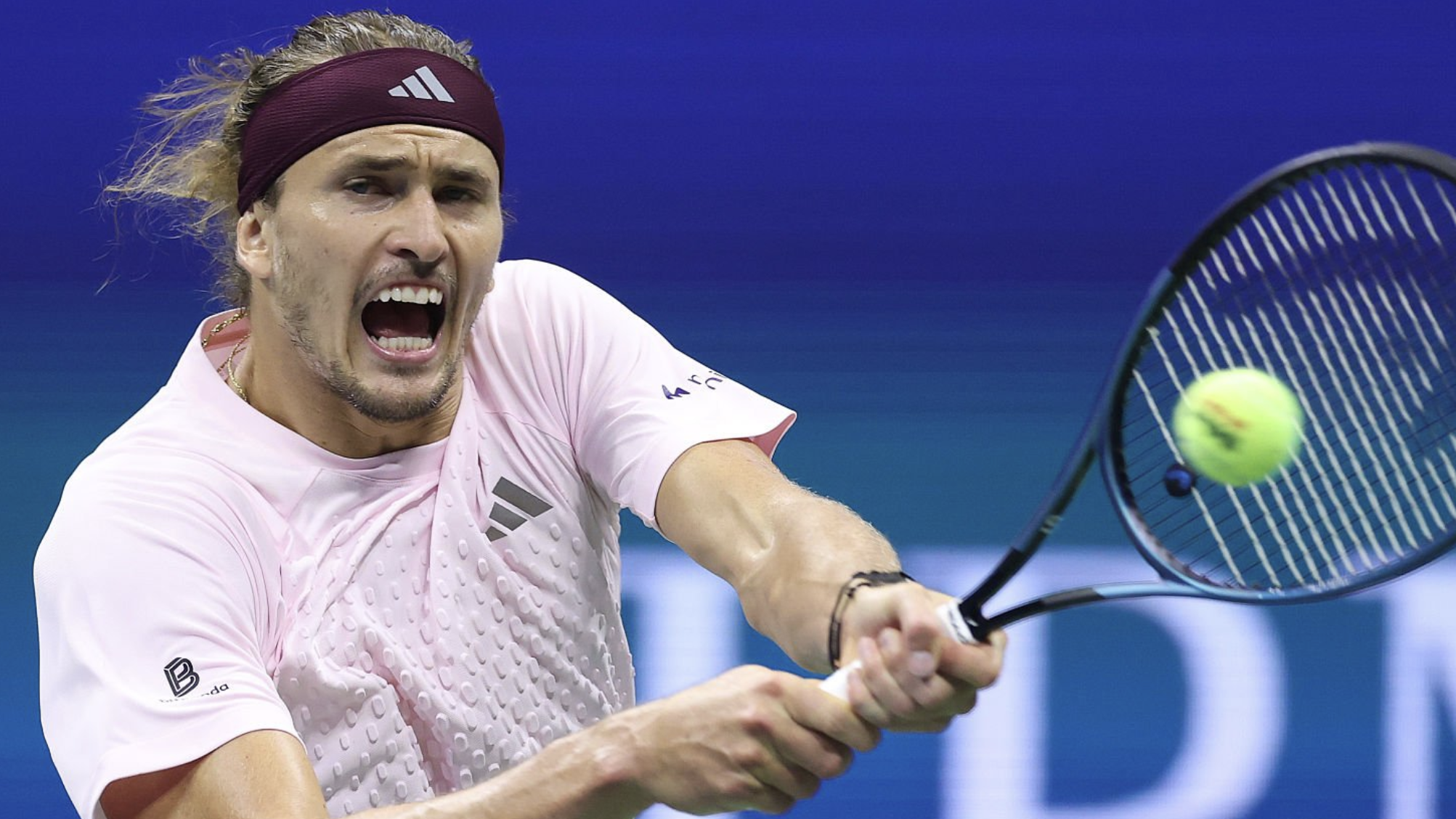
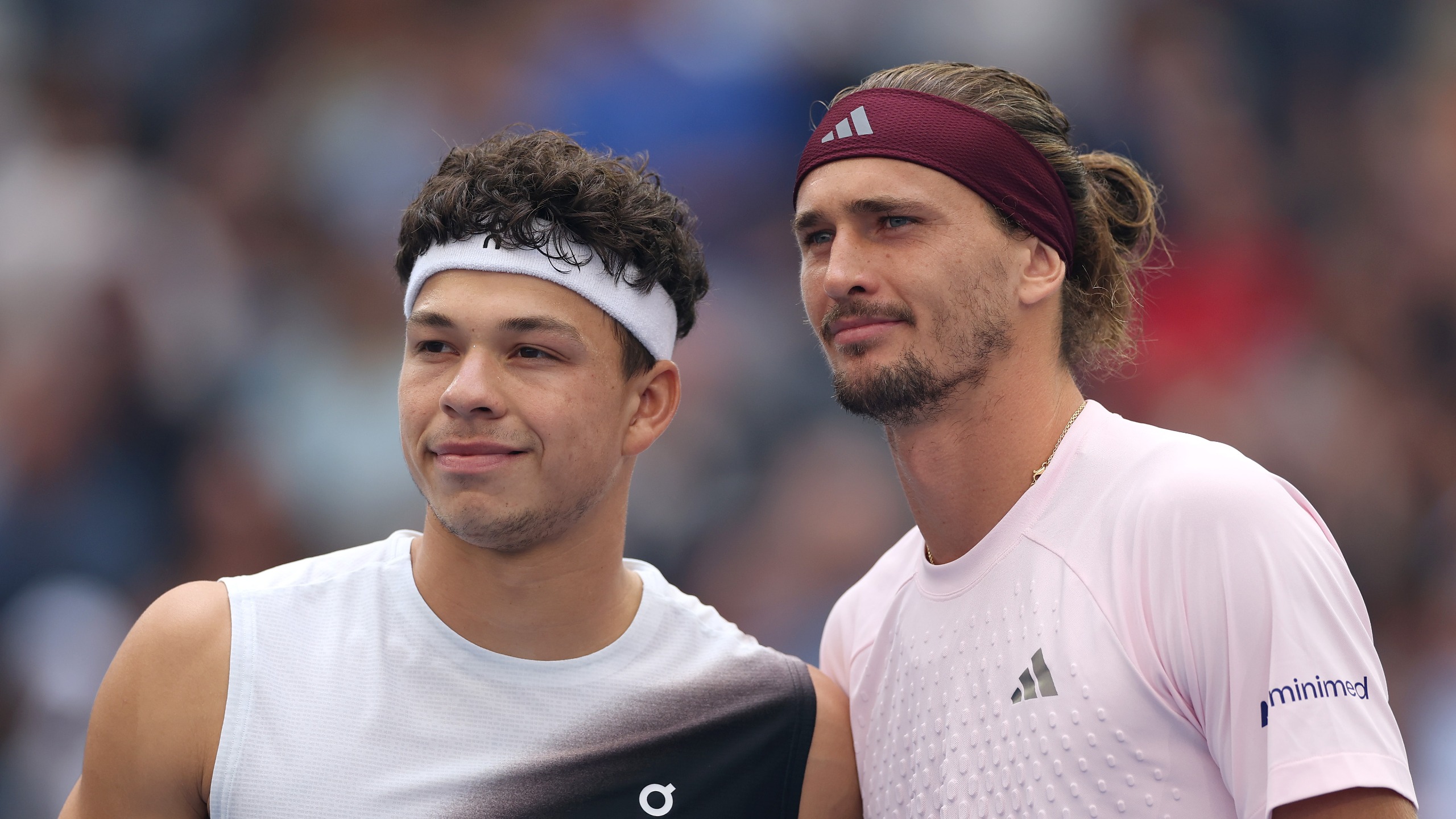
The tension at Arthur Ashe Stadium began to build well before the first serve, with the atmosphere crackling as the 23,000-strong crowd signaled its overwhelming support for the American challenger. The match commenced with Shelton winning the coin toss and electing to serve, a decision that initially backfired as he dropped his opening service game due to a series of unforced errors and visible nerves. Zverev, conversely, displayed the composure of a veteran, maintaining his service games with clinical precision, often utilizing his trademark powerful delivery to stifle Shelton’s momentum.
By the mid-way point of the first set, Zverev had established a 4-3 lead, though Shelton began to settle into his rhythm, successfully extending rallies and forcing the German into defensive positions. The first set concluded with a 6-4 scoreline in favor of Zverev, punctuated by a double fault from Shelton, which underscored the pressure inherent in a maiden Grand Slam final. The second set saw a significant shift in intensity; Shelton, clearly coached by his team to shorten the points and utilize the crowd’s energy, managed to hold his serve consistently. Both players engaged in a grueling stalemate, with neither willing to cede a break, eventually forcing the set into a tiebreaker.
In the tiebreaker, Zverev’s experience proved decisive. The German landed a tournament-high 147mph serve, dismantling Shelton’s defense and winning the set comfortably. As the match progressed into the third set, the dynamic shifted once more. Shelton, buoyed by the vocal support of the New York faithful, managed to secure an early break, momentarily stunning the world number one. However, Zverev’s ability to "keep his cool" under duress allowed him to break back immediately, regaining control of the proceedings. By the three-hour mark, Zverev had established a commanding two-games-to-nil lead in the fourth set, effectively putting himself on the precipice of his second major title.
Contextualizing the American Drought
The significance of Ben Shelton’s presence in this final cannot be overstated within the context of American tennis history. Since Andy Roddick’s victory at the 2003 US Open, the American men’s circuit has struggled to produce a consistent Grand Slam champion. While players such as Taylor Fritz reached the final in 2024, the general trend has been one of disappointment, largely overshadowed by the dominance of international legends such as Roger Federer, Rafael Nadal, and Novak Djokovic throughout the 2000s and 2010s.
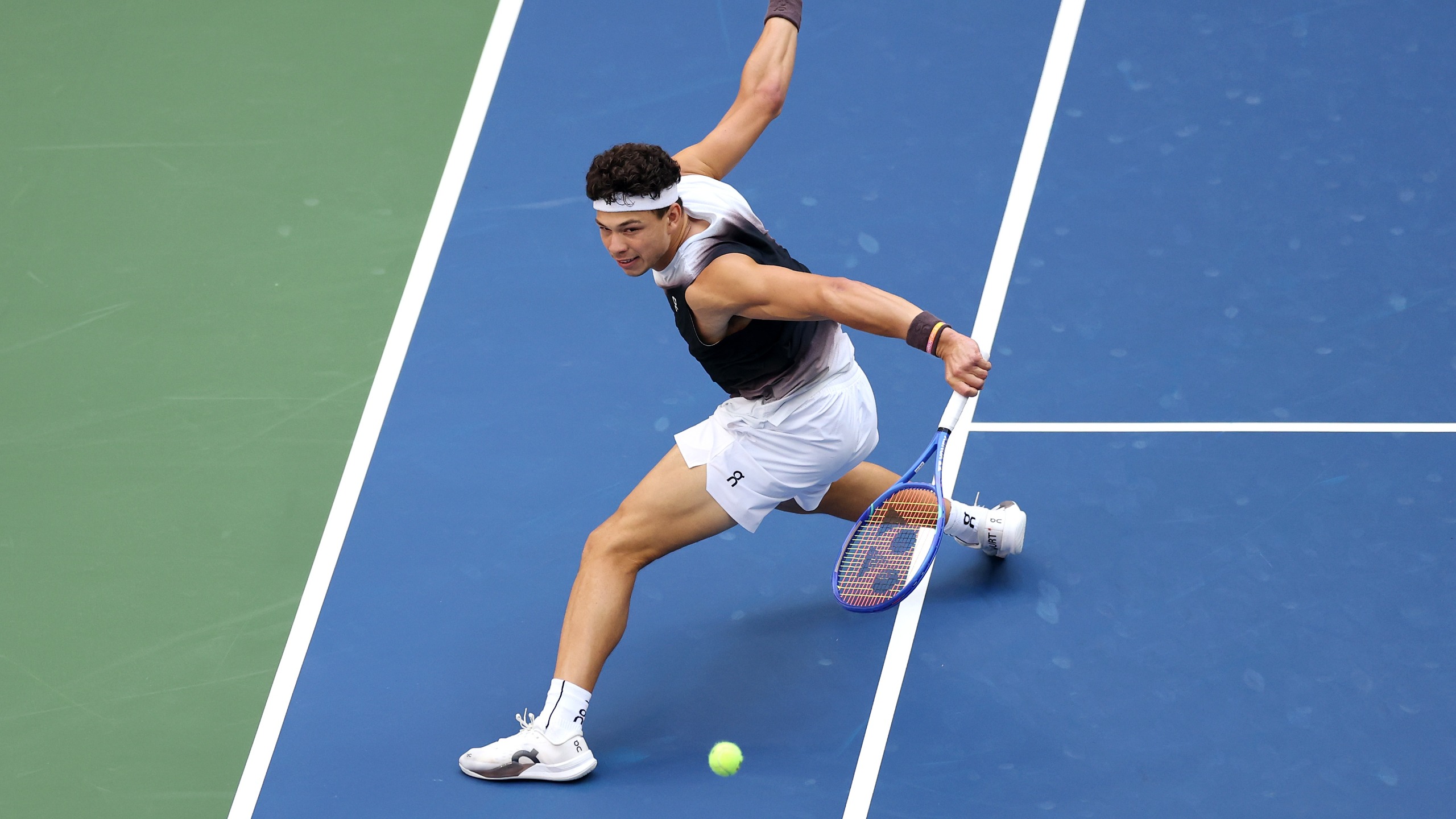
The rise of the current American cohort—including Shelton, Frances Tiafoe, and Fritz—represents a structural shift in the US tennis pipeline. These players have successfully climbed into the top 15 world rankings, suggesting that the "golden age" of the late 90s may finally be seeing a resurgence. However, the gap between being a top-15 player and a Grand Slam winner remains vast. Analysts note that while Shelton’s path to the final was impressive—notably surviving a high-stakes fifth-set tiebreaker against Carlos Alcaraz in the semifinals—his performance against Zverev highlights the disparity in experience and tactical versatility required to win at the highest level.
Tactical Analysis and Player Profiles
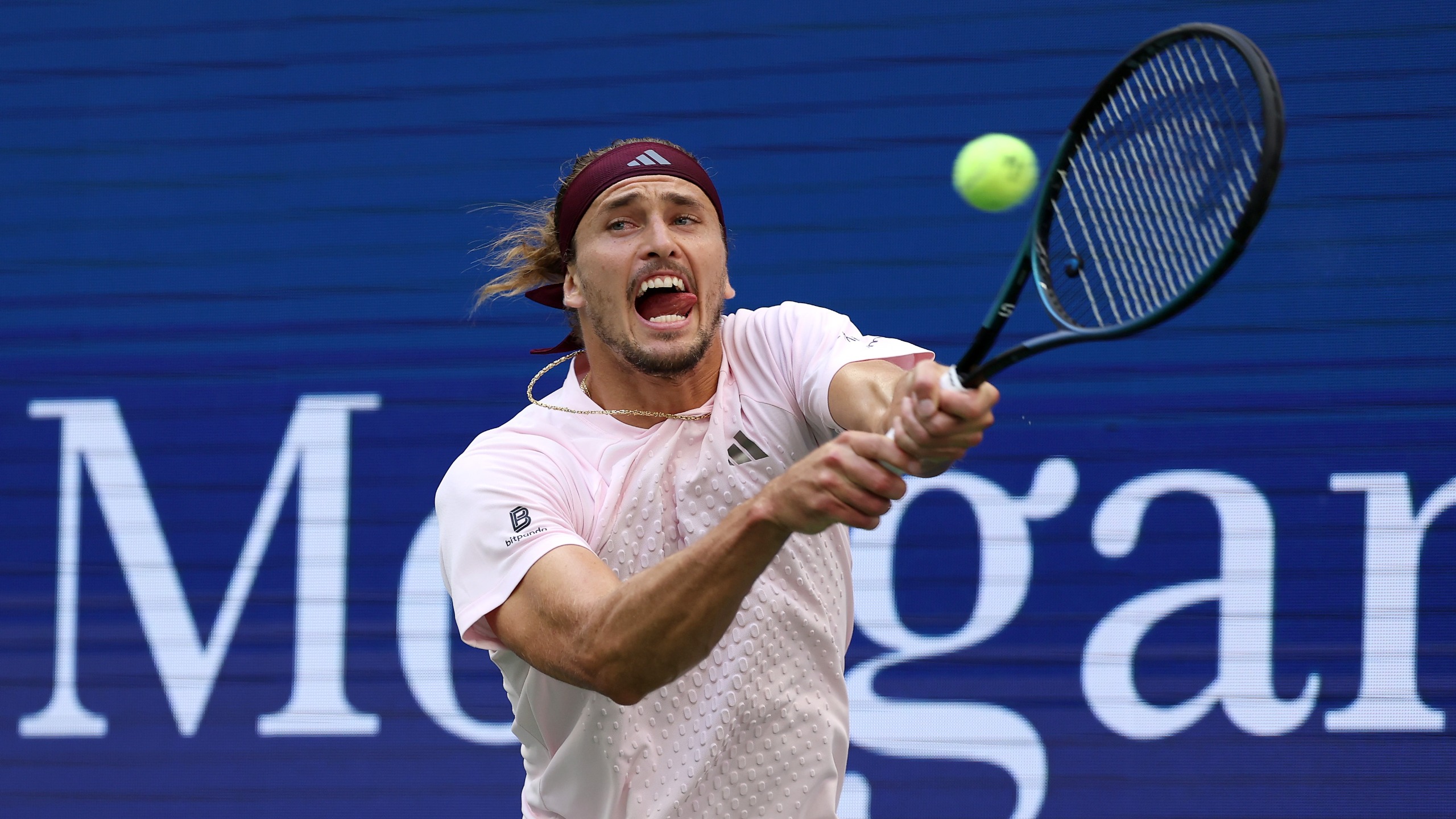
Alexander Zverev’s 2026 season has been nothing short of transformative. After years of being labeled a perennial contender who struggled to cross the finish line, his victory at Roland Garros earlier this year provided the mental breakthrough necessary for sustained success. His game has become more refined, focusing on a high-percentage serve and a dominant baseline game that forces opponents to move constantly. Zverev’s tendency to take excessive time before serving—sometimes bouncing the ball up to 20 times—has been criticized as a potential gamesmanship tactic, though it remains within the rules of the sport.
Ben Shelton, by contrast, relies on raw power and a high-risk, high-reward approach. His serve is one of the fastest on the tour, and his ability to dictate play from the forehand side has made him a fan favorite. However, his tendency to rely on the crowd for momentum, rather than internalizing his focus, has been identified by coaches as a potential liability. In the high-pressure environment of the US Open final, his inability to maintain composure during critical break points has been the defining difference between him and his opponent.
Broader Implications for the Sport
The outcome of this match serves as a barometer for the health of professional tennis in the post-Djokovic era. With the "Big Three" era effectively concluding, the tour is in a state of flux. The emergence of players like Zverev as consistent winners, and the arrival of young talent like Shelton, suggests a more competitive, albeit less predictable, landscape. This shift has commercial implications as well; as tennis looks to expand its reach, the presence of a strong American contender in the US Open final is vital for domestic broadcasting rights and sponsorship revenue.
The economic reality of the 2026 US Open is also reflected in the global broadcasting landscape. Partnerships, such as those promoted through VPN services, allow fans in international markets to access live streams of these marquee events, reflecting the growing global appetite for tennis despite the retirement or decline of the sport’s most famous names. The "next generation" is now the "current generation," and for the sport to maintain its trajectory, it requires these young stars to step into the void and build new, compelling rivalries.
Official Perspectives and Future Outlook
While no official post-match statements were available at the time of writing, the demeanor of both coaching staffs throughout the tournament suggests a focus on long-term development. For Zverev’s team, the goal is clear: to establish a period of dominance similar to that of his predecessors. For Shelton’s camp, the objective is to use this final as a learning experience. Regardless of the final score, Shelton’s run to the championship match has solidified his status as a legitimate contender for the 2027 season.
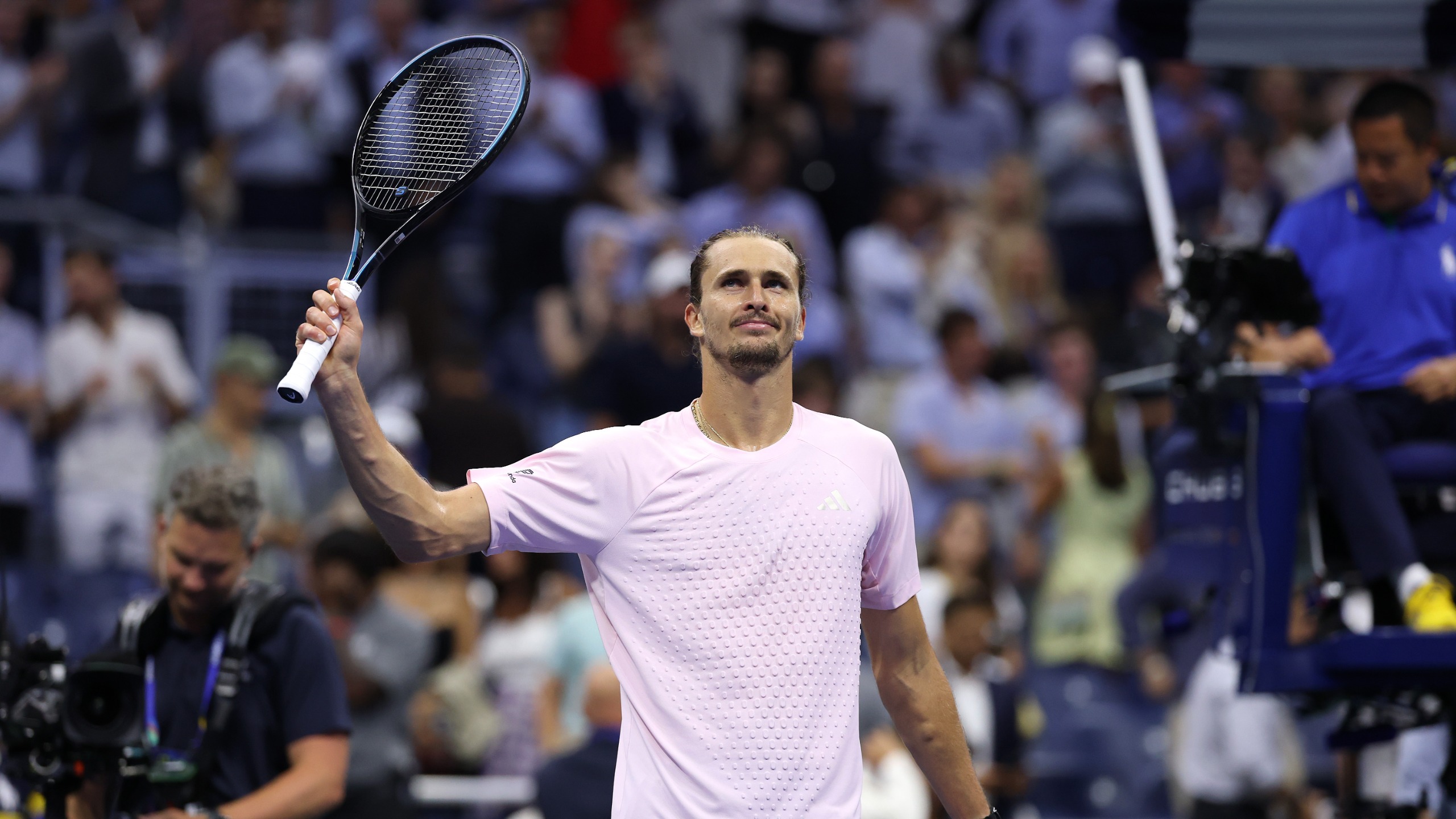
The match serves as a reminder of the psychological toll of major tournament tennis. The "haunting" of the circuit by legends like Djokovic, who continues to chase the 25th title, looms over the younger players, yet the match at Arthur Ashe demonstrates that the game is moving forward. Whether Zverev secures his second major or Shelton manages to pull off an improbable comeback, the 2026 US Open will be remembered as a pivotal moment in the transition of men’s professional tennis. As the final sets unfold, the focus of the sports world remains squarely on the court in Queens, where history is being written in real-time.