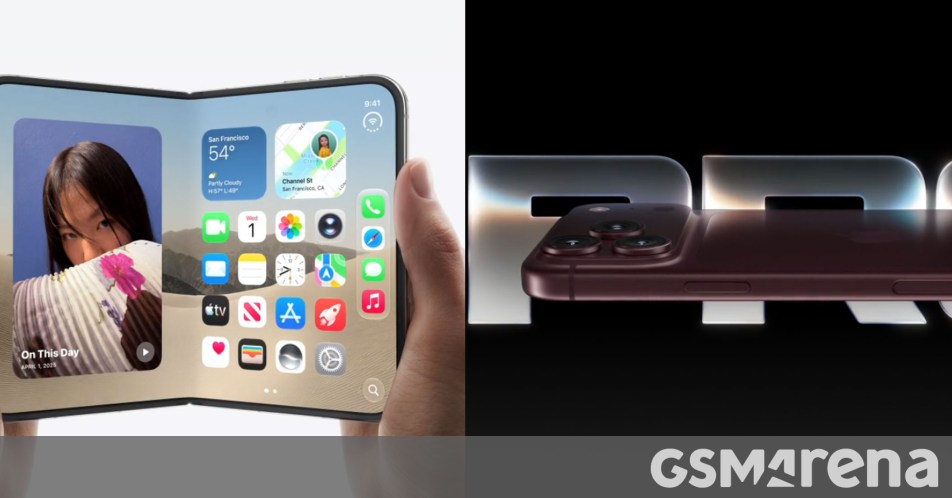
The release of the latest generation of Apple’s mobile lineup has sparked a significant industry conversation, centered primarily on the introduction of the company’s first foldable handset, the iPhone Duo, and the incremental evolution of the iPhone 18 Pro series. As the market digests these developments, it is evident that Apple’s strategy remains anchored in its traditional methodology: prioritizing long-term product maturity over "first-to-market" status, while simultaneously leveraging its ecosystem dominance to manage global price sensitivities.
A Long-Awaited Arrival: The iPhone Duo
The trajectory toward Apple’s first foldable device can be traced back to 2019, following internal reports that CEO Tim Cook had expressed a keen interest in the potential of flexible display technologies. For years, industry analysts speculated on a 2023 or 2024 release, but the final, public-facing debut in late 2026 confirms that the company opted for a deliberate, multi-year incubation period. This delay allowed Apple to bypass the experimental phase that defined the early years of competitor foldable devices, opting instead for a polished, highly refined product that seeks to solve long-standing user pain points.
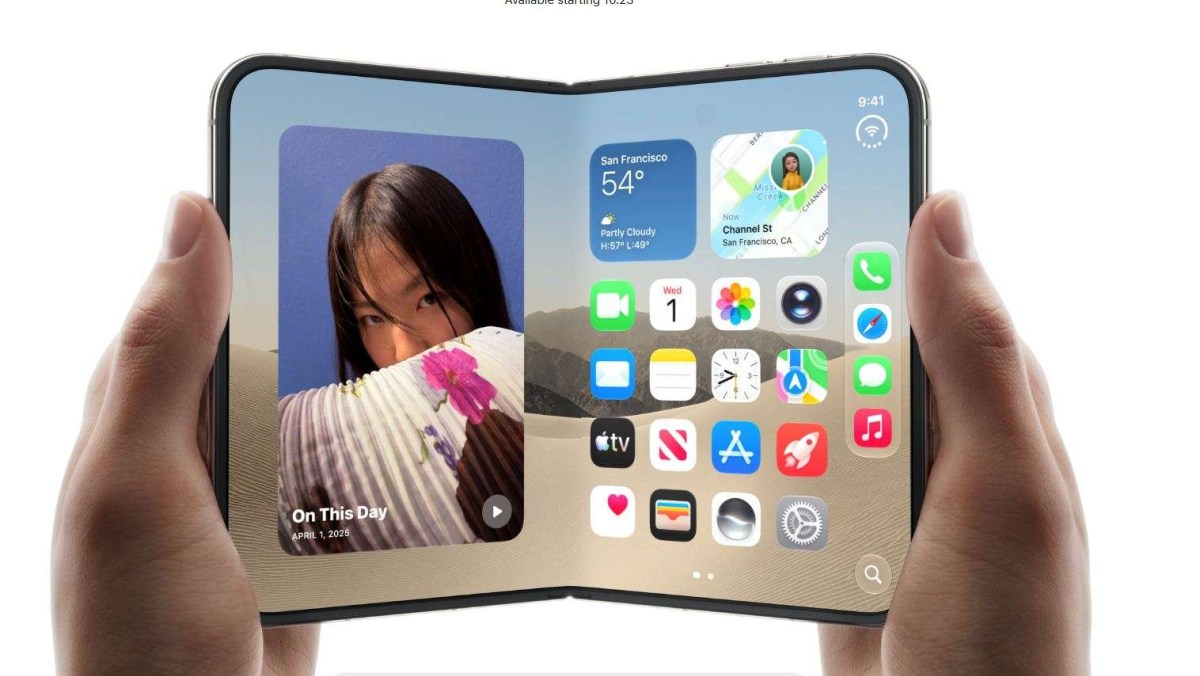
From a hardware perspective, the iPhone Duo distinguishes itself through its structural integrity. The device arrives with a nearly crease-less inner display—a feat of engineering that remains elusive for many of its peers. Furthermore, the inclusion of dust-proof certification marks a pivotal moment for foldable design, as environmental ingress has historically been the primary deterrent for mainstream adoption of such form factors. The integration of high-grade anti-reflective coatings on the inner panel reflects a level of detail usually reserved for mature, multi-generational product lines, signaling that Apple intends for the Duo to serve as a benchmark for high-end foldable reliability.
Software Innovation and Usability Hurdles
The most compelling aspect of the iPhone Duo is its software optimization. Apple has successfully translated the iOS experience into a multi-tasking environment that feels native to the foldable form factor. The proprietary transition animations between the folded and unfolded states demonstrate a level of fluidity that reinforces the device’s premium positioning. The implementation of a left-aligned dock represents a departure from standard interface layouts, theoretically streamlining navigation for users who require rapid switching between complex applications.
However, the hardware is not without its limitations. Ergonomic reviews suggest that the current software configuration is heavily biased toward right-handed users, with no immediate option to relocate the dock. Furthermore, the placement of the volume buttons on the upper edge of the chassis has created a polarizing user experience, with some critics questioning the accessibility of these controls in day-to-day operation.

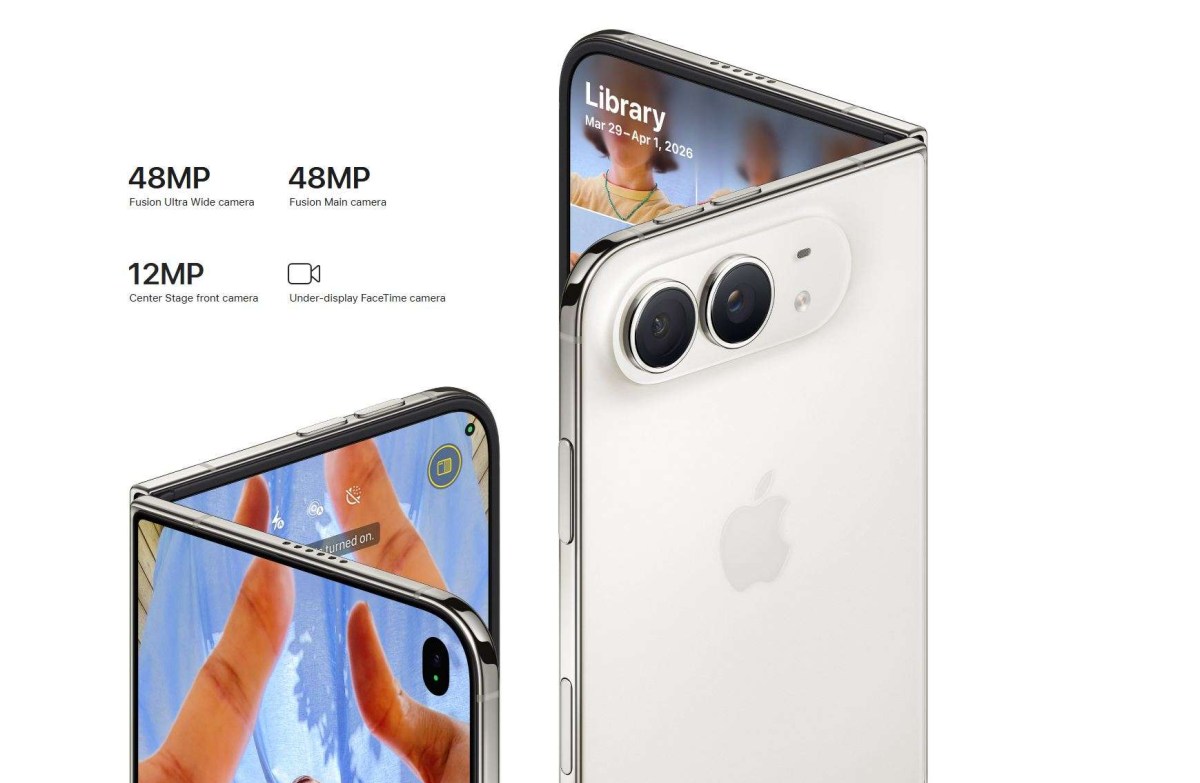
The inclusion of an under-display camera on the primary folding screen also warrants scrutiny. While aesthetically pleasing, the image quality of such sensors currently lags behind the high-fidelity results provided by traditional punch-hole configurations. For a device retailing at approximately $2,000, the use of a camera module inherited from the budget-tier iPhone 17e is a notable compromise that may alienate power users who prioritize mobile photography.
The A20 Pro SoC: A Generational Leap
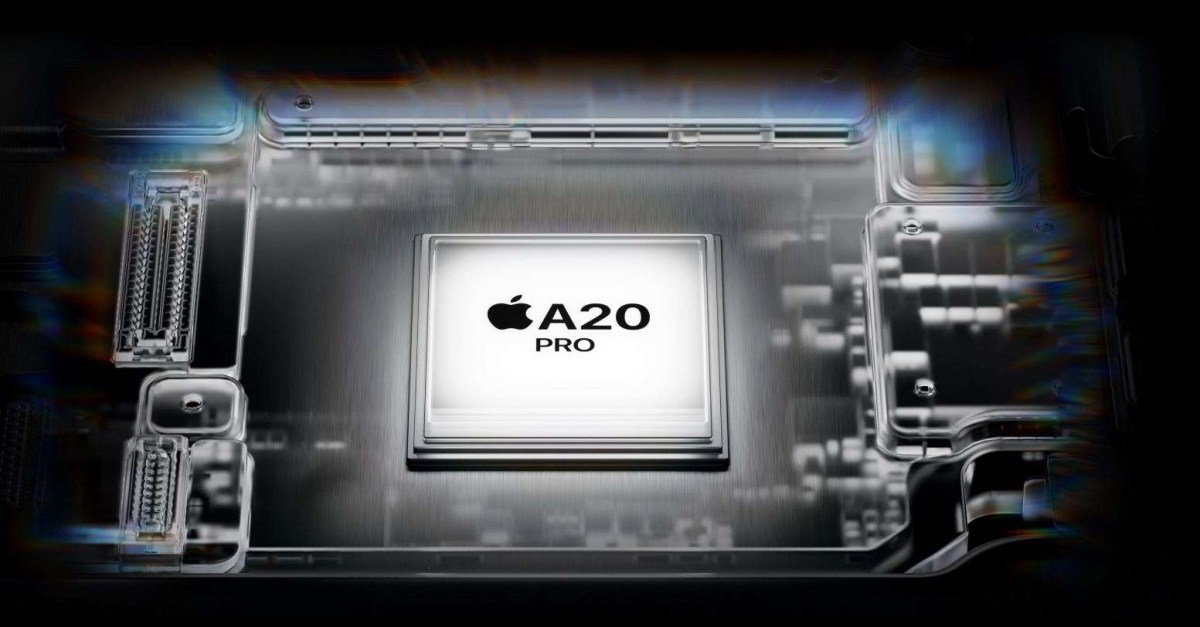
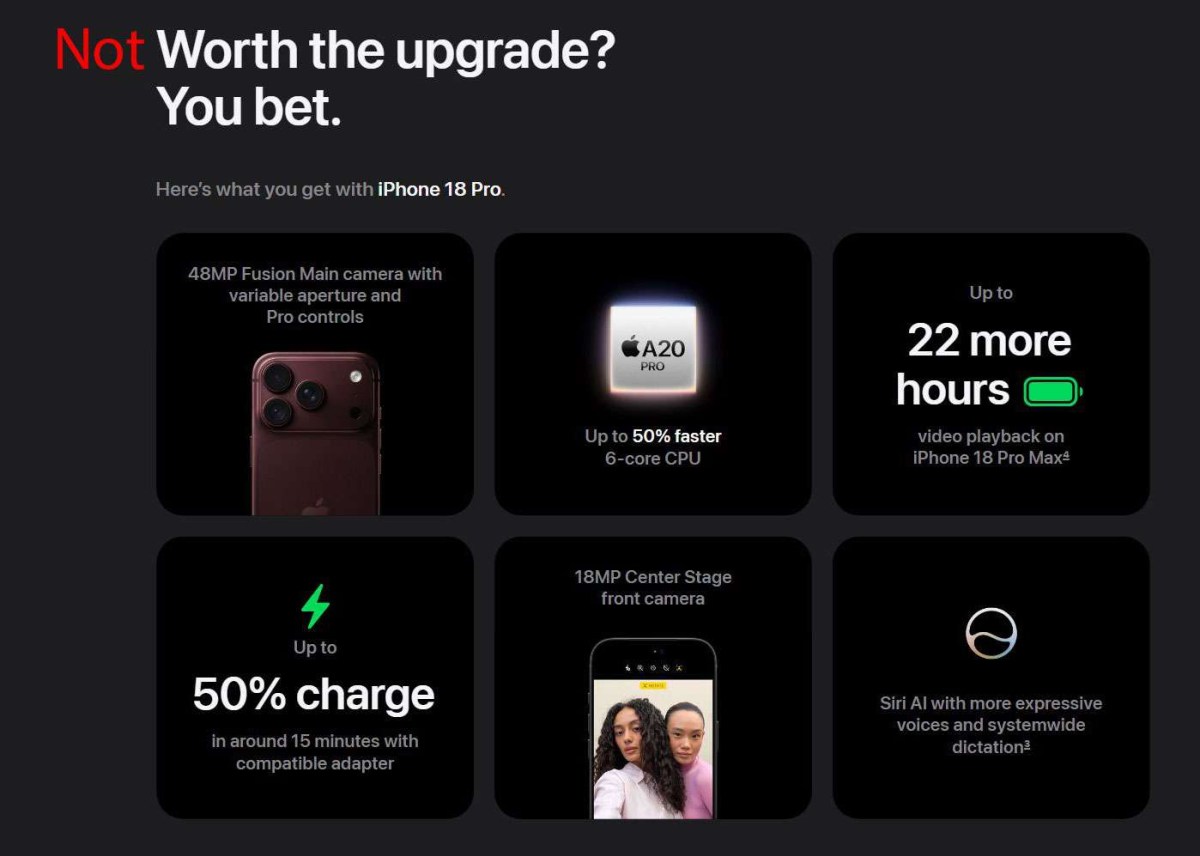
While the Duo captures the headlines, the iPhone 18 Pro models represent a significant technological shift in processing architecture. The new A20 Pro SoC is the industry’s first 2nm processor, a breakthrough that underscores Apple’s continued investment in custom silicon. The performance metrics are substantial: a 20% increase in CPU speed and a 40% improvement in GPU performance.
Crucially, the focus of the A20 Pro is the Neural Engine. With 32 cores—doubling the capacity of the previous A19 Pro—the chip is purpose-built to handle intensive on-device AI tasks without relying on cloud-based processing. This is accompanied by a 50% increase in memory bandwidth, which will likely enable more complex real-time computational photography and sophisticated background AI operations. The result is a device that is well-prepared for the next three to four years of software feature updates.
Battery Life and Charging Efficiency
The iPhone 18 Pro Max and 18 Pro offer tangible improvements in battery endurance. By optimizing power management within the A20 Pro, Apple has managed to increase video playback duration by six hours on the Pro Max model and three hours on the standard Pro. Despite these gains, the charging speeds remain a point of contention. In a market where competitors have largely moved toward rapid, high-wattage charging, Apple’s continued adherence to conservative charging profiles feels increasingly out of step with global industry standards.
The Variable Aperture Lens: Practicality vs. Marketing
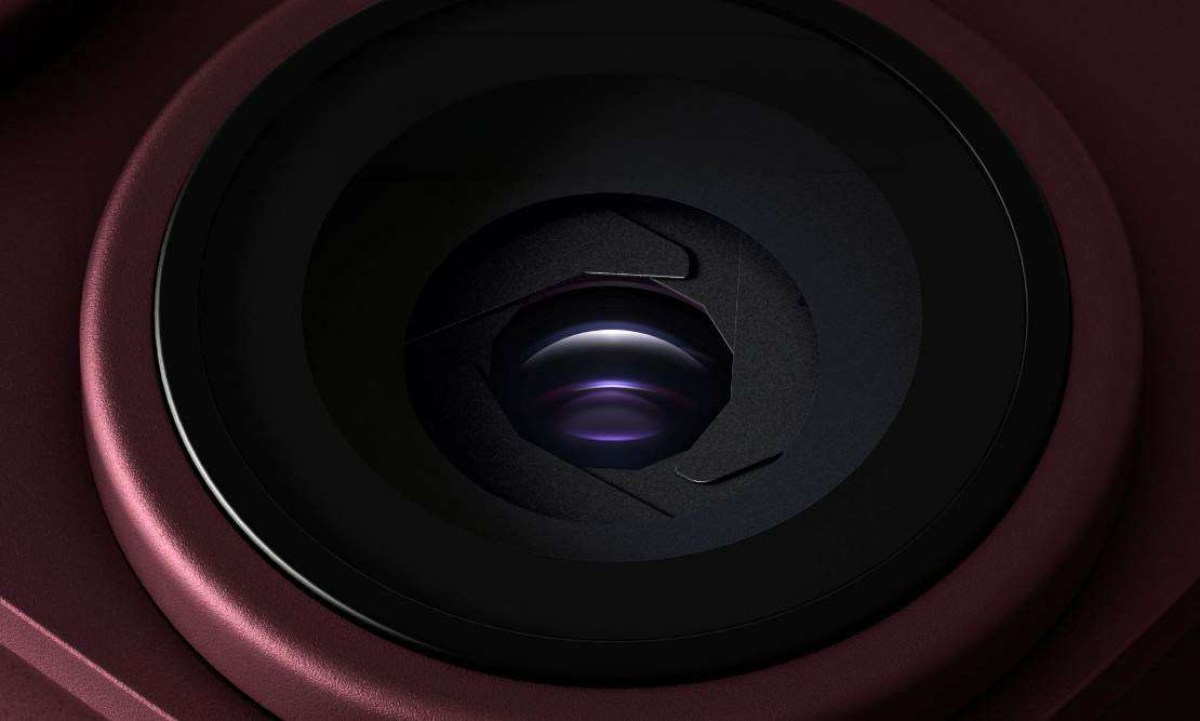
The introduction of a four-step variable aperture lens on the Pro models has been a central pillar of Apple’s marketing campaign. However, technical analysis suggests that the practical benefits of this feature on a mobile sensor are minimal. The depth of field provided by the small sensor and lens combinations common in smartphones already ensures that most subjects remain in focus at standard distances. While variable aperture is a standard requirement for full-frame cameras, its application here appears to be more of a specialized feature for enthusiasts rather than a revolutionary change for the average user, who may find little difference in their daily landscape or portrait photography.
Global Pricing and Economic Implications
The pricing strategy for the iPhone 18 series highlights the complex nature of international commerce. While the US market saw a modest $100 price increase, the impact in international markets has been significantly more pronounced. Customers in Europe, India, Japan, and China are facing substantial price hikes that far exceed the currency fluctuations alone.
This tiered pricing structure acts as a "memory tax," effectively subsidizing the competitive pricing of the US market by shifting the cost burden to international consumers. For instance, the entry-level iPhone 18 Pro in Germany now carries a price tag that significantly exceeds the cost of a comparable model in the United States, creating a perception of inequality that could dampen demand in these regions.
Market Outlook and Consumer Behavior
The consensus among industry observers is that the iPhone 18 Pro represents an incremental upgrade that may fail to entice owners of the previous generation. The core architecture is solid, and the AI capabilities are future-proofed, but the lack of radical hardware changes means that existing users have little incentive to upgrade.
The iPhone Duo, however, occupies a unique space. Despite its high price and initial hardware flaws, it is positioned to capture the "early adopter" segment of the market. Apple’s reputation for long-term software support and hardware quality will likely ensure that the device remains in high demand, regardless of its imperfections. The company’s ability to sell through its inventory is virtually guaranteed, as the iPhone brand continues to benefit from a "halo effect" that keeps consumer loyalty high even during years of evolutionary, rather than revolutionary, change.
In summary, the 2026 Apple launch event confirms the company’s ongoing transition from a hardware-centric entity to one that balances hardware design with massive on-device AI integration. While the iPhone 18 Pro is a steady, if unexciting, iteration, the iPhone Duo serves as a critical proof-of-concept for the next decade of smartphone design. As the market responds, the true test will be whether Apple can address the software limitations of the Duo and bridge the growing price disparity between its domestic and international customer bases.