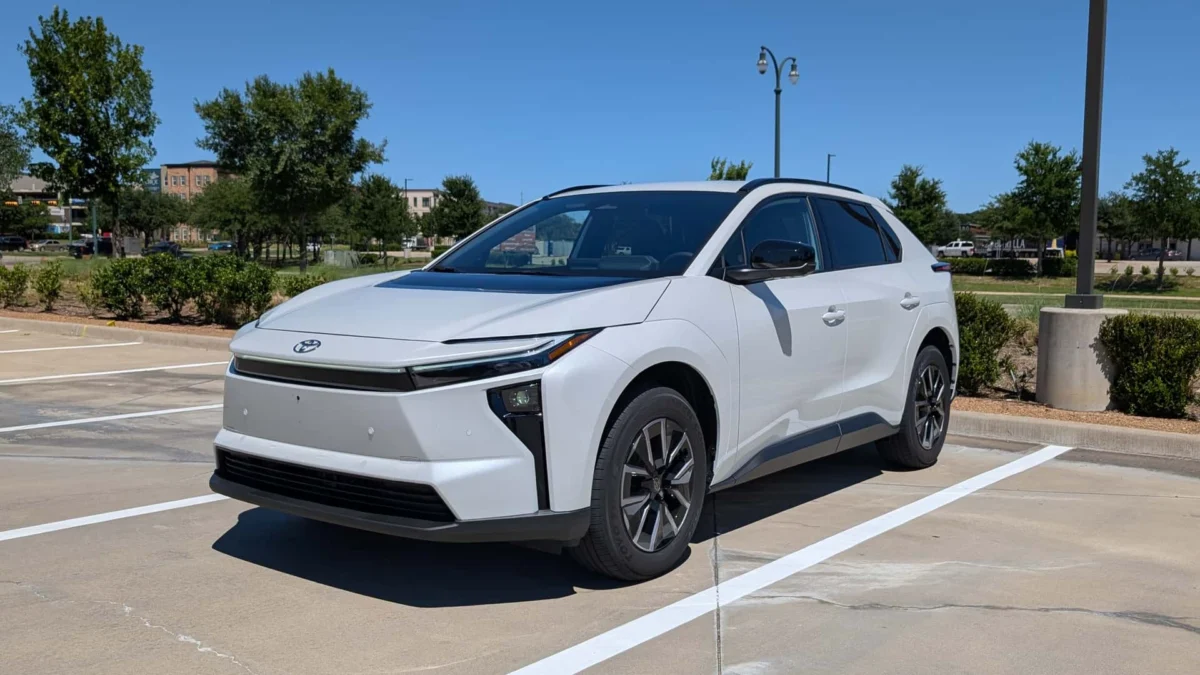
Toyota is betting that its latest offer might just be enough to get you to switch to something with three ovals on the hood. Specifically, Toyota is offering $3,000 of cash on the hood to bZ buyers switching from an older electric car. This strategic move comes as the automaker seeks to further bolster sales of its burgeoning electric vehicle lineup, particularly the bZ, which has seen a significant surge in popularity. The incentive targets a specific demographic of existing EV owners, aiming to leverage their established commitment to electric mobility and encourage a brand switch.
Targeted Conquest Offer: $3,000 Cash Back for Existing EV Owners
Toyota’s new incentive program is designed to attract drivers who already own an electric vehicle and are considering an upgrade or a change in brand. The core of this offer is a $3,000 cash rebate specifically for buyers trading in or switching from a qualified electric vehicle. This "conquest cash" is a direct appeal to those who have already experienced the benefits of EV ownership and may be looking for a new option.
The program, however, is not universally applicable to all EV owners. Toyota has defined a specific set of criteria for eligible trade-ins. The incentive is primarily aimed at individuals who own and are looking to trade in electric vehicles manufactured between the model years 2020 and 2023. This carefully selected range suggests Toyota is targeting owners of relatively recent EVs, who may be more inclined to upgrade to newer technology and are likely to be more familiar with the EV ecosystem. While the exact list of qualifying models was not provided in the initial announcement, this focus on recent model years indicates a strategic effort to capture a segment of the market that has already invested in electric technology.
Geographic Limitations and Transferability Clause
Adding a layer of specificity to the offer, the conquest cash incentive appears to be exclusively available to buyers residing in California. This geographical focus likely stems from California’s position as a leading market for electric vehicle adoption and its robust charging infrastructure, making it a crucial battleground for EV sales. The state’s commitment to environmental initiatives and its large consumer base interested in sustainable transportation make it a prime target for such incentives.
Furthermore, the announcement clarifies that this $3,000 incentive is unlikely to be stackable with California’s upcoming $3,500 EV buying incentive. That forthcoming state program is reportedly aimed at first-time EV buyers, suggesting a deliberate strategy by both the state and Toyota to address different segments of the EV market. While this may seem like a limitation, Toyota has included a provision for transferability. The offer can be extended to immediate family members residing in the same household, provided they own one of the qualifying vehicles. This allows for a broader reach within families, potentially encouraging a household transition to Toyota’s electric offerings.
Broader Incentives Beyond California
While the $3,000 conquest cash is geographically restricted, Toyota is not neglecting potential buyers outside of California. The automaker is rolling out a suite of attractive incentives for the bZ across other markets, aiming to make the electric crossover a compelling choice nationwide.
A significant offering is the 0% APR financing for the bZ, available for an extended period of 72 months. This zero-interest financing significantly reduces the overall cost of ownership, making the bZ more accessible to a wider range of buyers who may be sensitive to interest rates. This move underscores Toyota’s commitment to making EV ownership financially feasible.
In addition to the financing deal, Toyota is offering up to $4,000 in lease cash. This incentive is particularly appealing for those who prefer leasing over purchasing. When combined with a 36-month lease agreement, this offer effectively brings the monthly payment down to an attractive $349, with a down payment of $3,999. This makes the bZ a competitive option for individuals and families looking for a flexible and affordable entry into EV leasing.
Further bolstering its appeal, Toyota is extending additional rebates to specific demographic groups. Military personnel and recent college graduates can qualify for supplementary rebates of $750 and $500, respectively. These targeted rebates acknowledge the contributions of service members and support the transition of new professionals into the workforce, while simultaneously encouraging them to consider an electric vehicle.
The Rising Popularity of the Toyota bZ
The timing of these enhanced incentives is particularly noteworthy, given the recent surge in popularity of the Toyota bZ. The electric crossover has been experiencing a significant uptick in sales, positioning it as a strong contender in the non-Tesla EV market. In the first half of 2026, Toyota reported selling an impressive 17,553 units of the bZ. This figure represents a substantial increase, effectively doubling the sales numbers from the same period in the previous year.
This remarkable growth can be attributed to several key improvements in the refreshed bZ model. Compared to its predecessor, the bZ4X, the latest iteration offers enhanced driving range, faster charging capabilities, and a more refined overall package. These upgrades address common concerns among potential EV buyers, such as range anxiety and charging times, making the bZ a more practical and appealing option for daily use and longer journeys. The improved user experience and technological advancements within the vehicle are clearly resonating with consumers, driving its newfound success.

Broader Context: The Evolving EV Landscape and Toyota’s Strategy
The current incentive landscape for electric vehicles is dynamic, with automakers continuously adjusting their strategies to capture market share. Following the initial boom in EV adoption, the market has seen increased competition and a growing need for compelling offers to entice buyers. Toyota’s aggressive incentive strategy for the bZ can be viewed within this broader context.
The automotive industry is at a critical juncture, with a global shift towards electrification accelerating rapidly. Governments worldwide are implementing stricter emissions regulations and offering various incentives to promote EV adoption. In this environment, manufacturers like Toyota are leveraging financial incentives as a key tool to not only meet sales targets but also to solidify their position in the rapidly evolving electric vehicle market.
The $3,000 conquest cash offer, while specific, highlights a strategic approach to target existing EV owners. These individuals are already sold on the concept of electric mobility and are likely to be evaluating their next EV purchase based on factors such as brand reputation, technological advancements, and overall value proposition. By offering a direct financial incentive to switch from a competitor, Toyota aims to disrupt brand loyalty and attract a segment of the market that is already committed to electric driving.
Furthermore, the availability of 0% APR financing and lease cash deals across broader markets underscores Toyota’s commitment to making EVs accessible to a wider demographic. These incentives reduce the financial barriers to entry, which have historically been a significant concern for many potential EV buyers. By making the bZ more affordable through attractive financing and leasing options, Toyota is actively working to democratize EV ownership.
The success of the bZ in the first half of 2026 is a testament to the product’s appeal and Toyota’s strategic adjustments. The improvements in range, charging, and overall packaging have clearly addressed consumer needs and preferences. This positive sales trajectory provides a strong foundation for further growth, and the current incentive programs are designed to build upon this momentum.
Analysis of Implications
The implications of Toyota’s aggressive incentive strategy are multifaceted. For consumers, particularly those in California who own qualifying EVs, the $3,000 cash back presents a compelling opportunity to upgrade to a new electric vehicle at a reduced cost. This can significantly lower the financial hurdle for transitioning to a potentially more advanced or efficient model.
For Toyota, these incentives are crucial for accelerating the adoption of its bZ line and achieving its electrification goals. By targeting existing EV owners, Toyota aims to gain market share from competitors and build a loyal customer base for its electric vehicles. The success of these programs could influence future incentive strategies across the automotive industry, as manufacturers continue to seek innovative ways to attract and retain customers in the competitive EV market.
The geographical restriction to California, while potentially limiting the immediate impact, allows Toyota to focus its resources on a key market with high EV penetration. This targeted approach may yield higher conversion rates and provide valuable data for future nationwide campaigns.
The transferability clause for family members is a thoughtful addition, expanding the potential reach of the offer without violating the spirit of the initial targeting. It acknowledges the household nature of vehicle purchasing decisions and allows for family-wide transitions to electric mobility.
The broader incentives outside of California, such as 0% APR financing and lease cash, demonstrate a commitment to making the bZ accessible to a wider audience. These offers are critical for driving adoption in markets where EV infrastructure may be less developed or where consumer awareness is still growing.
Finally, the increasing popularity of the bZ itself is a significant factor. As the vehicle continues to gain traction, these incentives can act as a catalyst to further accelerate its sales trajectory. The positive feedback loop of product improvement, growing consumer interest, and attractive financial offers is a powerful formula for success in the burgeoning EV market. Toyota’s strategic moves with the bZ signal a clear intent to become a dominant player in the electric vehicle space, leveraging both product innovation and smart financial incentives to achieve its ambitious goals.