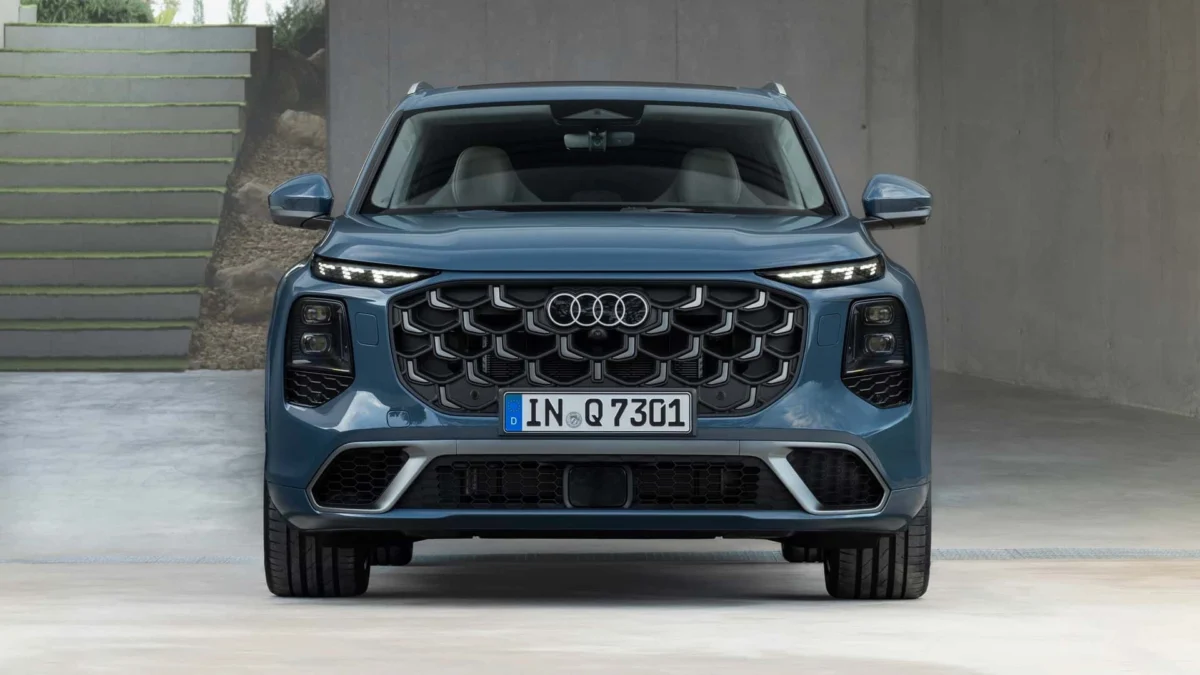
Audi has unveiled a significantly revised 2027 Q7, its esteemed mid-size luxury SUV, which is set to grace U.S. dealerships in the fourth quarter of this year. This comprehensive update introduces a refreshed exterior design, upgraded powertrain options, and the integration of Audi’s latest technological advancements. Accompanying these enhancements is a price adjustment, with the 2027 Q7 commanding a $3,300 premium over its predecessor.
The entry point for the 2027 Audi Q7 will be $70,900, a notable increase from the 2026 model’s $67,600 MSRP. Underpinning the standard Q7 is a potent twin-turbocharged 2.9-liter V6 engine. This powerplant delivers an impressive 429 horsepower and 442 pound-feet of torque, enabling the SUV to accelerate from 0 to 60 miles per hour in a brisk 4.8 seconds. This represents a significant 0.7-second improvement in acceleration compared to the outgoing model, underscoring Audi’s commitment to enhancing performance across its lineup.
For those seeking an even more exhilarating driving experience, Audi offers the high-performance SQ7 variant. This flagship model boasts a formidable twin-turbocharged 4.0-liter V8 engine. This powerhouse generates a substantial 591 horsepower and 590 pound-feet of torque. The SQ7’s enhanced V8 allows it to achieve the 0-60 mph sprint in a mere 3.7 seconds, a notable 0.3-second improvement over its previous iteration. The SQ7 will carry a starting price of $98,700, reflecting a $4,900 increase from its 2026 counterpart. Both the standard Q7 and the SQ7 are slated for arrival at dealerships later this year, marking a significant moment in Audi’s SUV evolution.
2027 Audi Q7: A Strategic Market Position and Pricing Analysis
Audi’s strategic pricing for the 2027 Q7 positions it directly within the competitive landscape of German luxury SUVs, facing formidable rivals such as the BMW X5 and the Mercedes-Benz GLE. While a direct comparison often highlights the Q7’s slightly larger dimensions and standard three-row seating configuration—a key differentiator from the typically two-row offerings of its German counterparts—this advantage comes with a corresponding premium.
The 2027 BMW X5 enters the fray with a starting price of $69,800. This positions the X5 40 model, equipped with a 394-hp turbocharged 3.0-liter inline-six engine, at $1,100 less than the base Q7. This pricing strategy underscores BMW’s competitive approach, aiming to attract buyers seeking a blend of performance and luxury within a slightly more accessible price bracket.
The Mercedes-Benz GLE, while not receiving a complete redesign for the 2027 model year akin to its direct competitors, has undergone a significant overhaul for the upcoming model year. Although Mercedes-Benz has yet to release official pricing for the 2027 GLE, the 2026 model commenced at $62,250. This starting price point is considerably lower than both the Q7 and the X5. However, this figure corresponds to the GLE 350, which is powered by a 255-hp turbocharged 2.0-liter four-cylinder mild-hybrid engine. For those desiring more robust performance, the 375-hp GLE 450, featuring a turbocharged 3.0-liter inline-six hybrid powertrain, commands a higher price of $72,250, positioning it above the BMW X5 and making it a closer competitor in terms of cost to the Audi Q7.
The forthcoming 2027 GLE is expected to continue offering a 2.0-liter hybrid powertrain, a configuration that should allow it to maintain a competitive edge in pricing against the Q7 and X5, particularly for budget-conscious buyers.
| Model | Starting Price |
|---|---|
| 2027 Audi Q7 | $70,900 |
| 2027 BMW X5 | $69,800 |
| 2027 Mercedes-Benz GLE | $62,250 |
Note: Mercedes-Benz GLE pricing is based on the 2026 model year and is subject to change for 2027.
Powertrain Evolution: Enhancing Performance and Efficiency
The 2027 model year marks a significant step forward for the Audi Q7’s powertrain offerings, aiming to balance robust performance with the evolving demands for efficiency. The standard Q7 is now equipped with a sophisticated twin-turbocharged 2.9-liter V6 engine. This powerplant represents a substantial upgrade, delivering 429 horsepower and 442 pound-feet of torque. This not only translates to improved acceleration, as evidenced by the 0-60 mph time of 4.8 seconds, but also suggests potential gains in overall drivability and responsiveness. The engineering focus on this V6 engine indicates Audi’s strategy to provide a compelling blend of power and refinement for its core luxury SUV offering.
The performance-oriented SQ7 continues its tradition of offering exceptional power, now featuring a formidable twin-turbocharged 4.0-liter V8 engine. This engine is a marvel of engineering, producing an awe-inspiring 591 horsepower and 590 pound-feet of torque. The resulting acceleration is breathtaking, with the SQ7 capable of reaching 60 mph in just 3.7 seconds. This leap in performance is a testament to Audi’s unwavering commitment to its performance division and its ability to extract maximum output from its V8 architecture. The increased power and torque figures suggest a more immediate and visceral driving experience, appealing to enthusiasts who demand the utmost in automotive performance.
While the article primarily focuses on the power output of these engines, it is reasonable to infer that Audi’s engineers have also implemented advancements in fuel efficiency and emissions control technologies. In an era where regulatory pressures and consumer expectations increasingly prioritize sustainability, it is highly probable that these updated powertrains incorporate measures such as improved direct injection systems, advanced turbocharger technology, and potentially mild-hybrid integration, even if not explicitly detailed in the initial announcement. These technologies, common in modern luxury vehicles, would contribute to a more responsible environmental footprint without compromising the exhilarating performance that defines the Q7 and SQ7.
Design and Technology: A Modernized Luxury Experience
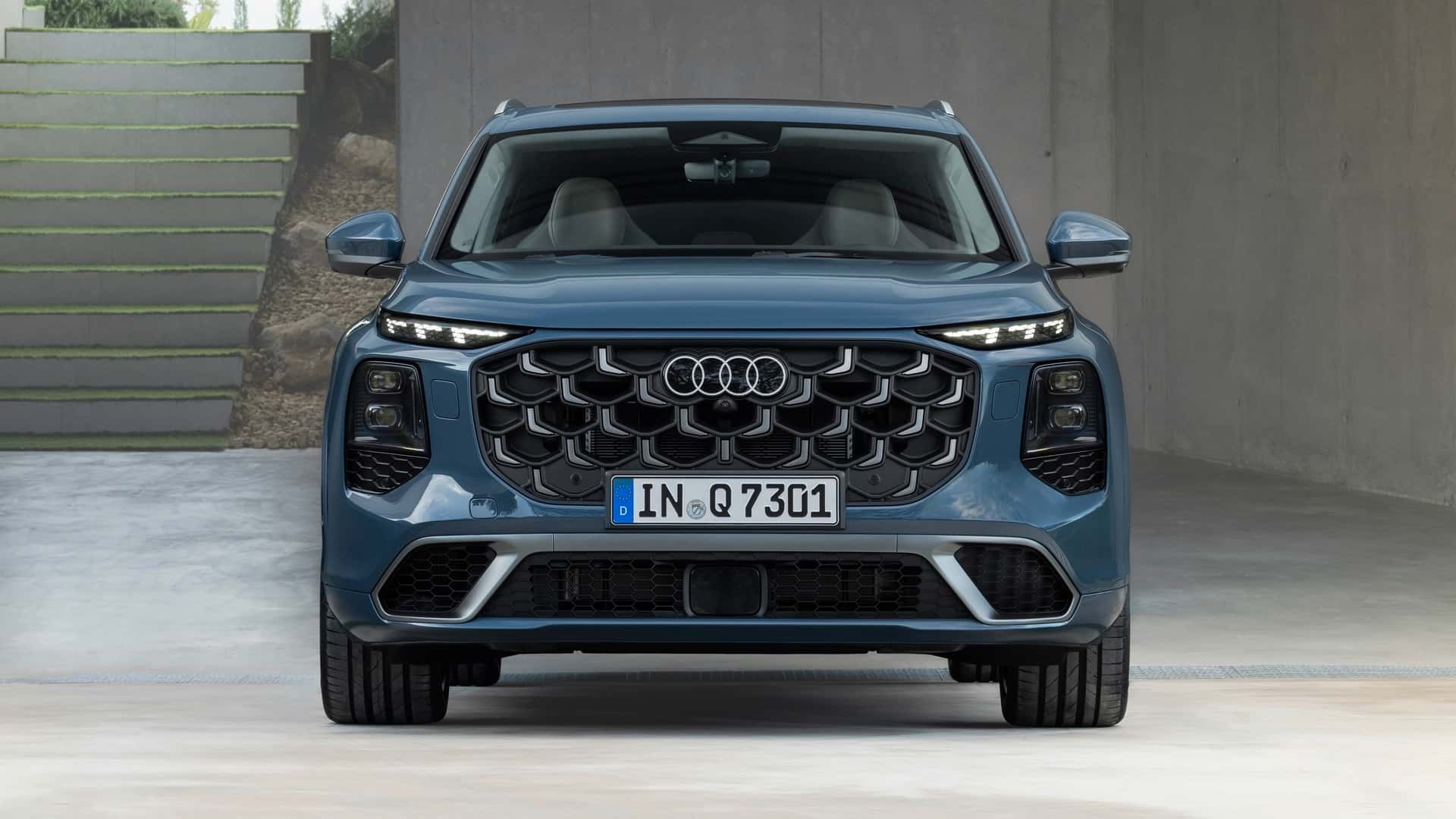
The visual enhancements to the 2027 Audi Q7 are expected to align with Audi’s latest design language, characterized by a more sculpted and athletic appearance. While specific details of the styling overhaul were not provided in the initial report, typical Audi updates include revised grille designs, updated headlight and taillight signatures, and subtle aerodynamic refinements. These changes are likely to contribute to a more dynamic and contemporary presence on the road, reinforcing the Q7’s position as a sophisticated and stylish luxury SUV. The inclusion of advanced LED lighting technology, including dynamic turn signals and adaptive high beams, is also a near certainty, enhancing both safety and visual appeal.
Internally, the 2027 Q7 is poised to integrate Audi’s cutting-edge technology suite. This is expected to encompass an updated version of the brand’s acclaimed MMI touch response infotainment system, featuring larger, more responsive touchscreens and enhanced voice control capabilities. The virtual cockpit, Audi’s fully digital instrument cluster, will likely receive further refinements, offering customizable displays and seamless integration with navigation and media systems. Advanced driver-assistance systems (ADAS) are also a crucial aspect of modern luxury vehicles, and the 2027 Q7 is expected to come equipped with a comprehensive suite of these features. This could include adaptive cruise control with stop-and-go functionality, lane-keeping assist, blind-spot monitoring, and a 360-degree camera system, all designed to enhance safety and reduce driver fatigue. The focus on interior quality, a recurring theme in Audi’s product development, suggests the use of premium materials, meticulous craftsmanship, and thoughtful ergonomics to create a truly luxurious and comfortable cabin environment for all occupants.
Competitive Landscape and Market Implications
The luxury SUV segment is intensely competitive, with established players like BMW and Mercedes-Benz consistently innovating to capture market share. Audi’s strategic refresh of the Q7 is a clear indication of its intent to remain a strong contender in this lucrative segment. By enhancing performance, refining styling, and integrating the latest technologies, Audi aims to attract discerning buyers who prioritize a combination of luxury, utility, and driving dynamics.
The price increase, while notable, can be viewed within the context of rising production costs, the incorporation of new technologies, and the overall inflationary pressures affecting the automotive industry. Audi’s decision to price the Q7 competitively against the BMW X5, while acknowledging the GLE’s potentially lower entry price for its base model, suggests a confidence in the Q7’s value proposition. The standard three-row seating remains a significant advantage for families or those who frequently transport multiple passengers.
The success of the 2027 Q7 will ultimately depend on its ability to resonate with consumers in a market where brand loyalty is strong, but innovation and value are increasingly critical. Audi’s historical strengths in design, engineering, and interior refinement provide a solid foundation. However, the competitive pressures from BMW and Mercedes-Benz, both of which are also investing heavily in their respective SUV offerings, mean that the Q7 will need to deliver a compelling all-around package to achieve its sales objectives. The market will be closely watching how consumers respond to the updated Q7 and whether its enhancements justify the increased price point in comparison to its formidable rivals.