A tantalizing glimpse of what could be Toyota’s highly anticipated mid-engined, all-wheel-drive sports car has emerged, with a new video capturing a prototype lapping the iconic Fuji Speedway. The brief but revealing footage, shared on X (formerly Twitter) by user @You_SuiKoyoAZ, offers a rare look at the machine in action, complete with an audible, aggressive exhaust note and what appears to be a manual transmission. This sighting marks a significant step forward from previous spy shots, suggesting the vehicle is considerably closer to production readiness.
Evolution of a Rumored Icon
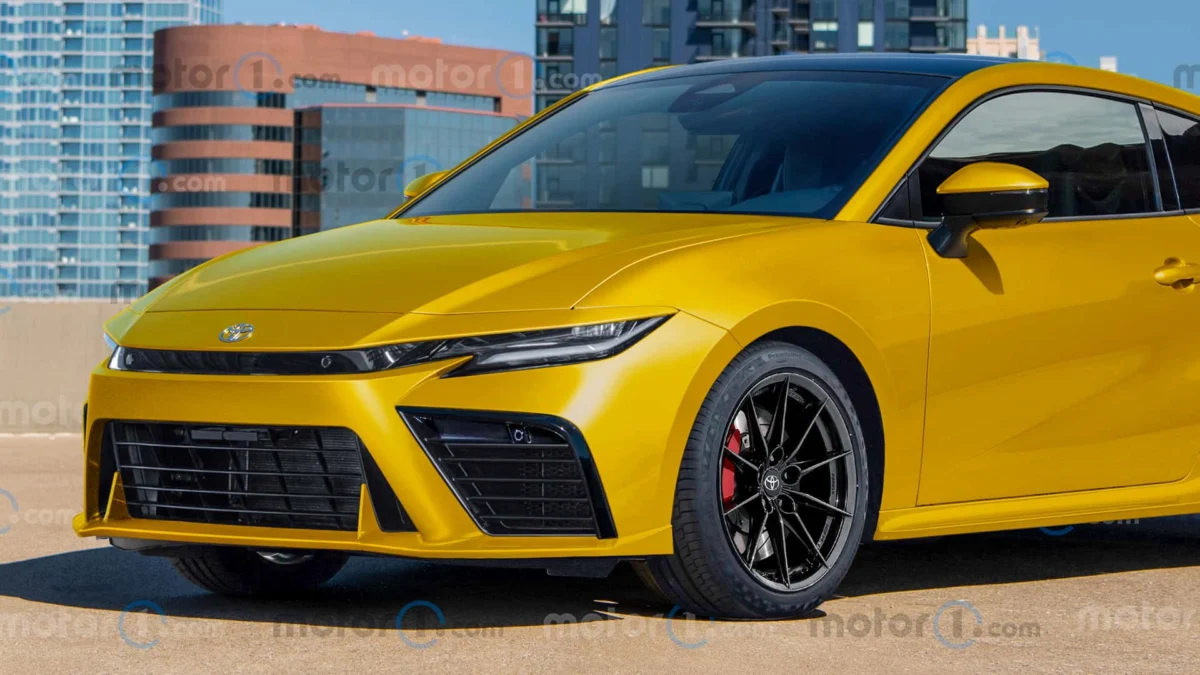
The prototype showcased in the Fuji Speedway video presents a much more refined aesthetic compared to earlier prototypes observed testing on rally stages a few months prior. The vehicle is unmistakably a two-door coupe, featuring sharp, downward-sweeping headlights and a prominent hood vent. The design of the taillights also aligns closely with Toyota’s current styling language, hinting at a cohesive design direction. While definitive engine placement remains speculative based solely on the video, the mid-engined configuration is the prevailing theory for this new performance machine, fueling speculation that it could herald the return of the iconic Celica nameplate, or potentially revive the MR2 moniker.
This potential successor to beloved performance models has been the subject of intense automotive industry speculation for some time. The allure of a modern, all-wheel-drive sports car from Toyota, particularly one with a mid-engine layout, taps into a deep well of enthusiast desire for engaging driving dynamics and cutting-edge engineering. The fact that the prototype is being tested at a world-renowned circuit like Fuji Speedway underscores Toyota’s commitment to developing a serious performance contender.
Powertrain and Performance Aspirations
Industry insiders and automotive publications have been circulating details about the potential powertrain for this new sports car. The prevailing rumor suggests it will be powered by Toyota’s new turbocharged 2.0-liter four-cylinder engine. This engine, already proving its mettle in other GR (Gazoo Racing) models, is expected to be tuned for high performance. The all-wheel-drive system is a crucial element, promising enhanced traction and agility, particularly when combined with the anticipated power output.
The performance targets for this vehicle are ambitious, with reports suggesting the road-going version could produce around 400 horsepower. Furthermore, whispers of an even more potent variant featuring a larger turbocharger could push that figure closer to an impressive 600 horsepower. The potential for electrification is also being discussed, which could further boost performance and contribute to improved efficiency. Such power figures would place this Toyota squarely in the competitive arena of high-performance sports cars.
The GR Brand and Market Positioning
A significant aspect of this new sports car’s development is its potential association with Toyota’s Gazoo Racing (GR) brand. There is a growing sentiment that Toyota aims to elevate GR beyond a mere performance division to a distinct, standalone performance brand. This strategic move could see vehicles bearing the GR badge gain a more exclusive identity, mirroring the success of performance sub-brands from other major automakers.
The decision to potentially market this vehicle under the GR banner, or even as a standalone GR model, would signify a bold new direction for Toyota’s performance offerings. It suggests a commitment to building a dedicated following for its performance vehicles, fostering a sense of prestige and exclusivity. The implications for the broader automotive market are significant, as it signals Toyota’s intent to compete at the highest echelons of performance car manufacturing.
A Nod to Motorsport Heritage
The potential for a World Rally Championship (WRC) spec version of this car to debut before the production model is also an intriguing prospect. Toyota has a rich and storied history in motorsport, including a dominant presence in WRC. A rally-focused variant would not only serve as a powerful marketing tool but also allow Toyota to leverage its extensive experience in developing robust and high-performance vehicles for extreme conditions. This connection to motorsport heritage would undoubtedly resonate with enthusiasts and further solidify the car’s performance credentials.
If development proceeds as anticipated, the production version of this groundbreaking sports car could be unveiled as early as 2027. This timeline aligns with the typical development cycles for new automotive models and suggests that Toyota is on track to bring this highly anticipated vehicle to market. The anticipation surrounding its debut is palpable within the automotive community, with many eager to see if it lives up to the considerable hype.
Analysis and Implications
The emergence of this mid-engined, all-wheel-drive sports car prototype represents a significant strategic move for Toyota. In an era increasingly dominated by SUVs and electrification, the development of a pure sports car demonstrates Toyota’s commitment to its performance heritage and its willingness to cater to a segment of the market that values driving pleasure and dynamic capability above all else.
The potential revival of the Celica or MR2 nameplates carries considerable nostalgic weight for automotive enthusiasts. Both models have a strong legacy, and a modern interpretation, infused with Toyota’s latest performance technology, could recapture the magic of their predecessors while appealing to a new generation of drivers. The success of this venture will hinge on its ability to deliver a compelling driving experience, competitive performance, and a design that resonates with enthusiasts.
Furthermore, the elevation of the GR brand could have a profound impact on Toyota’s overall market perception. By establishing Gazoo Racing as a distinct performance marque, Toyota can cultivate a stronger emotional connection with consumers who prioritize performance and sportiness. This strategy could attract new customers and further enhance Toyota’s reputation as a manufacturer capable of producing not only reliable and practical vehicles but also exhilarating driving machines.
The inclusion of potential electrification hints at Toyota’s forward-thinking approach to performance. Integrating hybrid or electric powertrain components could offer a potent combination of power, efficiency, and torque, aligning the vehicle with future emissions regulations and evolving consumer expectations. This blend of traditional internal combustion engine performance with advanced electrification could position the car as a leader in its segment, offering a glimpse into the future of sports car development.
The automotive landscape is constantly shifting, and Toyota’s investment in this new sports car signals a continued dedication to innovation and performance. The coming years will be crucial in observing the final development stages and the eventual unveiling of this exciting new model, which promises to reignite passion for driving and reinforce Toyota’s position as a formidable player in the global automotive market. The world will be watching closely to see if this rumored successor can indeed carry the torch of its iconic predecessors and carve out its own legendary status.
Motor1’s Take: If this vehicle indeed marks the return of the Toyota Celica, the automotive world has every reason to be intrigued. The visual cues, the audible exhaust notes, and the performance-oriented specifications all point towards an exciting new contender in the sports car segment. The prospect of a mid-engined, all-wheel-drive machine with substantial horsepower, potentially bearing the GR insignia, is a compelling one that promises a thrilling driving experience.