Apple is set to significantly broaden its footprint in the consumer electronics landscape as it prepares to launch a comprehensive home security and monitoring service by 2027. This strategic shift, detailed in a recent report by Bloomberg’s Mark Gurman, signals a departure from Apple’s historical reliance on third-party hardware integration, moving instead toward a unified, proprietary ecosystem that emphasizes user privacy while expanding the company’s lucrative services sector.
The proposed initiative is part of a wider, multi-year overhaul of Apple’s smart home portfolio. Following years of relatively stagnant development in the HomeKit and Home app space, the company is positioning itself to challenge established industry leaders such as Amazon’s Ring, Google’s Nest, and ADT. By integrating a dedicated security subscription model, Apple aims to leverage its reputation for end-to-end encryption to address the growing consumer anxiety surrounding the data privacy of smart home devices.
A New Paradigm in Home Monitoring
Central to this 2027 roadmap is the development of an advanced, privacy-centric home security sensor. Unlike traditional security cameras that rely on continuous cloud-based video streaming—a process that often raises red flags among privacy advocates—Apple’s proposed device intends to utilize on-device artificial intelligence. The objective is to monitor the surrounding environment and recognize individuals or movements without the necessity of storing or transmitting raw video footage to a central server.
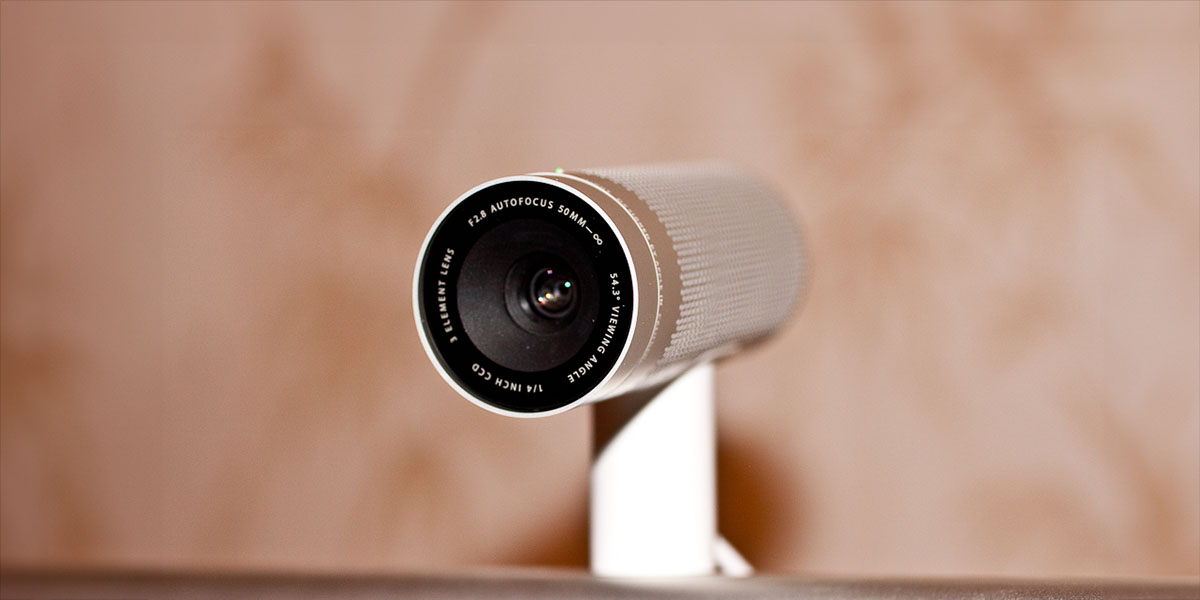
This shift toward "privacy-by-design" is a deliberate marketing and technical differentiator. By processing data locally via the Neural Engine found in Apple’s proprietary silicon, the device can provide security alerts while ensuring that sensitive visual data never leaves the home. The integration of this hardware into a subscription-based monitoring service suggests that Apple is looking to provide professional oversight or enhanced emergency response features that are currently absent from its existing hardware ecosystem.
The Chronology of Apple’s Home Strategy
Apple’s journey toward becoming a central player in the smart home sector has been iterative and occasionally fragmented. To understand the significance of the 2027 roadmap, one must look at the timeline of the company’s home-focused efforts:
- 2014: Apple announces HomeKit, a framework designed to allow users to control smart home products using Apple devices. It was largely seen as a software-first approach that lacked a unified hardware hub.
- 2018: The company shifts focus toward tighter hardware integration, pushing the HomePod as the primary control point for the smart home.
- 2023–2024: Apple accelerates the release of updated HomePod mini models and revamps the Home app interface, signaling a renewed internal focus on the "Smart Home" as a pillar of its growth strategy.
- 2026: Apple initiates a wide-ranging overhaul of its hardware lineup, including new iterations of the Apple TV 4K and advanced home hub hardware, often referred to as "HomePad."
- 2027 (Projected): The official launch of the privacy-centric home security sensor and the accompanying professional monitoring service.
This progression demonstrates a transition from a software-based aggregator to a full-stack hardware and services provider. By controlling both the sensor and the cloud service, Apple can ensure a level of interoperability and security that current third-party integrations often struggle to maintain.
Market Context and Economic Implications
The global smart home security market is projected to reach unprecedented valuations by the end of the decade. According to market analysis from firms such as Statista and Mordor Intelligence, the demand for integrated home monitoring is growing at a compound annual growth rate (CAGR) of over 10%. As consumers increasingly invest in connected doorbells, smart locks, and environmental sensors, the demand for a unified "peace of mind" subscription—one that handles alerts and dispatch services—has become a standard expectation.
For Apple, the financial logic is clear. With the hardware market becoming increasingly saturated, the company has pivoted toward "Services" as its primary revenue engine. By introducing a subscription-based home security tier, Apple can effectively increase the "stickiness" of its ecosystem. The potential inclusion of this service into the Apple One bundle—which already includes Apple Music, iCloud+, Apple TV+, and Apple Arcade—could provide an irresistible value proposition for existing users. This would not only generate recurring revenue but also create significant barriers to exit for users who have integrated their security infrastructure into the Apple ecosystem.
Technological Hurdles and Privacy Concerns
Despite the optimism surrounding the 2027 launch, the company faces significant technical challenges. Developing AI that can accurately identify threats or authorized residents without processing raw video requires a massive leap in local edge computing. If the system is to remain truly private, the "intelligence" of the camera must be robust enough to avoid false positives—such as a pet being misidentified as an intruder—without offloading that processing to a data center.
Furthermore, industry observers point out that the professional monitoring market is highly regulated. To offer a service that includes emergency dispatch (police, fire, or medical), Apple will likely need to partner with existing security monitoring infrastructure or build its own monitoring centers. This requires compliance with local municipal ordinances and state-level regulations, a complex legal hurdle that Apple has yet to navigate on a global scale.
Potential Reactions and Competitive Landscape
The news of a dedicated Apple security service has already prompted reactions from competitors. Companies like Amazon (Ring) and Google (Nest) have long relied on the integration of their hardware with subscription services to maintain market share. However, both have faced intense public and regulatory scrutiny regarding data privacy and police access to footage.

Apple’s entry into this space, characterized by a "privacy-first" narrative, serves as a direct critique of its competitors’ business models. By positioning itself as the "secure" alternative, Apple is likely to attract users who have been hesitant to install smart cameras due to privacy concerns. Analysts suggest that if Apple succeeds, it could force a market-wide shift in how smart home devices handle data, potentially compelling competitors to adopt more stringent local-processing standards.
Broader Impact on the Smart Home Ecosystem
The broader implication of this move is that the "Smart Home" is no longer a peripheral hobby for tech enthusiasts but a core utility for the average consumer. By integrating security into the Apple ecosystem, the company is betting that the home will become the next frontier of personal computing.
The hardware that accompanies this service—the rumored new HomePad devices and updated Apple TV units—will likely act as the "brain" of the home. These devices will coordinate the security sensors, manage home automation routines, and interface with the new monitoring service. This creates a closed-loop system where the hardware is optimized for the service, and the service is optimized for the hardware.
For the end user, this represents a trade-off. While the system promises to be more secure and integrated than current fragmented setups, it also deepens the user’s reliance on the Apple "walled garden." Those who commit to the Apple home security ecosystem may find it increasingly difficult to migrate to other platforms, effectively locking them into Apple’s hardware and service cycles for the foreseeable future.

Conclusion
As the 2027 timeline approaches, the industry will be watching closely to see how Apple executes this transition. The move represents a significant evolution in Apple’s strategy, moving from a company that provides the tools for users to build their own smart homes to a company that provides a comprehensive, managed environment.
If successful, the new security service will not only provide a new stream of high-margin recurring revenue for Apple but also redefine consumer expectations for privacy in the connected home. The company’s ability to successfully navigate the regulatory complexities of professional monitoring while maintaining its privacy-centric brand promise will determine whether this initiative becomes a cornerstone of the next decade of Apple’s growth or a niche addition to its already extensive product catalog. For now, the roadmap is clear: Apple intends to make the home as secure as it is connected, and they are willing to build both the sensors and the services to make it happen.