Open Home Foundation Announces Community Day 2026: Expanded Scope and Earlier Planning Cycle for Global Smart Home Enthusiasts
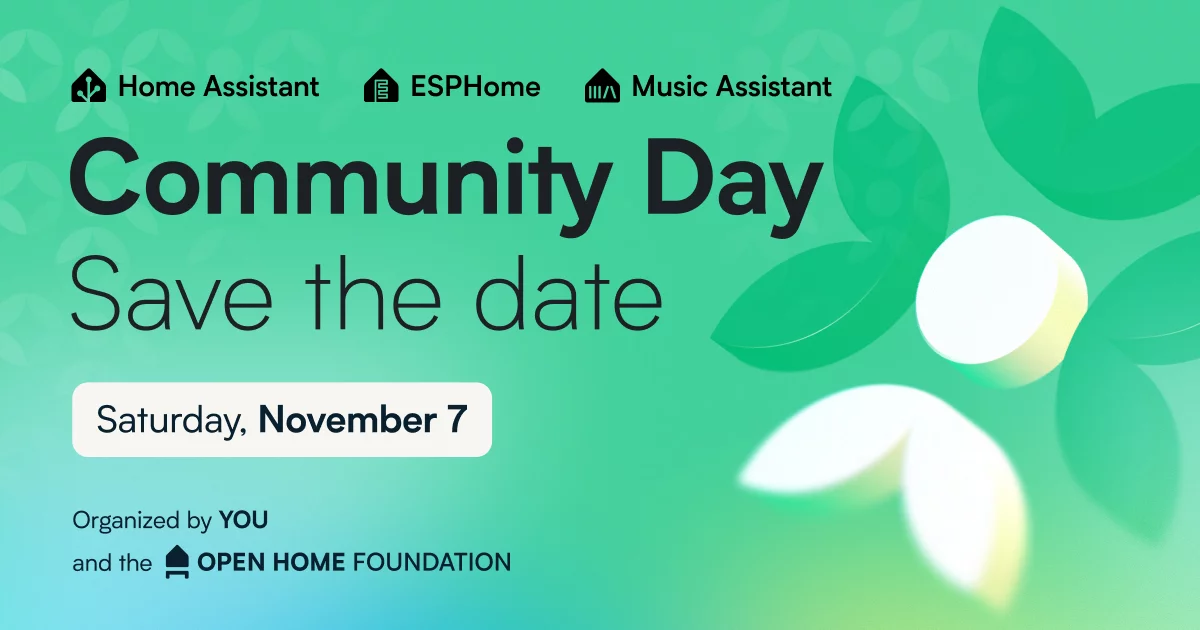
The Open Home Foundation has officially announced that Community Day 2026 will take place globally on Saturday, November 7, 2026. Following the inaugural event held in May 2025, organizers have restructured the upcoming gathering to accommodate an expanded range of open-source smart home projects under the Open Home Foundation umbrella, including Home Assistant, ESPHome, and Music Assistant. This year’s announcement arrives significantly earlier than the previous cycle, a strategic adjustment designed to provide local meetup organizers with extended lead times for venue procurement, community outreach, and logistical planning.
The decision to advance the planning timeline is a direct response to comprehensive post-event evaluations conducted after the May 2025 gathering. While the inaugural Home Assistant Community Day was widely regarded as a watershed moment for the open-source automation community—drawing packed attendance across multiple international venues—organizers identified critical friction points related to scheduling windows. By giving regional coordinators more than a year of advance notice, the foundation aims to mitigate venue scarcity, streamline regional holiday conflict management, and elevate the overall quality of local events.
Broadening Horizons Across the Open Home Ecosystem
A primary distinction between the 2025 event and the upcoming 2026 iteration is the formal shift in governance and branding. While the initial event focused predominantly on Home Assistant, the 2026 edition is officially hosted under the broader banner of the Open Home Foundation. Founded to protect, sustain, and guide privacy-first, open-source smart home technologies, the foundation oversees a diverse ecosystem of software and hardware projects.
By expanding the mandate of Community Day, enthusiasts and contributors of projects such as ESPHome and Music Assistant now possess an official platform to organize localized meetups, hackathons, and workshops. This evolution reflects the maturation of the open-source smart home movement, transitioning from isolated project communities into a unified, collaborative ecosystem centered on digital sovereignty, local control, and data privacy.
Logistical Enhancements and Organizer Support Frameworks
Recognizing that the success of decentralized global events relies heavily on the dedication of local volunteers, the Open Home Foundation has rolled out a comprehensive support infrastructure for Community Day 2026. Learning from the administrative bottlenecks of the previous year, the foundation is introducing several key operational upgrades:
- Dynamic Global Web Portal: Unlike the static pages used previously, the foundation will deploy a dedicated, dynamically updating website synchronized with the Luma event management calendar. As local chapters register their events, the central portal will automatically reflect updated schedules, locations, and registration details.
- Standardized Reimbursement Guidelines: To alleviate the financial burden on community leaders, the foundation has established formal, transparent reimbursement pathways for approved meetup expenses, venue rentals, and foundational logistics.
- Expanded Merchandising and Resource Kits: Registered hosts will gain access to a dedicated merchandise request form, ensuring that localized meetups are equipped with official branding, promotional materials, and swag for attendees.
- The Host Playbook: Drawing on institutional knowledge gathered from the 2025 coordination effort, a standardized Host Playbook will be published in September 2026. This guide will provide actionable frameworks for venue selection, safety compliance, presentation curation, and attendee engagement.
Furthermore, organizers have established dedicated communication channels within the community Discord server. Returning hosts from the 2025 event are currently being cataloged and assigned specialized roles to facilitate mentorship and peer-to-peer support for first-time organizers.
Visual Identity and Symbolic Design Choices
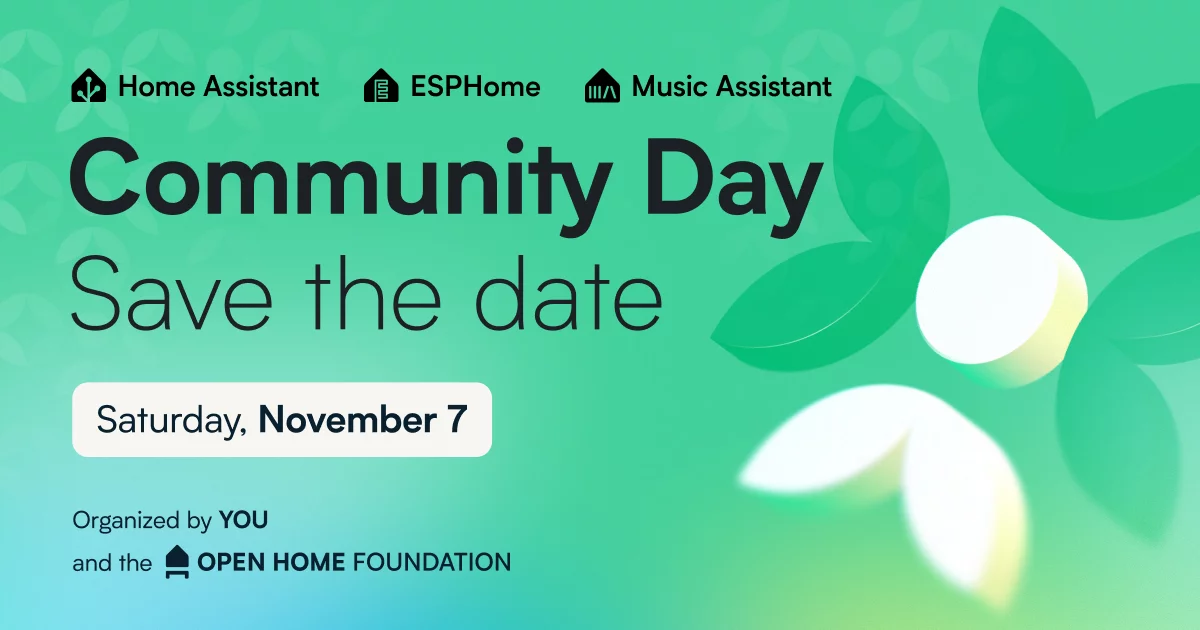
In tandem with the structural changes, the Open Home Foundation has commissioned its graphic design teams to overhaul the visual identity of Community Day 2026. The updated color palette is drawn directly from the foundation’s core brand guidelines, specifically highlighting the thematic pillar of sustainability.
Foundation representatives noted a deliberate, albeit lighthearted, thematic connection: just as environmental sustainability preserves natural ecosystems, the continuous engagement and dedication of the user community sustain the open-source foundation itself. The new visual assets, banners, digital badges, and promotional templates will be made publicly available to all hosts upon the formal opening of the event website.
Chronology and Upcoming Milestones
The path toward Community Day 2026 follows a structured timeline designed to balance global visibility with meticulous local execution. Following the initial save-the-date announcement, the next major operational phase will occur in early September 2026, immediately following the foundation’s scheduled presence at IFA Berlin.
During the September rollout, organizers can expect the launch of the dedicated event website, the release of the complete graphic asset library, and the opening of official event submissions via the Luma platform. This phased approach ensures that international chapters have nearly two full months to market their local gatherings, secure sponsorships, and finalize attendee capacities.
Broader Implications for the Open-Source Smart Home Market
The institutionalization of Community Day as an annual global fixture underscores the rapid commercial and cultural growth of the open-source smart home sector. In an era dominated by proprietary ecosystems, cloud-dependent architectures, and shifting subscription models, the Open Home Foundation champions local processing, interoperability, and user privacy.
Industry analysts observe that decentralized, community-driven events serve as vital barometers for the health of open-source software. By fostering face-to-face interactions among developers, integrators, and end-users, events like Community Day accelerate troubleshooting, inspire hardware innovations, and lower the technical barriers to entry for mainstream consumers looking to transition away from closed smart home ecosystems.
As planning accelerates toward November 2026, the global open-source community prepares for what is projected to be its largest synchronized gathering to date, reinforcing the foundational principle that the future of home automation belongs to its users.

Related News