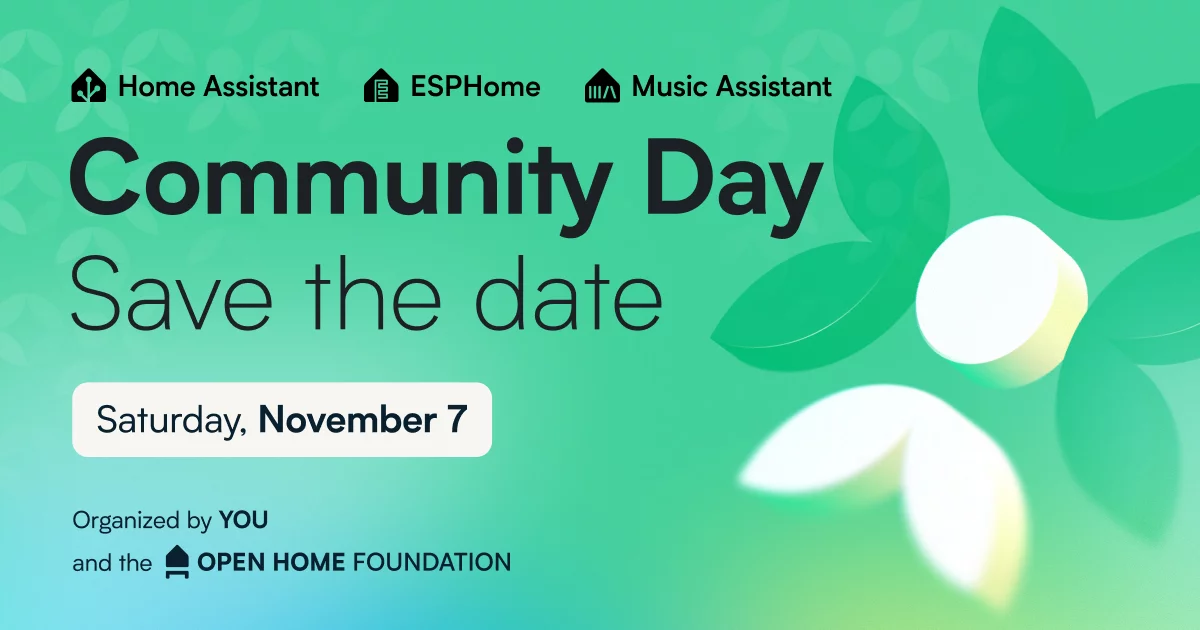










The Open Home Foundation and the development team behind Home Assistant, one of the world’s most popular open-source home automation platforms, have officially launched the return of their biannual user-feedback initiative. Throughout the entire month of November, the platform is hosting the Month of "What the Heck?!" event, encouraging users globally to submit their most persistent usability frustrations, system complexities, and everyday annoyances. This year’s campaign marks a strategic pivot toward inclusivity, specifically inviting non-technical individuals, casual participants, and co-habitants who live within automated environments but do not actively manage the underlying technology.
Background Context and Evolution of Home Assistant
Since its inception, Home Assistant has evolved from a niche hobbyist project into a comprehensive smart home ecosystem capable of rivaling proprietary platforms like Apple HomeKit, Google Home, and Amazon Alexa. Running locally on hardware such as a Raspberry Pi or dedicated mini-PC, the platform prides itself on data privacy, local control, and compatibility with thousands of disparate smart devices across hundreds of brands.
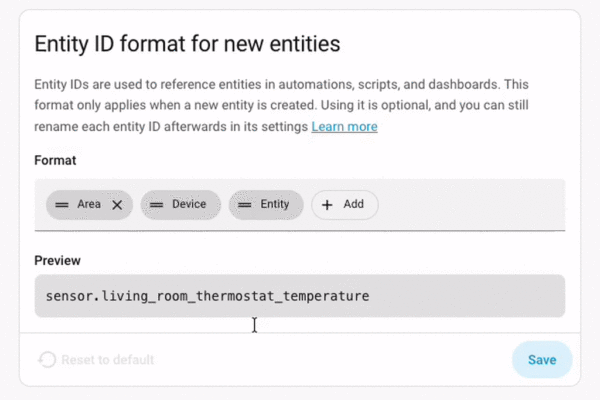
However, this immense flexibility has historically come at the cost of a steep learning curve. Historically, configuring and maintaining the platform required varying degrees of technical literacy, ranging from understanding entity IDs and device states to manually writing configuration files in YAML. While core developers and power users thrived on this deep level of customizability, everyday family members sharing the living space often encountered barriers that transformed home automation from a convenience into a source of friction.
Recognizing these systemic challenges, the Open Home Foundation—which oversees the governance and financial backing of the Home Assistant project—has increasingly prioritized accessibility. The overarching philosophy driving recent updates is that a truly smart home should not merely serve the administrator who builds it, but should remain intuitively approachable for every resident inside the dwelling.
The Genesis of the Initiative: Bridging the Admin-User Gap
The inspiration for targeting everyday usability often stems from the very developers who build the platform. Even senior engineers and maintainers frequently discover operational blind spots within their own domestic environments. A prominent recent example highlighted by the development team involved basic profile picture management. Prior to the release of Home Assistant 2026.10, individual users lacked the native permissions to update their own profile avatars directly from their user dashboard. Instead, administrative privileges were strictly required, forcing family members to rely on the household system administrator to change a simple profile image.
The implementation of a streamlined, self-service profile page in October 2026 eliminated this minor yet persistent administrative bottleneck, instantly empowering household members—such as teenage children—to customize their personal presence within the application. Although seemingly trivial in the broader architecture of an advanced automation server, such changes profoundly impact user sentiment and psychological ownership of the system. The Month of "What the Heck?!" is explicitly designed to unearth hundreds of similar overlooked friction points that collectively degrade the user experience.
Chronology and Operational Framework of the Event
The "What the Heck?!" initiative operates on a structured, time-limited basis every two years. This biennial cadence ensures that the development team captures an accurate snapshot of the current technological landscape, allowing sufficient time for architectural shifts, mobile application updates, and evolving consumer hardware standards to mature.
- Submission Phase (November): For thirty days, a dedicated category is opened on the official Home Assistant community forum. Users are instructed to file individual topics detailing specific pain points rather than grouping multiple complaints into a single thread. This granularity facilitates targeted discussions, voting metrics, and direct community troubleshooting.
- Community and Contributor Triage: Throughout November, open-source contributors, core developers, and community moderators actively monitor the incoming threads. Historical precedent demonstrates that agile contributors frequently identify and resolve straightforward usability bugs while the event is still ongoing, deploying fixes directly into upcoming software patches.
- Strategic Roadmap Integration: For more complex architectural challenges reported during the event, the collected data serves as qualitative market research. The development leadership analyzes the aggregated feedback to prioritize features, refine interface design guidelines, and shape the overarching software roadmap for the subsequent calendar year.
Inclusivity Mandate: Engaging Non-Technical Co-Habitants
A primary differentiator for the 2026 iteration of the event is its explicit outreach to non-technical stakeholders. In previous years, the forum discussions were predominantly driven by experienced tinkerers, software engineers, and automation enthusiasts. While this demographic remains vital to the platform’s health, their technical fluency often blinds them to systemic UX design flaws.
To counter this, the project organizers have issued a directive for primary system administrators to conduct internal audits within their households. Rather than asking superficial questions about whether the system functions, maintainers are encouraged to interview co-habitants about moments of confusion, unexpected automation behaviors, or missing interface features. By translating these domestic interviews into forum submissions—preferably using the exact vocabulary of the non-technical resident—the community aims to capture genuine usability data that raw telemetry and developer intuition cannot provide.
Guidelines for Participation and Scope
To maintain clarity and productivity across the community forum, the organizing team established clear parameters for submissions:
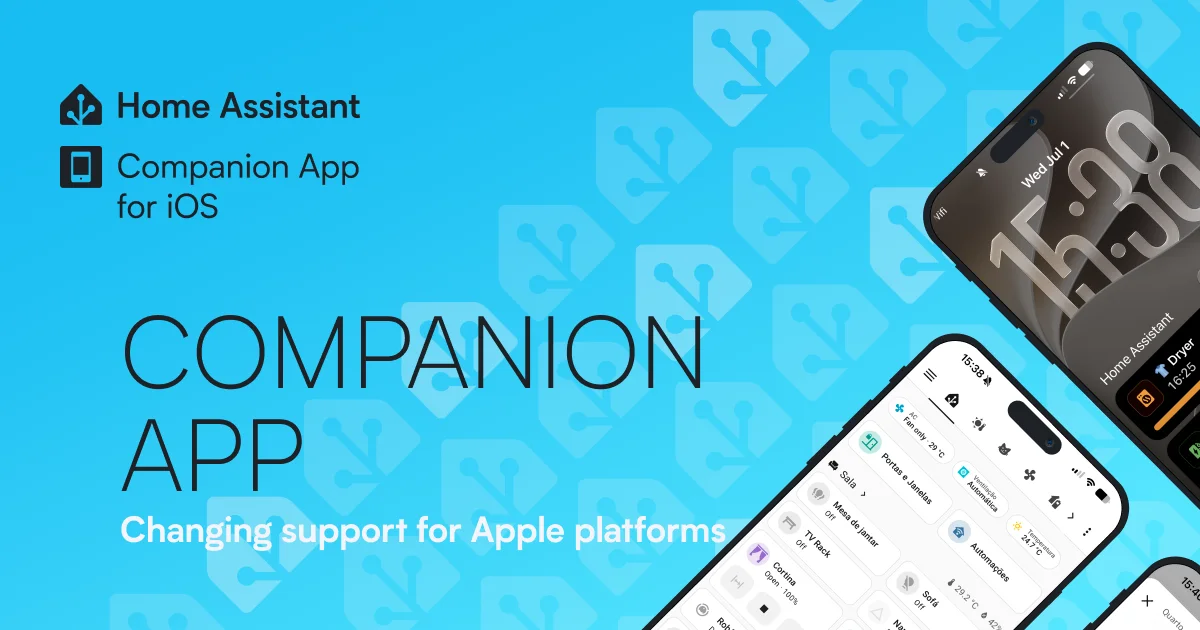
- Scope: Valid submissions encompass any component of the ecosystem, including the core backend platform, the web user interface, official mobile companion applications (iOS and Android), official documentation, and the broader installation process.
- Exclusions: The event is strictly partitioned away from hardware feature requests, third-party integration requests (which belong on GitHub discussions or dedicated community channels), and complex code-level bug reports better suited for the platform’s official GitHub issue trackers.
- Language Accessibility: Recognizing the global footprint of the user base, non-native English speakers are encouraged to participate utilizing translation tools, provided they append their original language text within a collapsible forum block to preserve context and nuance.
- Democratic Metrics: While community voting metrics highlight widespread friction points, organizers explicitly emphasize that the initiative is not a popularity contest. Votes quantify the prevalence of a given issue but do not constitute an automated guarantee of implementation.
Implications for the Smart Home Industry
The continuation of structured, large-scale user feedback campaigns highlights a maturing philosophy within the open-source hardware and software sectors. As consumer expectations shift toward plug-and-play reliability, platforms that originated in enthusiast communities must intentionally bridge the gap between technical complexity and consumer-grade usability.
By actively harvesting the frustrations of non-technical household members, Home Assistant aims to reduce the rate of automation abandonment—a common industry phenomenon where smart home devices are either unplugged or bypassed due to overly complex controls. The insights gathered during the November 2026 event will directly influence the platform’s trajectory, establishing a benchmark for how decentralized, community-driven software development can scale its user base without alienating its foundational contributors.