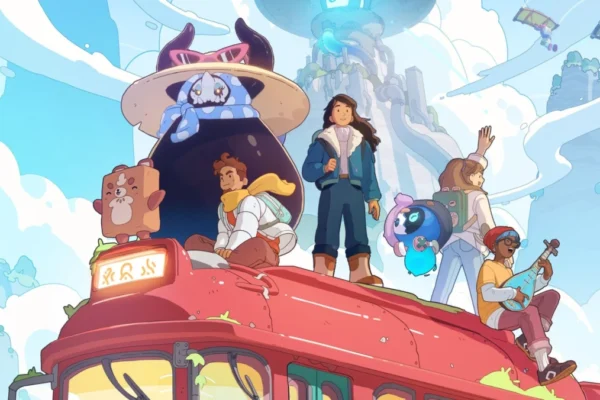









The contemporary video game landscape has experienced a profound saturation of island-management and social simulation titles, a trend significantly accelerated by the massive cultural and economic success of Nintendo’s Animal Crossing: New Horizons during the global lockdowns of 2020. Major publishers and independent developers alike have sought to capture this enduring audience through various iterations, ranging from mobile-first gacha simulations to expansive multi-platform virtual worlds. Among the most notable new entrants is HoYoverse, the globally recognized studio behind major action role-playing hits like Genshin Impact and Honkai: Star Rail. With the launch of the second beta test for its upcoming title, Petit Planet, HoYoverse is officially staking a claim in the lucrative cozy game market, trading the traditional pastoral tropics of its predecessors for a whimsical, cosmic science-fantasy setting.
Background and Context of the Project
HoYoverse, originally known as miHoYo, has built its reputation primarily on high-budget, live-service action role-playing games featuring intricate combat systems and monetization structures built around gacha mechanics. However, the studio has periodically sought to diversify its portfolio into adjacent genres, as seen with the romance detective title Tears of Themis. The conceptual unveiling of Petit Planet several years ago immediately drew widespread comparisons to established heavyweights in the life-simulation genre, most notably Nintendo’s long-running Animal Crossing franchise.

Unlike Genshin Impact, which launched under intense scrutiny regarding its stylistic and mechanical similarities to The Legend of Zelda: Breath of the Wild before carving out a distinct identity through party-based combat and elemental synergy, Petit Planet enters a remarkably crowded marketplace. The current decade has seen the release and announcement of numerous direct competitors, including NetEase’s Heartopia and various other mobile and PC-centric social sims. Despite the saturated market, HoYoverse has made little effort to distance the project from these comparisons, leaning instead into the universal appeal of comfort-driven, low-stress gameplay loops.
Chronology and Development Timeline
The developmental trajectory of Petit Planet has followed a measured path typical of modern live-service titles produced by major Asian studios. Following initial leaks and early concept disclosures approximately two years ago, HoYoverse moved the project through closed developmental milestones before granting public access via targeted playtests.
The title recently entered its second major public evaluation phase with the commencement of the Stardrift Test on April 21. This phase follows a pattern of iterative refinement, allowing the development team to test server stability, core gameplay mechanics, and user interface responsiveness across mobile and PC platforms. Unlike competitors such as Heartopia, which achieved a global commercial release earlier in January, HoYoverse has maintained a cautious stance regarding a definitive global launch window, keeping the official release date undisclosed as feedback from ongoing beta phases is evaluated.

Gameplay Mechanics and Structural Familiarity
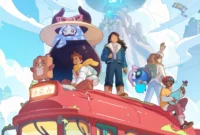
At its core, Petit Planet retains the foundational pillars that have defined the social simulation genre for over two decades. Players arrive on a compact, spherical celestial body—a literal small planet floating in space—where they are tasked with gathering natural resources, cultivating crops, catching fish and insects, and interacting with a cast of anthropomorphic animal neighbors.
While the aesthetic presentation substitutes a tropical island or rural village with a colorful, pastel-toned outer space backdrop, the minute-to-minute gameplay loop closely mirrors established genre conventions. Players shake trees for materials, deliver specimens to museum-like collection points managed by dedicated non-player characters, and oversee the architectural expansion of their settlements.
Critics and beta participants have noted that while the execution is polished and mechanically sound, the title struggles to introduce genuinely novel concepts to a formula well-explored by both Nintendo’s franchise and independent successes like Stardew Valley. The challenge for HoYoverse lies in maintaining player retention among an audience that is often already deeply invested in long-running simulation islands spanning hundreds of hours.

Integration of Generative Artificial Intelligence
A notable point of discussion surrounding the development of Petit Planet is HoYoverse’s implementation of generative artificial intelligence tools. While many major technology and entertainment corporations maintain ambiguity regarding their use of synthetic media, HoYoverse has opted for transparency within the beta build, explicitly flagging content and systems assisted by generative AI.
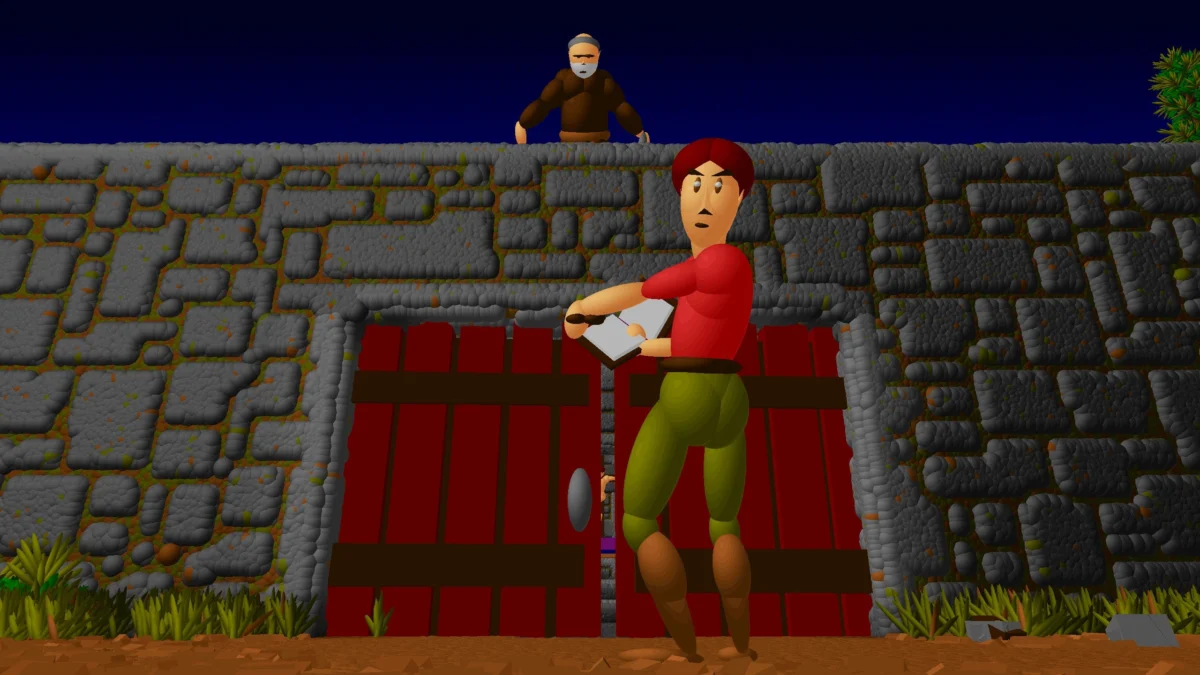
The inclusion of generative technology has primarily manifested in NPC dialogue systems, enabling real-time conversational interactions. However, early user feedback indicates that these implementations currently yield conversational depth comparable to pioneering artificial intelligence experiments from decades past, such as the 2005 independent title Façade.
This transparency has sparked broader industry debates. Critics and labor advocates have raised concerns regarding the environmental impact, economic implications, and potential displacement of human writers and artists within the gaming sector. Conversely, proponents suggest that integrating small language models (SLMs) trained on proprietary in-house data represents an inevitable operational efficiency for live-service developers managing vast quantities of recurring text and character interactions.

Monetization Strategies and Target Demographic Analysis
One of the most significant analytical talking points arising from the current beta test is the noticeable absence of traditional gacha mechanics. Historically, HoYoverse has relied heavily on randomized, loot-box-style monetization across its entire active catalog, including Genshin Impact, Honkai: Star Rail, and Zenless Zone Zero.
Throughout the early hours of the Petit Planet Stardrift Test, players have observed structural hints pointing toward a traditional seasonal battle pass or cosmetic subscription model rather than character- or weapon-acquisition gacha systems. Industry analysts speculate that this pivot may be a deliberate strategic decision to appeal to a younger demographic and their supervising parents.
Petit Planet is explicitly marketed toward a family-friendly audience, representing a departure from the teen- and adult-oriented player bases traditionally targeted by the publisher. While the presence of a major live-service publisher entering the children’s entertainment space naturally generates scrutiny regarding consumer protection and digital microtransactions, the absence of aggressive randomized monetization in the beta phase suggests a potential shift toward a more palatable, predictable revenue model.

Broader Market Impact and Strategic Implications
The introduction of Petit Planet serves as a significant indicator of market trends within the interactive entertainment industry. As the line between traditional gaming platforms and mobile ecosystems continues to blur, major developers are increasingly seeking to capture casual, non-combative gaming audiences.
The success of Petit Planet will likely not depend on reinventing the social simulation genre, but rather on leveraging HoYoverse’s considerable production values, cross-platform optimization capabilities, and established global community infrastructure. By providing a low-friction, visually appealing virtual space, the title aims to carve out a sustainable niche alongside established juggernauts.
Ultimately, while Petit Planet may not fundamentally alter the mechanics of virtual life sims, its existence underscores the enduring viability of comfort-driven gaming and the ongoing expansion of major publishing houses into diverse genre spaces. As development continues past the Stardrift Test, industry observers will closely monitor how HoYoverse balances its technological ambitions—particularly regarding generative AI—with the delicate expectations of a community seeking relaxation and creative expression.