









The Core Gameplay Loop and Social Mechanics
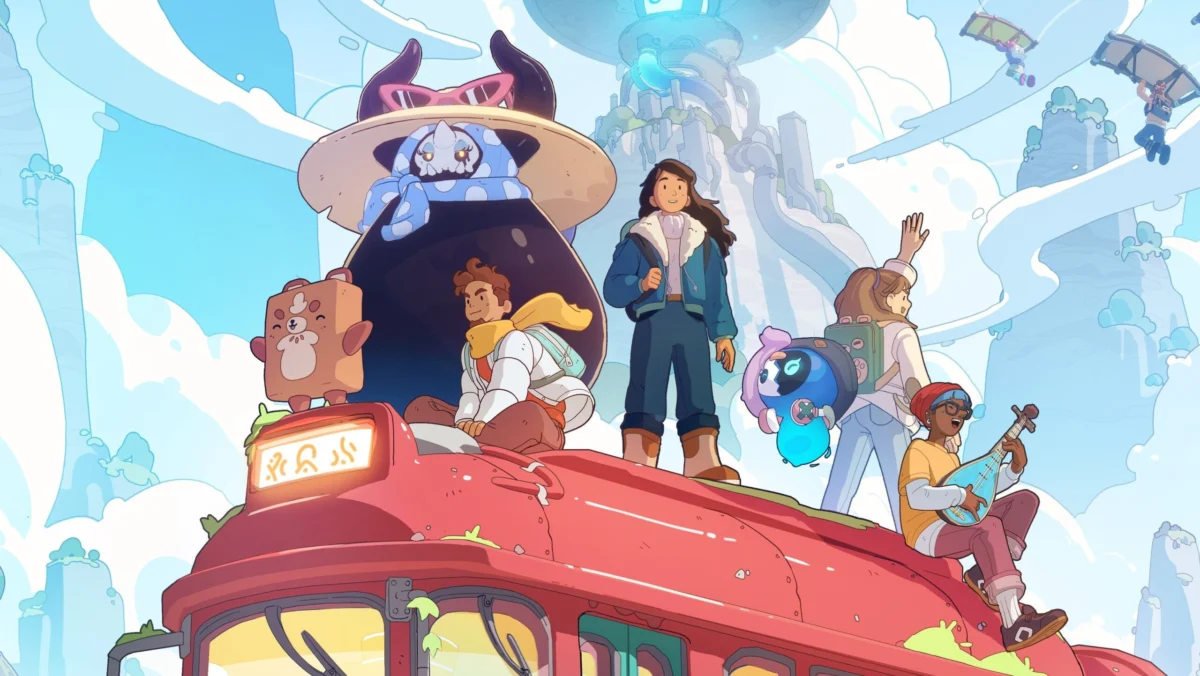
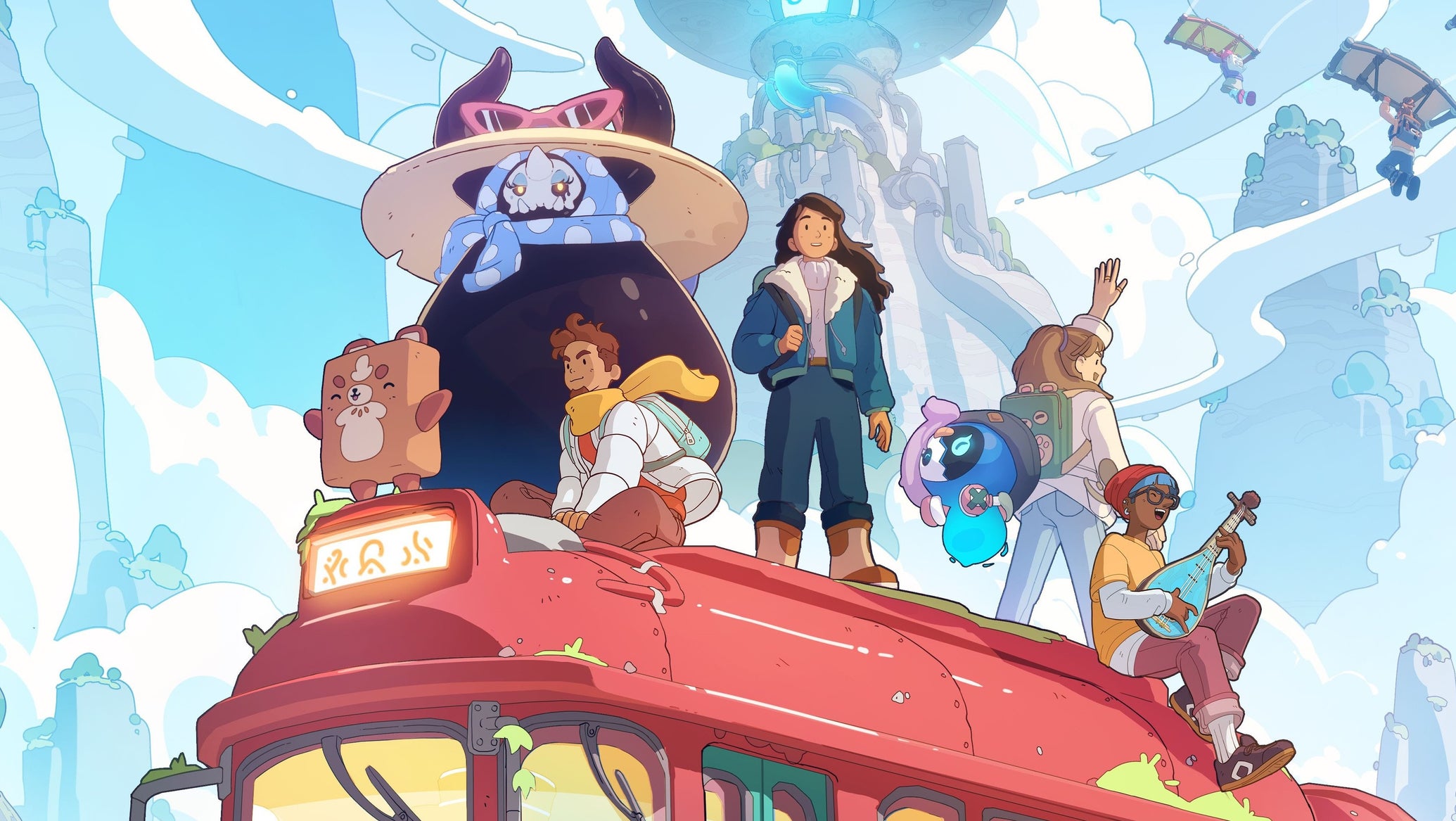
At its heart, Spirit Crossing presents a sprawling, celestial environment filled with magical fauna and gravity-defying, layer-cake mountains. The game’s most distinctive feature is its approach to social presence. By default, all players appear as nondescript, shadowy silhouettes to one another. This "shadow state" serves as a privacy filter, preventing unwanted communication or unsolicited intrusion. In this state, the world feels vast and solitary, allowing for personal contemplation or quiet observation of the environment without the social pressure often found in massively multiplayer online (MMO) games.
The transition from a silent observer to an active participant occurs through a specific, player-initiated social gesture: the high five. When two players choose to interact and perform this action, the "shadow" veil is lifted. The players are rendered in full color, and their audio-visual communication channels are opened. This system ensures that social connection is deliberate and mutual. Once connected, players can engage in a variety of collaborative activities, including fishing, musical performance, group photography, and navigating the world on inflated yaks.
The game shifts the focus away from traditional high-stakes combat or competitive achievement. Instead, it prioritizes "cozy" gameplay loops—material gathering, crafting, and healing spirits—that act as catalysts for companionship. Even when environmental challenges arise, such as recurring storms that increase the atmospheric tension, the game design remains rooted in shared experience rather than competitive success.
Developmental Context and Spry Fox’s Legacy
Spry Fox, the studio behind Spirit Crossing, has established a significant reputation in the independent gaming sector for its distinct aesthetic and emotionally resonant gameplay. The studio’s portfolio includes the critically acclaimed Cozy Grove, a life-simulation game centered on ghost-hunting and island management, and the cerebral, wintry puzzle game Road Not Taken. Perhaps most iconic is their early hit, Triple Town, a city-building puzzle game that introduced players to the studio’s penchant for combining cute, accessible visuals with deeper, occasionally demanding mechanical underpinnings.
Spirit Crossing represents a continuation of the studio’s design philosophy: creating spaces where the pace is set by the player. By emphasizing "hanging out" over "winning," Spry Fox is leaning into a growing trend of low-stress, social-first gaming experiences. This design choice is intended to combat the toxicity sometimes found in more competitive online environments, providing a "safe harbor" for players who may be overwhelmed by the intensity of traditional multiplayer titles.
Monetization and Business Model
In an era where many multiplayer games rely heavily on aggressive microtransactions and battle passes, Spirit Crossing adopts a hybrid model. The game carries an upfront purchase price, which the developers state grants users full, perpetual access to the core game experience. This is a deliberate effort to signal value to the consumer, ensuring that the primary gameplay loop is not gated behind paywalls.
However, the studio has implemented an optional subscription service. This model provides access to a "limited resource exchange shop" and exclusive cosmetic items. By separating functional gameplay from aesthetic enhancements, Spry Fox aims to balance sustainability with player-friendly monetization. This approach is increasingly common among premium-priced indie games that require long-term server maintenance and ongoing content updates, providing a predictable revenue stream without resorting to pay-to-win mechanics.
AI Disclosure and Industry Transparency
Following the game’s release, discussions emerged regarding the studio’s use of artificial intelligence in the development process. Transparency in game development has become a significant topic of debate, particularly regarding how AI tools are integrated into workflows for art, writing, or programming.
Spry Fox clarified that while they do utilize generative AI tools, these are strictly limited to administrative and efficiency-based tasks. Specifically, the studio confirmed the use of Anthropic’s Claude to assist in editing configuration files. This distinction is critical within the current regulatory climate. Valve, which operates the Steam platform, updated its policies in January to explicitly allow for the use of AI tools in instances where they contribute to "efficiency gains" or background technical tasks, provided they do not generate art or music assets that would infringe upon copyright or replace human creative labor.
Because Spry Fox did not utilize AI for the generation of the game’s visual assets, audio, or narrative script, they were not required to issue a formal disclosure under current Steam guidelines. The studio’s transparency in addressing this on social platforms like Discord and Bluesky has been noted by industry observers as a proactive effort to maintain trust with their community.
Broader Implications for Social Gaming
The emergence of Spirit Crossing highlights a shift in how developers are addressing the "loneliness epidemic" in digital spaces. By implementing a default state of anonymity, the developers are acknowledging the desire for presence without the necessity of interaction. This reflects a growing demand for digital environments that prioritize user agency.
The implications for this type of design are twofold. First, it offers a blueprint for developers seeking to minimize griefing and harassment in online spaces; by making social interaction a choice rather than a default setting, the friction of online socialization is significantly reduced. Second, it highlights the potential for "non-gaming" games, where the primary objective is environmental immersion and spontaneous, low-stakes human connection.
As the industry continues to evolve, the success of titles like Spirit Crossing will likely be measured not just by player count or revenue, but by the quality of the social ecosystem it fosters. The ability to exist as a "shadow"—a silent, unbothered presence—provides a level of autonomy that is rare in the current landscape of hyper-connected, notification-heavy gaming services.
Chronology of Development and Launch
- Initial Concept Phase: Spry Fox explores the mechanics of "social friction" and voluntary connection, focusing on the concept of high-fives as a gateway to social play.
- Development Cycles: Throughout 2023 and early 2024, the studio iterates on the game’s art style, drawing inspiration from the "cozy" movement and exploration-heavy titles.
- Steam Listing and Disclosure: The store page goes live, detailing the game’s scope and the optional subscription model for cosmetics.
- Launch Period: The game enters the public market, receiving immediate attention for its visual fidelity and the unique social-shadow mechanic.
- AI Clarification: Following community inquiries on platforms like Bluesky and Discord, the developers release a statement confirming the use of AI for background config file management, aligning with Valve’s updated platform policies.
Conclusion
Spirit Crossing stands as a testament to the maturation of the "cozy" game genre. It successfully balances the demands of modern live-service maintenance with a design philosophy that prioritizes the comfort and agency of the individual player. Whether a user chooses to engage fully with the community, participating in instrument circles and group hang-gliding, or prefers to remain a silent, shadowy observer, the game accommodates both ends of the spectrum. As the industry moves forward, the lessons learned from Spry Fox’s latest venture—particularly regarding opt-in social mechanics and transparent development practices—are likely to influence future designs in the multiplayer space. The game does not demand the player’s attention or performance; it merely offers a space to exist, whether in the company of others or in the quiet solitude of its beautifully realized skies.