







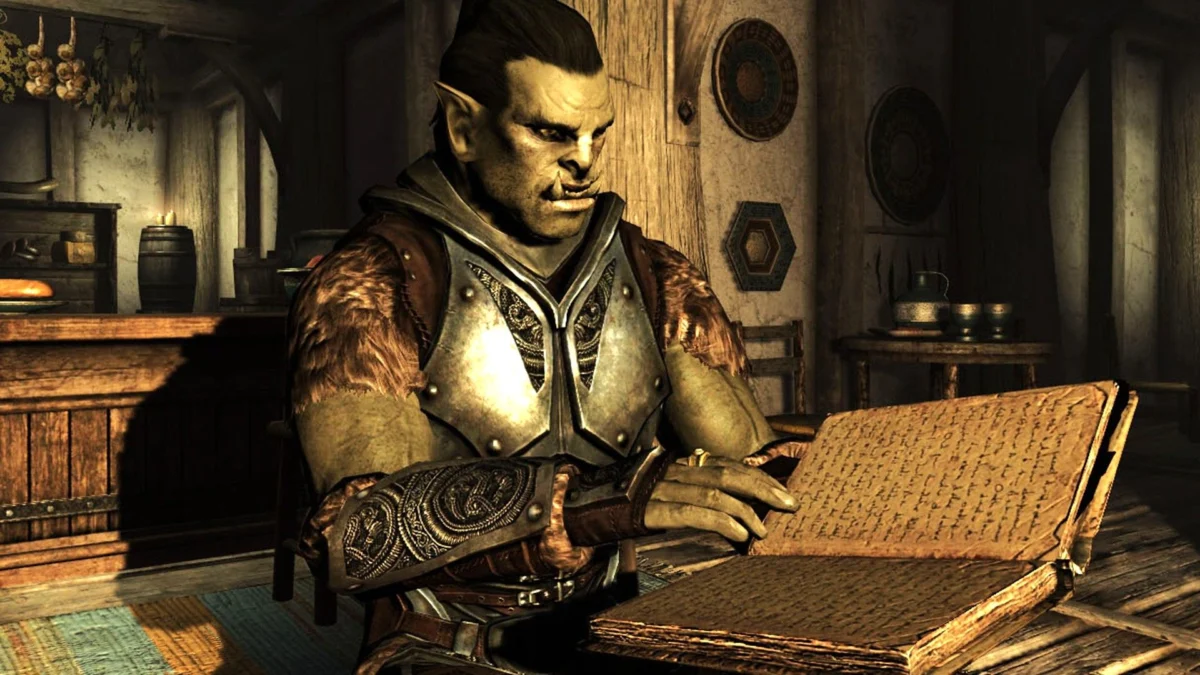
November 11, 2026, serves as a significant date in the history of interactive entertainment, marking exactly 15 years since the global launch of The Elder Scrolls V: Skyrim. Released in 2011, the title fundamentally altered the trajectory of the open-world action RPG genre, setting a benchmark for player freedom and environmental storytelling that remains influential today. While fans of the series had hoped that this milestone might coincide with a reveal regarding the long-anticipated follow-up, The Elder Scrolls 6: Sentinel, Bethesda Game Studios has officially clarified that no such announcement is forthcoming, underscoring the company’s commitment to a deliberate and extended development cycle.
A Legacy of 15 Years
When Bethesda released Skyrim in 2011, it arrived as the fifth mainline entry in the Elder Scrolls series. It quickly became a cultural phenomenon, selling over 30 million copies across its various iterations and platforms. Its longevity is arguably unmatched in the industry, bolstered by a robust modding community, multiple re-releases, and a design philosophy that encouraged players to ignore the main narrative in favor of emergent gameplay.
For a decade and a half, the game has occupied a central position in the gaming lexicon. Its impact extends beyond mere sales figures; it redefined how developers approach quest design, world-scale, and player agency. However, with the passage of time, the community’s focus has naturally shifted from the frozen peaks of Skyrim to the horizon of the next installment, Sentinel.
The Anatomy of a False Alarm
The recent cycle of speculation began with a cryptic message from industry commentator Reece Reilly, host of the Kiwi Talkz podcast. On November 9, 2026, a social media post teased an "awesome announcement" that would be revealed within 48 hours. Given the proximity to Skyrim’s 15th anniversary, the online community—particularly the active subreddit dedicated to the unreleased title—interpreted this as a signal that Bethesda was preparing to break its long-standing silence on the project.
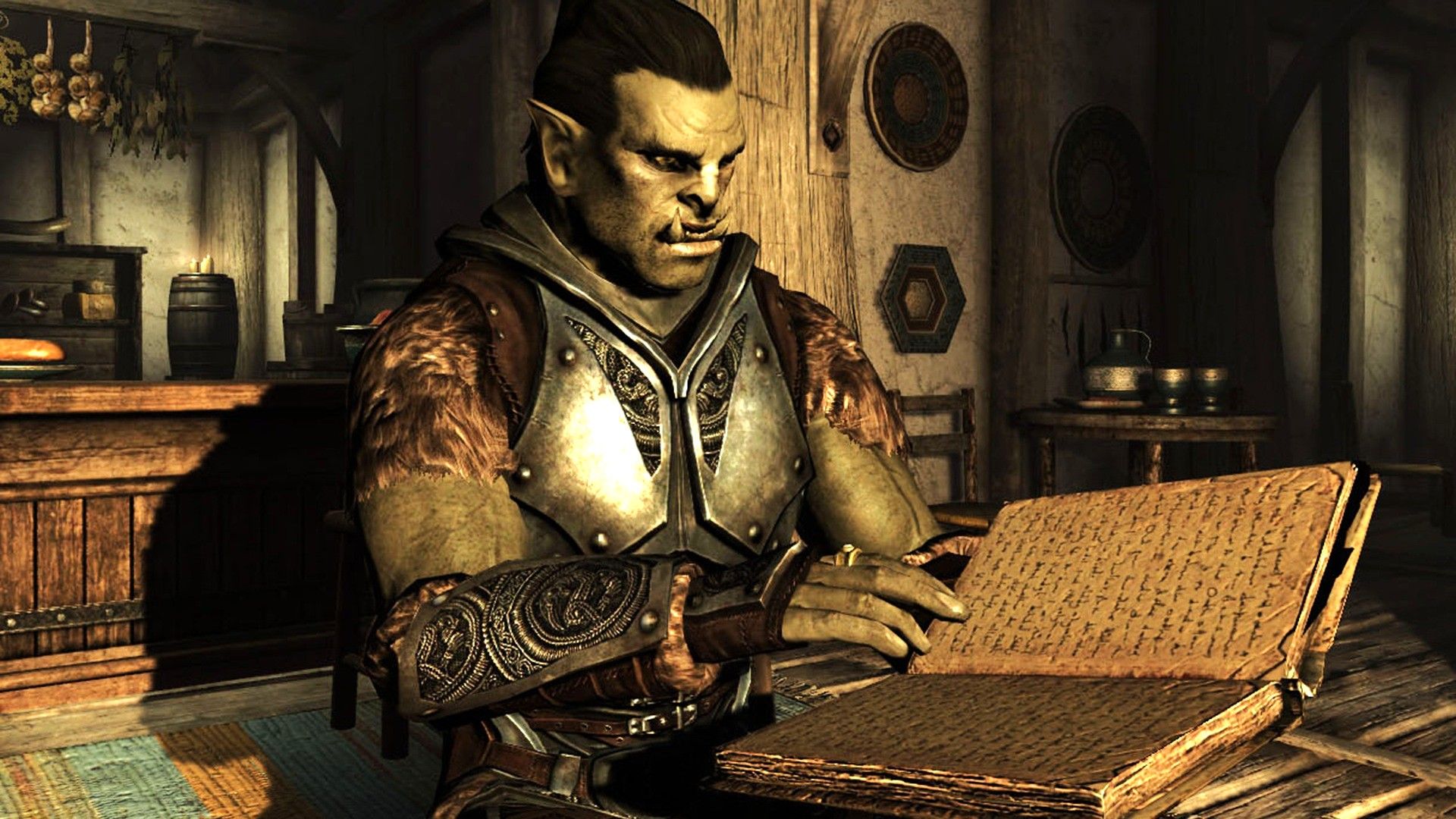
The anticipation reached a fever pitch, leading to an influx of theories ranging from engine reveals to potential release windows. This fervor forced a direct intervention from Bethesda. On November 10, the studio’s official communication channels issued a concise statement: "Hey everyone, wanted to pop in to say that we aren’t going to have any big announcements tomorrow. We’re excited you’re excited but we will not be sharing anything new on Sentinel for some time."
This interaction serves as a modern case study in the dynamics between major AAA developers and their most dedicated followers. The fact that a developer had to step in to dispel rumors created by third-party speculation highlights the intense demand for information regarding a project that was first officially acknowledged in 2018.
Development Realities and the "Some Time" Policy
The Elder Scrolls 6 was formally announced at E3 2018, nearly eight years ago. In the intervening years, Bethesda has navigated the acquisition of its parent company, ZeniMax Media, by Microsoft, and the development and release of the ambitious sci-fi RPG Starfield. Throughout this period, studio leadership, including director Todd Howard, has consistently maintained that the studio’s development process is methodical.
The term "some time" has become a recurring mantra for the studio. In industry terms, this suggests that the project is not in a state where a "announce-and-launch" strategy is viable. Bethesda has historically preferred to reveal information close to the final stages of production, as seen with Fallout 4, which was announced only months before its release. By choosing to remain silent on Sentinel, the studio is effectively shielding its developers from the pressure of premature deadlines and the marketing fatigue that can accompany years of pre-release hype.
Analysis: The Cost of Silence
The current vacuum of information regarding Sentinel creates a unique environment for the gaming community. On one hand, the lack of news leads to frustration among those who have waited nearly a decade for a successor to Skyrim. On the other hand, it allows the studio to focus on technical refinement.
From a business perspective, Bethesda is operating in a landscape where its back catalog—specifically Skyrim—continues to generate revenue and player engagement. This diminishes the immediate pressure to rush the sequel to market. However, the prolonged wait time creates a "shadow of the predecessor," where the expectations for the new game are significantly higher than they would have been had the title arrived in a more traditional three-to-five-year development cycle.
Celebrating the Anniversary
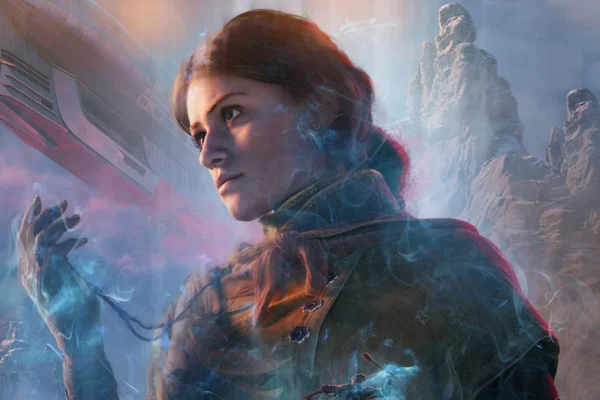
While the silence on Sentinel disappointed some, the 15th anniversary of Skyrim was not ignored by the studio. To mark the occasion, Bethesda collaborated with noted fantasy illustrator Karl Fitzgerald to produce a commemorative piece of art. The image serves as a tribute to the world of Tamriel and the millions of players who have inhabited it since 2011. Additionally, the studio hosted a giveaway for limited-edition posters, acknowledging the community’s role in keeping the game alive.
This gesture reinforces the studio’s branding strategy: honoring the legacy of its established hits while maintaining a firewall around future projects. The community reaction, while initially rooted in the hope for new content, has largely transitioned into a sense of communal pride. Many fans have noted that the very fact that the developer feels the need to address rumors is a testament to the enduring relevance of the franchise.
The Road Ahead
As of November 2026, the industry remains in a period of transition. The release of hardware cycles, shifts in game engine technology, and changing consumer expectations mean that The Elder Scrolls 6 will likely be a vastly different experience than its predecessor.
Industry analysts suggest that the development of Sentinel is likely leveraging the updated Creation Engine 2, as seen in Starfield, but with significant modifications to handle the scale and density expected of a high-fantasy world. Whether the game will indeed launch before 2030 remains a subject of intense debate among industry observers. Given the scope of previous Bethesda projects, the development timeline is likely to be measured in years rather than months.
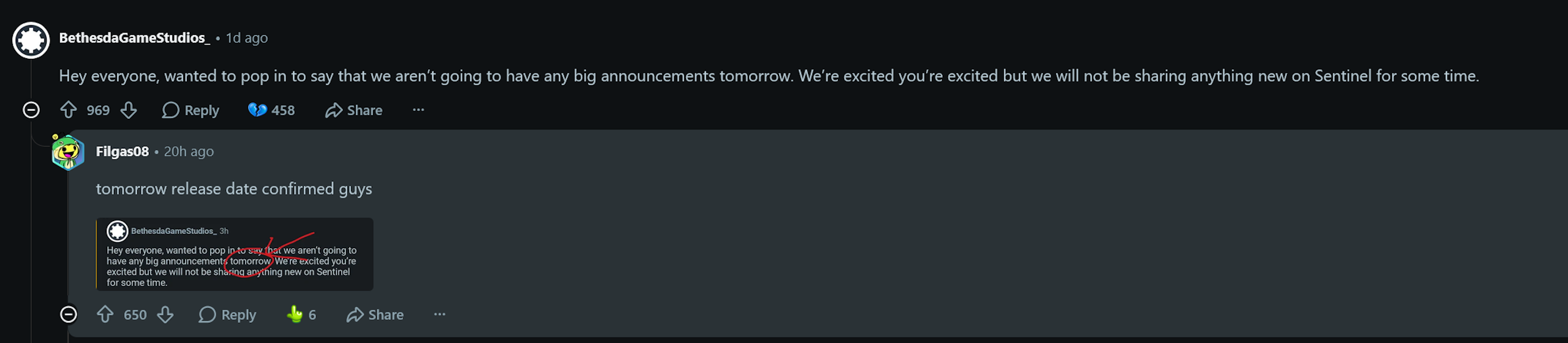
For now, the story of The Elder Scrolls remains firmly rooted in the past. While players continue to traverse the landscape of Skyrim, the promise of Sentinel remains a distant, albeit potent, aspiration. The interaction between the studio and its fans over the last 48 hours demonstrates that while the industry is eager for the future, the bond forged by 15 years of exploration in Skyrim is not easily broken.
Chronology of Key Events
- November 11, 2011: The Elder Scrolls V: Skyrim is released, becoming an instant commercial and critical success.
- June 2018: Bethesda officially announces that The Elder Scrolls 6 is in pre-production at E3.
- 2019–2023: The studio focuses resources on the completion and support of Starfield, with minimal updates on the Elder Scrolls franchise.
- November 9, 2026: Online speculation spikes following a vague teaser from a prominent gaming personality regarding a "big announcement."
- November 10, 2026: Bethesda issues a formal statement on Reddit and social media, confirming no news on Sentinel will be shared, effectively ending the rumor cycle.
- November 11, 2026: The 15th anniversary of Skyrim is celebrated with commemorative artwork and community engagement initiatives.
The absence of news today does not preclude future updates, but it does serve as a reality check for the community. As the game industry continues to evolve, the strategy of "silence until readiness" appears to be the standard operating procedure for Bethesda. For the millions who call Tamriel home, the wait continues, but the legacy of the fifth entry in the series remains, for now, the primary focus of the studio’s historical celebrations.