The burgeoning world of open-source hardware has recently welcomed a compelling new contender, the Xteink X4, a compact e-ink reader designed to appeal to developers, makers, and enthusiasts seeking a highly customizable and portable digital reading experience. This innovative device distinguishes itself from mainstream e-readers by embracing a fully open-source philosophy, from its hardware design, centered around the versatile ESP32-C3 microcontroller, to its dedicated open-source reading software, Crosspoint. With its minimalist design, impressive portability, and an incredibly accessible price point, the Xteink X4 positions itself as a fascinating project for those eager to delve into the intricacies of e-reader technology and tailor their devices to their precise needs.
The Xteink X4: Hardware Overview and Design Philosophy

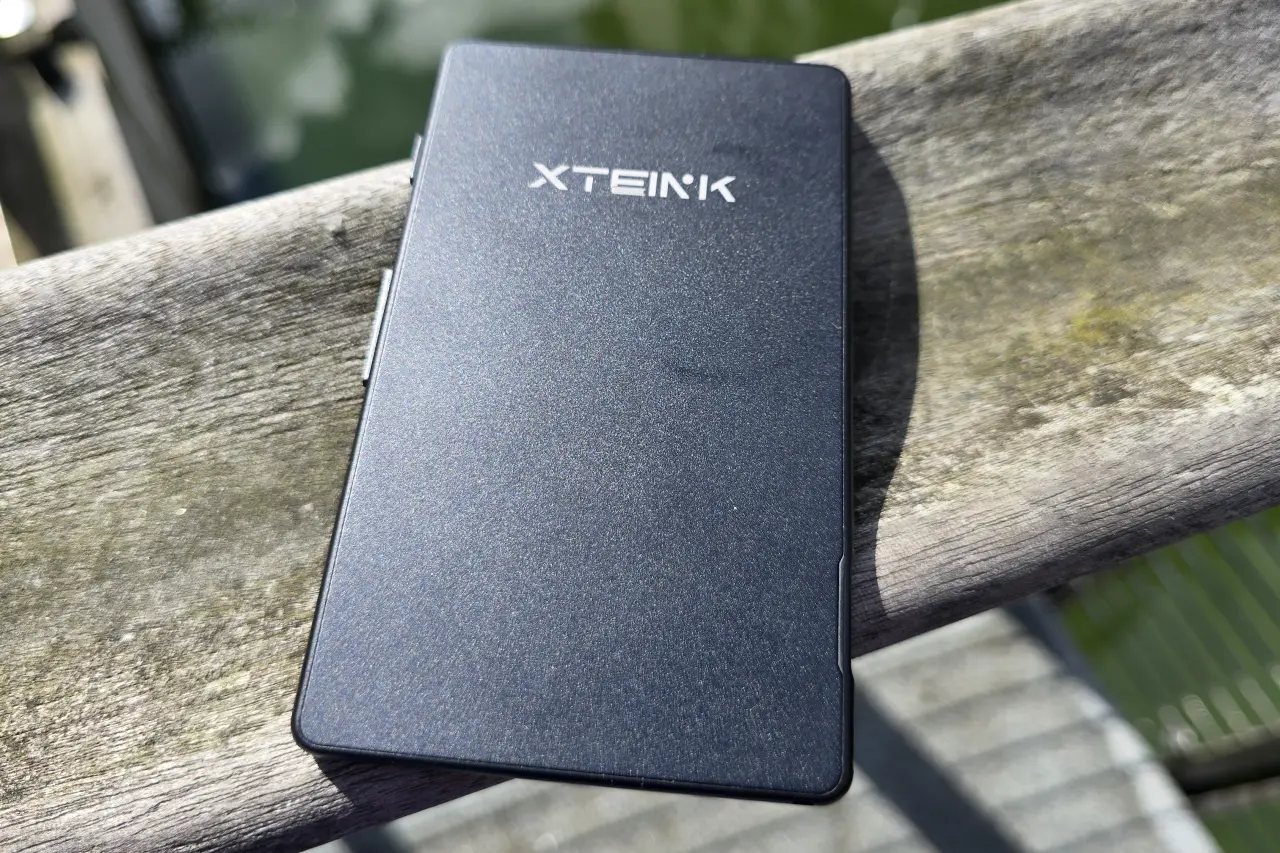
At its core, the Xteink X4 is engineered for ultra-portability and user-driven customization. Its dimensions are remarkably compact, measuring just 114 millimeters in height and 69 millimeters in width, with an astonishingly thin profile of 5.9 millimeters. Weighing a mere 74 grams, the device is lighter than most modern smartphones, making it an ideal companion for on-the-go reading, fitting comfortably into a pocket or a small bag. This design ethos deliberately targets users who find larger e-readers cumbersome or who desire a secondary, highly focused reading tool. The physical comparisons to devices like the iPhone or Samsung Galaxy S24 Ultra are illustrative of its diminutive size, emphasizing its pocketability while maintaining a dedicated reading display.
The centerpiece of the Xteink X4 is its 4.3-inch E-Ink display. While smaller than the typical 6-inch or 7-inch screens found on popular e-readers like the Kindle Paperwhite or Kobo Clara, this choice contributes significantly to the device’s overall compact form factor. The screen boasts a resolution of 480×800 pixels, translating to a pixel density of approximately 220 PPI (Pixels Per Inch). This resolution is more than adequate for crisp, clear text rendering on an e-ink display, which inherently mimics the appearance of printed paper. E-ink technology itself offers numerous advantages for reading, including exceptional readability in direct sunlight, a complete lack of blue light emissions (reducing eye strain), and ultra-low power consumption, as the screen only draws power when its content changes. This ensures a comfortable reading experience that is gentle on the eyes, even during extended sessions.
Powering the Xteink X4 is the ESP32-C3, a low-cost, low-power system-on-chip (SoC) from Espressif Systems. This microcontroller is a popular choice within the open-source and IoT communities due to its integrated Wi-Fi and Bluetooth capabilities, robust performance for its class, and extensive developer support. The selection of the ESP32-C3 is a clear indicator of the Xteink X4’s developer-centric approach, providing a flexible and well-documented platform for custom firmware development. Unlike proprietary e-reader architectures, the ESP32-C3 allows users to deeply interact with the hardware, modify its functionality, and experiment with different applications beyond just reading. This openness fosters a vibrant community of innovation, enabling users to adapt the device to niche uses or integrate it into larger projects.

User interaction with the Xteink X4 is facilitated by a set of physical buttons. Instead of a touchscreen, which is common on most modern e-readers but can add complexity and power consumption, the X4 features four distinct directional buttons (up, down, left, and right) for navigation within the interface and reading content. This tactile approach offers a satisfying and precise control mechanism, particularly appealing to users who prefer physical feedback over gestures. Additionally, a dedicated reset button provides a quick way to restart the device, a useful feature during development or in case of software glitches. The device also includes a microSD card slot, offering expandable storage for a vast library of e-books and other digital content, ensuring that despite its compact size, users are not limited by internal memory constraints.
Connectivity is streamlined yet effective, aligning with the device’s open-source and minimalist design. A universal USB-C port serves dual purposes: charging the device’s internal 650mAh battery and facilitating data transfer. While the 650mAh battery might seem modest compared to smartphone batteries, the extreme power efficiency of the e-ink display and the ESP32-C3 ensures that the Xteink X4 delivers many hours, if not days, of reading on a single charge. For context, typical e-readers with larger screens and more powerful processors often boast weeks of battery life; the X4, with its smaller screen and highly optimized components, aims for similar endurance within its specific use case. Notably, the Xteink X4 foregoes advanced wireless charging standards like Qi or MagSafe, likely to keep the device’s cost and complexity to a minimum, reinforcing its focus on core functionality and accessibility for the maker community.
Crosspoint: The Open-Source Software Ecosystem

Integral to the Xteink X4 experience is Crosspoint, its dedicated open-source reader software. The project is openly accessible via its website (crosspointreader.com) and a public GitHub repository (github.com/crosspoint-reader/crosspoint-reader), underscoring the transparency and collaborative spirit behind the device. This open development model means that users are not just consumers but potential contributors, able to inspect, modify, and enhance the software themselves.
Crosspoint software version 1.4.1, as highlighted in the announcement, brings several crucial features that elevate the reading experience on the Xteink X4. One particularly significant enhancement is robust support for both Right-to-Left (RTL) languages, such as Hebrew, and Left-to-Right (LTR) languages. This is a critical feature that often goes overlooked in mainstream e-readers, making the Xteink X4 a more inclusive option for diverse linguistic communities. The software also offers extensive font customization options, allowing users to choose typefaces and sizes that best suit their preferences, further personalizing the reading experience.
File transfer, a common pain point for e-reader users, is simplified through Crosspoint’s innovative Wi-Fi hotspot functionality. Users can enable a Wi-Fi hotspot on the Xteink X4 itself, allowing them to wirelessly transfer e-book files (such as EPUB, MOBI, or PDF, depending on Crosspoint’s format support) from another device, like a smartphone or computer, directly to the e-reader. This eliminates the need for cables or proprietary desktop applications, streamlining the process of adding new content. For developers and power users, the software also supports firmware updates via both the USB-C connection and the microSD card slot, providing flexibility in how the device’s operating system and features can be managed and upgraded. This is particularly important for an open-source device where new features and bug fixes are continuously integrated by the community.

The open-source nature of Crosspoint offers a profound advantage: longevity and adaptability. Unlike commercial e-readers that might see their software support dwindle over time, an active open-source community can continue to maintain, update, and evolve Crosspoint, ensuring the Xteink X4 remains functional and relevant for years to come. This community-driven approach fosters innovation, allowing for features that might never be considered by commercial entities to be integrated based on user demand and developer passion.
Market Positioning, Competition, and Implications
The Xteink X4 occupies a unique position in the broader e-reader market. It is not designed to directly compete with the polished, mass-market appeal of devices like Amazon’s Kindle, Kobo’s offerings, or the reMarkable tablet. Instead, it carves out a niche for itself among hardware enthusiasts, software developers, and individuals who prioritize open-source principles, ultimate customization, and extreme portability.

Compared to leading consumer e-readers, the Xteink X4’s smaller 4.3-inch screen might be seen as a limitation for some, as most popular e-readers feature 6-inch or larger displays that offer more text per page. However, for users seeking a device that truly fits into any pocket, or for developers building specialized applications, the compact size is a distinct advantage. Its reliance on physical buttons instead of a touchscreen, while a departure from modern trends, caters to a segment of users who appreciate tactile controls and the associated robustness.
The Xteink X4’s true competitive edge lies in its open nature. Mainstream e-readers operate on proprietary software ecosystems, often restricting users to specific storefronts, file formats, and customization options. The X4, on the other hand, offers unparalleled freedom. Its ESP32-C3 foundation means that skilled users can reprogram the entire device, turning it into far more than just an e-reader—perhaps a low-power status display, a custom IoT interface, or even a specialized note-taking device with the right modifications. This flexibility is a direct challenge to the "walled garden" approach prevalent in consumer electronics.
Furthermore, the Xteink X4 embodies principles of sustainability and digital independence. By providing open hardware schematics and open-source software, Xteink empowers users to understand, repair, and even upgrade their devices, contrasting sharply with the planned obsolescence often seen in consumer gadgets. This fosters a more responsible and educational relationship between users and their technology. The project also serves as an excellent educational tool for aspiring embedded systems developers, offering a tangible platform to learn about e-ink displays, low-power microcontrollers, and open-source software development.

Pricing and Availability: An Accessible Entry Point
Perhaps the most astonishing aspect of the Xteink X4 is its price point, which firmly solidifies its position as an accessible development platform rather than a high-end consumer product. The Xteink website lists the device at approximately 69 Israeli New Shekels (ILS), which translates to roughly $18.50 USD. Even more competitively, the device is reportedly available on AliExpress for around 44 ILS, or approximately $12 USD.
These prices are extraordinarily low, especially considering that a bare 4.3-inch e-ink display panel alone can often cost more than this. This aggressive pricing strategy makes the Xteink X4 an incredibly attractive proposition for hobbyists, students, and budget-conscious developers. It indicates that Xteink is not aiming for profit margins typical of consumer electronics but rather fostering a community around open hardware. The low cost significantly lowers the barrier to entry for anyone interested in experimenting with e-ink technology or developing custom embedded applications.

The availability on both Xteink’s official website and international marketplaces like AliExpress ensures that the device can reach a global audience of makers and developers. While the exact contents of the package at these price points (e.g., whether it’s a fully assembled unit or a kit requiring some assembly) would need to be clarified, the core value proposition of an open-source, e-ink enabled ESP32-C3 device at such a low cost remains revolutionary.
Conclusion: A Beacon for Open-Source Innovation
The Xteink X4 is more than just a compact e-reader; it is a statement piece for the open-source hardware movement. By combining a highly portable 4.3-inch e-ink display with the versatile ESP32-C3 microcontroller and the adaptable Crosspoint software, Xteink has created an ecosystem that champions user freedom, customization, and community collaboration. Its ultra-low price tag democratizes access to e-ink technology, making it an ideal platform for education, prototyping, and personalized digital reading.

For those weary of proprietary systems and eager to explore the full potential of their devices, the Xteink X4 offers a compelling alternative. It invites users to become creators, to delve beneath the surface of consumer electronics, and to shape their technology to fit their unique vision. As the open-source community continues to grow and evolve Crosspoint, the Xteink X4 promises to be a dynamic and enduring tool for digital reading and beyond, solidifying its place as a significant contribution to the world of open hardware.