The annual cycle of the high-performance running shoe market is characterized by a predictable, rhythmic release schedule that often leaves consumers facing steep price premiums for the latest technological iterations. As major manufacturers such as Brooks, Nike, and New Balance push forward with yearly updates, a significant market inefficiency emerges: the systematic discounting of preceding models. For the dedicated runner, this transition period represents a rare opportunity to acquire professional-grade equipment at a substantial reduction, often without sacrificing the core performance metrics that define elite-level footwear.
The Economic Dynamics of the Running Shoe Lifecycle
The footwear industry operates on a model of perpetual innovation, with major brands typically refreshing their flagship models every 12 to 18 months. This rapid turnover is driven by advancements in material science—such as nitrogen-infused foams, carbon-fiber plate integration, and sophisticated upper-mesh knitting techniques. However, the performance gap between a current-year flagship and its immediate predecessor is frequently marginal.
Data from recent retail performance metrics indicate that while early adopters prioritize the latest "version numbers," the structural integrity and kinetic energy return of the outgoing models remain at or near state-of-the-art levels. By waiting for the release of a new iteration, consumers can mitigate the high entry cost of premium gear, often securing discounts ranging from 20% to 50%. This strategy not only protects the consumer’s capital but also provides a hedge against the risk of radical, untested design changes in newer models that may not suit an individual’s biomechanical profile.
Case Study: Brooks Adrenaline GTS 25 and the Stability Market
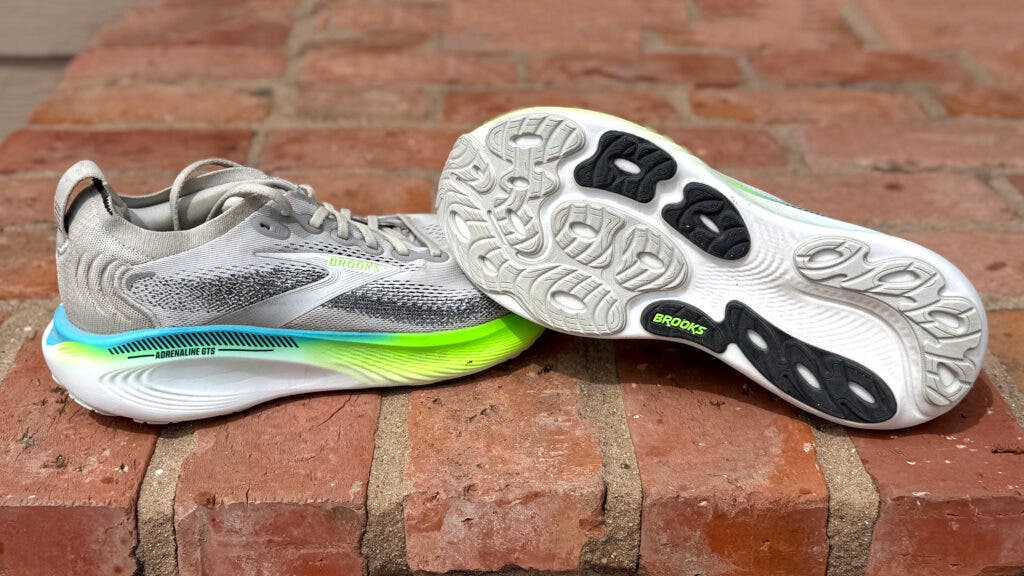
The Brooks Adrenaline GTS series has long held a dominant position in the stability category, a segment aimed at runners who require structural guidance to mitigate overpronation. The GTS 25, which recently saw a price reduction of $30 as the market prepares for the GTS 26, represents a significant refinement in stability technology.
Historically, stability shoes relied on high-density "posts" of stiff foam inserted into the medial side of the midsole. This design often created a harsh, jarring transition for the runner. The transition to "GuideRail" technology marked a shift toward integrated support. In the GTS 25, Brooks further evolved this by utilizing a high-density zone within the same piece of foam, effectively removing the tactile "bump" associated with older stability designs.
The physiological implication of this design is a smoother gait cycle. Internal testing data suggests that by eliminating the transition point between different foam densities, the shoe reduces the likelihood of localized pressure points, a common complaint in long-distance stability footwear. With the GTS 26 scheduled for a November 1, 2026, release, the current inventory clearance of the GTS 25 serves as an ideal entry point for runners who value a proven, non-intrusive support system.
Nike Pegasus Plus: A Departure from Minimalist Trends
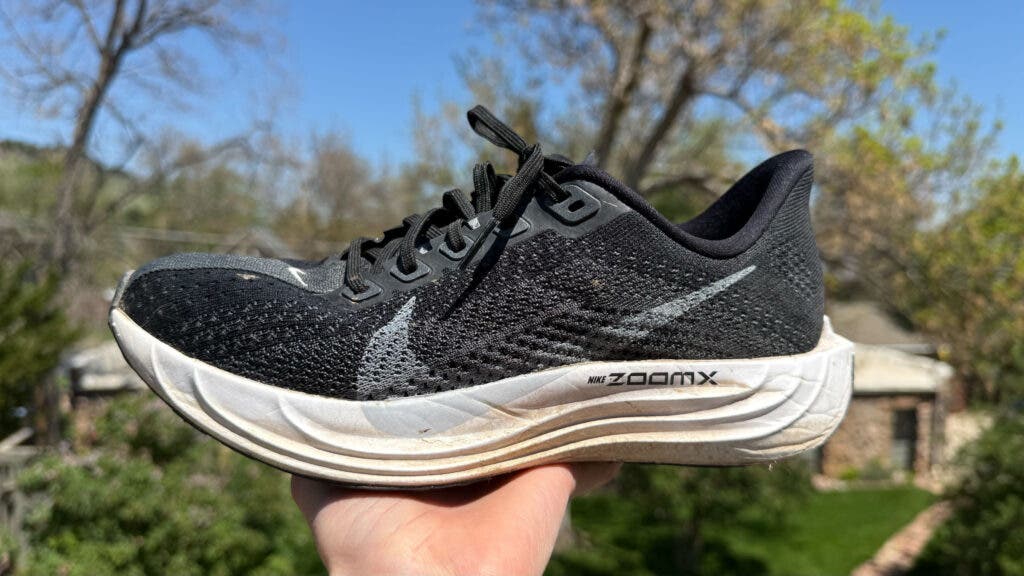
The Nike Pegasus Plus occupies a distinct niche in the contemporary market, characterized by a return to the "racing flat" aesthetic while utilizing modern, high-rebound ZoomX superfoam. Weighing in at 7.2 ounces, the shoe sits in stark contrast to the maximalist, high-stack trends that have dominated the industry since 2022.
The market shift toward the Pegasus Plus 2, which launched in late August 2026, has rendered the original Plus a bargain, with discounts reaching $60. The technical divergence between these two models is notable: the newer Pegasus Plus 2 features an increased stack height and an AirZoom unit, adding roughly one ounce of weight and significantly altering the ground-feel.
For the traditionalist runner, this clearance event is of particular importance. The original Pegasus Plus offers a tactile, responsive ride that provides feedback from the running surface—a feature often lost in the current wave of ultra-cushioned, maximalist racers. The availability of this model at a reduced price point provides an opportunity to procure a specialized tool that is becoming increasingly rare in an era of thickening midsoles.
The Evolution of Natural Ride: Brooks Glycerin Flex
The Brooks Glycerin Flex represents an attempt to bridge the gap between traditional cushioning and the "natural ride" movement. Unlike minimalist footwear, which strips away nearly all protective material, the Glycerin Flex maintains a high stack of nitrogen-infused foam. The innovation lies in the outsole geometry, which utilizes a diagonal S-curve to decouple the heel and forefoot.
This mechanical decoupling allows for independent movement, which, according to biomechanical analysts, promotes a more natural foot strike and toe-off sequence. As retailers clear space for the 2027 second-generation release, the current markdowns of approximately $40 per pair highlight the manufacturer’s commitment to maintaining a presence in the flexible-trainer segment. Analysts suggest that the Glycerin Flex serves as a necessary bridge for runners transitioning from high-drop, rigid trainers to more anatomical, flexible alternatives, making the current clearance price a strategic value for those interested in refining their running mechanics.
Carbon-Plated Performance: The New Balance SC Elite v5
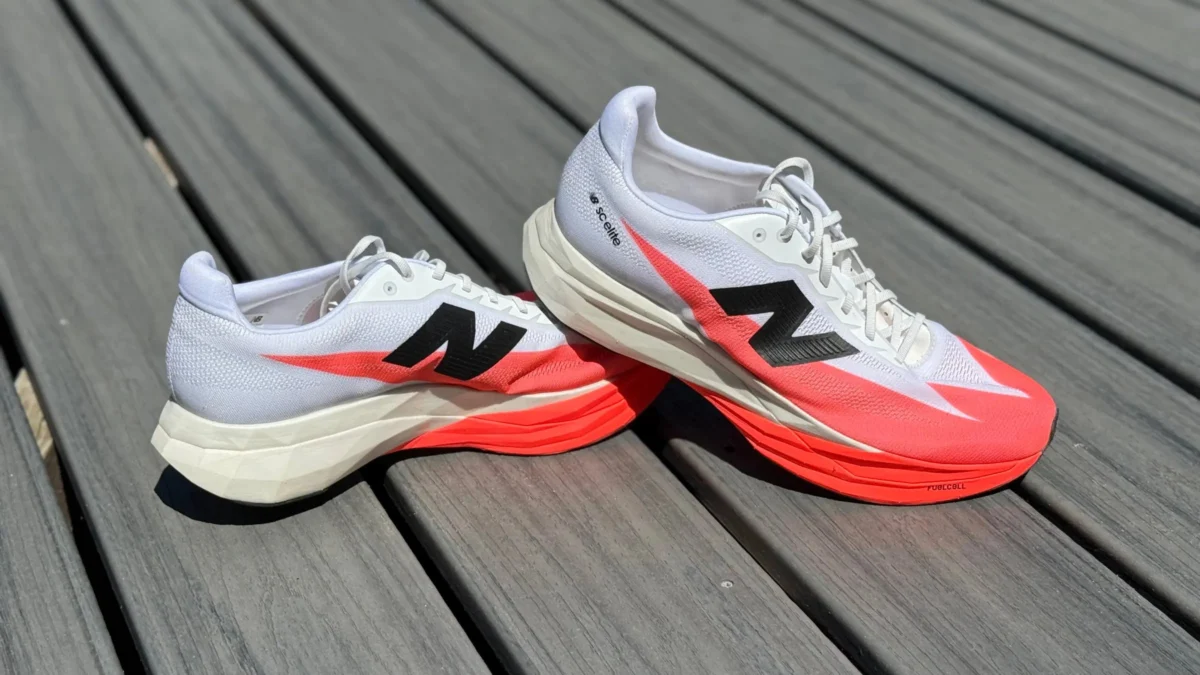
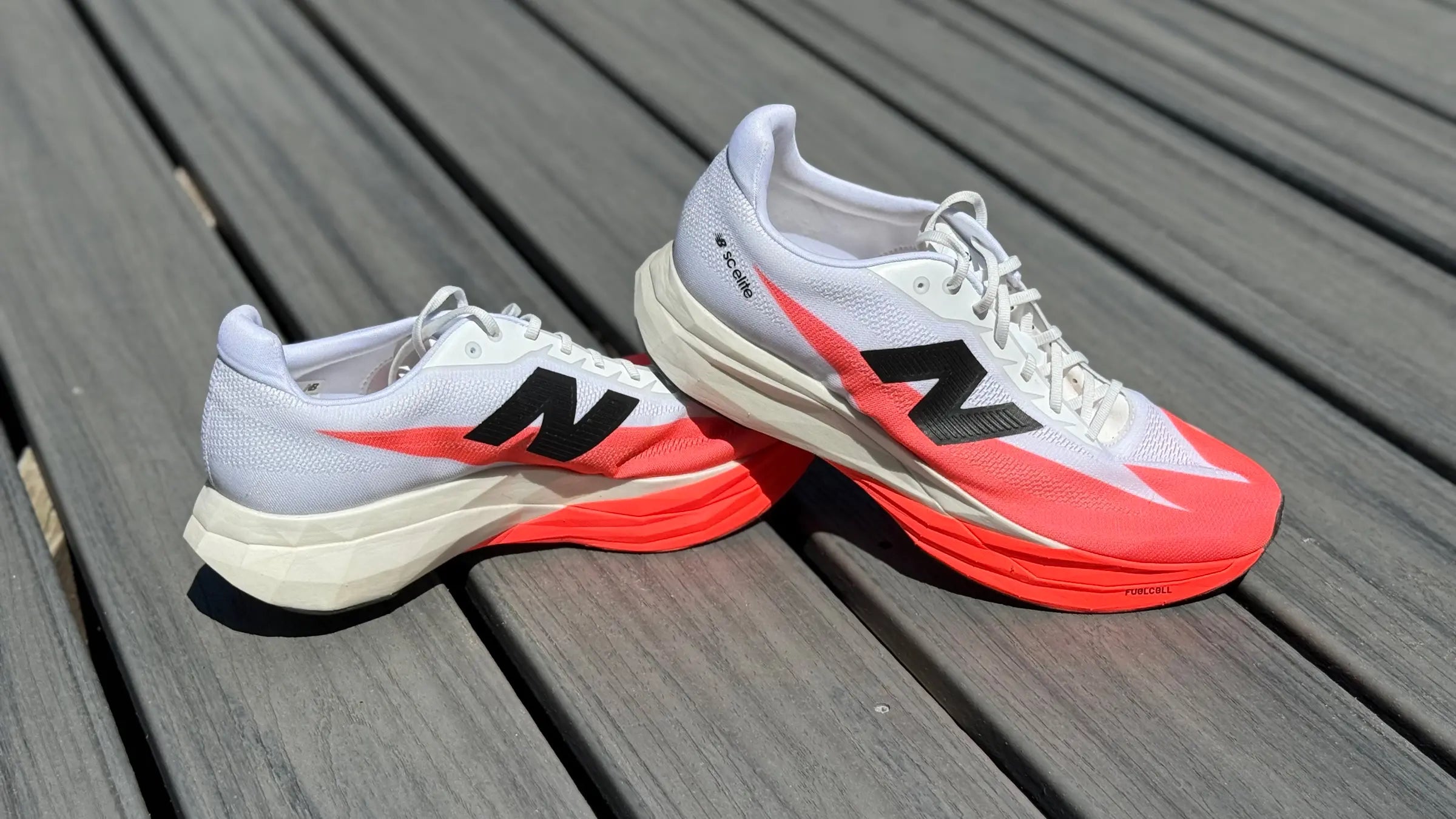
Perhaps the most significant value proposition in the current market is the New Balance FuelCell SuperComp Elite v5. The "super shoe" category, defined by the integration of carbon plates and PEBA-based foams, has historically been priced at a premium, often exceeding $250.
The performance of the v5 at the 2026 Ironman World Championships underscored the efficacy of the platform. Professional athlete Laura Philipp, securing the fastest women’s run split with a time of 2:50:43, notably opted for the v5 over the newer v6 iteration. This decision speaks volumes about the consistency of the v5’s performance. While the v6 utilizes a different TPEE-EVA foam blend—intended for a more aggressive, snappy return—the v5 remains a superior choice for long-distance stability and comfort.
With discounts currently reaching $120, the v5 represents one of the most substantial price-to-performance gaps in the current running footwear market. The implications are clear: for marathoners and triathletes seeking elite-level gear for training cycles, the v5 offers a professional-grade experience at a fraction of the cost of the latest iteration, which is optimized for shorter, higher-intensity racing.
Broader Market Implications and Strategic Procurement
The current state of the running shoe market is indicative of a broader trend toward "version fatigue," where the psychological desire for the "newest" model is increasingly at odds with the economic reality of high-performance gear costs. Retail data suggests that consumers who practice a "one-version-behind" purchasing strategy can save upwards of $1,000 over a three-year training period, without any measurable decline in performance or injury protection.
The chronology of these releases—typically concentrated in the late summer and early autumn—provides a consistent window for procurement. As retailers look to balance their inventory levels, the "closeout" phase becomes a critical component of their financial model, benefiting the consumer who is willing to look past the marketing hype of the latest release.
Furthermore, the technological stability of these products has increased. Because the primary R&D focus for most major brands has shifted toward incremental improvements in foam chemistry rather than radical structural overhauls, the risk of purchasing an "outdated" model is lower than it has been in decades.
Conclusion: Informed Consumerism in Running
For the average runner, the choice between the latest flagship and the previous year’s clearance model is rarely about performance limitations; it is about balancing budget with the aesthetic and psychological satisfaction of owning the newest product. As indicated by the success of athletes like Laura Philipp in discontinued footwear, the equipment is merely a vessel for the runner’s own training and physiological development.
By utilizing resources such as the Outside Deals finder and monitoring the biannual release cycles, runners can maintain a high-performance rotation of footwear while insulating themselves from the aggressive pricing strategies of the major athletic manufacturers. Whether it is the stability of the Brooks Adrenaline, the responsiveness of the Nike Pegasus, or the racing pedigree of the New Balance SuperComp, the current market offers a rare convergence of high technology and low cost, providing a tangible benefit to the running community at large.