
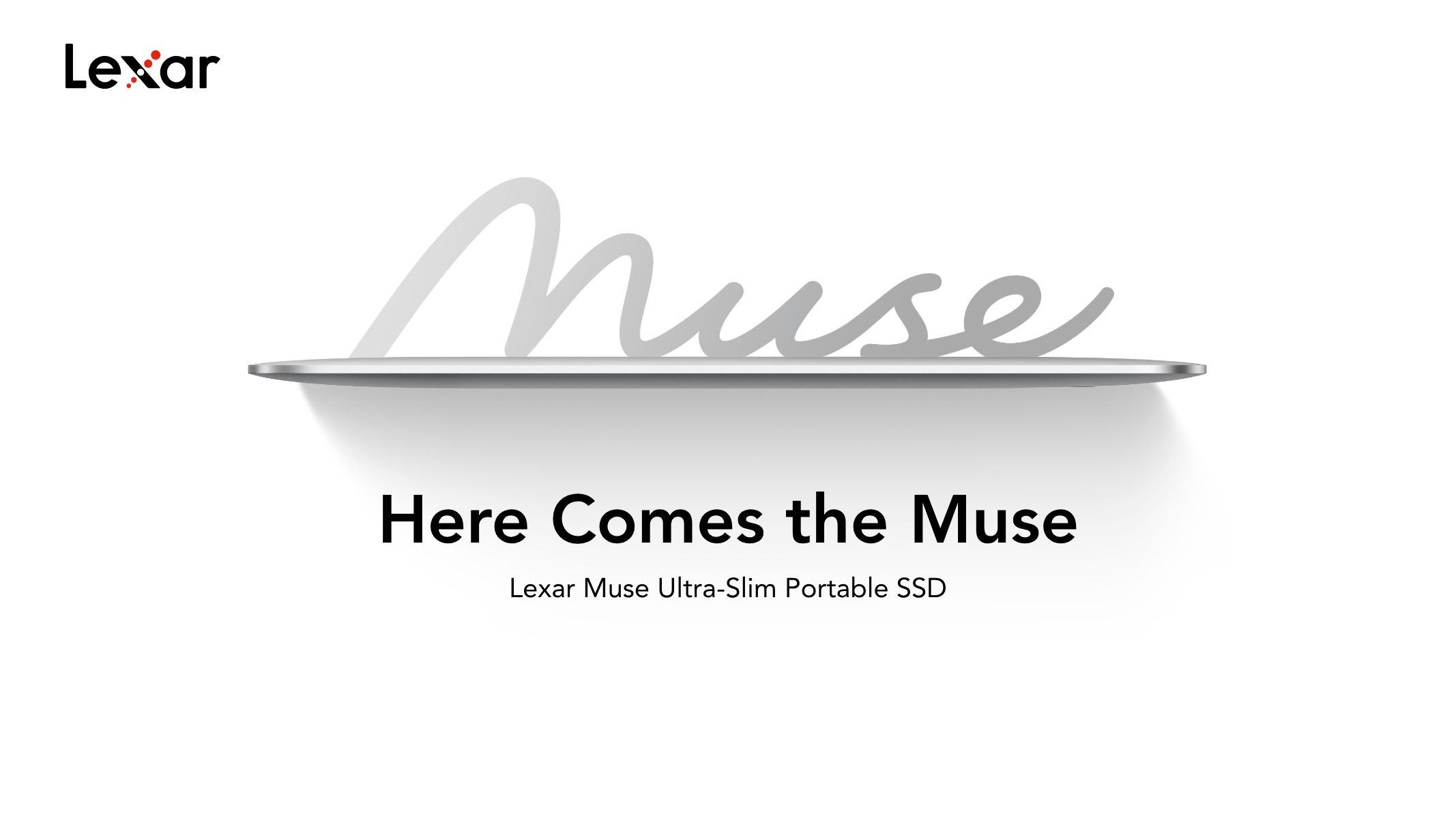
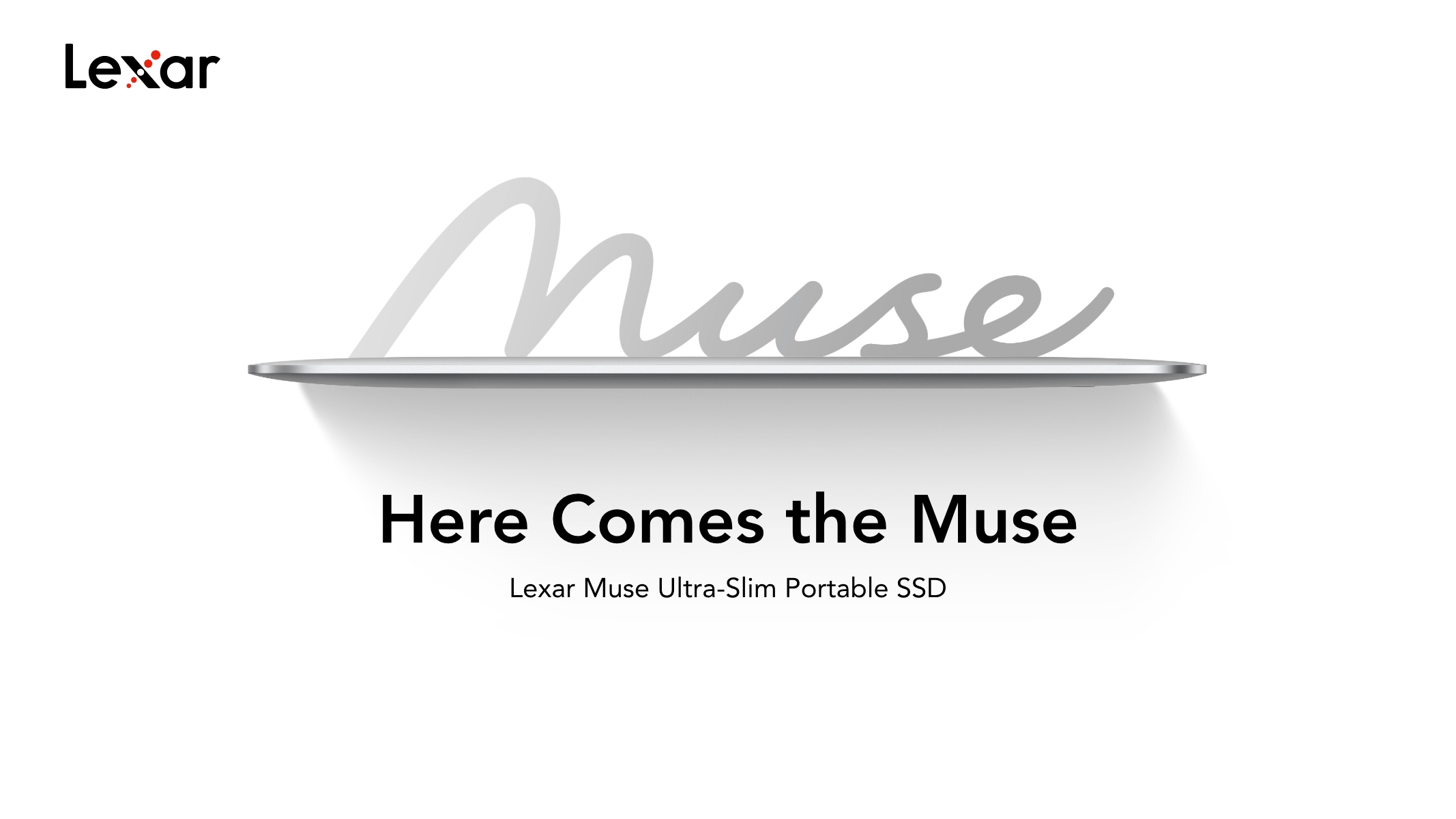
Lexar has officially announced the upcoming release of the Lexar Muse, a groundbreaking portable solid-state drive (SSD) that the company claims is the world’s thinnest storage solution of its kind. Measuring a mere 3.8 millimeters at its thickest point and tapering down to an astonishing 1 millimeter along the edges, the Muse introduces a card-like physical profile that fundamentally redefines how external storage integrates with modern mobile hardware. Engineered to address the growing demands of mobile journalism, high-end smartphone videography, and daily content creation, the drive combines extreme physical minimalism with high-performance data transfer speeds.
The announcement highlights an ongoing shift in the consumer electronics and photography sectors. As smartphones increasingly double as professional cinema cameras capable of capturing massive video files, the need for high-capacity external storage has never been greater. However, traditional portable SSDs, while fast, often introduce bulk, unwieldy cables, and awkward physical setups that interfere with handheld shooting. Lexar’s engineering team has approached this bottleneck by rethinking both the internal component architecture and the external connectivity of portable storage media.
Engineering the Ultra-Slim Profile
Achieving a sub-4-millimeter thickness profile required a complete overhaul of traditional external SSD design principles. Standard portable drives typically house a conventional printed circuit board (PCB) alongside a standard USB-C connector interface, leaving dead space within the enclosure. To eliminate this inefficiency, Lexar developed a custom, ultra-thin PCB paired with high-density NAND flash memory stacking. This advanced component layout maximizes internal spatial efficiency, allowing the drive to maintain a slim, credit-card-like footprint without compromising structural integrity or storage capacity.
Encasing these internal components is a precision-machined unibody metal chassis. Beyond providing a sleek, premium aesthetic designed to complement modern computing and mobile ecosystems—particularly Apple devices—the metal enclosure serves a crucial functional purpose. In high-performance solid-state drives, thermal management is paramount. The unibody metal construction acts as a passive heatsink, efficiently dissipating thermal energy generated during sustained read and write operations to prevent thermal throttling and ensure stable performance over extended recording sessions.
Innovative Connectivity: The SnapLink Magnetic Cable
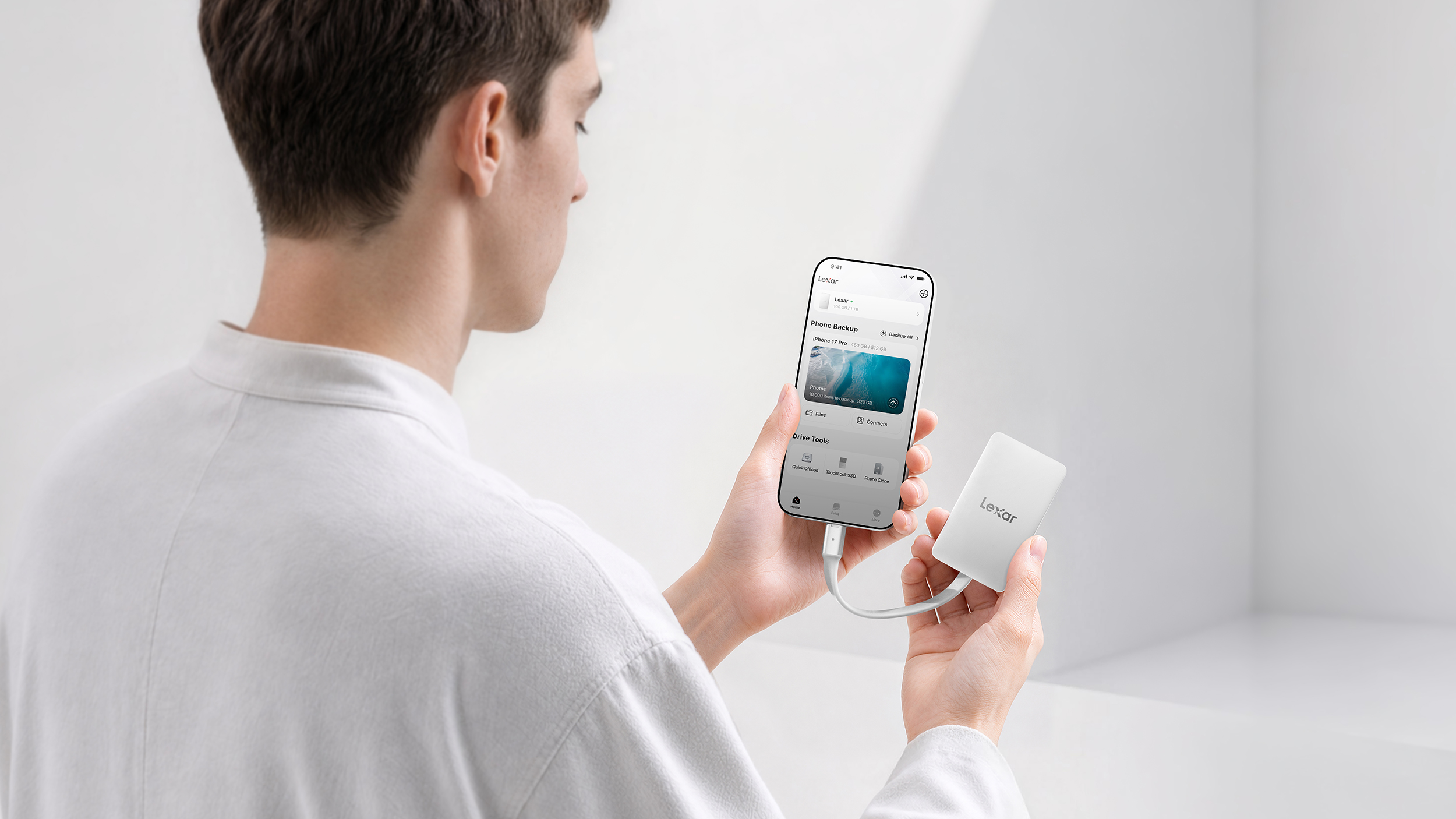
One of the most notable design departures in the Lexar Muse is the complete elimination of a conventional protruding USB-C port. Instead, Lexar has engineered a proprietary SnapLink Magnetic Cable system. This innovative connection interface relies on a recessed pad of gold-plated Pogo Pins located on the rear surface of the SSD.
To ensure a secure and reliable connection that will not detach accidentally during active use, Lexar has integrated N52-grade neodymium magnets into the assembly. These high-strength magnets automatically guide the cable into precise alignment with the Pogo Pin pad, locking it firmly into place. This design choice prevents the mechanical wear and tear commonly associated with repeatedly plugging and unplugging standard USB-C cables into tight ports, while also maintaining the drive’s ultra-slim profile by removing edge-mounted connectors.
Seamless Integration with MagSafe Ecosystems
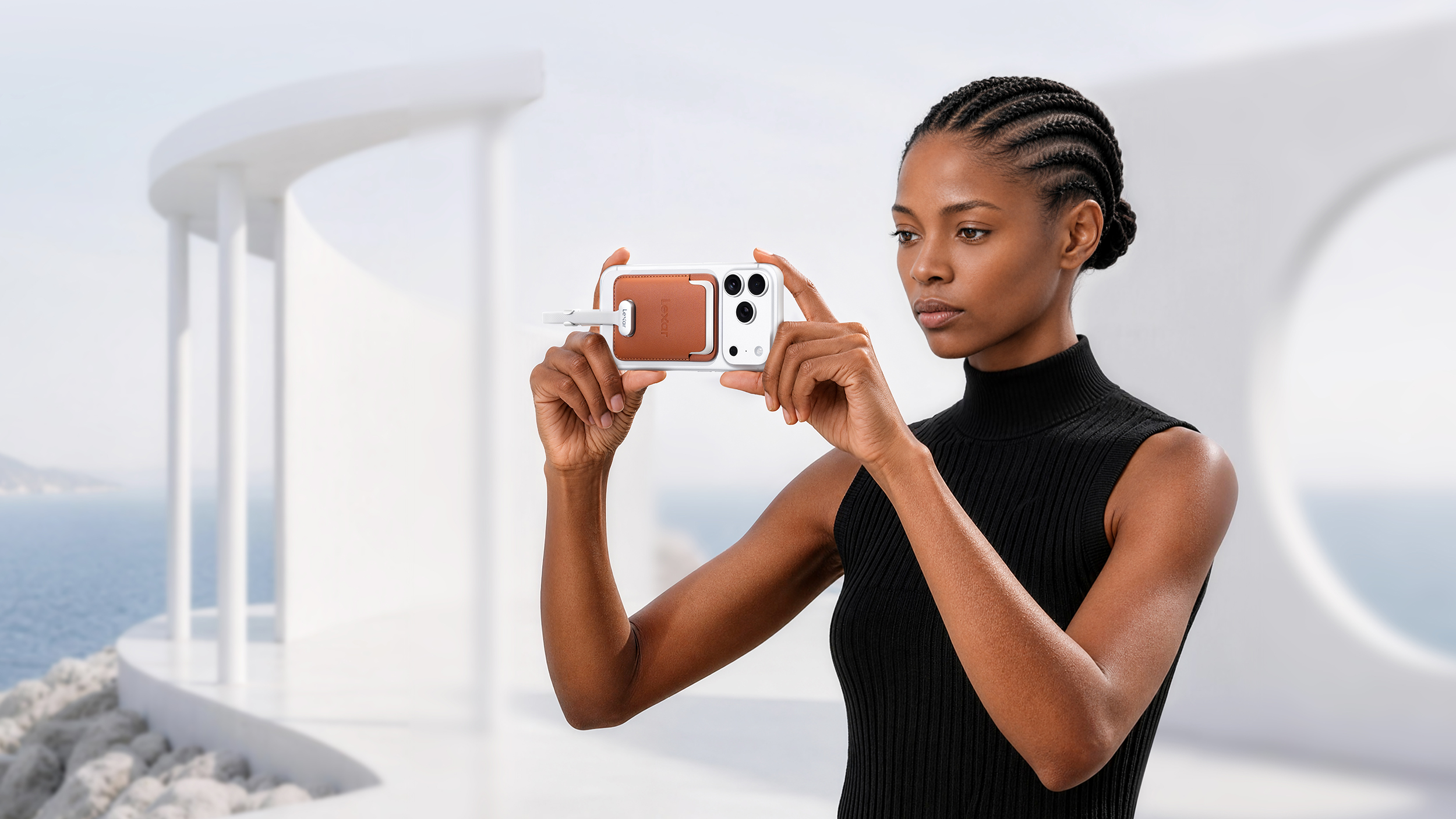
Recognizing that modern content creators frequently shoot on mobile devices, Lexar has designed the Muse to integrate directly with smartphone ecosystems. The drive ships with a MagSafe-compatible magnetic sleeve, allowing creators to securely mount the SSD directly to the back of an iPhone or a compatible Android device equipped with magnetic accessories.
This mounting solution transforms the phone and the SSD into a unified, highly portable handheld recording rig. By eliminating dangling wires and bulky external clamps, creators can shoot continuous, high-bitrate video straight to the external drive while maintaining a natural, ergonomic grip on their device. For mobile videographers and digital journalists, this setup removes historical barriers to mobile workflows, bridging the gap between smartphone convenience and professional cinema hardware capacity.
Performance Metrics and Video Capabilities
Despite its featherlight construction and minimalist dimensions, the Lexar Muse does not compromise on data throughput. The drive delivers impressive performance benchmarks, boasting maximum read speeds of up to 1,050 MB/s and maximum write speeds reaching up to 1,000 MB/s over its connection interface.
These performance metrics are critical for high-end mobile cinematography. Specifically, the sustained write speeds allow compatible Apple iPhone models to record Apple ProRes 4K video at frame rates up to 120fps directly to the Muse drive. Historically, capturing high-frame-rate ProRes footage quickly exhausts internal device storage, forcing creators to pause work, offload files, and manage limited space. The Muse offers a high-speed pipeline that handles massive data streams in real time, enabling uninterrupted, professional-grade production in the field.
Market Positioning and Availability
Upon its commercial release, the Lexar Muse will be offered in two primary storage tiers: a 512GB model for casual users and lighter projects, and a 1TB capacity variant aimed at professional video creators and data-intensive users.
While the exact pricing structure has not yet been finalized or disclosed by Lexar, industry analysts anticipate that the drive will command a premium reflective of its advanced engineering, proprietary magnetic architecture, and specialized form factor. Consumers and industry professionals will have to wait some time before purchasing the hardware, as Lexar has scheduled the official global market availability for the fourth quarter of 2026.
Broader Implications for the Storage and Mobile Industry
The introduction of the Lexar Muse underscores a broader trend within the consumer technology landscape: the convergence of professional performance standards with ultra-portable, consumer-friendly form factors. As smartphones evolve into primary tools for independent filmmakers, documentary crews, and social media creators, peripheral hardware manufacturers are being forced to adapt.
Traditional external storage devices, valued primarily for their ruggedness and raw capacity, are increasingly being evaluated on ergonomics, thermal design, and ecosystem compatibility. By introducing a storage drive that functions almost as an extension of the smartphone itself, Lexar is signaling a transition away from traditional desktop-style peripherals toward purpose-built mobile accessories. If the Muse successfully delivers on its technical promises upon its Q4 2026 launch, it could establish a new design benchmark for portable storage, influencing how future generations of external drives interface with mobile devices.