As persistent volatility in fuel prices continues to exert pressure on household budgets, the automotive market is witnessing a distinct shift in consumer behavior. Drivers are increasingly pivoting toward more economical transportation solutions, fueling a surge in demand for hybrid technology while concurrently reshaping the adoption curve for battery-electric vehicles (BEVs). Recent data from Cox Automotive underscores a complex transition period for the industry, characterized by a slow but steady recovery in new EV sales contrasted with a robust, double-digit expansion in the pre-owned market.
A New Market in Transition: The August Performance
According to the latest figures from Cox Automotive, the new electric vehicle market showed signs of stabilization in August, recording a 2.5 percent increase in sales volume compared to July. While this sequential growth provides a glimmer of optimism for manufacturers, the broader year-over-year context reveals a more challenging environment. New BEV sales are currently down 46.9 percent compared to the same period last year.
Market analysts attribute this significant year-over-year decline to the expiration of specific federal tax incentives that had created an artificial surge in demand throughout 2023. As consumers rushed to capitalize on those credits before they transitioned, the current market is essentially correcting itself. The 2.5 percent monthly uptick, however, suggests that the organic demand for electrification remains present, albeit tempered by macroeconomic factors like interest rates and the lingering price gap between traditional combustion vehicles and their battery-powered counterparts.
The Dominance of Tesla and the Emerging Competition
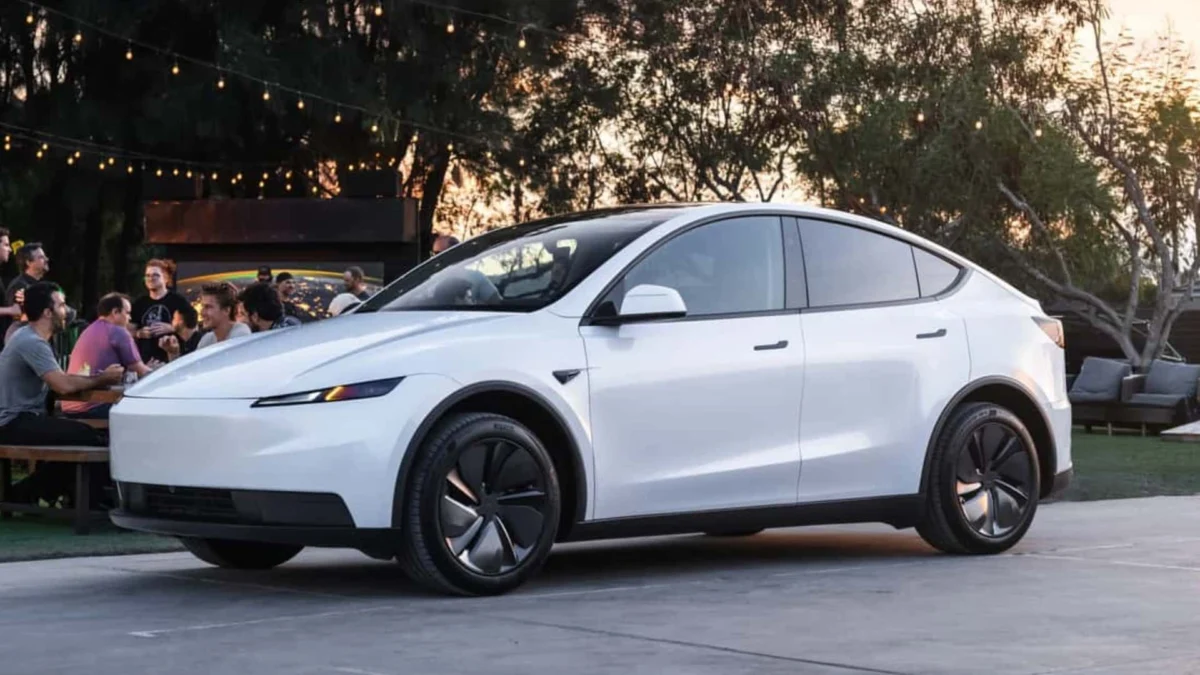
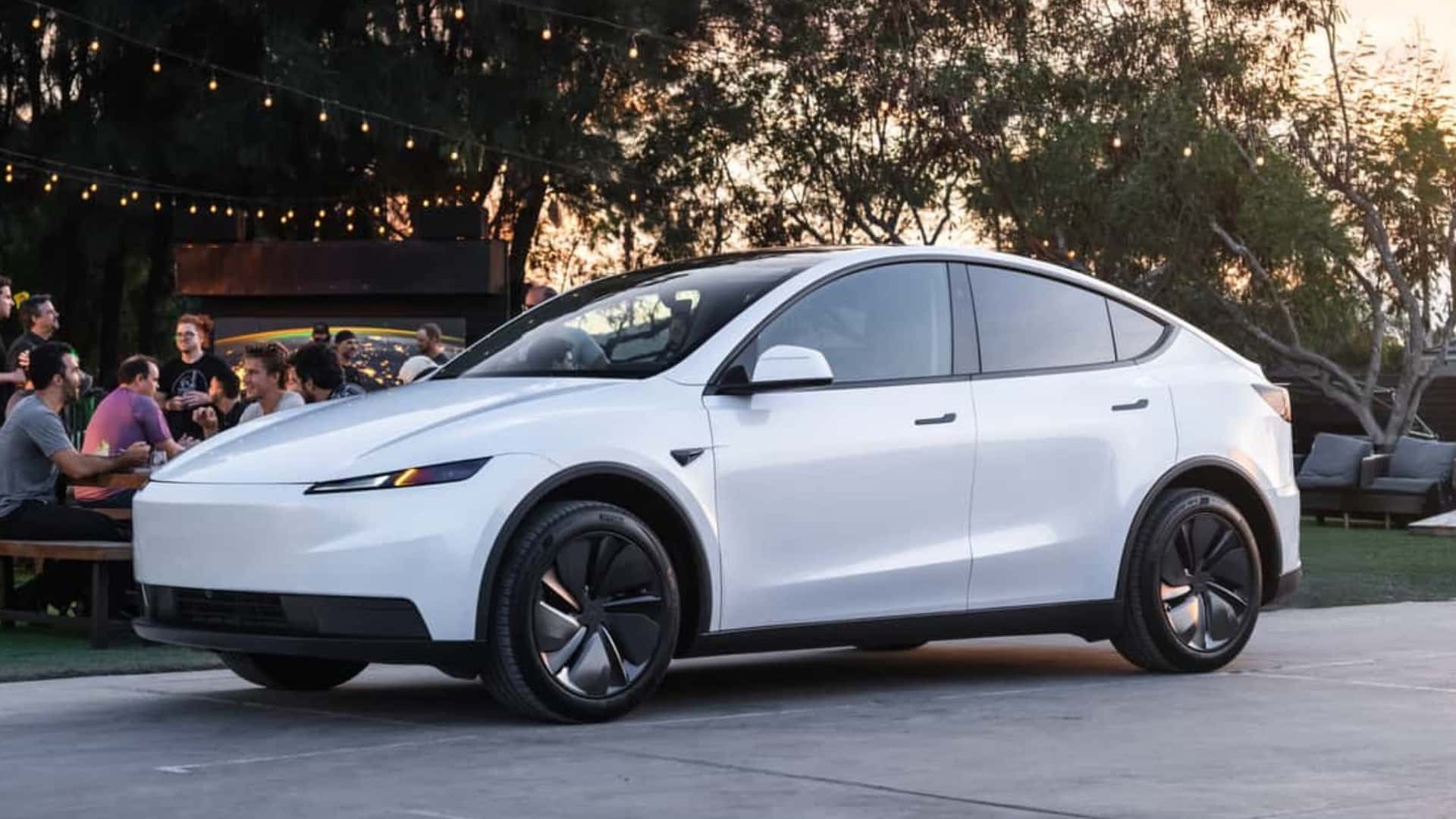
The competitive hierarchy of the EV space remains heavily skewed toward a single incumbent. In August, approximately 79,000 new EVs were sold in the United States, and Tesla accounted for nearly 41,000 of those transactions. Despite its commanding market share, Tesla’s volume dipped 3.8 percent from the previous month, signaling that even the segment leader is not immune to the cooling demand trends currently impacting the broader industry.
However, the "everyone else" category is showing notable signs of vitality. Toyota, which has historically taken a more measured approach to full electrification in favor of hybrid development, recorded a 34.9 percent surge in BEV sales, moving 4,964 units last month. This growth trajectory for legacy automakers indicates that while Tesla maintains its position as the industry benchmark, the diversification of product offerings from manufacturers like Toyota, Ford, and others is beginning to capture a larger share of consumer interest.
Closing the Price Gap
One of the most significant barriers to widespread EV adoption has been the premium pricing associated with battery technology. However, the data suggests that this gap is gradually narrowing. The average transaction price for a new electric vehicle dropped 1.3 percent in August, and is down 2.8 percent on a year-over-year basis.
While the average price of a new EV currently sits at $54,754, compared to $49,907 for an internal combustion engine vehicle, the delta is shrinking. As manufacturing efficiencies improve, supply chain costs stabilize, and automakers introduce more mass-market-oriented electric models, the prospect of price parity is moving from a distant objective to a near-term reality. This downward trend in pricing is essential for automakers aiming to transition beyond early adopters and into the broader mass-market demographic.
The Explosion of the Used EV Market
If new EV sales are navigating a period of stabilization, the used electric vehicle market is in the midst of a genuine boom. Cox Automotive reports that used EV sales surged 25.9 percent in August alone, with a year-to-date increase of 14.7 percent, totaling 44,350 units.
The primary driver of this trend is the influx of off-lease vehicles entering the secondary market. Three years ago, leasing was a popular entry point for many early EV adopters; those vehicles are now returning to dealerships and being offered at significantly more accessible price points. The average listing price for a used EV in August was $37,441, representing a 1 percent decrease from July. While this is 8.2 percent higher than the average price a year ago, it remains a far more attractive entry point for cost-conscious consumers than the current average price of a new vehicle.
Tesla continues to command the used market as well, capturing nearly 30 percent of total transactions. Nevertheless, the competition is fierce; Nissan and Kia reported substantial gains in the pre-owned segment, with sales increasing by 45.1 percent and 32.1 percent, respectively. This demonstrates that the secondary market is rapidly becoming a vital avenue for consumers looking to transition away from gasoline without the capital commitment required for a brand-new vehicle.
Consumer Preferences and Model Velocity
When examining specific model performance, the market shows a clear preference for proven platforms. The Tesla Model 3 and Model Y, along with the Ford Mustang Mach-E, remain the most sought-after vehicles in the segment. According to the latest analysis, these three models recorded the most significant month-over-month volume increases, proving that brand recognition and established infrastructure—such as access to reliable charging networks—are critical factors in consumer decision-making.
Industry Implications and Future Outlook
The current automotive landscape reflects a cautious consumer base prioritizing value and pragmatism. For manufacturers, the challenge lies in sustaining momentum in the new car market while navigating the inventory influx of the used sector.
The long-term success of the EV transition will likely depend on three pillars: the continued decline of battery production costs, the expansion of public charging infrastructure, and the maturation of the used market. As the population of used EVs grows, it creates a "ladder" of affordability. Consumers who might have been priced out of a new EV can now enter the market at a lower threshold, which in turn fosters brand loyalty and familiarity with electric powertrains.
Furthermore, the surge in hybrid popularity, while a different segment, serves as a bridge for many buyers. By offering a familiar driving experience with the added benefit of improved fuel efficiency, hybrids act as a gateway for consumers who are not yet prepared to commit to a full-battery-electric lifestyle. This trend is forcing manufacturers to recalibrate their production mix, moving away from a binary "gas vs. electric" strategy toward a more nuanced, multi-pronged approach that includes mild-hybrids, plug-in hybrids, and pure BEVs.
Ultimately, the data from August confirms that the market is in a recalibration phase. The hype of the early adoption years has transitioned into a more sober, demand-driven reality. As affordability improves and the secondary market deepens, the transition to electrification will continue, albeit at a pace dictated by economic feasibility rather than early-adopter enthusiasm. For the modern consumer, the "best" path to lowering fuel costs is no longer limited to a single technology, but rather a spectrum of options that are increasingly accessible, reliable, and cost-effective. As the industry looks toward the remainder of the year, the performance of the used market will likely remain a key indicator of how quickly the American public is ready to embrace the electric future.