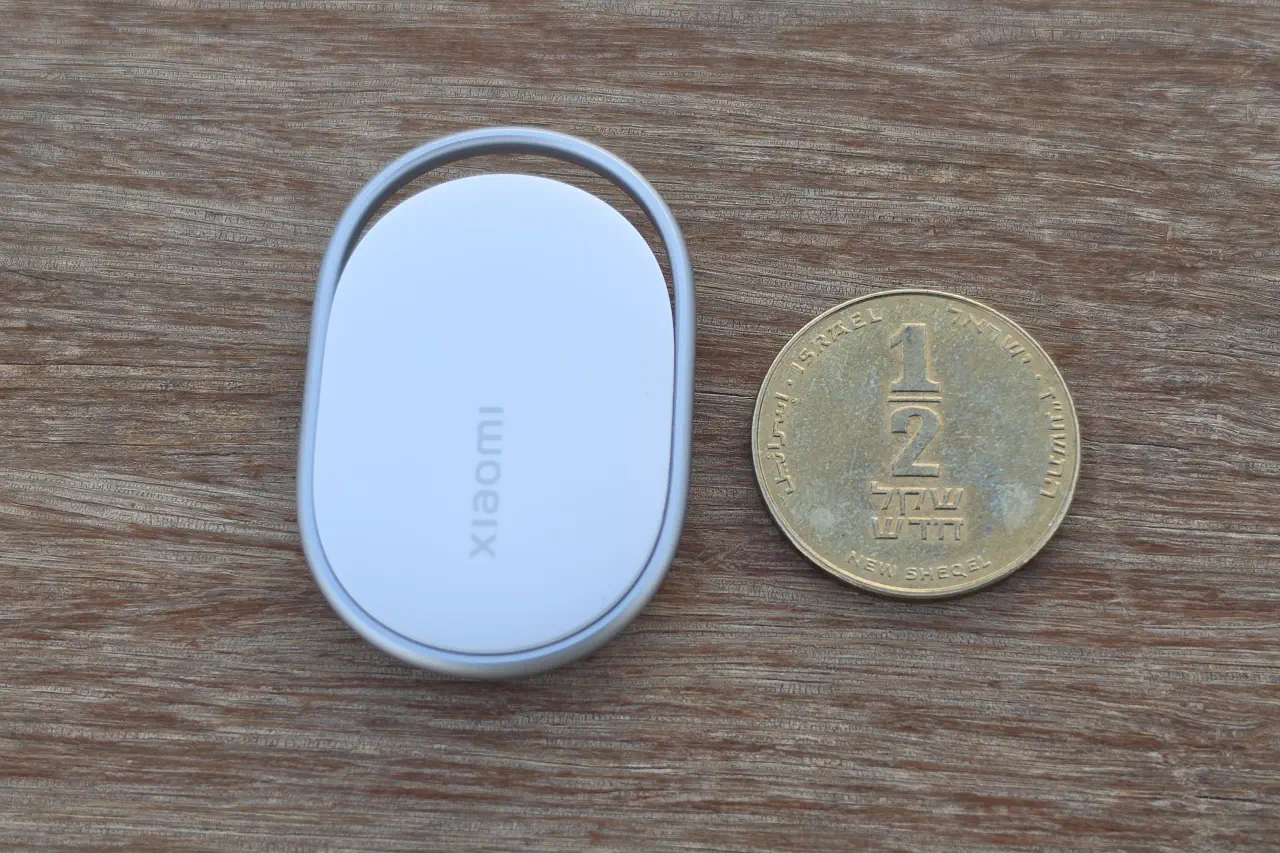
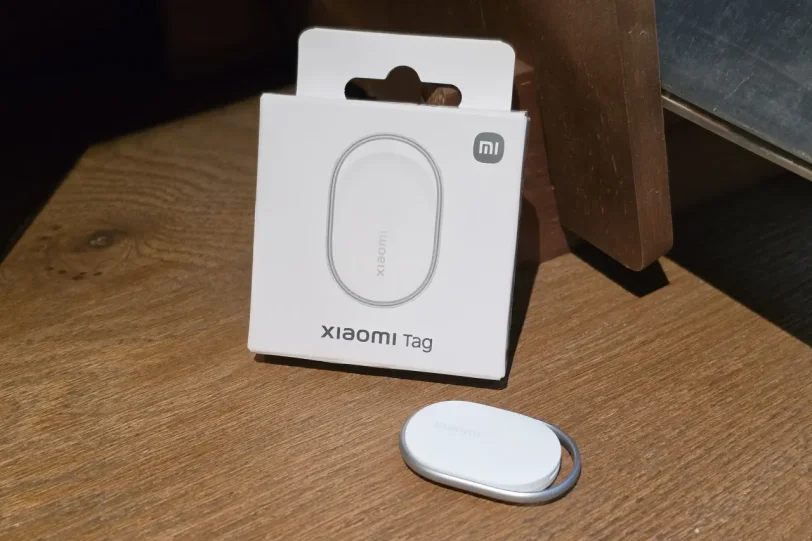
Xiaomi has officially expanded its ecosystem of connected lifestyle accessories with the introduction of its very first item-tracking device, the Xiaomi Tag. Designed to compete directly with established industry leaders like Apple’s AirTag and Samsung’s SmartTag, the new tracking beacon combines ultra-wideband (UWB) precision, Bluetooth Low Energy connectivity, and a unique dual-ecosystem tracking capability that bridges the gap between different mobile operating systems. The launch marks a significant milestone for the Chinese tech giant as it seeks to capture a larger share of the booming personal asset-tracking market.
Main Facts and Device Specifications
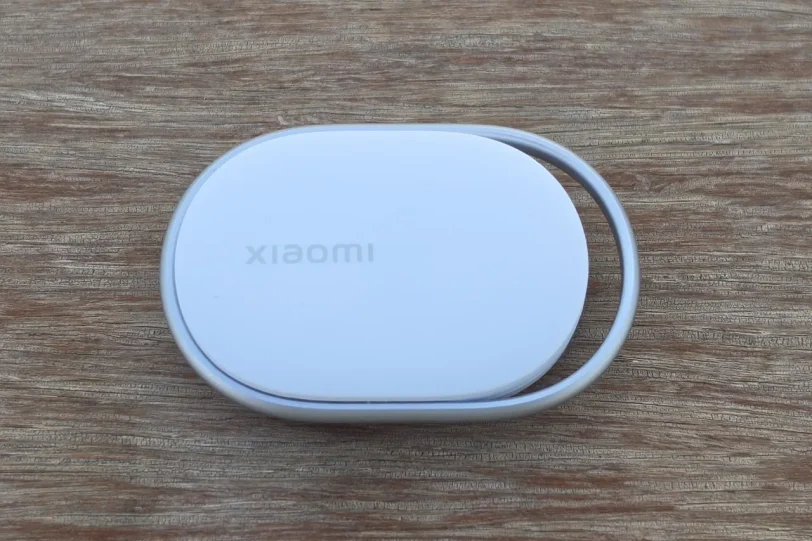
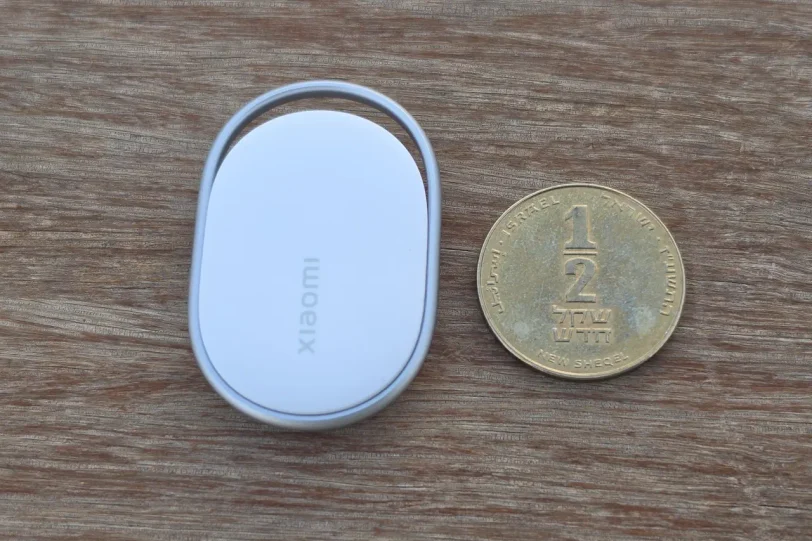
Measuring 46.5 x 31 x 7.2 millimeters and weighing a mere 10 grams, the Xiaomi Tag features a compact, lightweight form factor designed to be easily slipped into wallets, attached to keychains, or tucked inside luggage compartments. Despite its diminutive size, the tracker packs an impressive array of hardware features. It is built with an IP67-rated dust and water-resistant shell, ensuring durability against everyday hazards such as accidental splashes, rain, or brief submersion in shallow water.

At the core of the tracking mechanism is Bluetooth LE 5.4 for energy-efficient, long-range background connectivity. Additionally, the device incorporates Near Field Communication (NFC) technology, which allows finders of a lost tag to tap it with an NFC-enabled smartphone to quickly access owner contact information and retrieve lost mode details. For pinpoint location accuracy, higher-end variants of the Xiaomi Tag support Ultra-Wideband (UWB) technology, enabling centimeter-level directional tracking when paired with compatible smartphones that feature built-in UWB transceivers. Powering the unit is a standard user-replaceable CR2032 coin-cell battery, a widely available power source designed to deliver months of continuous operation before requiring a swap.
Chronology of the Smart Tracker Industry
The launch of the Xiaomi Tag arrives during a period of rapid maturation for the personal tracking device industry. Over the past several years, Bluetooth item finders have evolved from simple novelty gadgets into essential everyday utilities for millions of consumers worldwide. The market experienced a major paradigm shift with the introduction of crowdsourced location networks, which leverage millions of active smartphones worldwide to securely and anonymously relay the signal of a missing tracker.
Apple pioneered the modern crowdsourced tracking boom with the release of the AirTag in 2021, utilizing its massive global network of iOS devices. Competitors quickly followed suit, with Samsung expanding its SmartThings Find ecosystem and independent tracker manufacturers like Tile and Chipolo integrating into various platform frameworks. Xiaomi’s entry into this space represents the next logical step in the company’s hardware diversification strategy, building upon its vast portfolio of smartphones, smart home appliances, and wearable devices.
The Innovation of Find Hub and Cross-Platform Compatibility
One of the most noteworthy aspects of the Xiaomi Tag is its approach to software ecosystems. While traditional trackers are typically locked into a single proprietary network—forcing consumers to choose between Apple’s Find My or Android-centric alternatives—the Xiaomi Tag introduces a versatile dual-compatibility approach.
The device supports Xiaomi’s proprietary Find Hub network for Android users, delivering robust location-tracking features, proximity alerts, and community-driven search capabilities. However, engineering teams have also integrated seamless interaction with Apple’s Find My network for iOS users, allowing the tag to function effectively across different operating systems. When operating within the Find My ecosystem, the Xiaomi Tag benefits from Apple’s expansive global device network, enabling lost items to be located even in remote areas where Android device density might be lower.
This cross-ecosystem flexibility addresses a long-standing pain point for consumers who may use an Android tablet alongside an iPhone, or households with mixed device preferences. By refusing to lock users into a single walled garden, Xiaomi aims to lower the barrier to entry for prospective buyers.
Supporting Data and Pricing Structure
Market analysts have closely monitored the pricing strategies of item trackers, as affordability plays a critical role in driving multi-unit adoption. Users rarely purchase just a single tracker; they typically require multiple units to secure keys, wallets, backpacks, and pets simultaneously.
Xiaomi has positioned the Xiaomi Tag competitively within the global market. At launch, individual units are priced at approximately 79 ILS, making them an accessible entry point for casual buyers. For consumers looking to secure multiple valuables, multi-pack bundles are offered at approximately 279 ILS for a set of four tags. This aggressive pricing model undercuts several legacy competitors while offering advanced features such as UWB support and water resistance that are typically reserved for higher-priced alternatives.
Broader Impact and Industry Implications
The introduction of the Xiaomi Tag carries several broader implications for the consumer electronics market. First, it intensifies competition in the location-tracker segment, forcing established players to re-evaluate pricing and feature sets. As UWB technology becomes more standardized across mid-range and flagship smartphones, accessories that harness this precision will likely become the industry baseline.
Second, the proliferation of affordable, high-precision tracking devices continues to spark important conversations regarding privacy, security, and anti-stalking measures. Like its competitors, Xiaomi has integrated software safeguards to detect unknown trackers moving alongside users, helping to prevent malicious misuse of the technology while maintaining the primary utility of asset recovery.
As the Xiaomi Tag rolls out to international markets, industry watchers will be eager to see how consumer adoption unfolds and whether other major Android manufacturers will follow Xiaomi’s lead in offering multi-ecosystm compatibility for their tracking accessories.