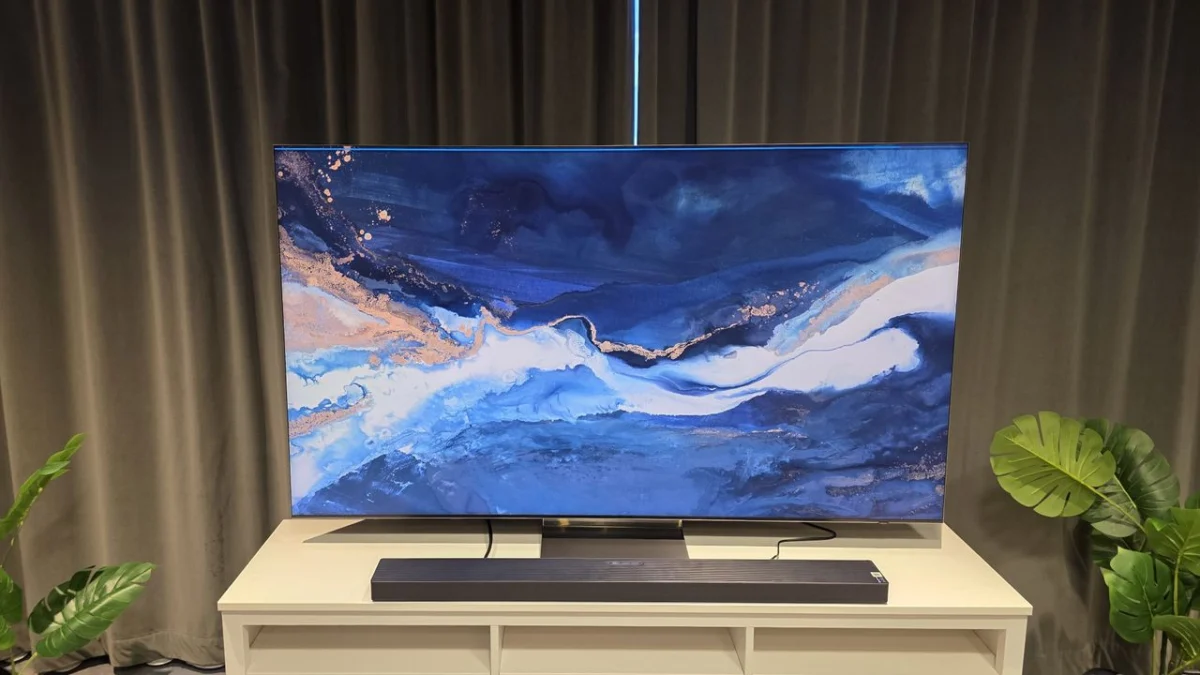
The promise of 8K television, once heralded as the next evolutionary leap in home entertainment, is facing a period of profound uncertainty. Recent inquiries into the future of this ultra-high-resolution technology have revealed a concerning reticence from major industry players, prompting questions about their past marketing strategies and the true longevity of 8K as a consumer-facing standard. This shift in industry sentiment, characterized by a notable lack of engagement and updates from key manufacturers, raises significant concerns for consumers who invested in 8K sets with the expectation of future-proofing their home cinema setups.
The Evolving Landscape of Television Resolution
For years, the narrative surrounding television technology has been dominated by a relentless pursuit of higher resolutions. From the advent of High Definition (HD) to the widespread adoption of 4K Ultra HD, each step up has offered demonstrably improved visual fidelity. 8K resolution represents the latest iteration in this progression, boasting a staggering 7680 x 4320 pixels, approximately four times the pixel density of 4K (3840 x 2160 pixels). This translates to a total of roughly 33.2 million pixels, compared to 4K’s approximately 8.3 million. The theoretical benefits include unparalleled detail, sharper images, and a more immersive viewing experience, especially on larger screen sizes.
A History of 8K Advocacy and Investment
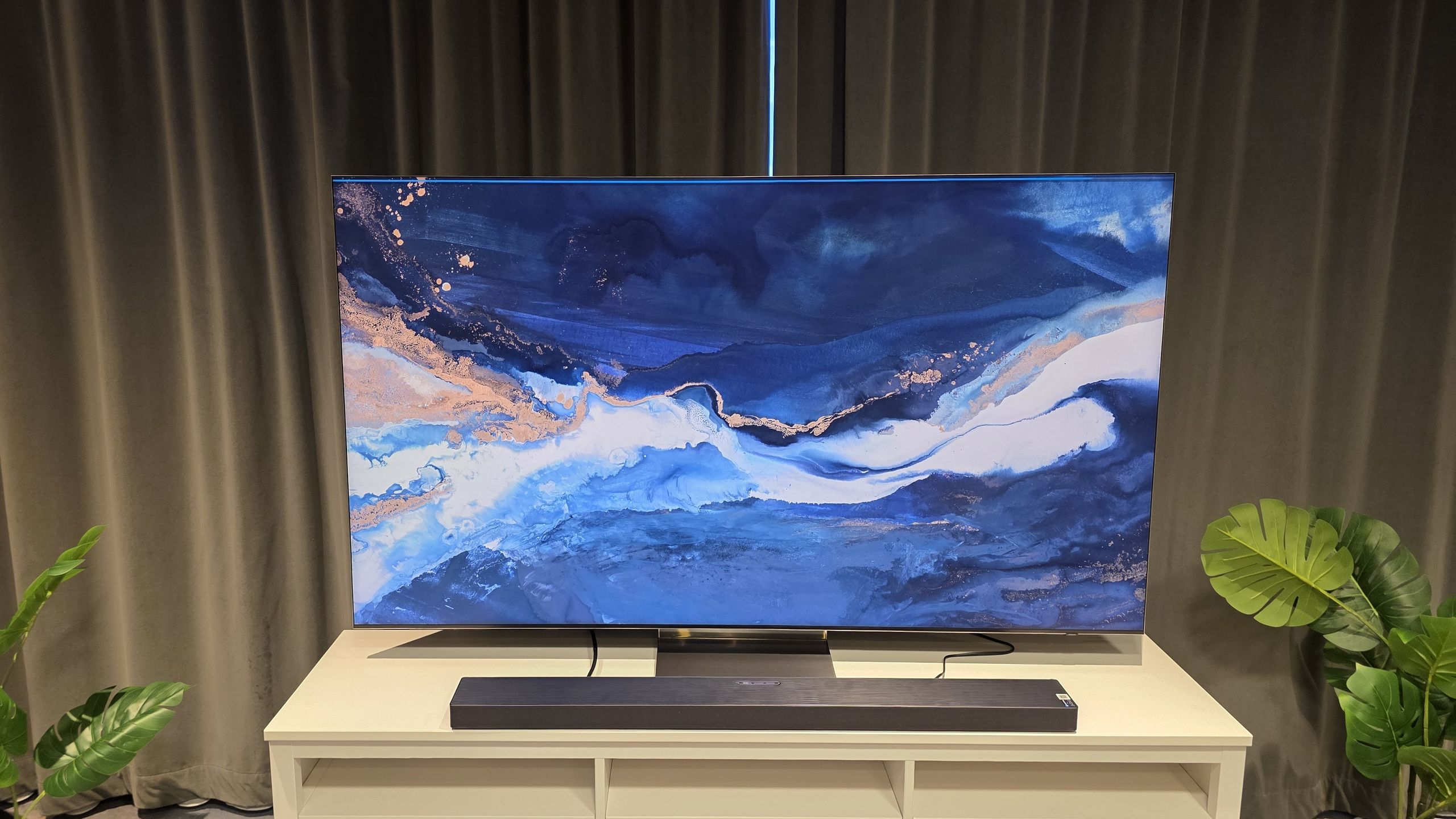
The push for 8K television began gaining significant traction in the early to mid-2010s. Samsung, in particular, emerged as a vocal proponent, consistently positioning 8K as the definitive future of home viewing. The South Korean electronics giant began manufacturing 8K televisions as early as 2018, investing heavily in research, development, and marketing to establish 8K as the next frontier. This commitment was evident in their product lines, with models like the Samsung QN900D, a 2024 8K Neo QLED TV, even garnering critical acclaim and awards, such as a five-star review from What Hi-Fi? and an associated award.
Other major manufacturers also dipped their toes into the 8K market. LG offered several generations of its Z-series 8K OLED televisions, aiming to bring the ultra-high-resolution experience to its premium OLED panels. Sony, too, introduced 8K models, including the Z9K 8K Mini LED television in 2022. These efforts, while significant, were often more fleeting. Both LG and Sony have since seemingly scaled back or entirely exited the 8K television market, leaving Samsung as the primary, and often solitary, major player actively promoting and producing 8K sets.
The Current Climate: Silence and Uncertainty
In preparation for the annual What Hi-Fi? Home Cinema Week event, a period dedicated to showcasing and discussing the latest in home entertainment technology, inquiries were made to several prominent companies regarding their 8K strategies. The responses, or rather the lack thereof, painted a stark picture. Typical replies included:
- "We can’t comment on this."
- "No updates right now."
- "We have no plans or updates to share for the technology."
- A more nuanced statement from one entity noted, "While 8K represents a significant technological milestone, its broader adoption will depend on the continued evolution of content and distribution ecosystems."
This widespread reticence is a significant departure from the enthusiastic promotion that characterized the 8K market in previous years. The collective silence suggests a lack of confidence or a strategic pivot away from 8K as a primary focus for future product development and marketing.
The Content Conundrum: The Achilles’ Heel of 8K
The most frequently cited barrier to 8K adoption has consistently been the scarcity of native 8K content. While televisions can upscale lower-resolution content, the true benefit of 8K resolution is only realized when viewing material mastered at that resolution. The production and distribution of 8K content require significant infrastructure and investment, from camera technology and post-production workflows to broadcasting capabilities and streaming platforms.
As of 2024, the amount of mainstream content available in native 8K remains extremely limited. While some niche productions and experimental broadcasts exist, the vast majority of available content is still in 4K or lower resolutions. This creates a significant content gap, where consumers investing in 8K displays have a limited ability to experience the technology at its full potential.
A Shifting Focus: New Technologies Emerge
The current landscape of television technology is not static. As the industry appears to be cooling on 8K, new advancements are gaining momentum and capturing the attention of both manufacturers and consumers.
RGB Mini LED: The "OLED Killer"?
One such area of intense development is RGB Mini LED technology. This display technology aims to combine the superior brightness and contrast capabilities of Mini LED backlighting with the precise pixel-level control of OLED. Several companies are actively promoting RGB Mini LED as the next big leap in picture quality, with some even positioning it as a potential successor or "OLED killer." Recent reviews of new models, such as Sony’s Bravia 7 II and Bravia 9 II, indicate that while impressive, the technology is still evolving, and its supremacy over established OLED panels is not yet definitively proven.
Dolby Vision 2: The Next Frontier in HDR?
Another emerging technology generating buzz is Dolby Vision 2. This advanced dynamic range format promises enhanced color accuracy, contrast, and brightness, further refining the HDR experience. While there is confirmation that some content is being produced in Dolby Vision 2, its widespread adoption and integration into consumer devices and content libraries are still in their nascent stages. The situation draws parallels with the early days of 8K, where a new, promising technology is being pushed as essential for future-proofing, despite a current lack of widespread content.
The "Boy Who Cried Wolf" Analogy: Consumer Trust and Marketing Ethics
The author’s analogy to the fable of "The Boy Who Cried Wolf" is particularly pertinent. For years, consumers were encouraged to view 8K televisions as a forward-thinking investment, a way to secure a future-proof home cinema experience. This marketing narrative, amplified by industry leaders, led some consumers, including dedicated enthusiasts and individuals with significant disposable income, to invest in expensive 8K sets.
The subsequent industry reticence and the lack of concrete future plans from manufacturers can be interpreted as a potential breach of trust. When companies actively promote a technology as the "future" and then appear to abandon or deprioritize it without clear communication, it can erode consumer confidence. This is especially true when consumers have made substantial financial commitments based on these pronouncements. The situation raises ethical questions about the responsibility of marketing and sales teams to provide accurate and sustainable guidance to consumers, rather than solely focusing on immediate sales targets.
Broader Implications for the Consumer Electronics Industry
The unfolding situation with 8K televisions has several broader implications for the consumer electronics industry:
- The Pace of Technological Obsolescence: Consumers are increasingly aware of the rapid pace at which technology evolves. The perceived abandonment of 8K highlights the risk associated with investing in cutting-edge technologies that may not achieve widespread adoption or may be superseded by newer, more viable alternatives.
- The Role of Content in Driving Hardware Adoption: This scenario underscores the critical interdependence between hardware innovation and content availability. Without a robust ecosystem of content to leverage new technologies, hardware advancements often struggle to gain traction.
- Transparency and Consumer Trust: The industry’s approach to 8K has implications for consumer trust. A lack of transparency regarding future roadmaps and the abrupt shift in focus can lead to skepticism and a reluctance to invest in new, unproven technologies.
- The Future of Premium Television: With 8K’s future uncertain, the focus is likely to remain on enhancing existing technologies like 4K, OLED, and Mini LED, alongside the development of next-generation HDR formats and immersive audio solutions. The "future of TV" may lie in refining and perfecting current technologies rather than entirely new resolutions.
Looking Ahead: Hopes for a Surprise or a Gradual Fade
While the current outlook for 8K television appears bleak, a sliver of hope remains. The silence from manufacturers could, in an optimistic scenario, be interpreted as a strategic move to withhold a significant, game-changing 8K announcement. Such an announcement would need to address the content gap and demonstrate a clear, compelling path forward for the technology.
However, given the current industry trends and the emergence of other promising display technologies, the more probable scenario is a gradual fade for 8K as a mainstream consumer aspiration. It may eventually re-emerge as a niche technology for specific professional applications or as a premium feature in ultra-high-end, limited-production models.
For consumers who have already invested in 8K televisions, the immediate concern is the diminishing value proposition as the technology fails to gain widespread traction. The hope is that manufacturers will continue to support these sets with software updates and that the existing 4K upscaling capabilities will remain effective for the foreseeable future. Ultimately, the saga of 8K television serves as a potent reminder that while technological innovation is exciting, a balanced approach, considering content availability, industry commitment, and genuine consumer benefit, is crucial for the success of any new technology. The industry must learn from past experiences and strive for greater transparency to maintain the trust of its most dedicated customers.