SCHAFFHAUSEN, Switzerland — Garmin Ltd. (NYSE: GRMN) has officially announced the acquisition of TrainingPeaks and TrainHeroic, two of the most prominent digital platforms in the athletic coaching and performance analytics sector. The acquisition, announced on July 22, 2026, marks a significant expansion of Garmin’s fitness division, integrating specialized endurance and strength training tools into its global ecosystem. While financial terms of the transaction were not disclosed, the move signals Garmin’s intent to deepen its relationship with professional coaches and serious athletes while potentially pivoting toward a more robust subscription-based service model.
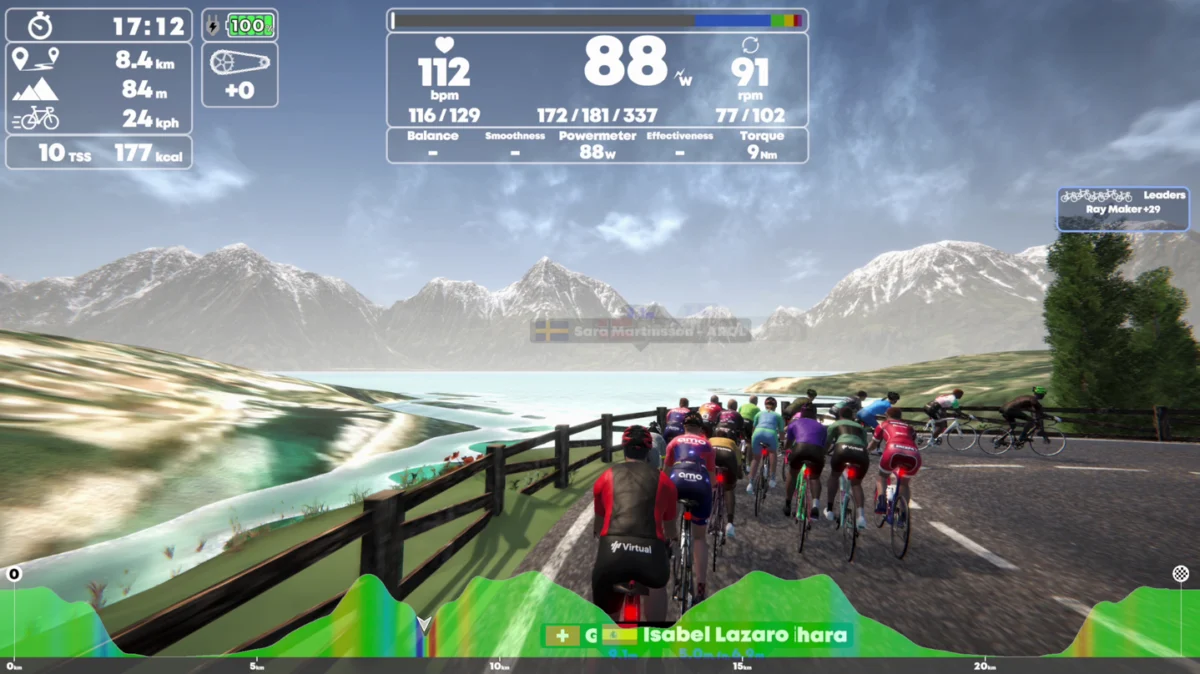
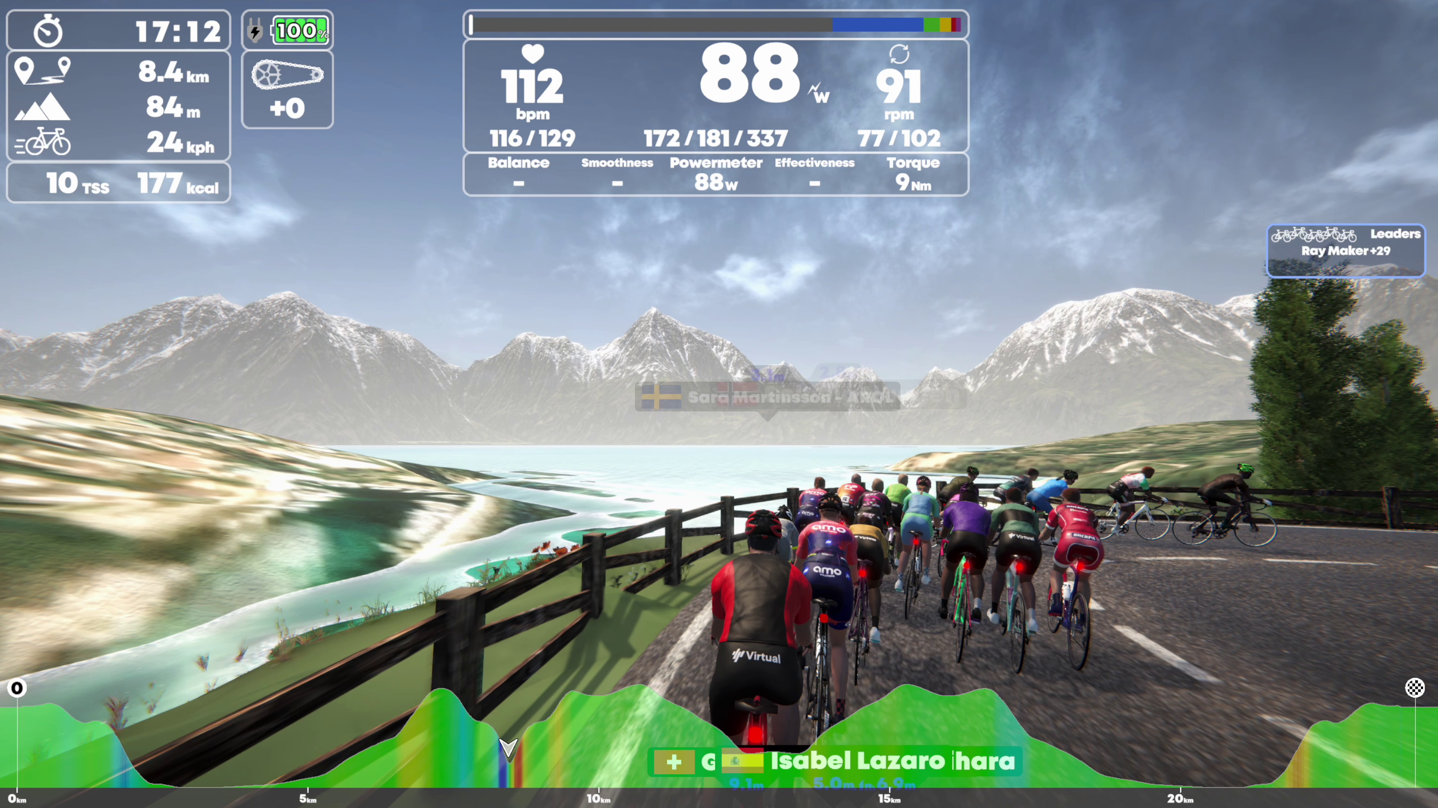
TrainingPeaks, headquartered in Louisville, Colorado, has long been regarded as the industry standard for endurance athletes and coaches. Its sister platform, TrainHeroic, focuses on the strength and conditioning market, providing tools for gym-based performance tracking. As part of the agreement, approximately 120 employees from both platforms will join Garmin’s global workforce. The acquisition also includes TrainingPeaks Virtual, the indoor cycling platform formerly known as IndieVelo, which TrainingPeaks acquired in late 2024 to compete with established virtual cycling services like Zwift.
Strategic Objectives and Official Responses
The acquisition is designed to bridge the gap between Garmin’s hardware dominance and the high-level analytical needs of the coaching community. By bringing TrainingPeaks and TrainHeroic under its corporate umbrella, Garmin aims to provide a seamless, end-to-end experience for athletes—from capturing biometric data on wearable devices to receiving structured, science-based instruction from human coaches.
Brad Trenkle, Garmin’s Co-Chief Operating Officer, emphasized the shared mission of the organizations. "TrainingPeaks and TrainHeroic share Garmin’s passion for empowering athletes and coaches around the world with world-class training tools, performance metrics, and actionable insights," Trenkle stated. "The addition of these highly successful platforms to the Garmin ecosystem will expand access to more authentic coaching experiences—connecting athletes with professional coaches who guide, motivate, and inspire them to reach their goals."
Andy Stephens, CEO of Peaksware Holdings—the former parent company of the two platforms—echoed these sentiments. Stephens noted that the partnership would "democratize coaching and performance insights," leveraging Garmin’s vast resources to enhance the data-driven, structured training that has been the hallmark of TrainingPeaks for over two decades.
Following the public announcement, TrainingPeaks leadership reached out to its network of certified coaches to provide reassurance regarding the platform’s future. Lee Gerakos, Managing Director of TrainingPeaks, confirmed that the platform would continue to operate as a "cross-platform ecosystem." This is a critical distinction for the industry, as it suggests that athletes using hardware from Garmin’s competitors, such as Wahoo, Suunto, or Polar, will still be able to sync their data to TrainingPeaks without immediate restriction.
A Chronology of Growth: The Path to Acquisition
The acquisition of TrainingPeaks is the culmination of a decades-long evolution in the fitness technology sector. TrainingPeaks was founded in the late 1990s by Joe Friel, Dirk Friel, and Gear Fisher, born out of a necessity for a more efficient way for coaches to deliver training plans to athletes via the burgeoning internet.
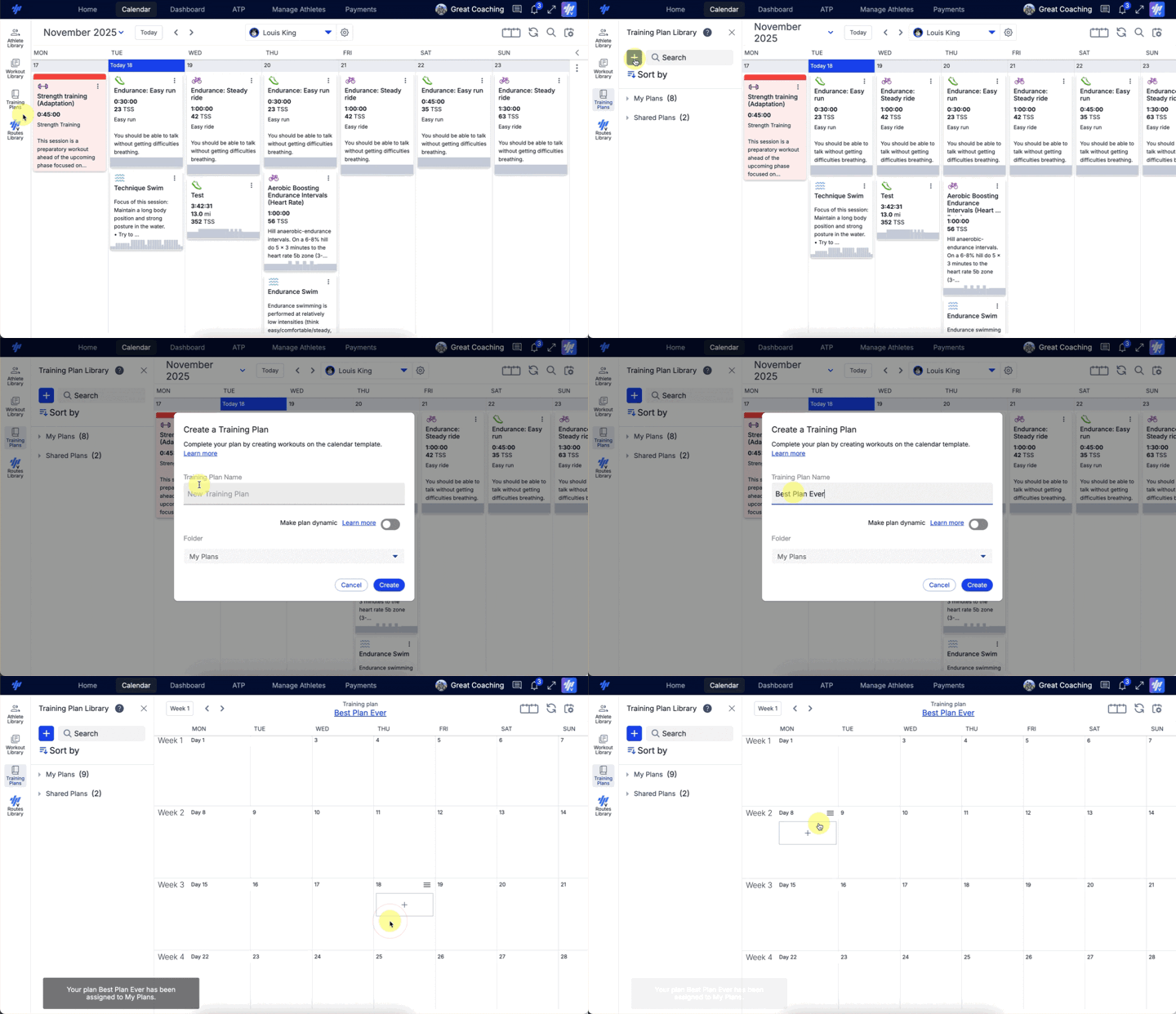
- 1999–2000: TrainingPeaks launches as one of the first web-based training logs for endurance athletes.
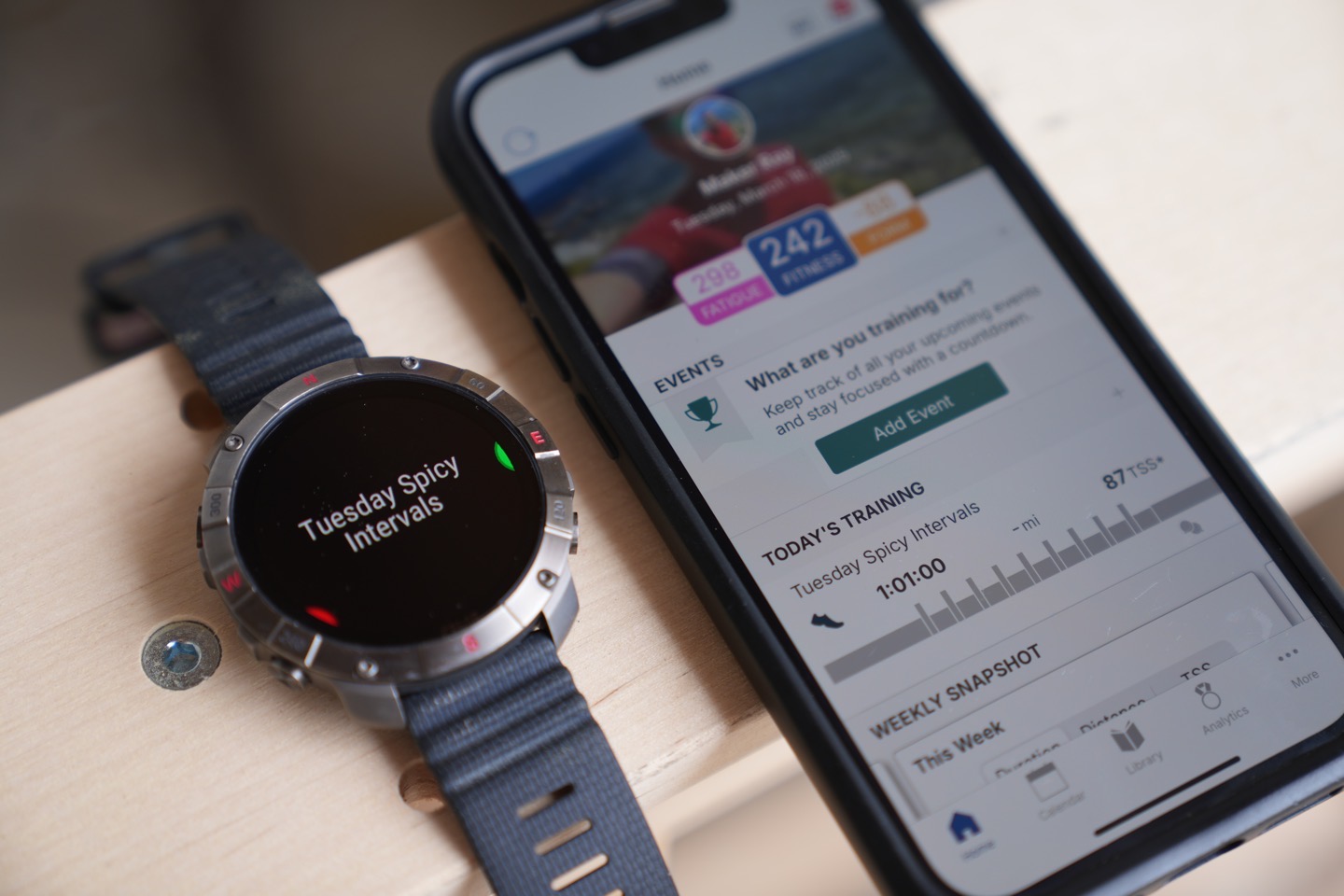
- 2008–2012: The platform becomes the de facto standard for IRONMAN triathletes and professional cycling teams, introducing proprietary metrics such as Training Stress Score (TSS), Normalized Power (NP), and Intensity Factor (IF).
- 2013–2020: Peaksware Holdings expands its reach, incorporating TrainHeroic to capture the growing strength and conditioning market.
- 2024: TrainingPeaks acquires IndieVelo, a physics-based indoor cycling simulator, rebranding it as TrainingPeaks Virtual to provide a comprehensive indoor-outdoor training solution.
- 2026: Garmin Ltd. acquires the fitness assets of Peaksware Holdings, integrating the platforms into its multi-billion dollar fitness segment.
Garmin’s own history of acquisitions provides a blueprint for how TrainingPeaks might be managed. In 2019, Garmin acquired Tacx, a leader in indoor bike trainers and software. In 2020, it purchased Firstbeat Analytics, the firm responsible for the physiological heart-rate analytics found in millions of wearable devices. These acquisitions have historically allowed Garmin to internalize key technologies while maintaining some level of service to third parties, though often prioritizing the Garmin hardware experience.
Supporting Data and Market Position
The scale of this acquisition is best understood through the lens of Garmin’s existing market reach. Garmin’s fitness segment has consistently been a primary driver of its corporate revenue, fueled by the popularity of the Forerunner, fēnix, and Edge product lines. As of 2025, Garmin’s active user base was estimated to be in the tens of millions, with users generating vast amounts of daily activity data.
In contrast, TrainingPeaks serves a more specialized, high-intent demographic. While its user count is smaller than Garmin’s total user base, its users are significantly more likely to pay for premium subscriptions and professional coaching services. TrainHeroic adds another layer of value, boasting over 500,000 users and 10,000 coaches focused on strength and conditioning—an area where Garmin has been actively trying to expand its software capabilities.
The inclusion of TrainingPeaks Virtual is also a strategic move into the indoor training market. By owning a virtual cycling platform, Garmin positions itself to compete more directly with Zwift, especially if it chooses to bundle virtual training with its hardware sales or existing Garmin Connect+ subscriptions.
Implications for the Coaching Industry and Competitors
The acquisition raises several questions regarding the future of data neutrality in the fitness industry. Historically, TrainingPeaks has succeeded by being hardware-agnostic. Coaches rely on the platform because it allows them to manage athletes regardless of whether they use a Garmin watch, a Wahoo bike computer, or a COROS wearable.
If Garmin were to eventually restrict third-party data uploads or prioritize Garmin device data, it could trigger a migration of coaches to alternative platforms such as Today’s Plan or Final Surge. However, Garmin’s management of Firstbeat Analytics suggests a more nuanced approach: while Garmin stopped licensing Firstbeat metrics to new competitors, it continued to honor existing contracts for a period, eventually making the "Firstbeat Powered" experience a unique selling point for Garmin hardware.
For competitors like Wahoo and COROS, the acquisition is a double-edged sword. On one hand, it removes a neutral third-party partner from the board. On the other hand, it may drive those companies to collaborate more closely on a competing open-standards platform to ensure their users are not locked out of the premium coaching market.
Analysis: The Rise of the Subscription Ecosystem
The primary driver behind this acquisition appears to be the growth of Garmin Connect+, the company’s premium subscription tier. Historically, Garmin has struggled to convince its hardware-buying customers to pay a recurring monthly fee for software, as most of its features have been included for free with the purchase of a device.
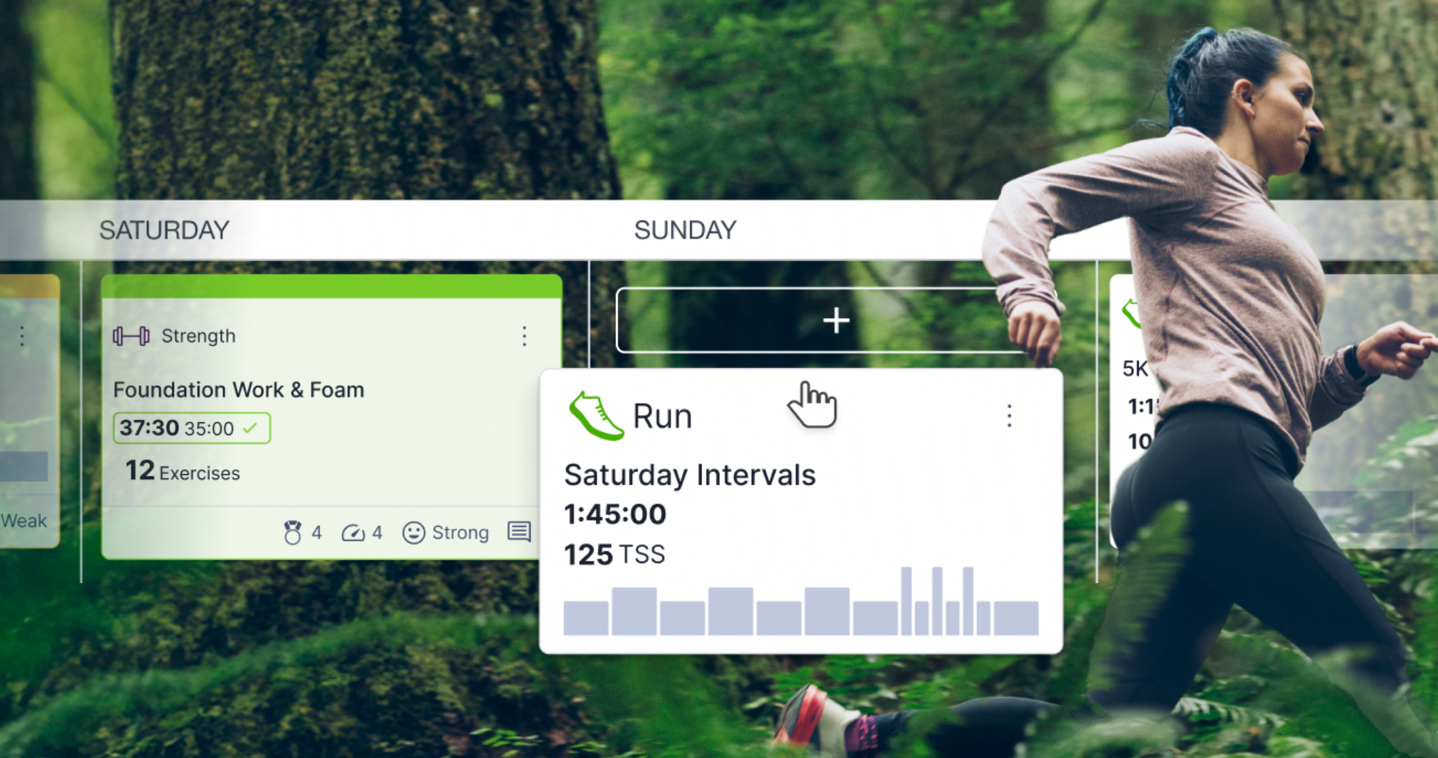
By integrating TrainingPeaks’ premium analytics and TrainingPeaks Virtual’s indoor cycling environment into a unified Garmin Connect+ offering, Garmin creates a much more compelling value proposition. A tiered subscription model could look as follows:
- Standard: Free access to Garmin Connect for basic health and activity tracking.
- Connect+ Core: Access to advanced analytics, TrainingPeaks Virtual, and structured training plans.
- Connect+ Professional: Full TrainingPeaks coaching suite integration for professional coaches and elite athletes.
This shift toward services is essential for Garmin to maintain its valuation in a market where hardware cycles are lengthening and AI-driven coaching apps are beginning to disrupt traditional training methodologies. While AI coaching has grown in popularity for entry-level athletes, the "human-in-the-loop" model championed by TrainingPeaks remains the gold standard for high-performance sports. Garmin is betting that by owning the platform where these human connections happen, it can secure a loyal, high-paying customer base for years to come.
Technical Integration Challenges
From a technical standpoint, merging the TrainingPeaks infrastructure with Garmin Connect will be a formidable task. TrainingPeaks operates on a legacy architecture optimized for coaching workflows, while Garmin Connect is built to handle massive scale for consumer-grade health tracking. Industry experts suggest that the two will likely continue to operate as separate entities in the short term, with "bridge" integrations allowing for smoother data flow before any attempt at a deep structural merger.
Furthermore, Garmin must decide how to handle the licensing of TrainingPeaks’ proprietary metrics. Currently, many third-party devices display TSS and NP. If Garmin chooses to pull these licenses to create hardware exclusivity, it would force a significant shift in how power-based training is marketed across the industry.
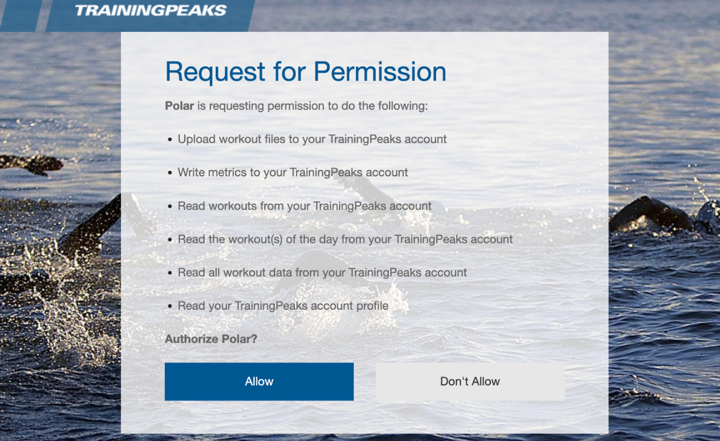
As the 120 associates from Louisville join the Garmin team, the focus will likely remain on stability and maintaining the trust of the coaching community. For now, the acquisition represents a major consolidation of power in the endurance sports world, placing the most influential hardware manufacturer and the most influential coaching software under a single roof. Whether this leads to a more integrated, better experience for the athlete or a more closed, restrictive ecosystem will be the defining story of the fitness tech industry in the coming years.