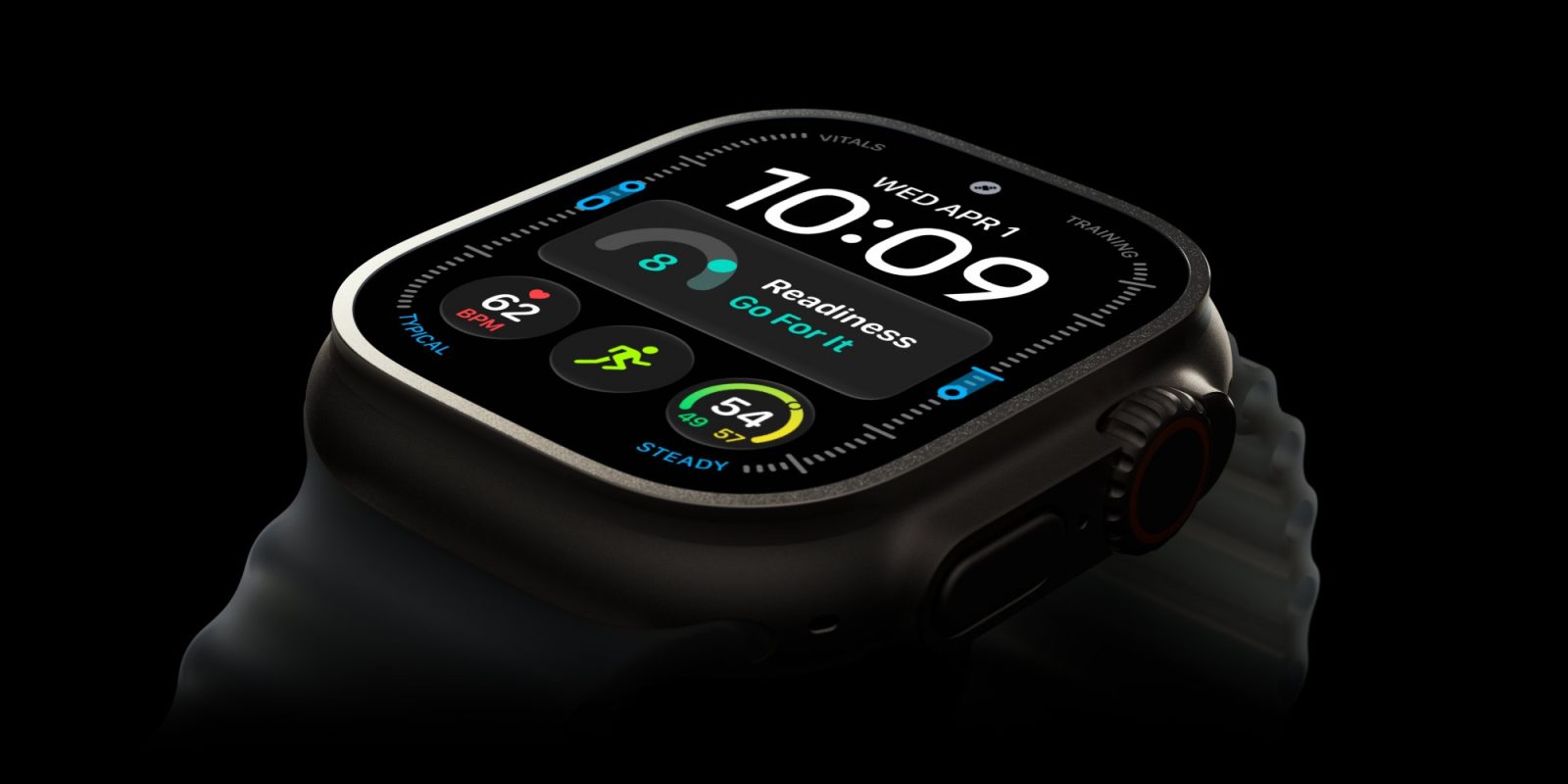
The recent launch of the Apple Watch Series 12 and the Apple Watch Ultra 4 has signaled a significant shift in wearable technology, moving beyond fitness and health tracking toward a more integrated, AI-assisted personal assistant model. While the hardware itself introduces notable improvements in battery life, display brightness, and sensor sensitivity, the most anticipated developments are software-defined. Later this year, Apple is set to deploy a major update as part of watchOS 27, introducing two transformative "Audio Intelligence" features: Siri Recap and Live Rewind. These capabilities leverage the expanded processing power of the new S-series chips to handle complex ambient audio analysis directly on the wrist, marking a milestone in how users interact with their environment.
The Evolution of Apple Intelligence on Wearables
The introduction of Siri Recap and Live Rewind represents the next chapter of Apple’s broader "Apple Intelligence" initiative. Since the initial rollout of large language models (LLMs) across its ecosystem, Apple has focused on keeping data processing localized to the device. By bringing these specific AI tools to the Apple Watch, the company is positioning the wrist-worn device as a primary node for real-time information synthesis.
Historically, the Apple Watch has acted as a satellite to the iPhone, mirroring notifications and facilitating quick actions. With watchOS 27, however, the device is transitioning into an active listener capable of parsing context. This evolution mirrors the trajectory of the iPhone’s own intelligence features, yet the Watch presents a unique engineering challenge: managing intensive AI workloads while preserving battery life—a primary concern for users of the Ultra 4.
Siri Recap: Ambient Contextual Synthesis
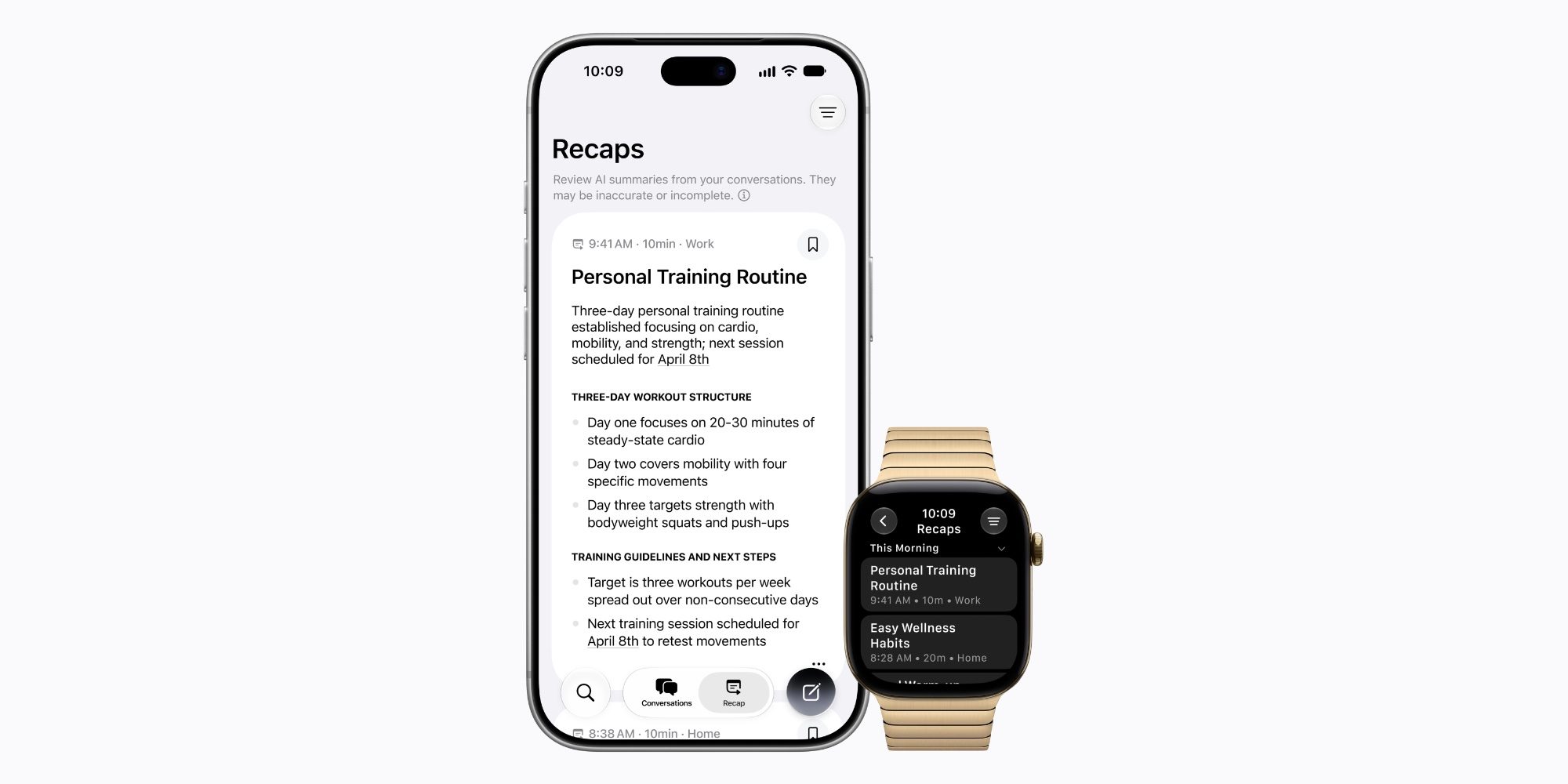
Siri Recap is designed to act as a digital secretary for the user’s day. According to official documentation from Apple, the feature operates in the background, ambiently processing audio during conversations. The system then utilizes on-device Apple Intelligence to synthesize these interactions into high-level summaries.
The primary utility of Siri Recap lies in its ability to offload cognitive tasks. In a professional environment, for instance, a user might engage in multiple meetings throughout the day. Siri Recap can compile the core points of these discussions, allowing the user to remain present during the actual conversation rather than focusing on manual note-taking.
Data security remains a critical component of this feature. Apple has confirmed that all processing for Siri Recap is performed on-device, ensuring that audio logs are not transmitted to external servers for training purposes. Furthermore, the system includes an automatic privacy safeguard: all generated summaries are purged from the device after seven days unless the user explicitly chooses to archive them. This "ephemeral by design" approach addresses potential concerns regarding the privacy of ambient audio recording.
Live Rewind: Instantaneous Accessibility
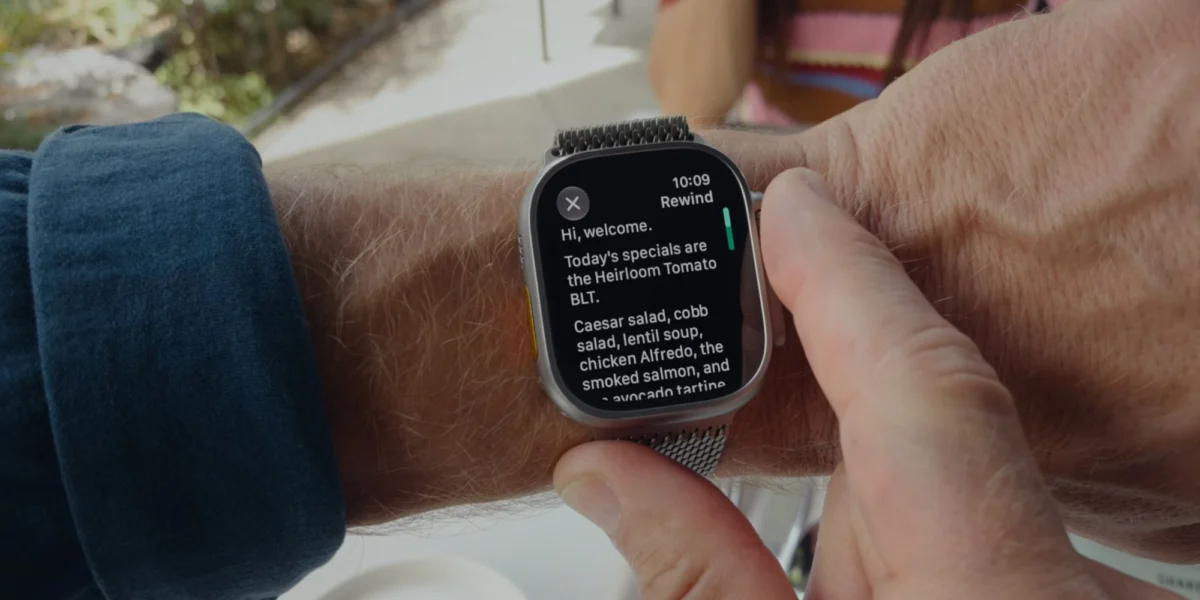
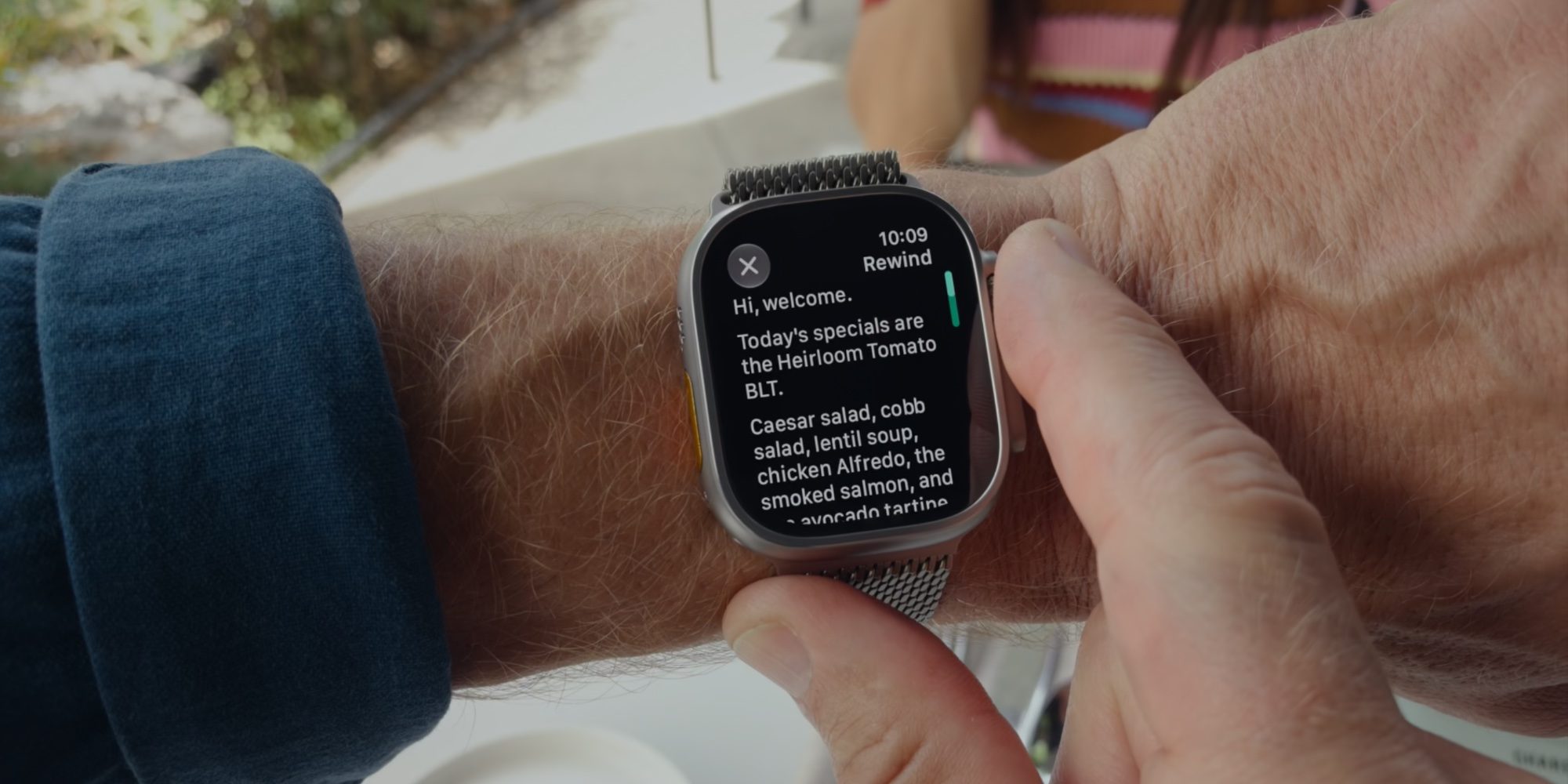
While Siri Recap focuses on long-term synthesis, Live Rewind addresses the immediate need for clarity. Activated by a double-press of the Digital Crown, Live Rewind provides a textual transcript of the audio captured in the previous 15 seconds. This feature is particularly valuable for users who may have missed a phrase in a loud environment, those who are hard of hearing, or individuals navigating complex information streams in real-time.
The technical implementation of Live Rewind involves a rolling 15-second buffer of audio data. When the user initiates the command, the Apple Watch’s neural engine transcribes the buffered audio, displaying it on the screen. Users have the option to ask Siri follow-up questions regarding the transcript or save the text snippet to the native Siri app for future reference. This functionality significantly lowers the barrier to accessing auditory information, positioning the Apple Watch as an essential tool for cognitive and auditory accessibility.
Chronology and Deployment Schedule
The integration of these features follows a structured timeline established during the product announcement cycle in September 2026.
- September 2026: Apple officially unveils the Apple Watch Series 12 and Apple Watch Ultra 4, highlighting their enhanced Neural Engine performance.
- Late Q3 2026: Initial developer betas for watchOS 27 are seeded, providing the first look at the integration of Audio Intelligence features.
- Q4 2026 (Projected): Official public release of the watchOS 27 update, enabling Siri Recap and Live Rewind for all compatible users.
This phased rollout allows Apple to refine the accuracy of its speech-to-text models before mass-market adoption. Industry analysts note that this approach is standard for Apple, which prioritizes the reliability of its "Intelligence" features over immediate availability.
Technical Analysis and Privacy Implications
The shift toward on-device audio processing is supported by the hardware architecture of the Series 12 and Ultra 4. The internal processors are optimized for low-latency inference, which is a requirement for features like Live Rewind, where speed is the primary value proposition.
Privacy remains the most scrutinized aspect of this rollout. In an accompanying white paper, Apple details the "Private Cloud Compute" and on-device processing protocols that govern these features. By limiting the scope of data collection and ensuring that no audio is stored long-term without user intervention, Apple aims to mitigate the "always-listening" stigma that often plagues consumer-grade AI products. From a market perspective, this is a strategic move to differentiate Apple’s ecosystem from competitors who may rely more heavily on cloud-based processing, which carries a higher risk profile regarding user data.
Broader Impact on the Wearable Market
The introduction of these features changes the competitive landscape for smartwatches. While competitors have experimented with voice-to-text and AI summaries, Apple’s integration is characterized by its seamlessness and its focus on privacy. By embedding these capabilities directly into the operating system, Apple is increasing the "stickiness" of its wearable platform.
For the enterprise sector, these features could prove revolutionary. The ability to capture and summarize discussions on the fly effectively turns the Apple Watch into a professional productivity tool rather than just a health-monitoring accessory. However, it also raises questions regarding workplace privacy and the etiquette of using AI-powered recording tools in professional settings.
Experts suggest that as these features gain traction, we will likely see a debate regarding the appropriateness of ambient recording in public and private spaces. Apple has attempted to get ahead of this by providing clear indicators on the watch face when the device is actively processing audio, but the social adoption of such technology remains an open question.

Conclusion
The forthcoming update to watchOS 27, headlined by Siri Recap and Live Rewind, confirms Apple’s commitment to making the Apple Watch an indispensable component of the modern professional’s toolkit. By focusing on ambient intelligence, the company is moving toward a future where the device actively helps the user manage their time, memory, and information flow.
As the public release date approaches, the technology community will be watching closely to see how the software performs under real-world conditions. For now, the combination of the robust hardware found in the Series 12 and Ultra 4 and the promise of sophisticated on-device intelligence provides a compelling argument for the current generation of Apple’s wearables. Whether these features become daily habits for users or remain specialized tools for accessibility, they represent a pivotal moment in the development of AI-driven consumer electronics.