








The teardown process, led by iFixit’s Shahram Mokhtari, highlights the ongoing tension between Apple’s industrial design aesthetic—defined by sleek, water-resistant, and compact casings—and the pragmatic requirements of hardware maintenance. While the industry has seen a push toward more modular consumer electronics, the latest iterations of the Apple Watch continue to present significant hurdles for both professional technicians and DIY enthusiasts.
Inside the Apple Watch Ultra 4: Stagnation in Repairability
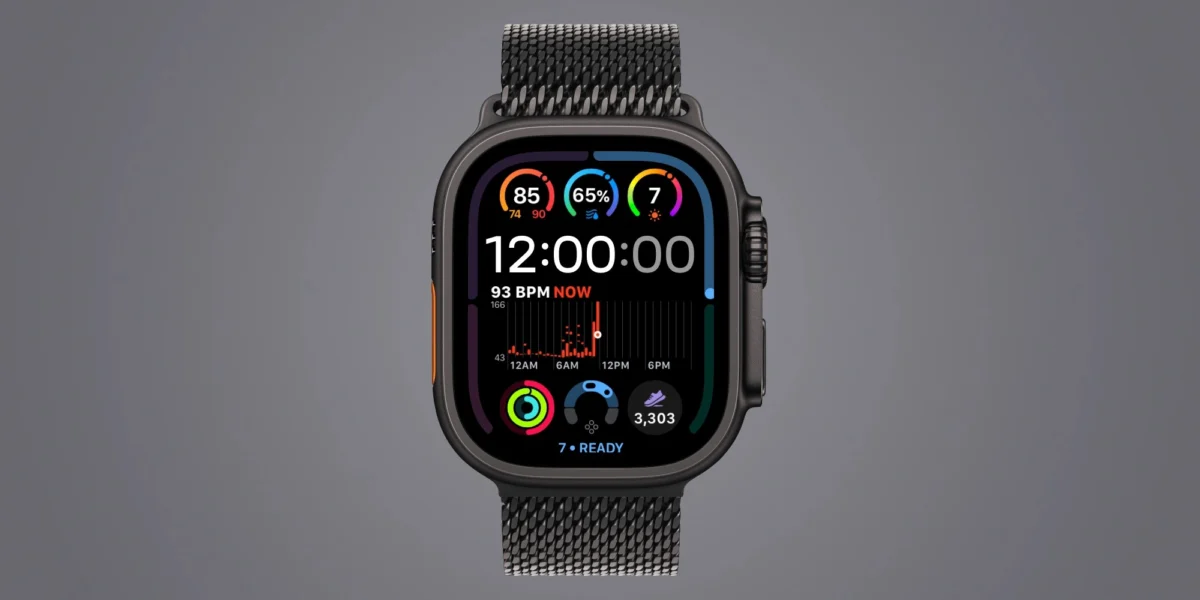
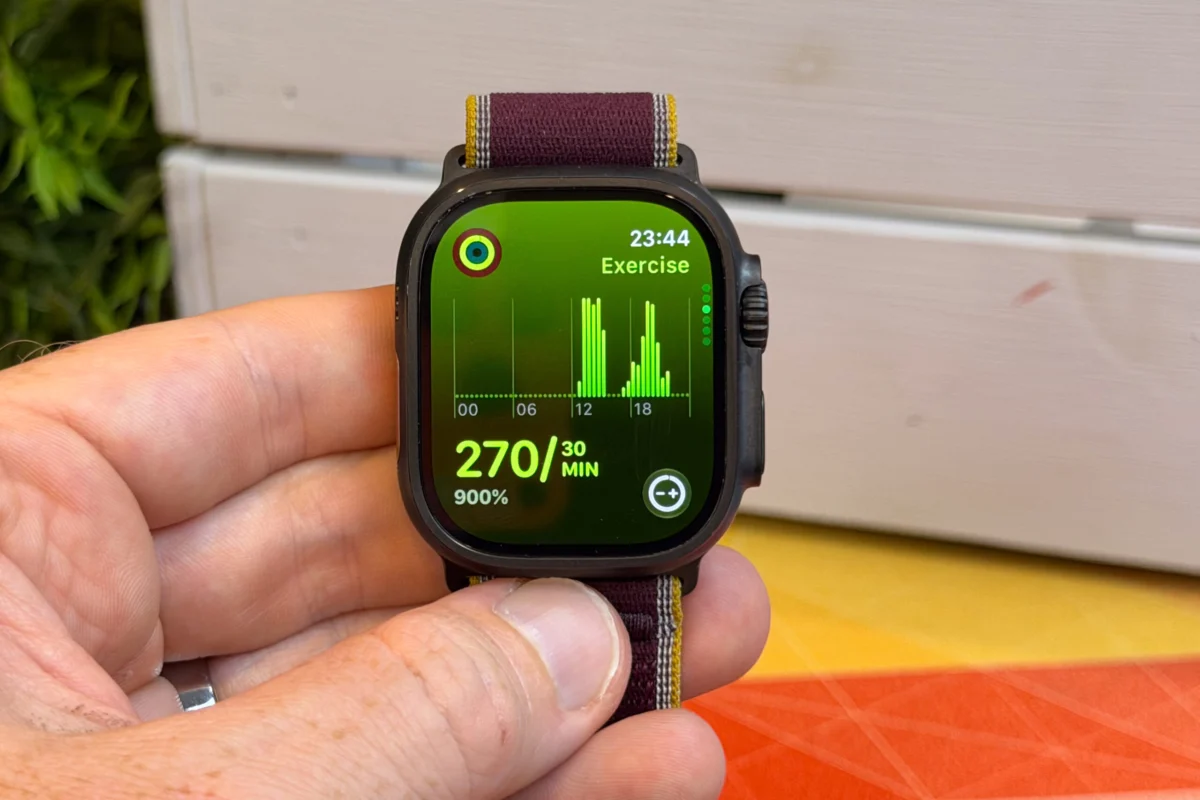
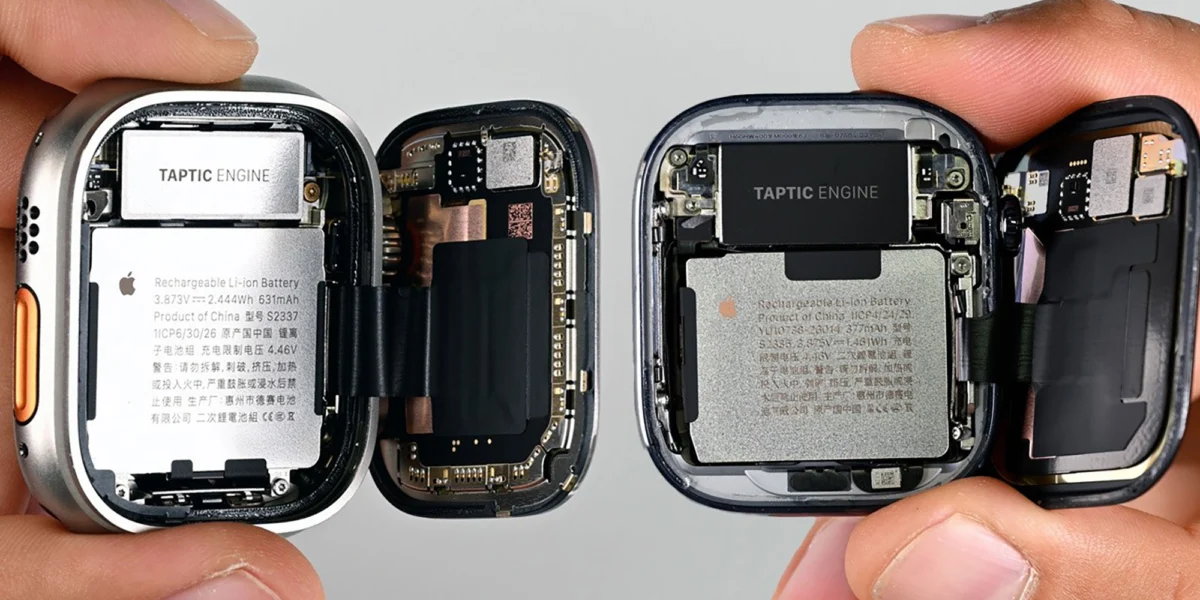
The Apple Watch Ultra 4 continues to be the flagship of Apple’s wearable lineup, designed for extreme environments and intensive athletic use. However, when it comes to internal serviceability, the Ultra 4 mirrors the constraints of its predecessor, the Ultra 3. During the teardown, Mokhtari utilized a specialized metal prying tool to bypass the factory-sealed display, a necessary first step that remains the most high-risk phase of any repair.
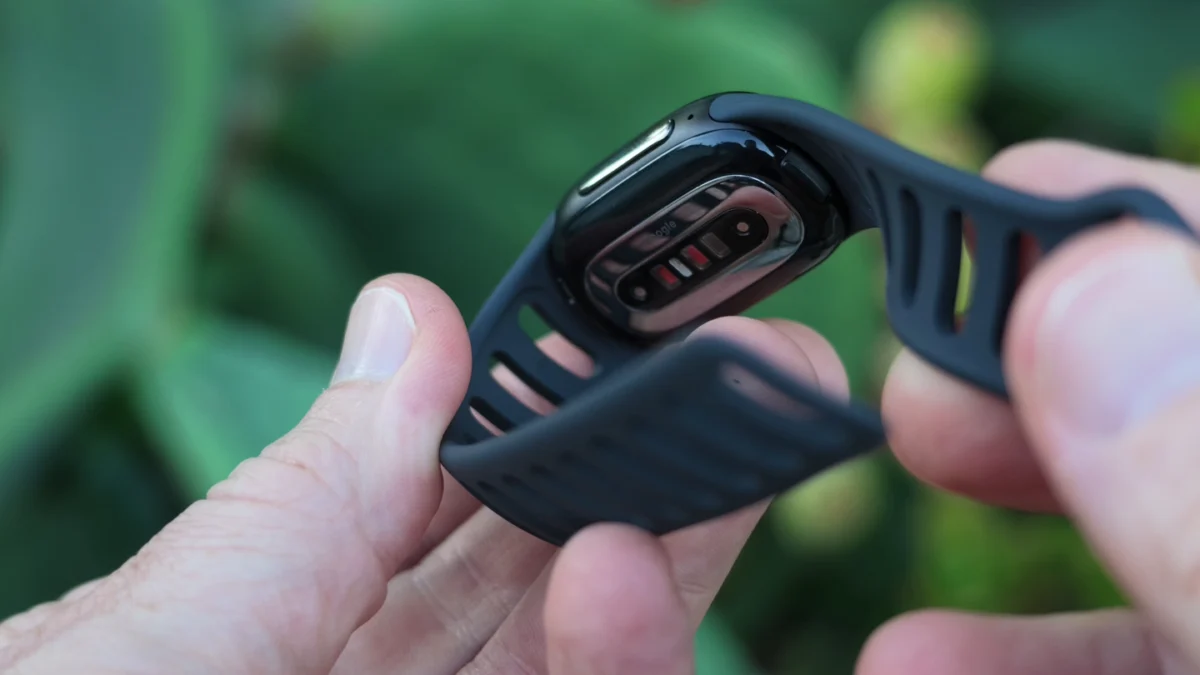
The internal architecture of the Ultra 4 reveals a 2.444 Wh battery, a marginal increase in capacity compared to the 2.313 Wh cell found in the previous generation. While the internal volume has been managed with typical Apple efficiency, the method for accessing this power cell remains cumbersome. The four external screws on the bottom of the case, which might initially appear to offer an entry point to the device’s core, are limited in scope. These screws provide access only to the sensor array on the underside of the back cover and the S11 system-in-package (SiP) chip. Consequently, anyone looking to replace a degraded battery or a damaged screen must still navigate the delicate, adhesive-bonded display.
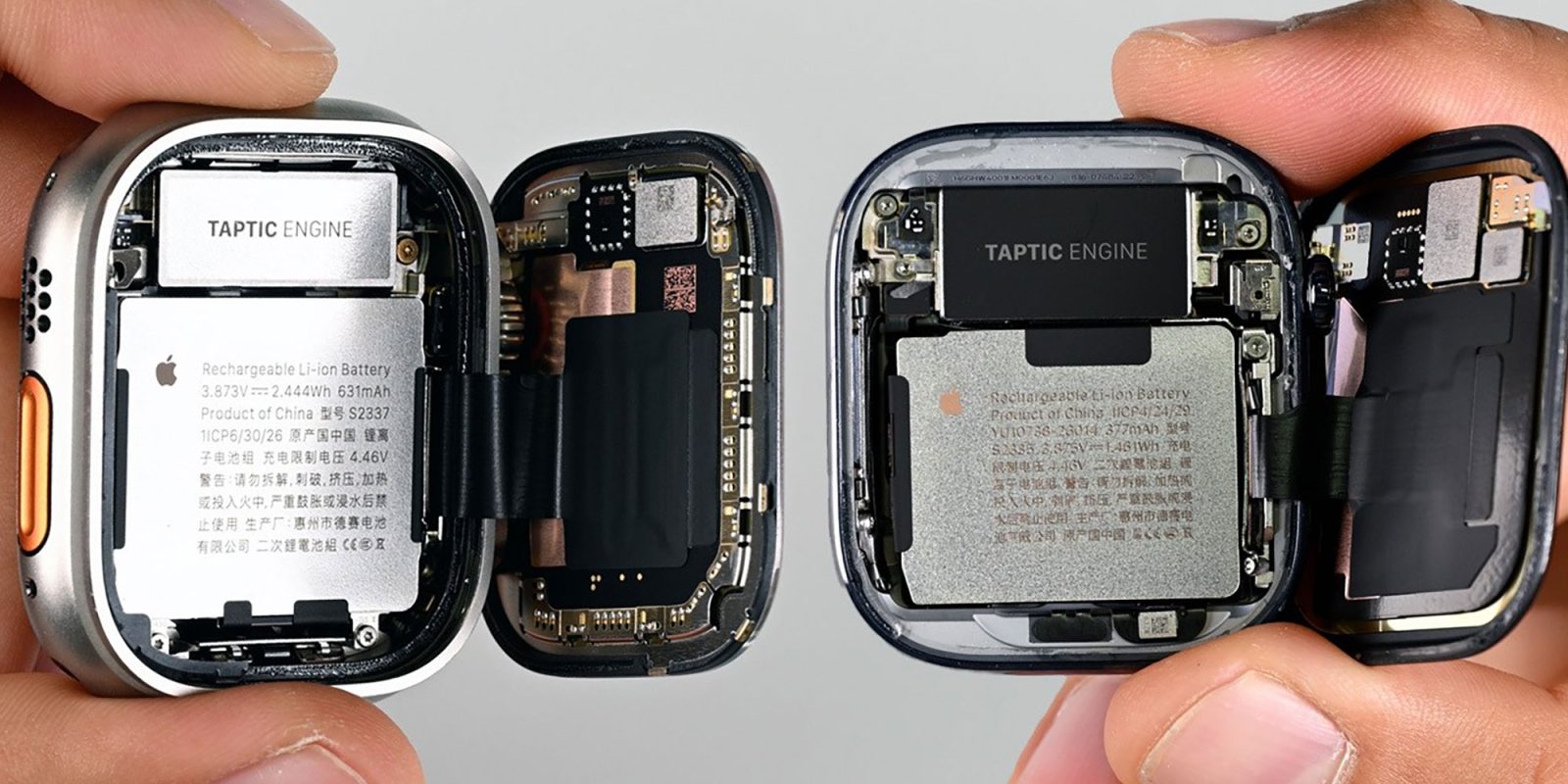
Once the display is successfully detached, the process of removing the battery and disconnecting the press-fit connectors is relatively straightforward. However, the requirement to apply heat and mechanical force to the screen creates a persistent risk of damaging the delicate flex cables underneath. Because there have been no fundamental changes to the chassis design to facilitate easier entry, the Ultra 4 maintains a 4/10 repairability score on the iFixit scale, signaling that for the high-end, adventure-focused user, the device remains largely a "sealed" product for the duration of its lifecycle.
The Apple Watch Series 12: Incremental Gains and Design Tradeoffs
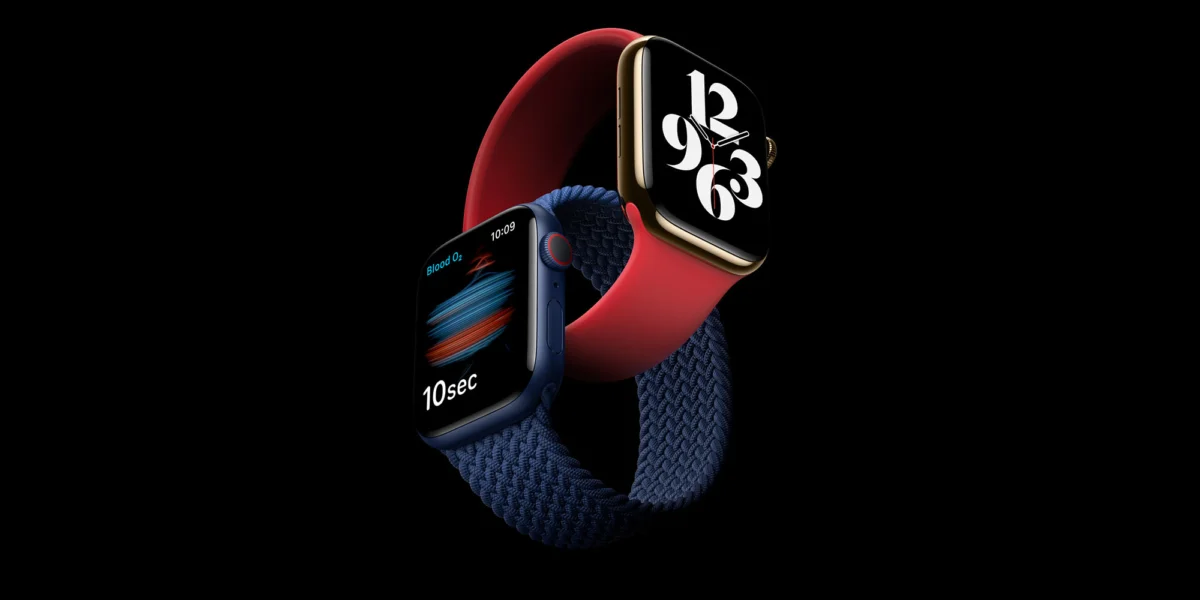
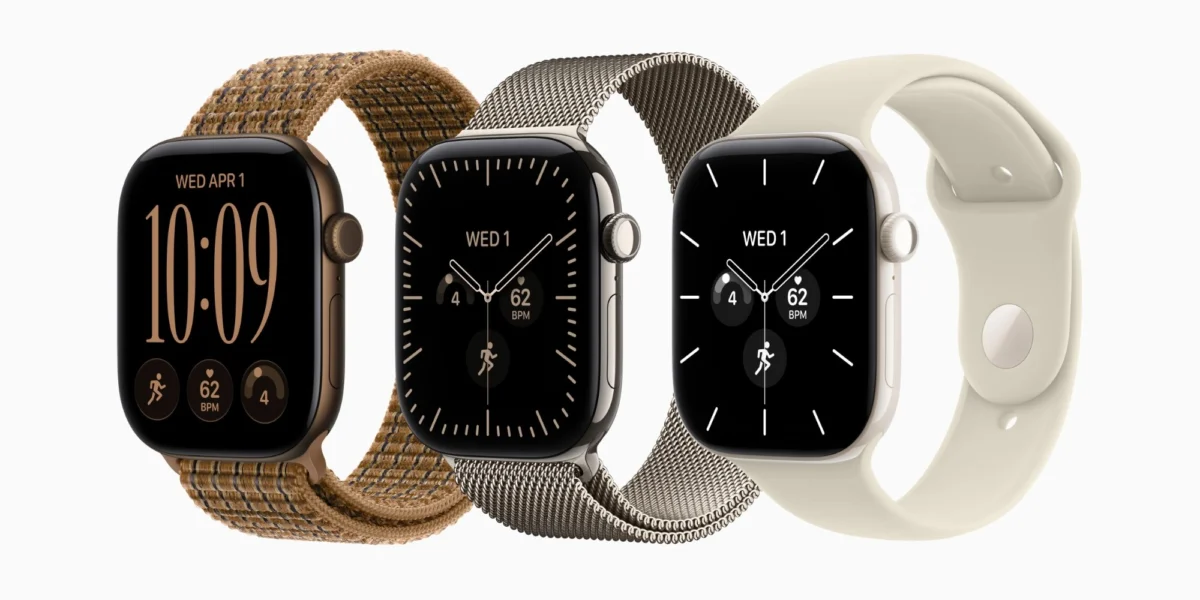
In contrast to the Ultra 4, the Apple Watch Series 12 demonstrates a modest, yet noteworthy, improvement in how the internal components are secured. Apple has introduced stretch-release adhesive and a dedicated pull tab for the battery, a design philosophy that has been slowly migrating across Apple’s mobile product lines. This change allows the 1.461 Wh battery—up from the 1.403 Wh capacity in the 46mm Series 11—to be removed with significantly less risk of physical damage during the extraction process.
However, these gains are tempered by new complications introduced elsewhere in the assembly. The tolerances around the Series 12 display are exceptionally tight, requiring considerable force to pry open. Mokhtari expressed concern during the teardown that the degree of force necessary to initiate the repair could easily result in a fractured screen, highlighting the inherent danger in the current repair workflow. Furthermore, while Apple has moved away from the complex ZIF (Zero Insertion Force) connectors and tape used in previous generations in favor of a simpler press connector, this update creates a secondary dependency: screen replacement now necessitates a battery removal, as the two are physically linked in the assembly sequence.
While the Series 12 managed to secure a 4/10 repairability score—a one-point increase over its predecessor—the transition remains incremental. It reflects a design philosophy that prioritizes structural integrity and water resistance above the ease of component replacement.

Contextualizing the Market: A Comparative Analysis
To understand the significance of these scores, it is necessary to view them within the broader landscape of modern wearables. The repairability of consumer electronics has become a focal point for regulatory bodies, particularly in the European Union and the United States, where "Right to Repair" legislation is gaining momentum. Companies are under increasing pressure to design devices that can be opened, repaired, and recycled without requiring proprietary tools or the total destruction of the device during the attempt.
For comparison, the Google Pixel Watch 5 has set a high bar in the industry with a repairability score of 9/10. Google’s design approach for its latest wearable allows for the removal of the display using only two Torx screws and a simple gasket. Crucially, the battery can be extracted without the need for adhesive removal or high-heat application. This stark difference in scores underscores two different engineering philosophies: one (Apple) that prioritizes a seamless, ultra-thin, and highly water-resistant enclosure, and another (Google) that favors modularity and ease of maintenance.
Implications for the Consumer and the Environment
The implications of these findings for the average consumer are significant. For those who purchase an Apple Watch with the intent of keeping it for three to five years, battery degradation is an inevitability. When the battery can no longer hold a sufficient charge, the device essentially reaches the end of its useful life if the cost and risk of repair are prohibitive.
Apple has traditionally countered these concerns by offering an official battery replacement service, which effectively mitigates the need for end-users to perform these repairs themselves. However, as the global conversation shifts toward sustainability and the reduction of e-waste, there is mounting pressure for manufacturers to make these devices serviceable by third-party repair shops and DIY users alike. By moving toward pull-tab adhesives in the Series 12, Apple is signaling a willingness to adapt, albeit slowly. The transition from complex ZIF connectors to more robust, user-friendly press connectors is further evidence that the company is iterating on its internal assembly methods to be more technician-friendly, even if the primary goal remains industrial efficiency.

Historical Context: A Decade of Miniaturization
Looking back at the trajectory of the Apple Watch since its debut in 2015, the evolution of its internal hardware has been a masterclass in miniaturization. Early models were essentially glued shut with almost no pathway for repair. Over the last decade, the introduction of more complex health sensors—including EKG, blood oxygen monitoring, and temperature sensing—has left even less room for error inside the chassis.
The S11 SiP represents the culmination of this miniaturization effort. By integrating virtually all the processing power, storage, and wireless connectivity into a single, sealed unit, Apple has successfully maintained the device’s performance while keeping it small enough to sit comfortably on the wrist. Yet, this high level of integration is precisely what makes repairability so difficult. Every component is interdependent, and changing one often requires the removal of others.
Future Outlook and Industry Pressure
As the industry moves toward 2027 and beyond, the expectation is that repairability will become a key competitive metric. With the European Union’s Ecodesign for Sustainable Products Regulation (ESPR) coming into play, manufacturers will be forced to provide better documentation, spare parts, and design accessibility. Apple, as a market leader, is often the trendsetter in these areas; if they choose to prioritize modularity in future generations, it could fundamentally shift the entire wearable sector.
The iFixit teardown of the Series 12 and Ultra 4 provides a snapshot of where that transition currently stands: Apple is making small, deliberate steps toward improvement, but the core design philosophy remains anchored in a sealed-system approach. For consumers, the message remains clear: the latest Apple Watches are feats of engineering brilliance, but they are designed for performance and aesthetic perfection rather than longevity through repair. As the company faces increasing pressure from both regulators and a consumer base that is more conscious of device longevity, the industry will be watching closely to see if the next generation of Apple Watch models will embrace modularity more fully or continue to prioritize the seamless, integrated design that has defined the product line since its inception.