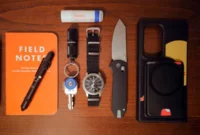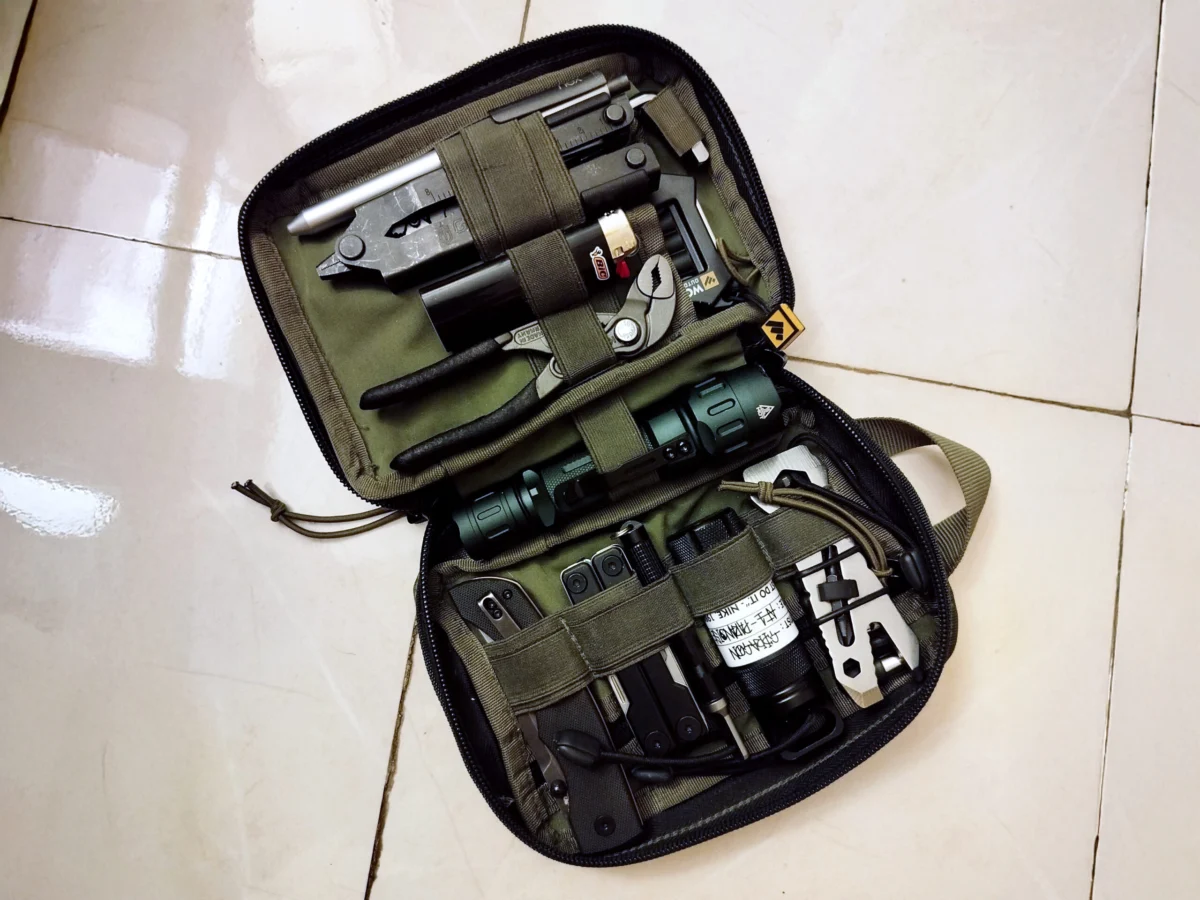
The evolution of Everyday Carry (EDC) has transcended mere personal preference, transforming into a sophisticated discipline of utility, preparedness, and tactical efficiency. At the center of this movement is a growing demographic of professionals who prioritize modularity and redundancy, particularly when transitioning from high-tech work environments to the unpredictable demands of the wilderness. A recent submission from a software engineer known as "Dezdenova" provides a compelling case study into this philosophy, highlighting a gear configuration designed for maximum field utility through the strategic use of multiple specialized tools.
The Anatomy of a Specialized EDC Kit
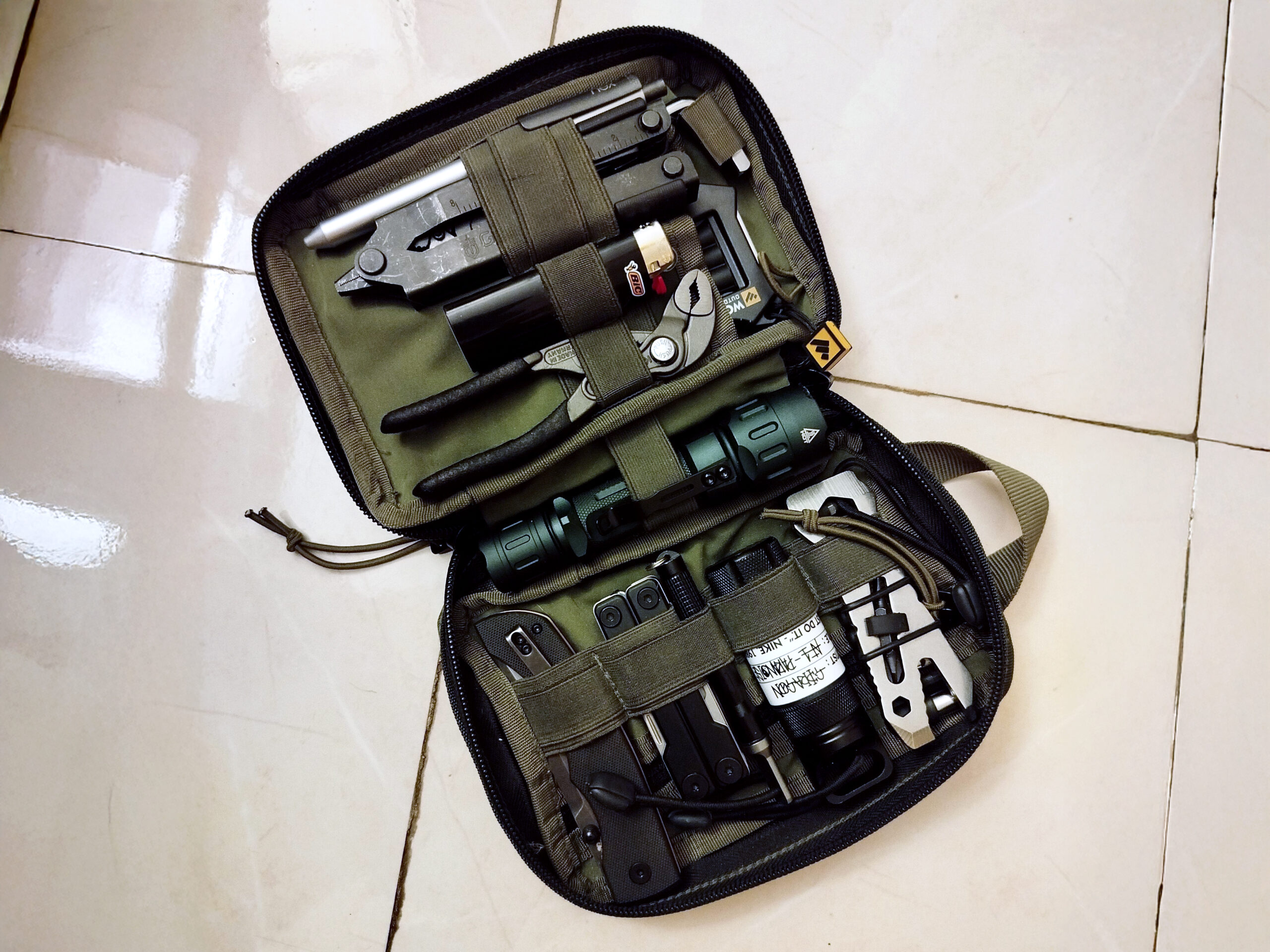
The core of this particular setup revolves around the concept of "layered redundancy." Rather than relying on a single piece of equipment to handle every contingency, this kit utilizes three distinct tiers of multi-tools, each serving a specific mechanical niche.
The primary workhorse of the collection is a full-sized Gerber multi-tool. These devices are engineered to handle high-torque tasks, such as heavy-duty wire cutting, bolt manipulation, or complex field repairs. In the context of a campsite, where structural integrity of shelters or gear is paramount, the full-sized tool acts as the primary instrument for intensive maintenance.
Supporting this is a compact multi-tool manufactured by NexTool, a subsidiary often associated with the Xiaomi ecosystem. These tools are typically designed for rapid deployment and fine motor tasks. While a full-sized tool might be cumbersome for minor adjustments, a compact variant allows for speed and dexterity, making it ideal for quick fixes that do not require the structural leverage of a larger chassis.
The final component of this triad is the Leatherman Piranha 2. Although this specific model has been discontinued, its inclusion in modern kits underscores a trend toward "one-piece" tools (OPMT). The Piranha 2 serves a specific function: prying, scraping, and light-duty leverage. By offloading these tasks to a dedicated, simplified tool, the user protects the delicate blades and precision pliers of their more expensive multi-tools, thereby extending the service life of the entire collection.
Chronology and the Rise of the Pouch Organizer
The rise of the "pouch organizer" as a standard component of EDC kits has seen a steady increase in popularity over the last decade. Historically, EDC enthusiasts relied on loose pocket storage, which often led to damage to clothing or the loss of small components. The emergence of specialized, high-denier nylon or Cordura organizers represents a professionalization of the hobby.
- 2015–2018: The rise of online communities on platforms like Reddit and dedicated EDC forums shifted the focus from merely carrying a knife to curating a comprehensive, organized system.
- 2019–2021: Manufacturers began responding to this trend by producing modular pouches with elastic webbing and internal partitions, specifically designed to fit into standard backpack pockets or to be worn on a belt.
- 2022–Present: The focus has shifted toward "weight-to-utility" ratios. Users are increasingly selecting materials like titanium and carbon fiber to reduce the overall weight of their carry systems while maintaining high levels of durability.
Supporting Data: The Utility of Field Maintenance
A critical, often overlooked component of this specific kit is the inclusion of a pocket-sized knife sharpener. In outdoor survival and bushcraft contexts, a dull blade is not merely an inconvenience; it is a safety hazard. According to industry guidelines from organizations such as the American Knife and Tool Institute (AKTI), a dull blade requires more force to execute a cut, which increases the likelihood of a slip and subsequent injury.
Data regarding field maintenance indicates that regular honing—maintaining the edge before it becomes completely blunted—extends the life of a blade significantly. By carrying a compact sharpener, the user ensures that their primary cutting tool remains at peak performance throughout a multi-day excursion. This proactive approach to maintenance is indicative of the transition from casual gear ownership to a disciplined, professionalized maintenance cycle.
Official Perspectives and Gear Philosophy
While manufacturers rarely comment on individual user configurations, the broader industry has noted the shift toward "multi-tool stratification." Designers at firms like Leatherman and Gerber have previously stated in product development forums that the ideal EDC setup is rarely a single "master" tool. Instead, the current design philosophy encourages a "system approach," where tools are categorized by their frequency of use and the intensity of the task.
"The goal for the modern user is to reduce the cognitive load of searching for a tool," notes a gear analyst specializing in industrial design. "When a user organizes their pouch by function—primary, secondary, and tertiary tools—they decrease the time it takes to deploy the correct instrument. In a survival or camping scenario, this efficiency can be the difference between a minor inconvenience and a significant problem."
Broader Implications for the EDC Market
The influence of software engineers and technical professionals on the EDC market is significant. Because these individuals often approach gear from a systems-architecture perspective, they tend to favor items that are modular, repairable, and multi-functional. This has driven a shift in the market toward:
- Increased Modularization: Companies are now releasing accessories that allow users to customize their multi-tools with swappable bits and specialized blades.
- Sustainability: The focus on "buy-it-for-life" (BIFL) products has forced manufacturers to prioritize better steel alloys and warranties, as users are increasingly vocal about the environmental and financial costs of disposable gear.
- Cross-Industry Design: The integration of technical gear—such as pocket-sized power banks and digital diagnostic tools—alongside traditional mechanical tools is becoming a new standard in urban and outdoor EDC kits.
Analysis of the "One-Piece" Tool Trend
The inclusion of the discontinued Leatherman Piranha 2 provides an interesting window into the collector’s mindset. In the EDC community, discontinued or "legacy" gear often holds higher value than modern equivalents because of the specific design choices that were abandoned in later iterations. The Piranha 2’s unique flat, pry-focused geometry is a design that many modern multi-tools lack, as they prioritize folding mechanisms over simple, high-strength prying capabilities.
This suggests that for the experienced enthusiast, the "perfect" kit is not necessarily the most modern one, but the one that most efficiently fills the functional gaps in their workflow. The combination of a high-tech software engineer mindset and the rugged utility of mechanical tools creates a hybrid lifestyle that is increasingly common in contemporary outdoor culture.
Conclusion
The setup presented by Dezdenova serves as a quintessential example of the modern EDC evolution. It is a configuration defined not by the sheer number of gadgets, but by the thoughtful integration of tools that serve distinct roles within a cohesive system. As the market continues to mature, it is likely that we will see further refinements in this area—specifically in the development of lighter, more durable materials and a continued emphasis on modular organization.
For those looking to build their own kits, the takeaway is clear: efficiency is found in specialization. By identifying the specific tasks required during an excursion—whether it is field maintenance, high-torque repair, or rapid-deployment utility—users can create a system that is both reliable and highly capable, regardless of the environment. The focus remains on readiness, discipline, and the pursuit of a well-maintained, high-functioning toolkit that stands the test of time and terrain.