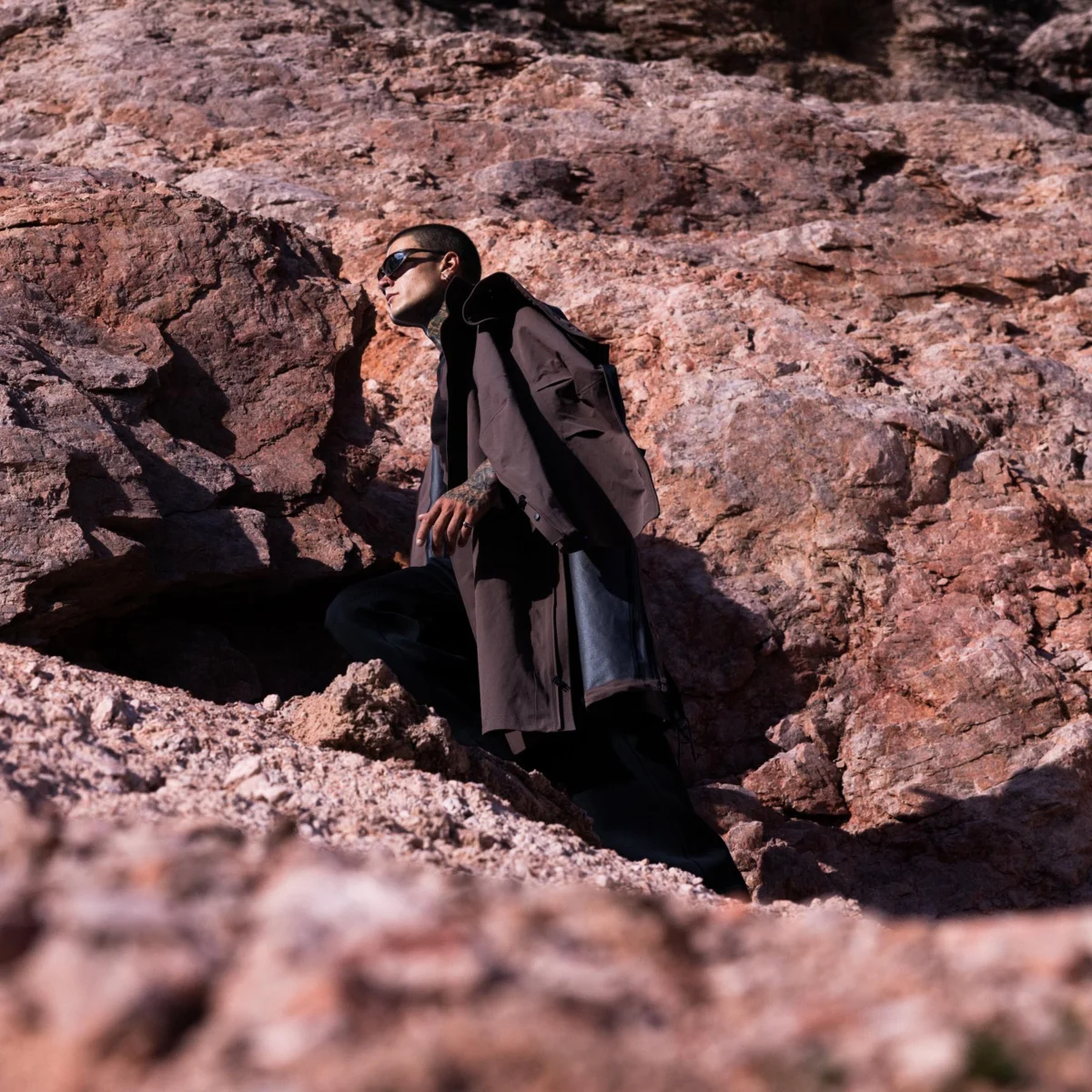
Oakley, a brand globally renowned for pioneering sports performance eyewear, continues to challenge industry boundaries by cementing its position as a major force in technical apparel and wearable architecture. The brand has officially unveiled its highly anticipated Latitude Fall/Winter 2026 (FW26) collection, expanding upon its proprietary "Morphware" design ethos. This season’s lineup focuses heavily on adaptive garments engineered to transform and respond dynamically to unpredictable urban and outdoor environments. Scheduled for a global release on September 15, the collection bridges the gap between high-performance utility gear, sustainable textile manufacturing, and avant-garde fashion aesthetics.
Main Facts of the Latitude FW26 Collection
At the vanguard of the Latitude FW26 capsule is the Veil 3L Shell Parka, a masterclass in modern weather-resistant outerwear. Designed to offer extensive anatomical coverage, the parka is constructed from a specialized 10-Kilometer (10K) waterproof fabric membrane capable of shielding wearers against severe atmospheric conditions. True to the Morphware theme of adaptability, the garment features a packable engineering structure that allows it to collapse flat into itself. When not actively worn against the elements, it can be slung effortlessly across the body utilizing an integrated internal carrying strap, transforming a bulky winter shell into a sleek, hands-free wearable accessory.
Complementing the outer shell is an advanced layering system that prioritizes both thermal efficiency and ecological responsibility. The collection introduces the Latitude Veil Knitted Baselayer and the Latitude Veil Knitted Pant. Fabricated using cutting-edge zero-waste eco-knitwear technology, these pieces minimize textile scrap during production while delivering superior thermal regulation, moisture management, and next-to-skin ergonomic comfort.
Rounding out the comprehensive, head-to-toe ensemble are several distinct accessories and footwear additions. The capsule features the Oakley Suture Coat, a sculptural eyewear piece debuting later this year that pushes the boundaries of facial architecture and sun protection. For facial and neck protection, Oakley introduces the 2-in-1 Latitude Flex Balaclava, offering versatile coverage that adapts to shifting temperatures. Grounding the entire collection is the rugged Phantom Coyote Boot, engineered for durability, aggressive traction, and urban exploration.
Chronology and Background Context

Oakley’s evolution from an optics-dominant manufacturer into a comprehensive lifestyle and technical apparel powerhouse did not happen overnight. Founded in 1975 by Jim Jannard out of his garage with an initial investment of $30, the company built its multi-billion-dollar empire on disruptive innovation in eyewear, transitioning from motocross grips to elite sunglasses worn by Olympic athletes and military personnel alike.
Over the past decade, however, the brand has systematically diversified its portfolio. Recognizing a growing consumer demand for technical apparel that merges dystopian aesthetics with high-performance utility—often referred to in the fashion industry as "gorpcore" or technical streetwear—Oakley began investing heavily in advanced R&D. The introduction of the Latitude sub-label marked a pivotal turning point. By leaning into the "Morphware" design philosophy, Oakley engineers and industrial designers started creating apparel that behaves less like traditional clothing and more like responsive equipment.
The development of the FW26 collection began nearly eighteen months prior to its public unveiling, involving rigorous stress-testing in variable climates ranging from urban downpours to alpine wind tunnels. The iterative design process focused heavily on sustainability metrics, prompting the integration of zero-waste knitting techniques to align with global corporate sustainability mandates and shifting consumer expectations.
Supporting Data and Sustainability Metrics
The apparel and footwear industries are currently under intense scrutiny regarding their environmental footprints, driving legacy brands to adopt circular manufacturing models. Oakley’s inclusion of zero-waste eco-knitwear in the Latitude FW26 line represents a calculated response to these ecological pressures. Traditional cut-and-sew garment manufacturing typically generates an average of 15% to 20% fabric waste globally. By utilizing advanced 3D knitting technology for the Latitude Veil Knitted Baselayer and Pant, Oakley reduces material waste to near-zero percentages by engineering garments to their exact dimensions directly on the loom.
Furthermore, the 10K waterproof rating of the Veil 3L Shell Parka places the garment firmly in the category of reliable technical outerwear. A 10K (10,000mm) rating indicates that the fabric can withstand the pressure of a 10,000mm column of water pressing against it before moisture begins to penetrate the weave. This level of impermeability ensures robust protection against moderate to heavy rain and wet snow, making the parka suitable for transitional autumn and winter climates in major metropolitan centers and outdoor environments alike.
Official Responses and Industry Implications

While specific executive commentary from Oakley’s parent company, EssilorLuxottica, remains focused on the broader corporate strategy of brand synergy and technical innovation, design leads within the company have previously emphasized that the Latitude line serves as a testing ground for future commercial technologies.
Industry analysts tracking the technical apparel market note that Oakley’s strategic pivot into functional outerwear allows the brand to capture a lucrative demographic of consumers who prioritize multi-functionality, durability, and futuristic design. The fusion of utilitywear with high-fashion silhouettes positions Oakley to compete directly with specialized outdoor labels and luxury streetwear brands alike. By leveraging its heritage in protective optics—exemplified by items like the Suture Coat—Oakley maintains a distinct competitive advantage that standalone apparel brands cannot easily replicate.
Broader Impact and Market Outlook
The official rollout of the Oakley Latitude FW26 collection on September 15 via online channels, select flagship stores, and global retail partners marks an important milestone in the brand’s contemporary trajectory. As urban environments become increasingly unpredictable due to shifting weather patterns, consumer demand for garments that offer modularity, packability, and weather resistance is projected to grow steadily over the decade.
By successfully bridging the gap between high-performance gear and avant-garde streetwear, Oakley is redefining what a heritage sports brand can achieve. The Latitude FW26 collection is not merely an exercise in seasonal fashion, but a clear indicator of where functional design is heading: toward a future where clothing is adaptive, sustainable, and seamlessly integrated into the dynamic lifestyle of the modern explorer.