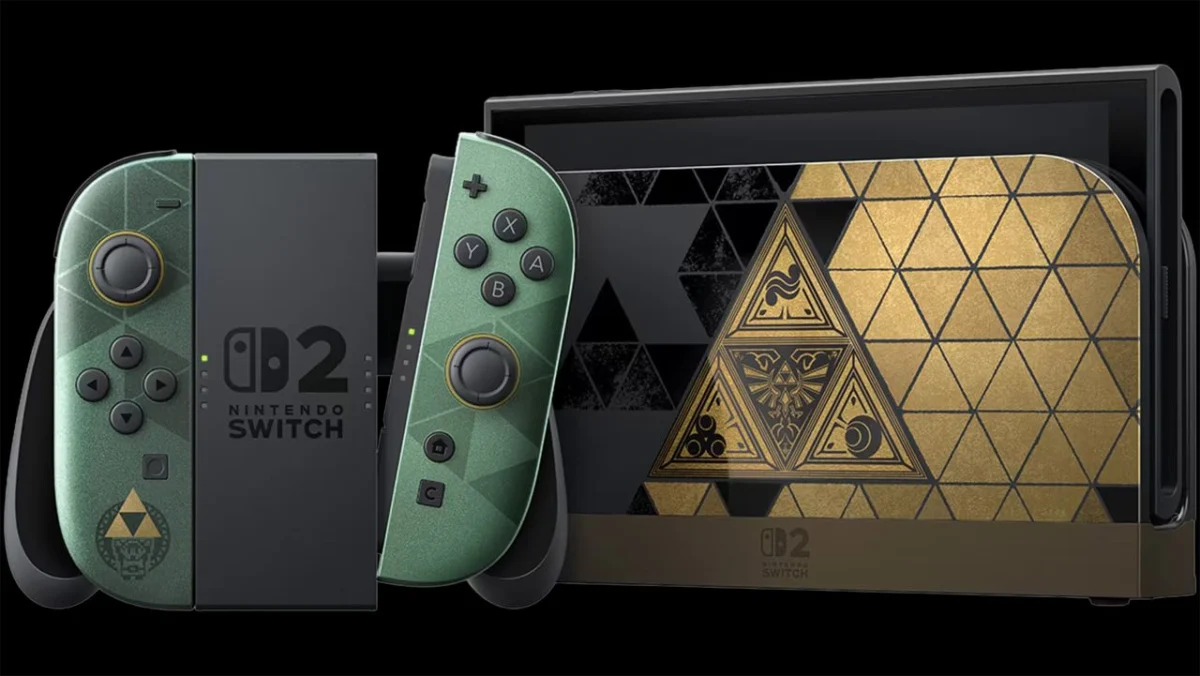
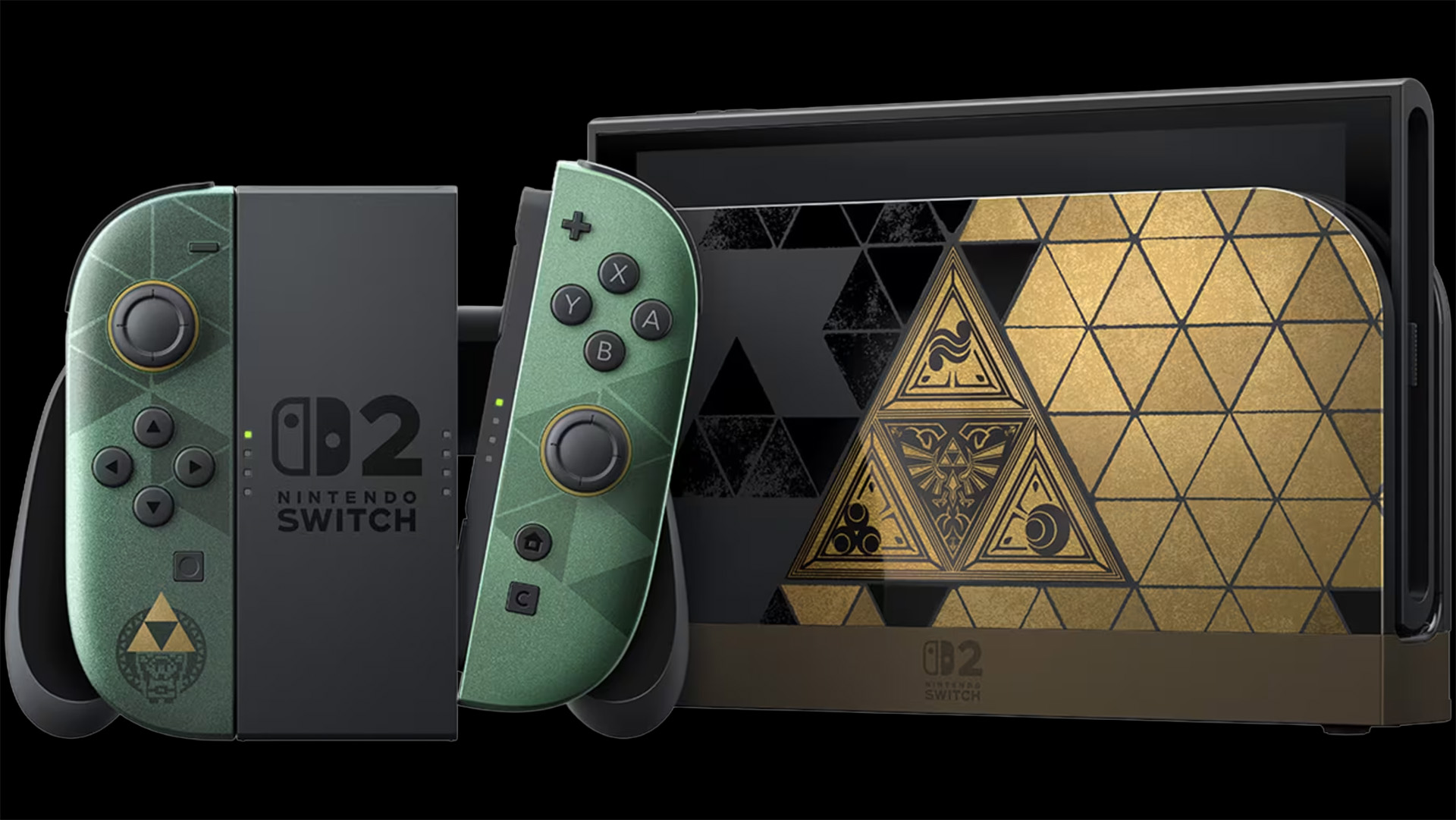
The debut of Nintendo’s first-ever special-edition hardware for its next-generation platform has triggered a massive consumer frenzy, leading to immediate sellouts across major North American retailers and sparking a rapid resurgence of secondary-market profiteering. Shortly following Nintendo’s comprehensive Nintendo Direct broadcast, preorders for the highly anticipated Nintendo Switch 2 The Legend of Zelda 40th Anniversary Edition opened across premier retail channels, only to vanish within minutes.
Priced at $519.99—representing a modest $20 premium over the standard vanilla configuration of the unreleased console—the commemorative bundle has instantly established itself as one of the most sought-after consumer electronics items of the year. Designed specifically to honor four decades of Nintendo’s legendary fantasy franchise, the hardware package blends upgraded internal performance specifications with bespoke aesthetic treatments. However, the intersection of intense collector demand, limited initial inventory allocations, and aggressive automated scalping bots has left millions of dedicated fans empty-handed and scrambling for remaining stock before the official October 29 release date.
The Anatomy of the Launch and Retailer Scramble
The rollout of the Switch 2 The Legend of Zelda 40th Anniversary Edition followed a meticulously coordinated industry schedule. Major U.S. consumer electronics and entertainment outlets, including Target, Best Buy, GameStop, and Walmart, opened their virtual storefronts shortly after the Nintendo Direct presentation concluded.
Within moments, digital traffic surged to unprecedented levels, overwhelming server infrastructures and depleting available inventory allotments almost instantaneously. While Walmart experienced temporary backend delays before officially listing its allocation, and select platforms like Amazon briefly maintained listings at the standard $519.99 MSRP, the vast majority of initial retail windows closed in under ten minutes.
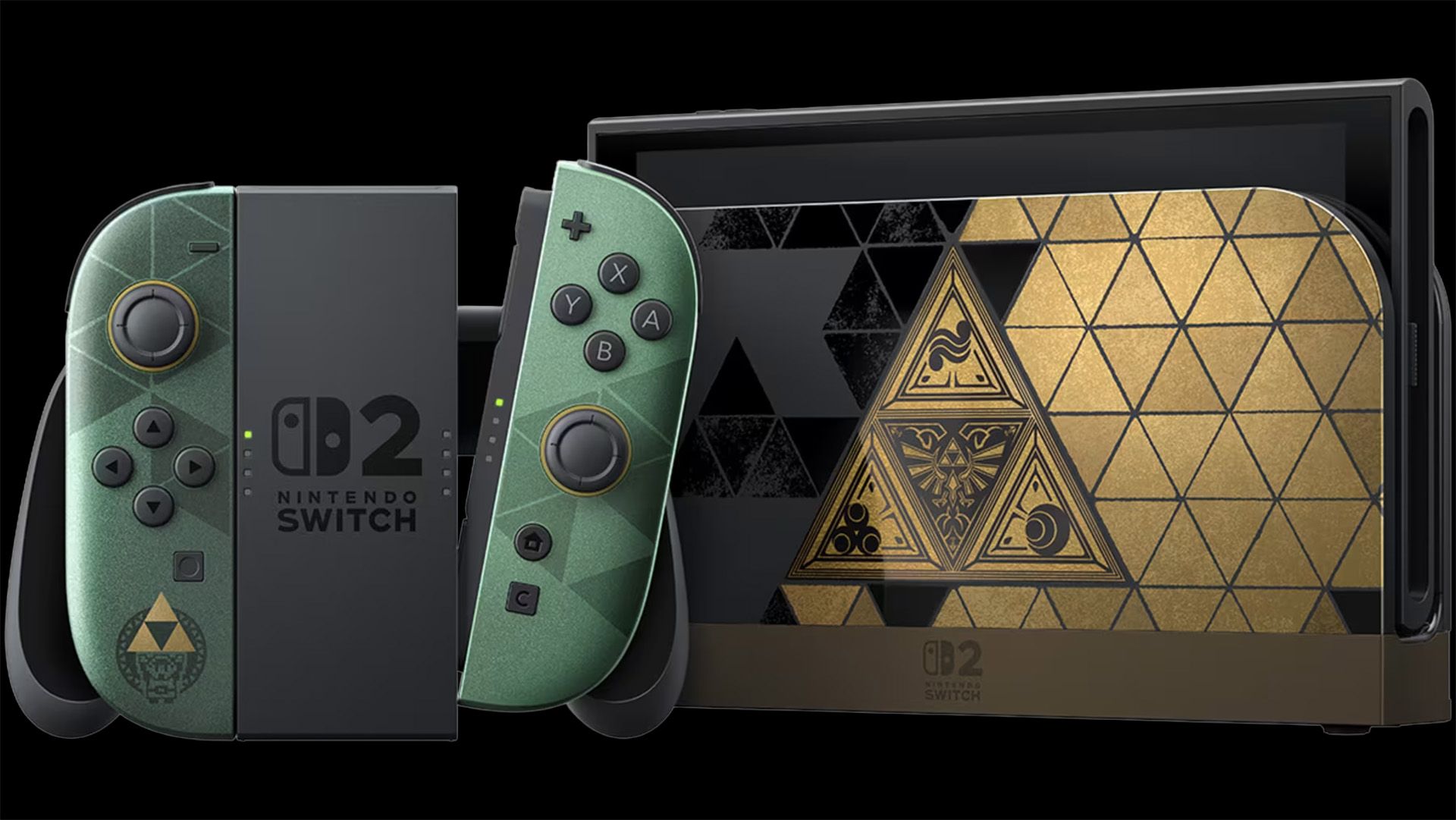
Industry analysts note that the pricing strategy employed by Nintendo has significantly fueled consumer urgency. By establishing an MSRP that sits only slightly above the baseline cost of the standard console, Nintendo has positioned the 40th Anniversary Edition as an exceptional value proposition for collectors and early adopters alike. In addition to the console itself, Nintendo unveiled matching peripheral hardware, including the Nintendo Switch 2 Pro Controller in a corresponding Zelda motif priced at $99.99, alongside a specialized carrying case bundled with a tempered glass screen protector for $39.99. These accessories similarly vanished from standard inventory pools, though sporadic restocking waves at retailers like Best Buy have offered brief windows of opportunity for persistent buyers.
The Shadow of Resale Profiteering
Almost as rapidly as the preorders vanished from authorized retail channels, secondary markets experienced a massive influx of speculative listings. Within hours of the Nintendo Direct broadcast, auction and resale platforms such as eBay were flooded with listings for the Switch 2 The Legend of Zelda 40th Anniversary Edition.
Resellers began commanding astronomical figures, with completed and active listings frequently ranging between $900 and $1,000—nearly double Nintendo’s official retail price. This phenomenon is far from novel within the video game industry, but the combination of a generational console launch paired with a globally recognized intellectual property has exacerbated the issue. Franchise-themed hardware, such as the previous-generation Nintendo Switch OLED Tears of the Kingdom Edition and the Nintendo Switch Lite Hyrule Edition, have historically proven to be prime targets for automated scraping bots and opportunistic speculators seeking guaranteed arbitrage margins.
Consumer advocacy groups and gaming communities have once again raised concerns regarding the lack of robust anti-scalping measures implemented by major digital storefronts. Despite retailers employing various queuing systems, CAPTCHA verifications, and limit-one-per-customer restrictions, sophisticated bot networks continue to bypass defensive protocols, securing a disproportionate share of the limited manufacturing allocation.
Background Context and Historical Precedent
To understand the magnitude of the current retail scramble, one must examine the profound historical weight of The Legend of Zelda franchise. Debuting in 1986 on the Nintendo Entertainment System (NES) created by Shigeru Miyamoto and Takashi Tezuka, the franchise has evolved into a cornerstone of interactive entertainment, selling over 150 million copies worldwide across nearly four decades. The 40th anniversary milestone represents a critical cultural and commercial touchstone for Nintendo, making the release of specialized hardware a matter of considerable corporate prestige.
Furthermore, this release marks a pivotal moment for the corporate lifecycle of Nintendo’s hardware ecosystem. The underlying console represents the commercial rollout of the long-awaited Nintendo Switch 2, a platform featuring substantially upgraded internal components designed to deliver modern graphical fidelity, faster memory bandwidth, and enhanced processing power compared to its predecessor. Integrating a flagship generational launch with a milestone anniversary edition has created a unique convergence of technological curiosity and nostalgic collector sentiment.
Historically, Nintendo’s approach to limited-edition hardware has varied significantly by volume. While initial launch-day allocations for special editions are notoriously constrained, past releases like the Tears of the Kingdom OLED model eventually achieved stable long-term supply equilibrium, remaining widely available on store shelves long after their initial release window. However, whether Nintendo will manufacture enough units of the Switch 2 anniversary edition to satisfy long-term demand remains a central question for market observers.
Broader Economic and Market Implications
The immediate sellout of the Switch 2 anniversary hardware underscores the continued resilience of high-end consumer hardware demand, even amid broader macroeconomic pressures affecting discretionary spending. Gamers and collectors demonstrate a clear willingness to invest premium capital into differentiated physical media and hardware variants that offer aesthetic exclusivity.
From a supply chain perspective, the rapid depletion of launch inventory highlights the ongoing complexities of global logistics and semiconductor allocation. Nintendo, like other major hardware manufacturers, must carefully balance production forecasts to mitigate financial exposure while maximizing retail visibility. Under-allocating initial production runs risks alienating core consumer demographics and empowering unauthorized secondary markets, whereas over-production of niche variants can tie up valuable warehousing and distribution capital.
As the official launch date of October 29 approaches, consumer attention will inevitably shift toward physical storefront availability and subsequent online inventory drops. Retail industry experts advise prospective buyers to utilize stock-tracking applications, monitor official retailer notifications closely, and avoid purchasing from inflated secondary markets where consumer protections are frequently absent. Whether Nintendo will authorize additional manufacturing runs of the Switch 2 The Legend of Zelda 40th Anniversary Edition to combat scalper pricing remains to be seen, but for now, securing a unit at standard retail cost requires both vigilance and considerable fortune.