The delicate, complex ecosystems residing beneath the world’s oceans have once again been thrust into the global spotlight following the announcement of the 2026 Ocean Photographer of the Year competition winners. Taking the ultimate grand prize is an arresting, highly detailed black-and-white photograph captured by amateur filmmaker and underwater enthusiast Julien Anton. The winning frame portrays an adult seahorse in the shallow, seaweed-dense waters of Moorea, French Polynesia, at the precise moment it releases a cloud of newly born juveniles into the vast expanse of the open ocean.
Rendered in striking monochrome, the composition immediately captivated the judging panel with its deep emotional resonance. The haunting posture of the adult seahorse—its head bowed as if in a quiet, reluctant farewell—combined with the inquisitive orientation of the microscopic newborns turning back toward their parent, evokes a profound narrative of generational transition. This striking visual storytelling prompted the competition’s organizers and judges to reflect on a broader, more urgent philosophical query: what kind of marine environment are humans leaving for the generations of life that follow?
The rigorous selection process for the 2026 competition underscored the exceptional standard of entries submitted by international talents, ranging from seasoned professional photojournalists to dedicated conservationists and passionate hobbyists. Presented jointly by Oceanographic Magazine and luxury watchmaker Blancpain, the competition serves as a premier global platform dedicated to celebrating marine wildlife photography while simultaneously sounding the alarm on the fragility of aquatic ecosystems.
The Anatomy of a Masterpiece: Behind the Lens in French Polynesia
Capturing the winning image was far from a matter of fortunate coincidence. Julien Anton spent countless grueling hours navigating challenging underwater conditions off the coast of Moorea. Utilizing a rebreather dive setup—a specialized apparatus that recycles breathing gas and eliminates noisy bubbles, allowing divers to approach marine life without startling them—Anton combed the shallow, tangled seaweed beds where seahorses find refuge.
In marine biology, seahorses are renowned for their unique reproductive biology, wherein the male carries the developing eggs in a specialized brood pouch until they are fully formed and ready to be expelled into the water column. Witnessing and documenting this expulsion is an exceedingly rare event for underwater photographers, given the tiny scale of the subjects, swift ocean currents, and the unpredictable nature of marine behavior.
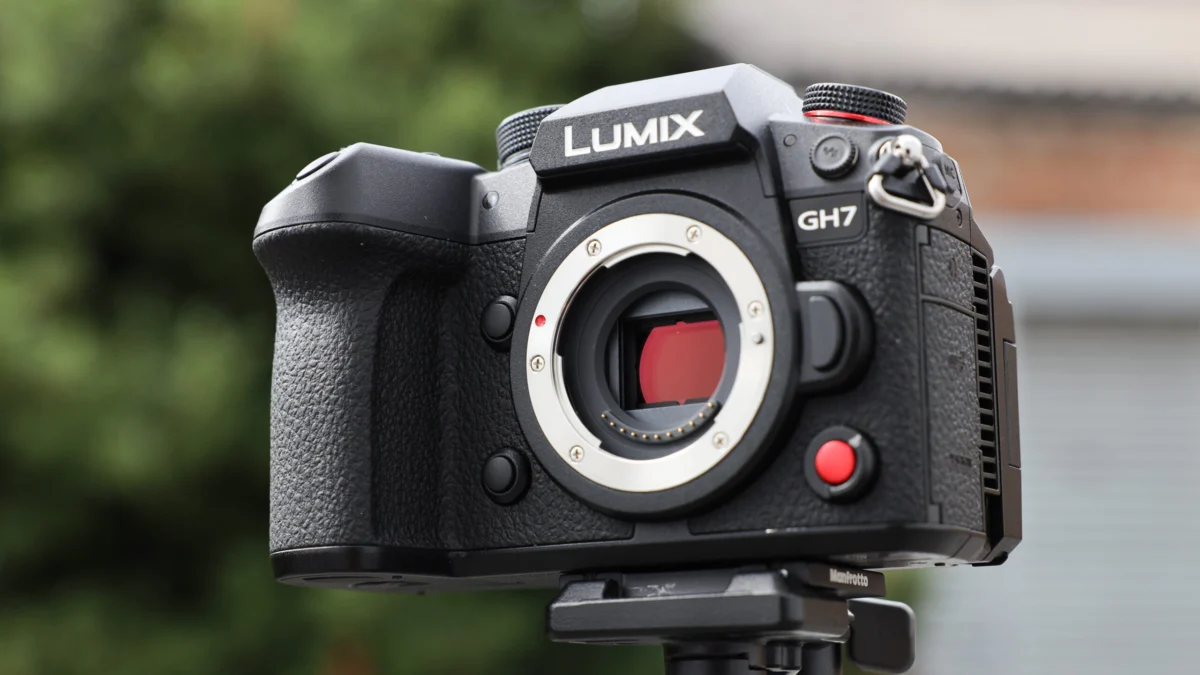
To achieve the technical brilliance required for the shot, Anton relied on a precise configuration of professional-grade equipment. He utilized a Panasonic Lumix GH7 hybrid camera housed within a specialized SeaFrogs underwater housing, paired with robust lighting from two 36,000-lumen BigblueLights and an additional 12,000-lumen light source. The exposure settings were finely tuned to 1/320 of a second at an aperture of f/5.6 and an ISO of 400, freezing the dynamic movement of the microscopic seahorses while retaining incredible textural detail in both the subjects and the surrounding aquatic flora.
Reflecting on his triumph, Anton emphasized that his primary motivation stems from a desire to communicate rather than commercial ambition. "I am not a professional photographer; for me, photography is simply how I share what I see and feel," Anton stated. "My hope is that this image can serve as a bridge between science, conservation, and a world that deserves to know what is at stake."
The Jury’s Verdict: Silence, Reflection, and Urgent Questions
The revelation of Anton’s photograph during the judging phase created an immediate and visceral reaction among the panel of experts. Will Harrison, the founder and director of the Ocean Photographer of the Year competition, recalled the exact moment the image flashed onto the screening monitors.
"When Julien Anton’s image first appeared on screen, the judging panel fell silent," Harrison noted. "It is an image that demands reflection, pause for thought, and it certainly got that from us."
Harrison further elaborated on the psychological and emotional layers embedded within the monochrome frame. He pointed out how human observers naturally imprint their own complex emotions onto the natural world when viewing such intimate wildlife interactions—interpreting the bowed posture of the adult seahorse and the upward gaze of the newborns as a poignant farewell across a generational divide.
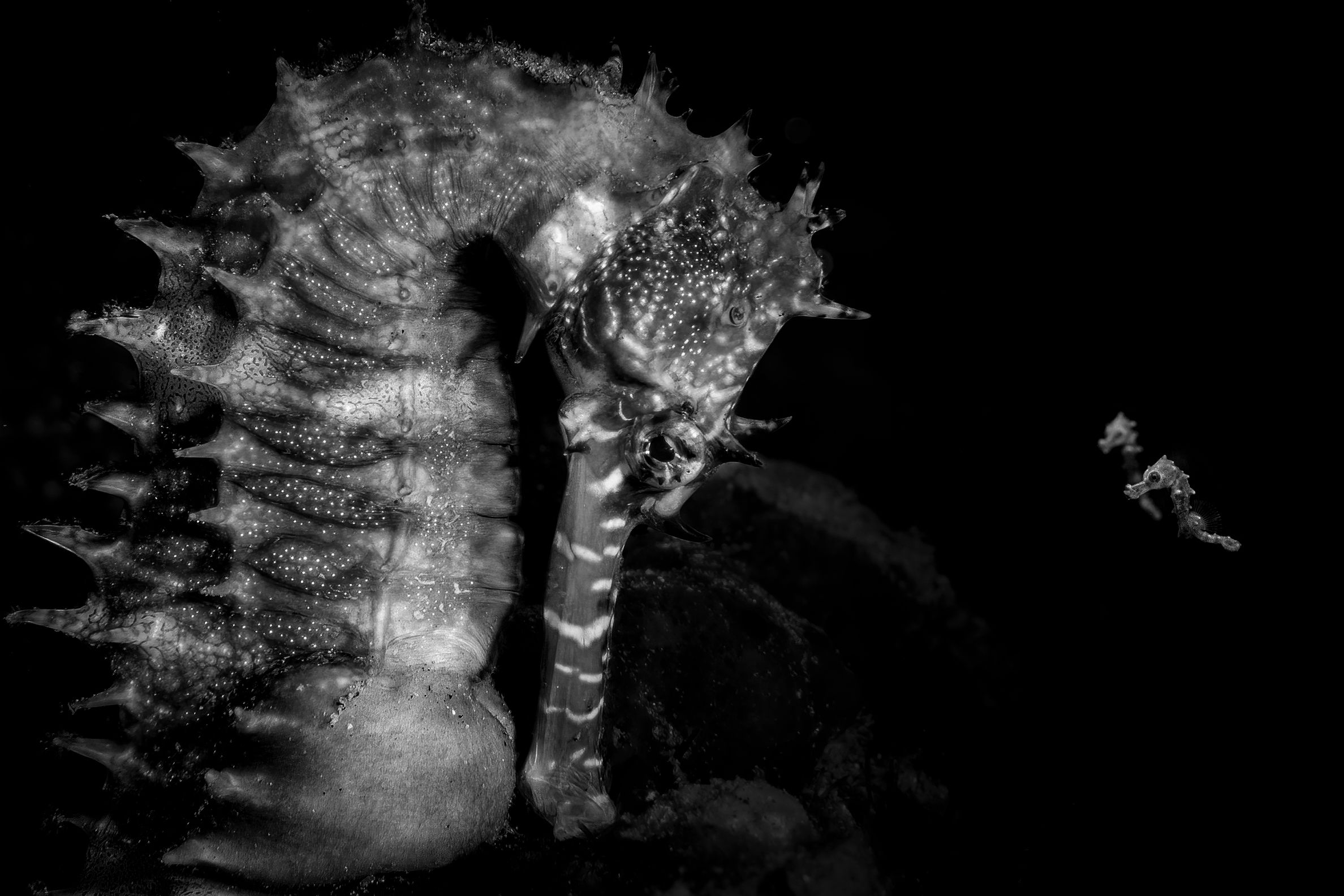
"The image is full of quiet energy," Harrison added. "What kind of ocean are we leaving for those who come after us? It is ocean photography at its most powerful: intimate, urgent, and impossible to ignore."
Context, Conservation, and the Broader Impact of Marine Photography
The Ocean Photographer of the Year competition has steadily grown in stature since its inception, evolving from a niche celebration of underwater imagery into a major international catalyst for marine conservation discourse. By showcasing the staggering beauty, behavioral complexity, and severe vulnerabilities of marine life, the competition bridges the gap between raw scientific data and public environmental consciousness.
Oceans cover approximately 71 percent of the Earth’s surface, acting as the planet’s primary life-support system by generating oxygen, absorbing carbon dioxide, and regulating global climate patterns. However, these critical ecosystems face unprecedented anthropogenic pressures, including overfishing, plastic pollution, ocean acidification, and rising sea temperatures driven by global climate change. Coastal habitats in regions like French Polynesia, while visually pristine to the casual tourist eye, are increasingly sensitive to shifts in marine health and habitat degradation.
Images like Anton’s seahorse photograph transcend traditional nature documentaries by providing an empathetic portal into alien worlds. When viewers confront the microscopic scale of a newborn seahorse fighting for survival in a complex, changing ocean, environmental statistics transform from abstract numerical data points into tangible, living stakes. Conservation biologists and policy advocates frequently utilize award-winning imagery from platforms like Oceanographic to lobby for the expansion of Marine Protected Areas (MPAs) and stricter regulations on coastal development and industrial fishing practices.
The Evolution of Underwater Imaging Technology
The technical triumphs observed in the 2026 competition also highlight the rapid advancements in consumer and prosumer underwater imaging technology. Cameras such as the Panasonic Lumix GH7, combined with advanced underwater housings and increasingly powerful, compact LED lighting systems, have democratized marine photography.
Historically restricted to specialized institutional teams equipped with cumbersome professional rigs, high-end underwater macro and wildlife photography is increasingly accessible to dedicated advanced amateurs and field researchers. This technological leap allows for unprecedented clarity, low-light performance, and stabilization beneath the waves, capturing minute biological interactions that were previously impossible to document outside of controlled laboratory settings.
Furthermore, the strategic choice of a monochrome treatment by Anton reflects a growing artistic trend in contemporary wildlife photography. Stripping away vibrant tropical colors forces the viewer to focus entirely on texture, light, shadow, and compositional geometry. In the case of the winning seahorse image, the absence of color heightens the dramatic, almost sculptural quality of the subjects, elevating a biological event into a timeless work of visual art.
Looking Forward: Exhibitions and Global Engagement
Following the announcement of the 2026 grand prize winner and category champions, the complete gallery of winning images has been made publicly accessible via the official Oceanographic Magazine digital platforms. The exhibition serves as a traveling visual testament to the resilience and fragility of the global marine environment, drawing thousands of visitors, photography enthusiasts, and environmental advocates from around the world.
As international bodies continue to debate critical global environmental frameworks—such as the United Nations Sustainable Development Goal 14 (Life Below Water) and international treaties aimed at protecting high-seas biodiversity—the role of visual storytelling remains indispensable. Competitions like the Ocean Photographer of the Year ensure that the silent majority of marine life continues to have a voice, reminding humanity of its profound responsibility as stewards of the blue planet.
For those inspired by Julien Anton’s journey from the seaweed beds of Moorea to the summit of global wildlife photography, the 2027 competition cycle prepares to open its doors, inviting a new wave of image-makers to dive beneath the surface and capture the stories waiting in the deep.