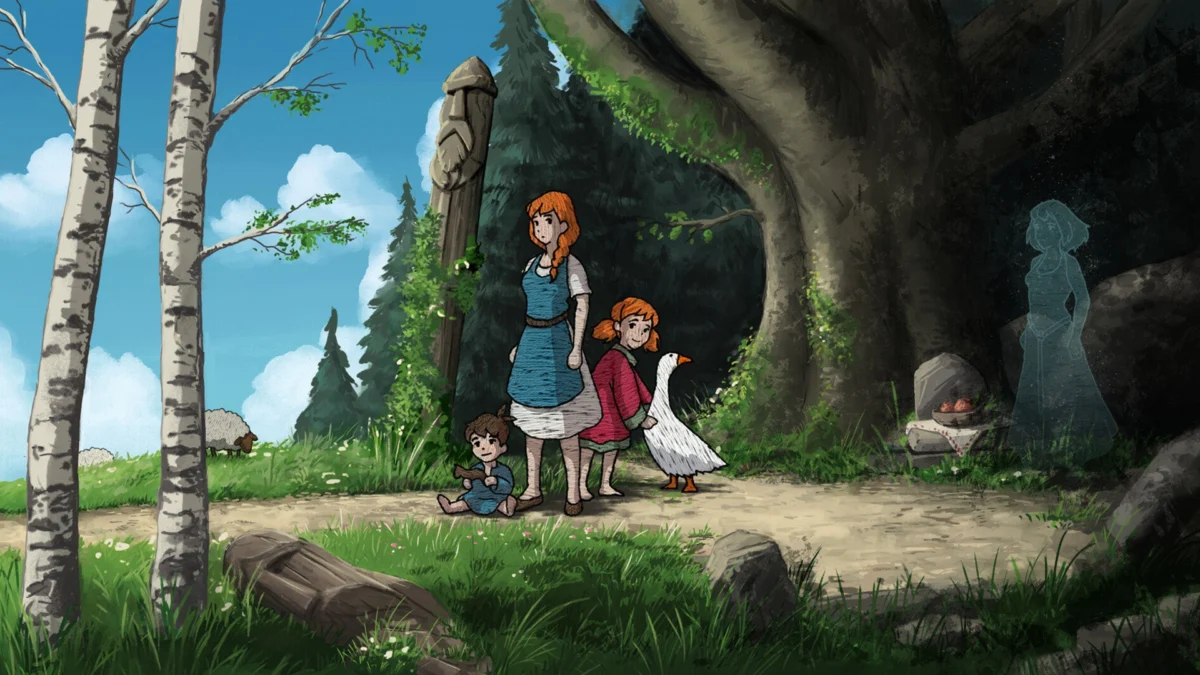
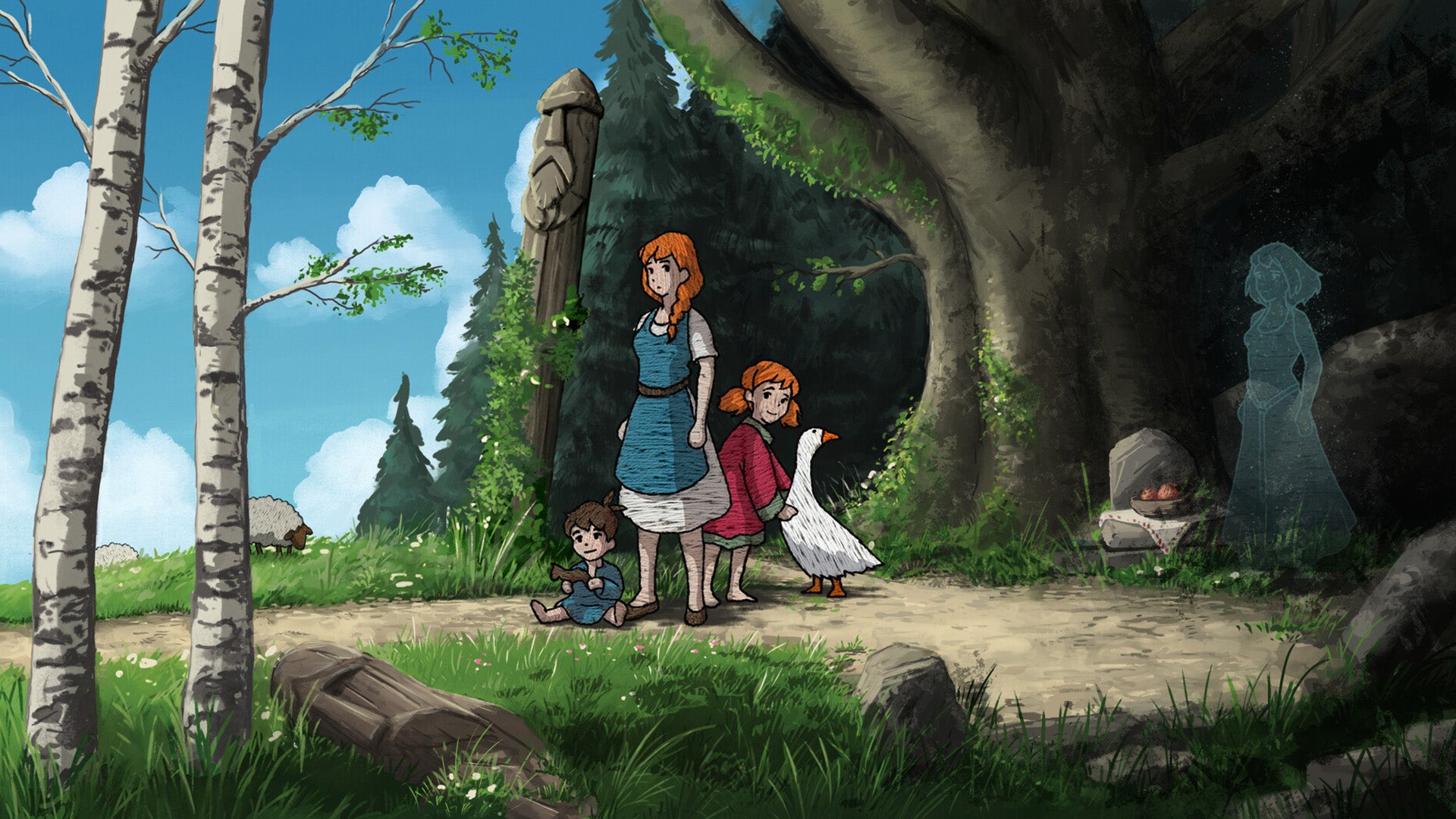
Occasionally, the video game industry witnesses the emergence of titles that push the boundaries of visual artistry, employing methods so intricate and time-consuming that they inherently raise questions about the balance between aesthetic ambition and gameplay execution. Such is the case with Scarlet Deer Inn, a new Slavic-folklore-inspired platformer from Attu Games, which launched today, distinguishing itself through an astonishing art style where every single character and animal sprite is crafted from genuine embroidery. This unique approach, combined with hand-painted backgrounds, culminates in a game that presents an immediate, almost tactile visual experience, reminiscent of a living tapestry unfurling frame by frame.
A Tapestry Unfurled: The Artistry of Scarlet Deer Inn
The decision by Attu Games to utilize embroidery for its character sprites represents a monumental undertaking in game development. Embroidery, a traditional craft involving decorative needlework on fabric, is notoriously labor-intensive and time-consuming in its physical form. Translating this delicate, three-dimensional art into digital assets for a video game requires not only artistic skill but also innovative technical solutions. Each frame of animation for every character, beast, and interactive element would presumably necessitate a new piece of embroidered artwork, meticulously photographed, digitized, and then integrated into the game engine. This process imbues Scarlet Deer Inn with a distinctive visual identity, setting it apart in a crowded market often dominated by more conventional pixel art, 3D models, or hand-drawn animations.
The visual effect is undeniably stunning. Players are presented with a world that possesses an inherent warmth and texture, a depth that transcends typical two-dimensional presentations. The embroidered sprites boast a subtle relief and softness, contrasting beautifully with the lush, expansive hand-painted backgrounds. These backgrounds, while not embroidered, maintain a cohesive artistic vision, often depicting verdant forests, rustic medieval villages, and eerie subterranean environments. The blend of these two distinct artistic mediums creates a rich visual tapestry that feels both handcrafted and deeply immersive. Finer details, such as facial animations, appear to have been digitally enhanced, suggesting a thoughtful integration of traditional craft with modern animation techniques to ensure expressiveness without compromising the core aesthetic.
This commitment to an unconventional art style echoes the ambitions seen in other notable indie titles. For instance, Harold Halibut, a game mentioned in initial previews, famously utilizes stop-motion animation for its entire world, a technique equally demanding in terms of time and resources. Similarly, titles like Cuphead captivated audiences with its meticulously hand-drawn, 1930s cartoon-inspired animation, requiring thousands of individual drawings. These examples underscore a growing trend within independent game development where artistic vision often takes precedence, even if it entails extended development cycles and significant logistical challenges. For Scarlet Deer Inn, the reported five-year development period is a testament to the dedication required to bring such an intricate visual concept to fruition, largely attributed to the meticulous nature of the embroidery and hand-painting.
Crafting the World: The Development Journey
Attu Games, the studio behind Scarlet Deer Inn, has undertaken an ambitious project that highlights the enduring spirit of innovation within the independent gaming sector. A five-year development cycle for an indie studio, particularly one committed to such a unique and resource-intensive art style, speaks volumes about their passion and perseverance. This duration is considerably longer than average for many indie titles, and a significant portion of it was undoubtedly dedicated to the painstaking creation of the visual assets. The process would have involved not only the physical embroidery of countless sprites but also their careful capture, digital refinement, and seamless integration into the game’s engine.
The decision to embark on such a path inherently carries risks. Developing a game with such an art-driven focus means that a substantial investment of time and resources is made before core gameplay mechanics can be fully iterated upon or widely tested. There’s an inherent gamble that the unique visuals will not only attract players but also complement, rather than overshadow, the gameplay experience. However, based on initial impressions and the successful launch, Attu Games appears to have navigated these challenges effectively. The commitment to a distinct visual identity serves as a powerful differentiator in a competitive market, allowing the game to immediately stand out and capture attention. This long development period also implies a meticulous attention to detail, not just in the art, but potentially in the narrative and mechanics as well, allowing for a more polished and cohesive final product.
Gameplay Mechanics: From Chores to Chills
Beyond its visual spectacle, Scarlet Deer Inn presents itself as a platformer with puzzle elements, aiming to offer a compelling interactive experience. The core platforming mechanics, while described as "tightly responsive," are acknowledged as "not necessarily revolutionary." This suggests a solid foundation of genre staples: precise jumping, environmental traversal, and perhaps light combat or evasion, executed with a fluidity that ensures the unique art style does not hinder player control. The tactile quality of the embroidered sprites translates into character movements that feel grounded and intentional, enhancing the sense of being immersed in a handcrafted world.
One of the more intriguing gameplay mechanics highlighted is a puzzle element centered around a torch. Players possess a torch that gradually diminishes, requiring them to locate sources to replenish its light. This introduces a persistent sense of urgency and tension, as a "heartbeat creeping up" signals the imminent extinguishing of the flame. This mechanic effectively integrates survival and environmental puzzle-solving, forcing players to manage resources and strategize their exploration. It leverages the psychological impact of impending darkness and vulnerability, transforming seemingly simple exploration into a nerve-wracking experience. This design choice contributes significantly to the game’s atmospheric depth, especially when considering its darker narrative turns.
The initial stages of the game, however, present a contrast to this tension. Players begin by engaging in mundane, "fetch questy" chores within the medieval village. While conceptually "annoying" in a real-world context and potentially tedious in gameplay, these initial tasks serve a crucial narrative purpose. They establish a sense of normalcy and routine, grounding the player in the everyday life of the protagonist before the world begins to unravel. This deliberate pacing creates a strong narrative arc, allowing the stark transition to the game’s darker themes to have a much greater impact. It subverts player expectations, moving from a seemingly quaint, folklore-inspired setting to something far more sinister.
Unveiling the Darkness: Narrative Depth and Slavic Roots
The true heart of Scarlet Deer Inn‘s narrative lies in its profound shift from domesticity to dark fantasy, steeped in the rich traditions of Slavic folklore. Players assume the role of a mother of two who has recently relocated to a medieval village, taking over the titular local inn. This setup immediately grounds the story in relatable human experience: the challenges of starting anew, managing a household, and integrating into a new community. The initial "fetch quests" serve to deepen this connection, portraying the protagonist as an ordinary individual navigating the demands of daily life.
However, this facade of normalcy is shattered by a grim discovery. While performing a seemingly innocuous task for the local beekeeper, the protagonist uncovers a horrifying truth: the beekeeper has been involved in the killing of children. This abrupt and disturbing revelation catapults the narrative into a much darker territory, transforming the game from a charming platformer into a chilling mystery and a journey into the macabre. The contrast between the game’s sweet, colorful, and handcrafted aesthetic and the deeply unsettling nature of its plot creates a powerful sense of unease and intrigue. This narrative twist is a bold move, leveraging the initial visual appeal to lure players into a world that quickly reveals its sinister underbelly.
This dark turn leads the protagonist to a "strange underground land" populated by "strange beasties." This subterranean realm, hinted at by a glimpse of a "giant skeleton on legs" in the trailer, promises a dramatic shift in environment, tone, and challenges. Slavic folklore is replete with tales of forest spirits, mischievous entities, monstrous creatures, and ancient evils lurking beneath the surface of the mundane world. Figures like Baba Yaga, Leshy (forest spirits), or various water demons often embody the darker, more enigmatic aspects of nature and human fears. Scarlet Deer Inn appears to draw upon these rich mythological veins, using them to craft a narrative that is both culturally resonant and universally terrifying. The mother’s journey into this dark, mythological underworld can be interpreted as a quest for justice, protection of her children, or simply survival against forces beyond human comprehension. The compelling introduction, marked by this dramatic narrative shift, has been noted to leave players yearning for more, a clear indicator of its narrative success.
The Indie Landscape: Innovation and Risk
Scarlet Deer Inn‘s emergence is a significant moment within the independent gaming landscape, highlighting the ongoing innovation and creative risks taken by smaller studios. In an industry often dominated by triple-A blockbusters with massive marketing budgets, indie games like Scarlet Deer Inn carve out their niche by offering unique experiences that prioritize artistic vision, narrative depth, and experimental gameplay. The game’s distinct art style is not merely a gimmick; it’s a statement about the potential for artistic expression within the digital medium, bridging traditional crafts with modern technology.
The success of such projects often depends on a delicate balance: the visuals must be compelling enough to attract attention, the gameplay must be robust enough to retain players, and the narrative must be engaging enough to provide motivation. Scarlet Deer Inn appears to strike this balance effectively. Its immediate visual appeal draws players in, while the promise of responsive platforming and a gripping, dark narrative provides the necessary substance. This approach helps the game stand out in a saturated market, demonstrating that artistic originality can be a powerful competitive advantage. Moreover, the decision to release a demo allowed Attu Games to gather crucial feedback and build anticipation, a common and effective strategy for indie developers. The positive reception of the demo regarding gameplay responsiveness and narrative intrigue bodes well for the full release.
Initial Impressions and Anticipation
Initial impressions from those who have experienced the demo suggest a game that successfully marries its audacious artistic vision with solid gameplay and a compelling story. The tactile quality of the embroidered visuals, combined with the lush hand-painted backdrops, creates an immersive atmosphere that few other games can rival. The platforming, while not groundbreaking, is reported to be tight and responsive, ensuring that player interaction feels fluid and unhindered by the complex art assets.
The true strength, however, lies in the game’s narrative progression. The initial, somewhat mundane tasks serve as a clever narrative setup, lulling players into a false sense of security before the shocking discovery of the beekeeper’s crimes. This abrupt descent into darkness, a hallmark of many effective horror and dark fantasy narratives, has been praised for its impact and ability to instantly hook players. The nerve-wracking torch mechanic further amplifies the tension, forcing players to confront their vulnerability in a world that quickly becomes hostile and mysterious. The transition to the strange underground land, with its beastly inhabitants, promises an expansion of this dark journey, deepening the mystery and the stakes for the protagonist. The general sentiment is that the demo successfully built anticipation, leaving players eager to delve further into the world Attu Games has so meticulously crafted.
Availability and Future Outlook
Scarlet Deer Inn is now available on Steam, marking a significant milestone for Attu Games and a unique offering for players seeking an experience that is both visually distinct and narratively profound. Its release represents the culmination of five years of dedicated artistry and development, promising a journey into a world where the beauty of traditional craft meets the unsettling depths of Slavic folklore. The game’s unique blend of embroidered art, responsive platforming, and a dark, compelling narrative positions it as a noteworthy title in the indie game space, one that challenges conventional aesthetics while delivering a deeply engaging experience. As players embark on this embroidered adventure, the future implications for Attu Games and the broader indie scene are clear: artistic ambition, when executed with dedication and skill, continues to be a powerful force in shaping the evolving landscape of video games.