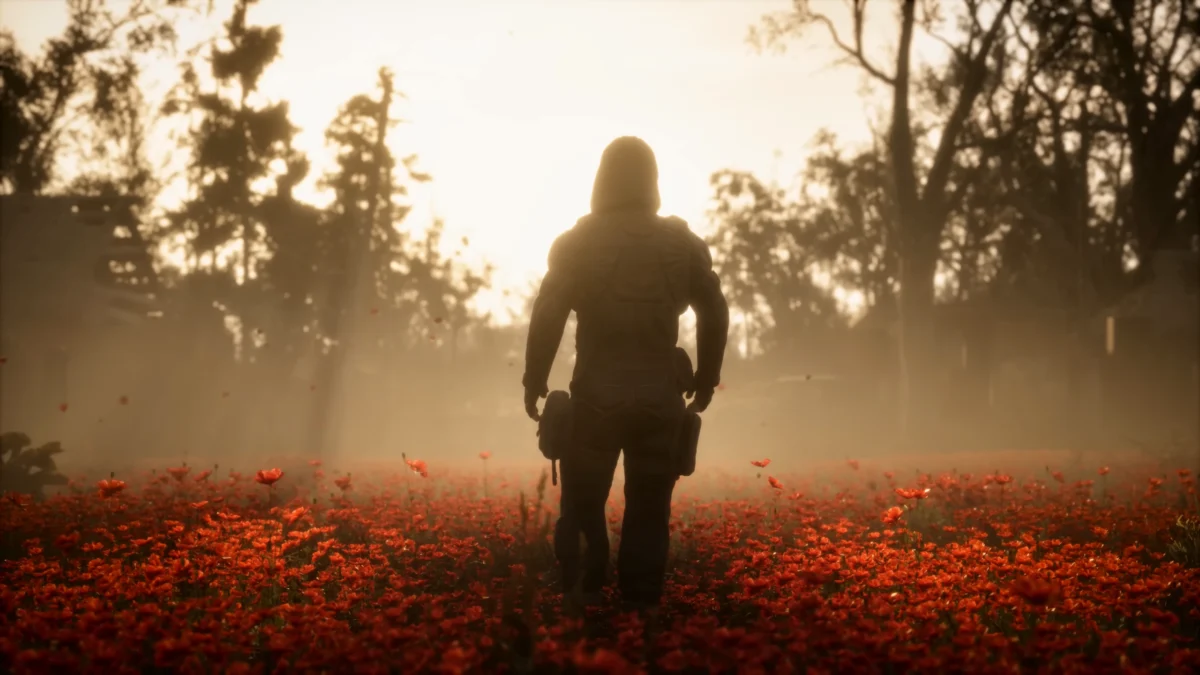
The highly anticipated continuation of the survival-horror franchise, Stalker 2: Heart of Chornobyl, appears to be on the verge of receiving a significant technical refresh. An unannounced update, version 2.1, was prematurely publicized by PlayStation Asia via their social media channels this week. The leak, which surfaced on the platform formerly known as Twitter, provided a brief glimpse into the "Zone Lookout" patch, signaling a series of quality-of-life adjustments aimed at refining the player experience within the irradiated Exclusion Zone. While the social media post erroneously claimed the update was "out now," subsequent community analysis and the nature of the premature posting suggest an official rollout is slated for next week.
Chronology of Recent Updates and Development
The trajectory of Stalker 2 since its launch has been defined by a commitment from developer GSC Game World to iterate rapidly on the game’s complex, systemic environment. The previous major milestone, Update 2.0, was deployed on August 20, coinciding with the launch of the "Cost of Hope" expansion. That update was substantial, introducing a suite of features that fundamentally altered the gameplay loop.
The inclusion of a sophisticated fog mechanic, enhanced A-Life behavior, and the integration of binoculars served to deepen the immersion for players navigating the Chornobyl landscape. The "Cost of Hope" expansion itself was marketed as providing dozens of hours of additional content, further expanding the narrative scope of the base game. The rapid succession of updates—moving from 2.0 to the teased 2.1—highlights a development strategy centered on technical stability and feature parity, likely intended to address the complexities inherent in the game’s open-world engine.
Analysis of the Leaked Patch Notes
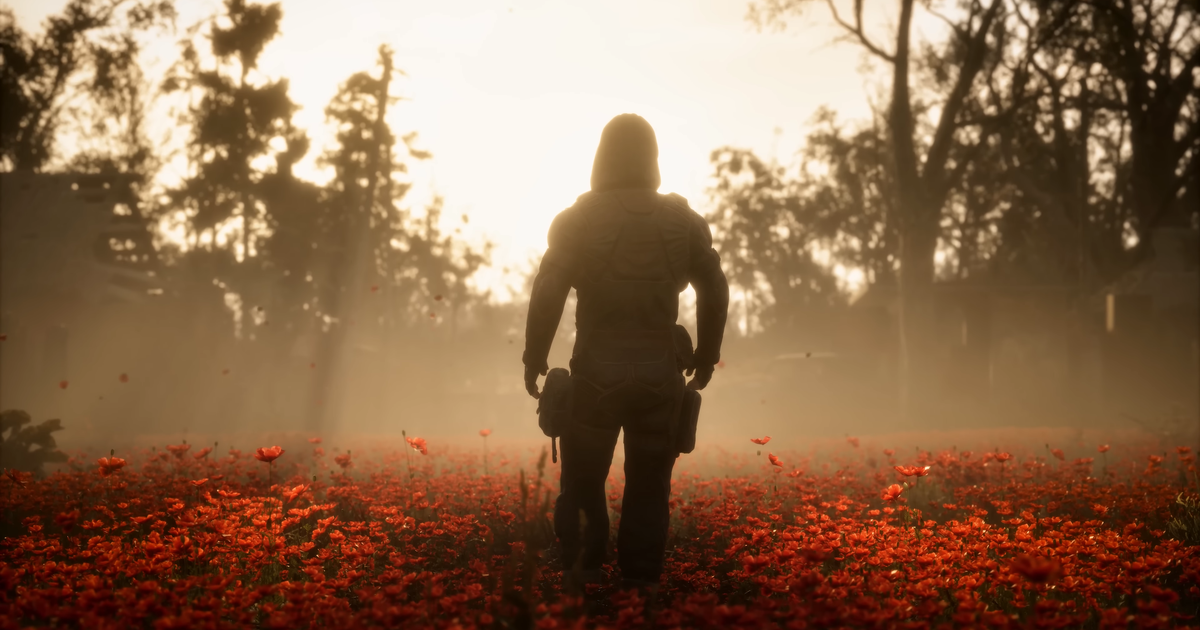
According to the materials shared by the PlayStation Asia account, Update 2.1, dubbed "The Zone Lookout," focuses on granular improvements to game mechanics rather than content expansion. The core highlights of the update include:
- A-Life Visualization Range: An increase in the distance at which non-player character (NPC) activities are simulated and visualized, which should lead to more dynamic and unpredictable encounters in the open world.
- Combat and Ballistics Tuning: Adjustments to the core combat feel, likely addressing feedback regarding weapon handling, hit registration, or the lethality of encounters.
- Fast Travel Implementation: The introduction of a fast-travel system mediated by squad leaders, a feature likely designed to reduce the friction of traversing the massive, hostile map.
- Systemic Bug Fixes: A standard suite of stability improvements and optimization tweaks intended to enhance performance across all supported platforms.
While the leaked graphic was relatively sparse on technical specifics, these changes suggest a concerted effort to address common player pain points identified in the months following the initial release.
Supporting Data and Industry Context
Stalker 2 has occupied a unique position in the gaming landscape, not only due to its cult-classic status but also because of the extreme challenges faced by GSC Game World during its development. Based in Kyiv, the studio navigated the realities of the ongoing war in Ukraine while completing the project. The game’s technical performance has been a subject of intense discussion among both critics and the community, with many noting that the depth of the A-Life simulation—a hallmark of the series—often comes at the cost of stability.
Data from the Steam Hardware Survey and community performance benchmarks suggest that the game is exceptionally demanding on modern hardware. Consequently, every incremental update, such as 2.1, is scrutinized by the player base for potential optimizations that might alleviate frame-time inconsistencies or CPU bottlenecks. The focus on A-Life range specifically is notable; the Stalker series is renowned for its "living" world, where NPCs carry out tasks and skirmishes regardless of the player’s presence. Extending the range of these simulations requires significant overhead, and the decision to prioritize this indicates that GSC Game World is confident in the current stability of their engine.

Microsoft and GSC Game World: The Exclusivity Dynamic
The context surrounding the platform availability of Stalker 2 remains a significant component of the game’s industry narrative. Earlier this year, Sergiy Grygorovych, the founder of GSC Game World, publicly addressed reports concerning the studio’s relationship with Microsoft. Amidst speculation regarding the financial arrangements behind the game’s timed exclusivity on Xbox, Grygorovych clarified that while Microsoft provided significant support, the relationship was primarily defined by a collaborative effort to ensure the game’s survival and high-profile release on the Xbox Game Pass platform.
The fact that a PlayStation account is now leaking information regarding an update for a game that was long considered a major Xbox console exclusive serves as a reminder of the shifting landscape of platform exclusivity. As titles move between ecosystems, the synchronization of updates becomes a critical operational challenge for developers, particularly when maintaining feature parity across diverse hardware architectures.
Implications for the Player Base
For the active community—many of whom congregate on platforms like Reddit to discuss "Stalker-isms," bugs, and lore—the prospect of a new update is a litmus test for the developer’s long-term support strategy. The introduction of squad-leader-led fast travel is perhaps the most significant functional change, as it suggests a compromise between the game’s "hardcore" survival design and the practical realities of player engagement. By allowing travel through established NPC networks, GSC Game World is acknowledging that while the struggle for survival is a core pillar of the experience, unnecessary backtracking can detract from the pacing of the narrative.
Furthermore, the "Zone Lookout" branding suggests that the developers may be looking to expand the player’s ability to track threats within the Exclusion Zone. If this update successfully improves the visibility and predictability of the A-Life system, it could lead to a more "fair" combat experience, allowing players to plan their engagements with greater tactical foresight.

Looking Ahead
While the leaked information from PlayStation Asia was technically unauthorized, it has served to generate significant anticipation for the upcoming patch. GSC Game World has not yet released an official statement confirming the full scope of Update 2.1, nor have they provided a definitive release date beyond the "next week" window implied by the leak.
For industry observers, this event is a case study in the modern challenges of digital distribution. Even with controlled press releases, the interconnected nature of global digital storefronts and social media means that information—even in a partially finished or early state—can permeate the market rapidly. As GSC Game World continues to refine the Heart of Chornobyl, the focus will likely remain on balancing the technical complexity of the Zone with the expectations of a global audience that demands both the punishing difficulty of the original games and the performance standards of modern, high-budget titles.
The update, when it arrives, will be subjected to rigorous testing by the community, who have proven to be the most demanding and vocal critics of the Stalker series. If the adjustments to combat and ballistics prove successful, they could significantly extend the game’s lifespan, cementing its place as a benchmark for immersive, systemic open-world design in the current generation of gaming. For now, players are advised to watch for official communication from GSC Game World, which will likely provide the full, granular patch notes and technical details that the initial leak lacked.