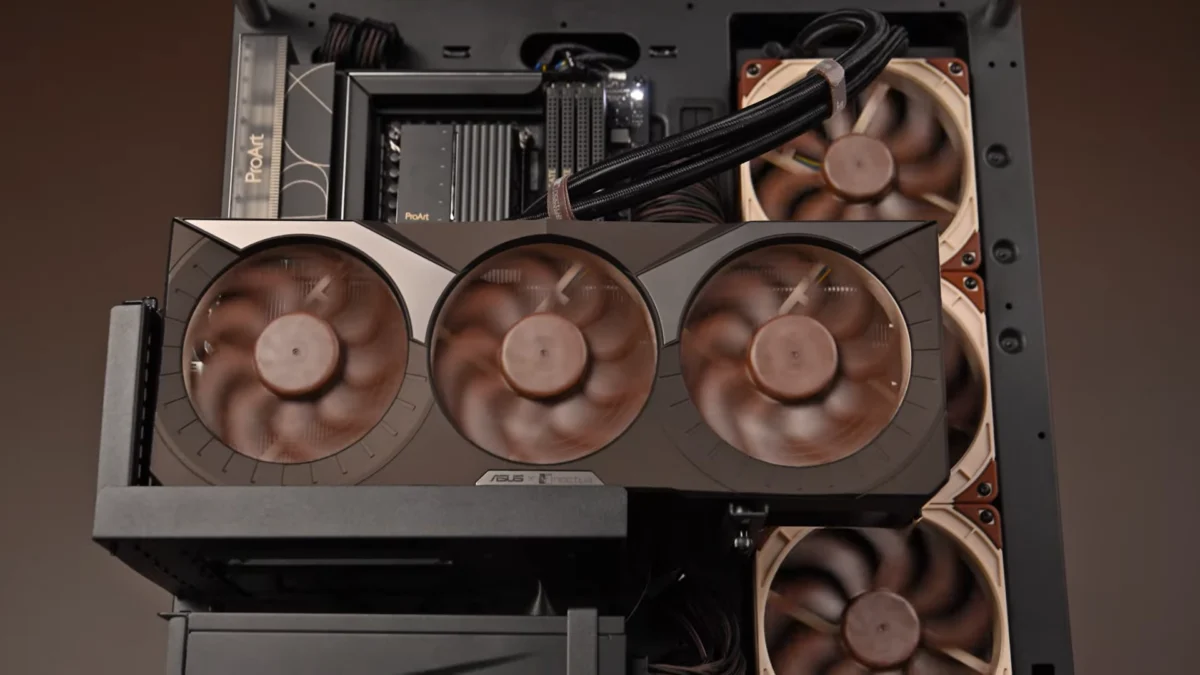
Nvidia’s Deep Learning Super Sampling (DLSS) technology has once again taken center stage, with the company showcasing a refined iteration of DLSS 5 at SIGGRAPH 2026, following a notably critical initial reception earlier this year. The advanced upscaling solution, infused with sophisticated artificial intelligence capabilities, aims to redefine visual fidelity in gaming, but its debut sparked considerable debate regarding the preservation of artistic intent. At the annual computer graphics conference, Nvidia presented a seemingly different approach, signaling a strategic pivot to address the community’s concerns and highlight significant technical advancements.
The Evolution of DLSS and Initial Controversies
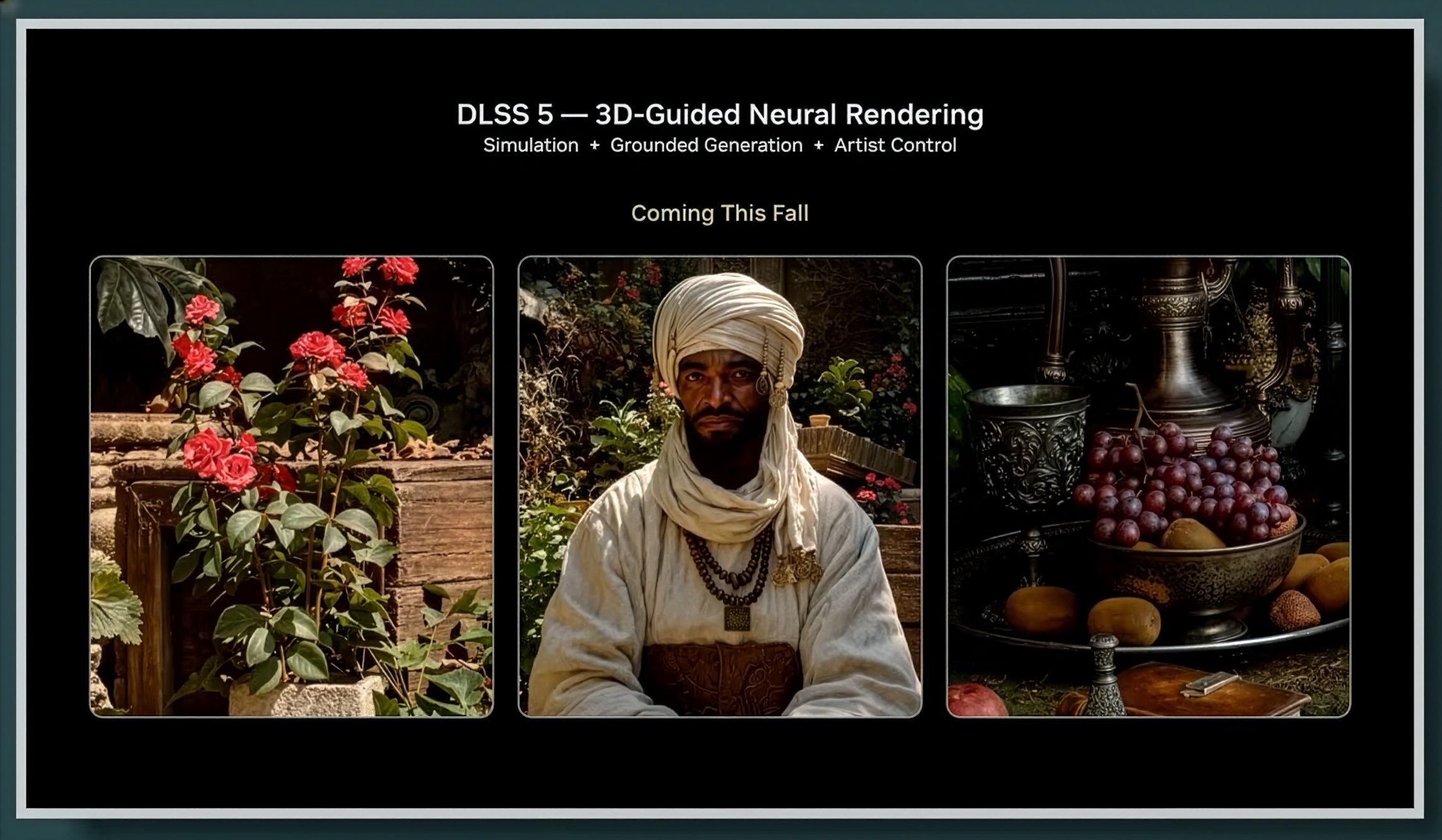
Deep Learning Super Sampling, first introduced by Nvidia in 2018, revolutionized real-time rendering by leveraging AI and dedicated Tensor Cores on its RTX graphics cards. Its core function is to render games at a lower internal resolution and then use an AI model to upscale the image to a higher target resolution, often with superior image quality compared to traditional upscaling methods, while simultaneously boosting frame rates. This has become increasingly vital as game graphics become more demanding, particularly with the advent of real-time ray tracing and the push for higher resolutions like 4K and 8K. Over successive iterations (DLSS 2, DLSS 3, DLSS 3.5), Nvidia has consistently improved image reconstruction, temporal stability, and introduced features like Frame Generation, which uses AI to create entirely new frames, further enhancing performance.
However, the initial unveiling of DLSS 5 earlier this year generated a strong, predominantly negative, response from certain segments of the press and enthusiast community. The backlash stemmed from concerns that the new version’s ambitious AI capabilities, which promised to transform pixels with photorealistic lighting and materials, were "overstepping its boundaries." Critics worried that DLSS 5’s generative AI components might fundamentally alter the visual style and atmosphere meticulously crafted by game developers, potentially leading to what some pejoratively termed "AI slop" or visual "hallucinations" that deviated from the original artistic vision.
Nvidia’s leadership, including CEO Jensen Huang, initially attempted to assuage these fears by reassuring the community that DLSS 5 would indeed preserve artistic intent. However, Huang’s subsequent assertion that "gamers didn’t understand it" regarding the technology only served to inflame the debate, leading to calls for greater transparency and user control over the AI’s influence on game visuals. The challenge for Nvidia was clear: how to push the boundaries of AI-driven graphics without alienating a core user base deeply invested in the integrity of gaming experiences.
DLSS 5’s Reintroduction at SIGGRAPH 2026: A Modular Approach
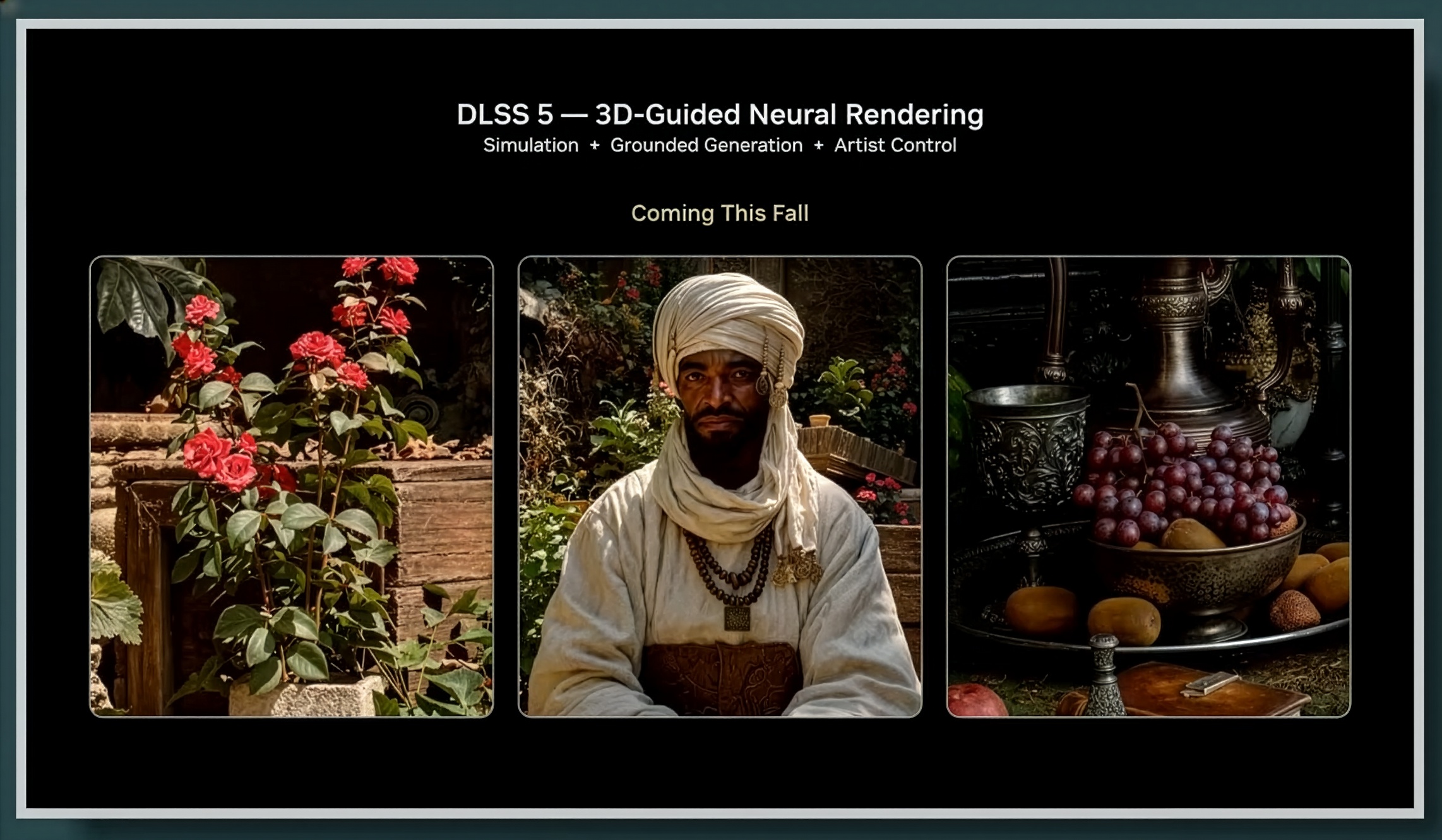
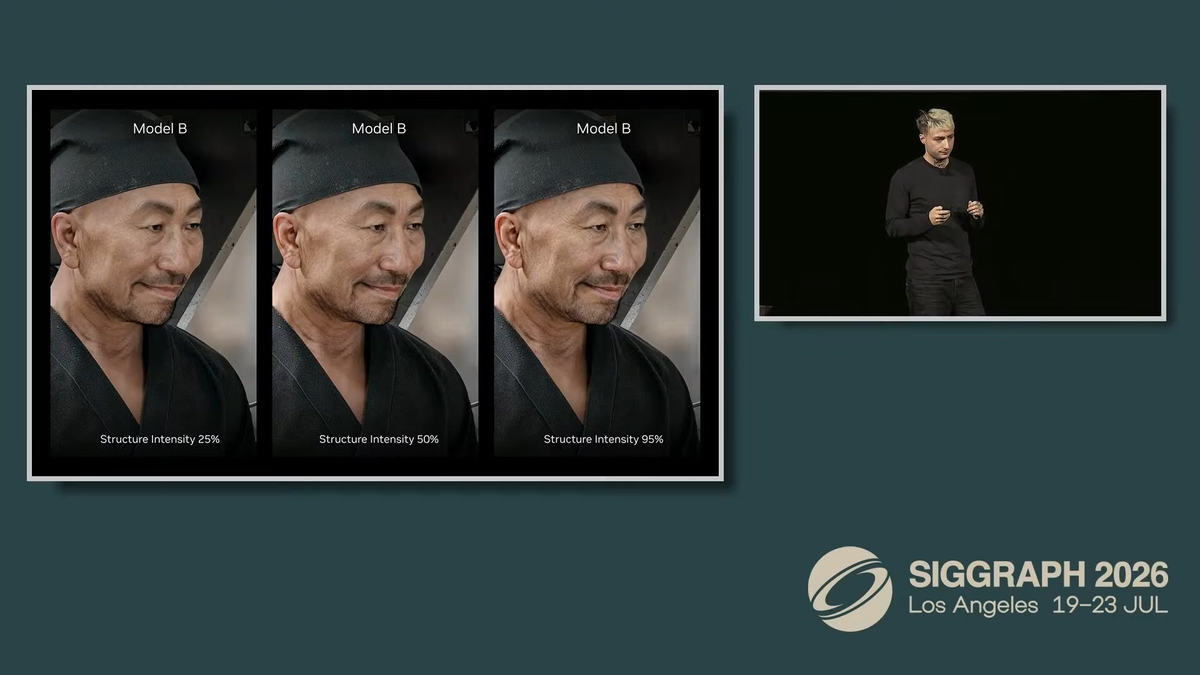
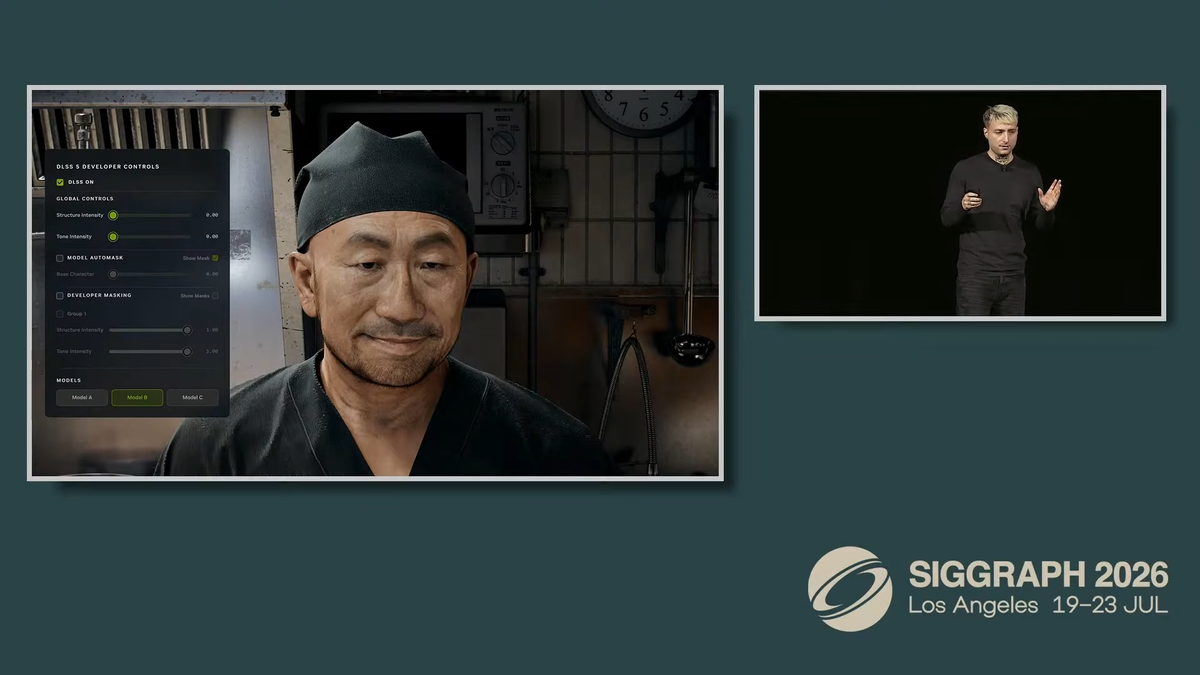
At SIGGRAPH 2026, Nvidia presented a significantly refined vision for DLSS 5, demonstrating a clear effort to incorporate feedback and address the earlier criticisms. The main takeaway from this reintroduction is the implementation of a highly modular system featuring three distinct AI models. These models offer varying levels of detail and performance impact, providing game developers with unprecedented flexibility and control.
Crucially, a game is no longer confined to employing a single DLSS 5 model throughout its entirety. Instead, developers can dynamically select and apply different models based on specific scenes, gameplay scenarios, or even individual elements within a scene. For instance, a developer might opt for a higher-fidelity, more AI-intensive model for cinematic sequences where visual grandeur is paramount, while switching to a lighter, performance-optimized model for fast-paced action segments where responsiveness is key. Furthermore, the granularity extends to specific assets, allowing fine-tuning of how much DLSS 5’s AI touches elements like character models versus environmental details, or even choosing to bypass the AI enhancements for certain assets entirely.
This modularity is complemented by the ability to switch between these models in real time without incurring noticeable latency. This real-time adaptability is a critical feature for maintaining a seamless and responsive gaming experience, a paramount concern for competitive and immersive titles alike. Nvidia emphasized that DLSS 5 utilizes a sophisticated combination of techniques. The foundational upscaling process, which dictates core image elements like lighting and geometry, operates conventionally, much like previous DLSS versions. The controversial "beautification features" – the AI-driven visual enhancements that go beyond mere upscaling to apply effects like photorealistic materials and lighting – are now presented as an optional layer applied after the initial upscaled frame. This clear separation aims to mitigate concerns about artistic deviation by giving developers a choice in their implementation. However, the presentation left some ambiguity regarding whether end-users will have direct control to disable these specific "beautification" features, or if that control will remain solely with game developers.
Overcoming Technical Hurdles: Preservation, Latency, and Optimization
Nvidia explicitly outlined three primary technical challenges faced during the development of DLSS 5, many of which appear to be direct responses to the initial backlash and the inherent complexities of integrating generative AI into real-time gaming:
-
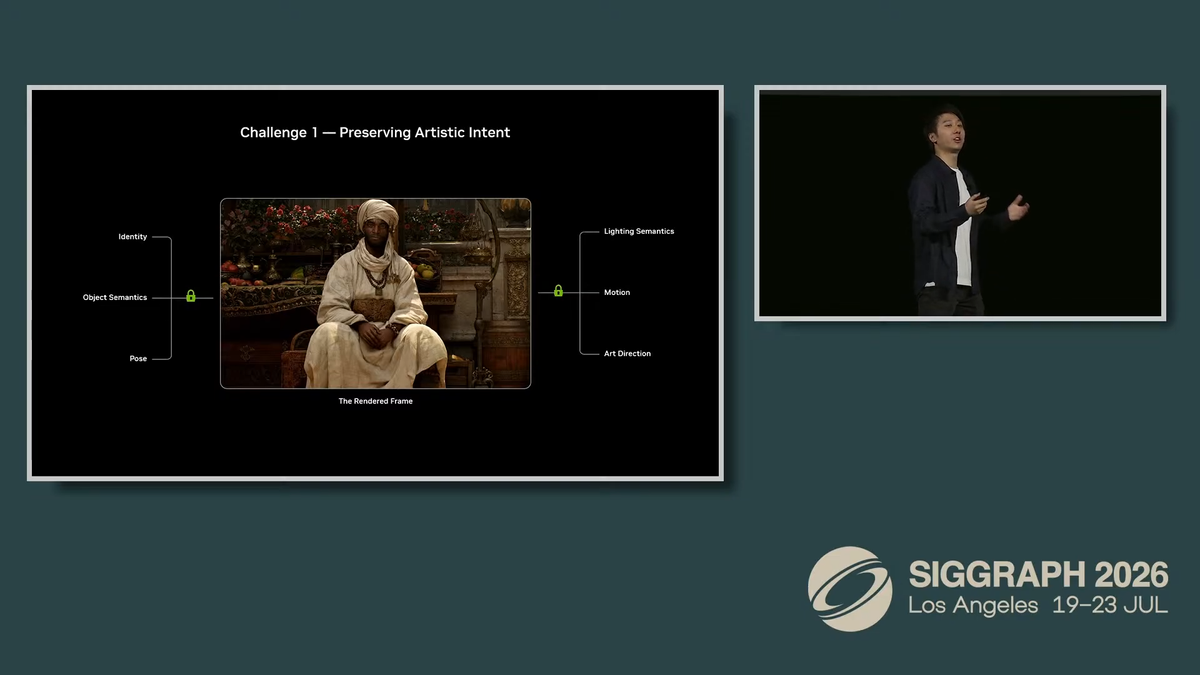
Preserving Original Creative Vision: This was the most contentious point. Generative AI models, by their nature, can create novel content, which can diverge from an artist’s original design. Nvidia’s solution, as presented at SIGGRAPH, involves the modular architecture and the optional application of the AI beautification features. By allowing developers to control the intensity and scope of the AI’s influence, and to selectively apply or entirely forgo these enhancements for specific elements, Nvidia aims to empower creators rather than override their artistic choices. This approach suggests a more collaborative role for AI, acting as an enhancement tool rather than an autonomous renderer.
-
Handling One Frame at a Time for Real-time Response: Generative AI models, especially those based on diffusion architectures, often process data in batches or sequences, which can introduce latency. This is antithetical to the demands of interactive gaming, where every millisecond of input lag can negatively impact player experience. Nvidia’s engineering challenge was to adapt DLSS 5 to process frames individually and with minimal delay, ensuring that the AI enhancements do not compromise response times. Achieving this required significant innovation in the AI model architecture and inference pipeline to enable high-speed, frame-by-frame processing without sacrificing the quality of the generated visuals.
-
Optimization and Efficiency: The initial demonstrations of DLSS 5 were reportedly running on powerful hardware configurations, including two Nvidia RTX 5090 GPUs. This raised concerns about accessibility and the practical requirements for widespread adoption. At SIGGRAPH, Nvidia proudly announced substantial optimization breakthroughs, stating that DLSS 5 can now run effectively on a single GPU and is "VRAM efficient." This dramatic reduction in hardware requirements is a crucial development, making the technology viable for a broader range of high-end gaming systems. The company attributed this efficiency to the development of a "more compact model that has learned from a larger diffusion model." This process, known as model distillation, involves training a smaller, more efficient neural network to replicate the performance of a much larger, more computationally intensive one. This allows the core AI capabilities to be deployed effectively within the constraints of a single gaming GPU, promising real-time 4K performance across a wider range of compatible hardware.
Industry Landscape and Broader Implications
The reintroduction of DLSS 5 at SIGGRAPH 2026 places Nvidia firmly at the forefront of AI-driven graphics innovation, even as competitors like AMD and Intel continue to advance their own upscaling technologies. AMD’s FidelityFX Super Resolution (FSR) and Intel’s Xe Super Sampling (XeSS) have become formidable contenders, with AMD recently pushing FSR 4.1, which boasts INT8 model support and compatibility across over 300 games, along with upcoming support for RDNA 3 APUs. The "upscaling wars" have intensified, making these technologies not just performance boosters but "mandatory parts of the equation" for achieving playable frame rates and high visual fidelity in the most graphically demanding modern titles, especially those utilizing complex lighting techniques like ray tracing.
For gamers, DLSS 5 promises a future of unprecedented visual quality coupled with smooth performance. The modularity and optionality of the AI enhancements could offer the best of both worlds: stunning AI-generated details where desired, and unadulterated artistic vision where preferred. However, the lingering question of direct user control over the "beautification" features remains a point of potential contention. Transparency and clear options will be crucial for building trust within the community.
For game developers, DLSS 5 represents a powerful new toolset. The ability to fine-tune AI application per scene or object provides immense creative freedom, allowing them to selectively leverage AI to enhance visual elements without compromising their core artistic direction. However, it also introduces additional complexity in the development pipeline, requiring careful integration and balancing of the various DLSS 5 models.
For Nvidia, this refined DLSS 5 strategy is critical. It reinforces their leadership in AI and GPU technology, showcasing their ability to innovate while also responding to community feedback. Successfully navigating the delicate balance between pushing technological boundaries and respecting artistic integrity will be key to the widespread adoption and long-term success of DLSS 5. The company’s commitment to tweaking models and parameters based on community feedback, as indicated by the Q3 2026 release window, suggests a more iterative and user-centric development approach.
While the new demonstrations appear significantly more polished and mature, the debate surrounding artistic intent and AI’s role in creative endeavors is likely to persist. The coming months, leading up to its expected launch in Q3 2026, will be crucial for Nvidia to further refine DLSS 5 and provide clear guidelines and options that empower both developers and players in shaping the future of interactive graphics.