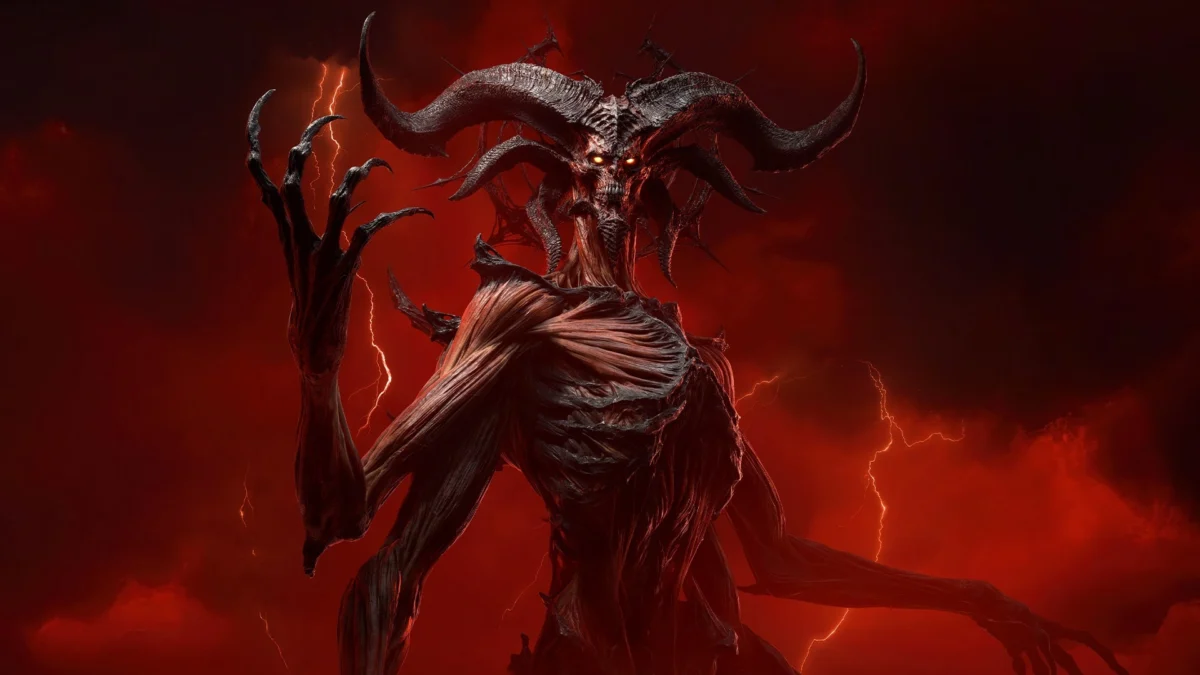
Blizzard Entertainment’s latest expansion for its flagship action role-playing game, Diablo 4: Lord of Hatred, successfully wraps up the central narrative arc that began with the base game’s 2023 release. Following a mixed reception to the game’s initial major narrative addition, Vessel of Hatred, this new release delivers a compelling campaign, introduces heavily requested classes and zones, and restructures core endgame systems to address long-standing player feedback. Review copies provided by the publisher for PC highlight a dense 30-plus-hour expansion that redefines the current standard for the ARPG genre.
Main Facts of the Expansion
Lord of Hatred centers on the ongoing pursuit of Mephisto, the Lord of Hatred, following the cliffhanger events of the base game and its predecessor expansion. Neyrelle continues her solitary quest across Sanctuary to prevent the Prime Evil from escaping his imprisonment within the soulstone.
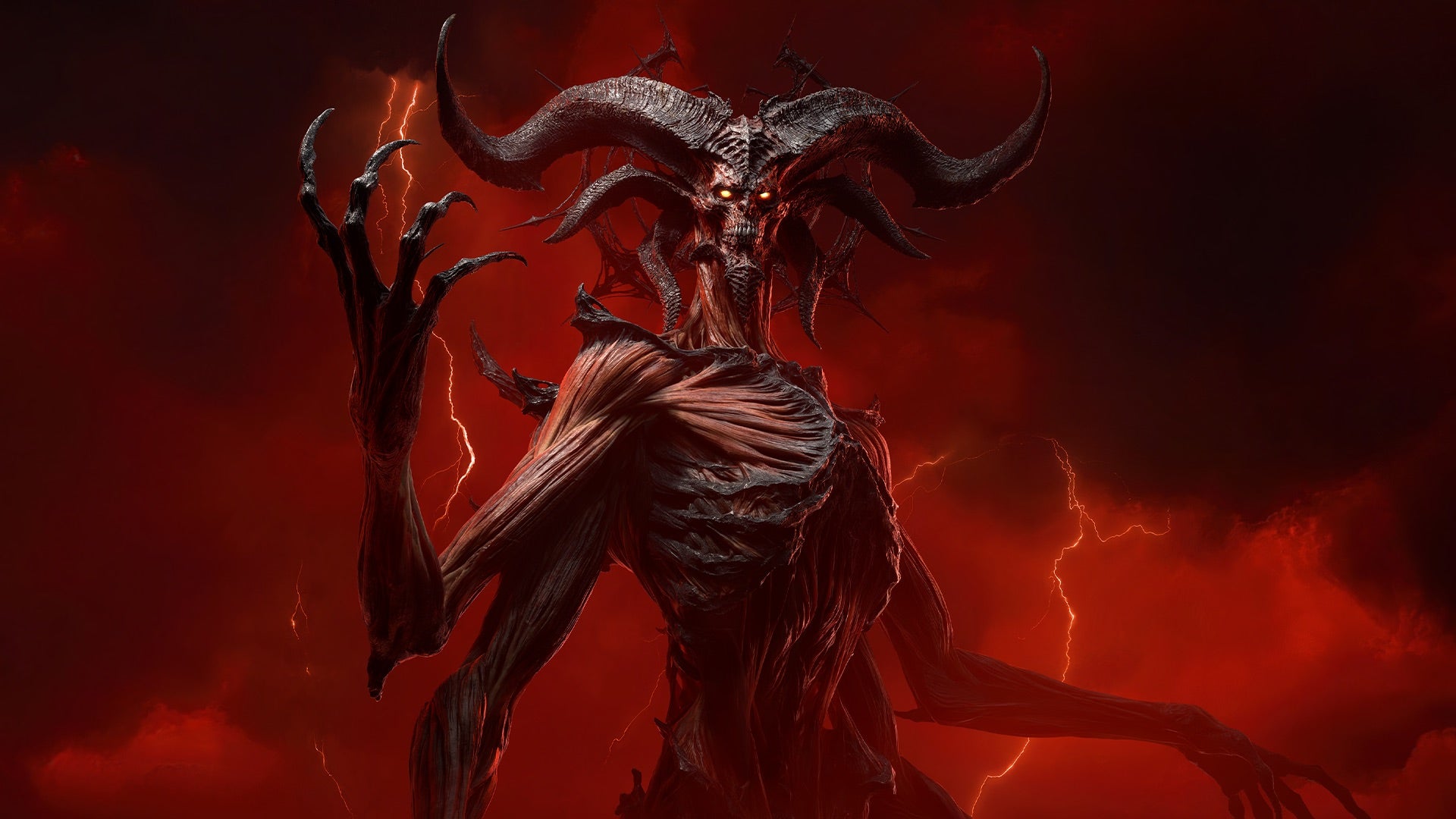
The expansion introduces the Skovos Isles, a brand-new region modeled visually and culturally after Mediterranean architecture and classical mythos, specifically echoing the Grecian Aegean islands and matriarchal warrior societies. Skovos holds profound canonical significance within Diablo lore as the historical birthplace of humanity’s progenitors, the descendants of Lilith and Inarius.
In addition to the new zone, Lord of Hatred expands the game’s roster with two distinct classes: the Paladin, a heavily armored traditional sword-and-board combatant, and the Warlock, a complex hybrid summoner-caster combining elements of traditional dark arts and demonic manipulation. The expansion also raises the level cap to 70, introduces the legendary Horadric Cube for item crafting and rarity modification, incorporates the Talisman system for passive and utility boosts, and implements "War Plans" to streamline endgame activities.
Chronology and Background Context
The release of Lord of Hatred follows a turbulent live-service lifecycle for Diablo 4. Upon its initial launch in June 2023, Diablo 4 earned praise for its dark tone, production value, and combat mechanics, though subsequent seasons faced criticism regarding itemization loops and endgame repetition.

The game’s first major expansion, Vessel of Hatred, launched in late 2024. While it successfully introduced the Spiritborn class, it faced community criticism for a lighter narrative scope that felt detached from the overarching struggle against the Prime Evils. Recognizing the need for a stronger narrative payoff, Blizzard adjusted its development timeline, leading to a deliberate one-year gap before the deployment of Lord of Hatred.
The rollout of the expansion’s content began ahead of its formal launch. Notably, the Paladin class shadow-dropped in December during industry showcase events, addressing a multi-year player demand for a classic holy warrior archetype. The full expansion campaign and accompanying system overhauls formally arrive to close out the primary story arc initiated in the original 2023 campaign.
Supporting Data and Systemic Overhauls
Beyond the narrative campaign, Lord of Hatred implements massive overhauls to progression and character building. The new level cap of 70 serves as a threshold for completely reworked and expanded talent trees. Crucially, many powers previously locked behind specific Legendary gear drops have been integrated directly into the updated skill trees, broadening build accessibility for both casual and hardcore players.

The newly added Talisman system grants players additional slots for passive buffs and utility improvements, directly expanding basic mechanics such as potion capacities and evasion enhancements. Set items and associated set bonuses make a formal return, offering dedicated paths for character specialization.
To counter endgame stagnation—a recurring critique during the early seasons of Diablo 4—Blizzard has introduced "War Plans." This feature gamifies the endgame loop by allowing players to construct curated playlists of preferred activities, such as specific dungeons or open-world events. Completing these designated playlists yields cumulative progression bonuses and extra rewards, mitigating reliance on random drop rates for Mythic Unique items.
Furthermore, the integration of the Horadric Cube provides players with recipe-based crafting options to upgrade item rarities and modify affixes, giving veterans a reliable mechanism to salvage suboptimal loot drops.
Official Responses and Industry Reception

Blizzard Entertainment representatives have positioned Lord of Hatred as a definitive milestone for the Diablo franchise, emphasizing the studio’s commitment to listening to player feedback regarding narrative depth and endgame variety. While formal consumer reviews across global platforms are arriving alongside the launch window, early critical consensus points to the campaign as some of the finest narrative work the developer has produced in recent years.
The return of pivotal characters, particularly a diminished and more desperate iteration of Lilith, has drawn analytical praise for deepening the philosophical conflict at the heart of Sanctuary’s creation myth. Cinematic direction, voice acting, and technical execution have similarly been highlighted as setting a high benchmark for contemporary AAA video game storytelling.
Broader Impact and Implications for the ARPG Genre
The launch of Lord of Hatred carries significant implications for Diablo 4’s commercial longevity and its standing within the modern ARPG market, which faces stiff competition from titles like Path of Exile 2. By successfully resolving the overarching narrative thread of the base game, Blizzard clears the narrative slate for future expansions and seasonal directions, proving that the live-service framework can accommodate meaningful, high-stakes storytelling.

The introduction of mechanically demanding classes like the Warlock—which requires tactical minion management and resource sacrifice—signals that Blizzard is willing to cater to advanced players seeking high skill-ceiling gameplay, moving away from purely homogenized combat loops. Meanwhile, quality-of-life additions like the Horadric Cube and War Plans demonstrate a pragmatic design philosophy aimed at reducing player friction and grinding fatigue.
As Diablo 4 enters its next phase of live-service development, Lord of Hatred establishes a revitalized baseline for content delivery, proving that the franchise can successfully balance blockbuster visual presentation with deep, rewarding mechanical systems.