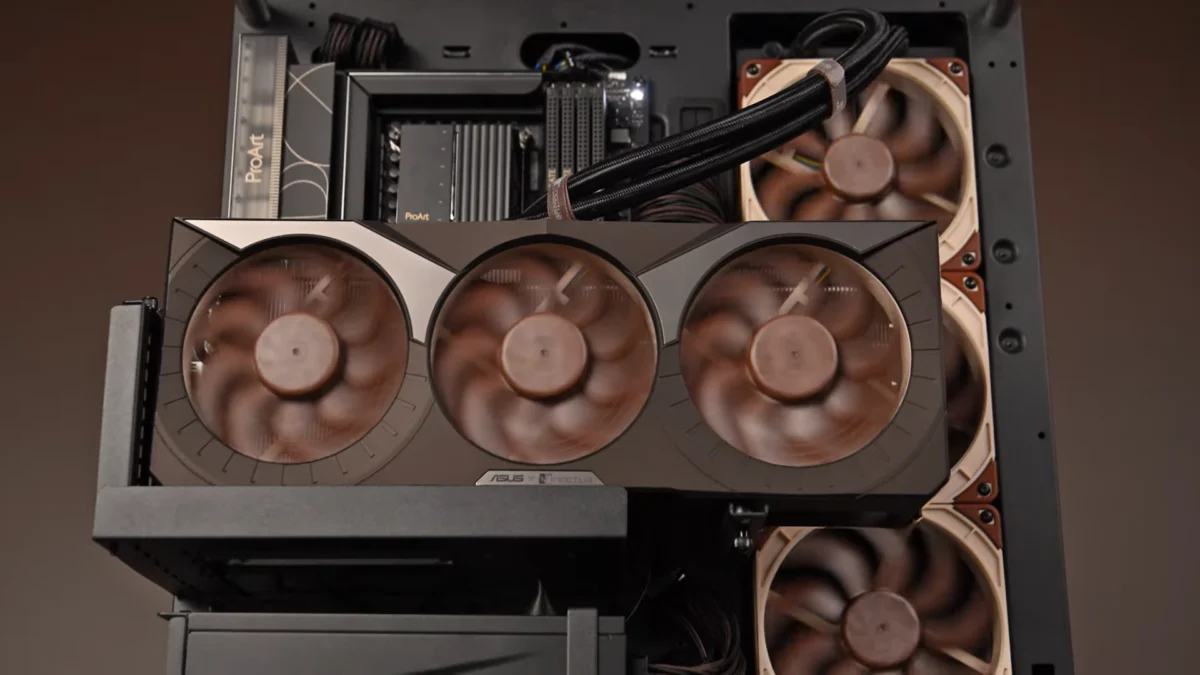
The high-end personal computer hardware market is experiencing a severe disruption as inventory for Nvidia’s flagship gaming graphics card, the GeForce RTX 5090, has nearly vanished from mainstream online retail channels. Over the past several weeks, retail prices for the powerhouse GPU have climbed steadily, culminating in a complete depletion of authorized stock. Currently, consumers attempting to purchase the hardware online are forced to rely on third-party marketplace vendors, where prices have ballooned to exorbitant levels ranging from $6,500 to upwards of $9,500.
This dramatic market shift highlights a confluence of factors, including intense demand driven by artificial intelligence workloads, lingering supply chain vulnerabilities, and opportunistic scalping. As major retailers show empty virtual shelves, prospective buyers face not only heavily inflated costs but also a growing wave of fraudulent listings and online scams.
The Rapid Escalation of Market Prices
The current state of the RTX 5090 market represents an aggressive acceleration of price inflation that has steadily built throughout the year. Data from market trackers indicates that the median price for the GPU hovered around $4,299 in June. By the beginning of September, the lowest recorded online prices had climbed to $5,199.
In less than two weeks following that milestone, direct retail availability evaporated completely. Major platforms like Newegg and Amazon now feature the RTX 5090 exclusively through third-party marketplace sellers. For instance, the cheapest available option on Newegg was recently listed by a relatively new vendor, Slava Computers, at $6,449 for an MSI Ventus 3X model. Similarly, Amazon listings—such as an Asus TUF Gaming OC offered by Joes Tech Shop for $6,395—are accompanied by concerning customer feedback, including a string of recent one-star reviews citing unfulfilled orders. Other listings on Newegg push the cost even higher, with select models touching $8,699.
Industry analysts note that these inflated prices place the consumer graphics card well into the pricing tier typically reserved for enterprise-grade hardware, fundamentally distorting the traditional consumer hardware purchasing landscape.
A History of Scams and Marketplace Vulnerabilities
The scarcity of high-value computer components has historically attracted predatory actors, and the RTX 5090 shortage is no exception. Security experts and consumer watchdogs have warned buyers against utilizing unverified third-party sellers during periods of extreme scarcity.
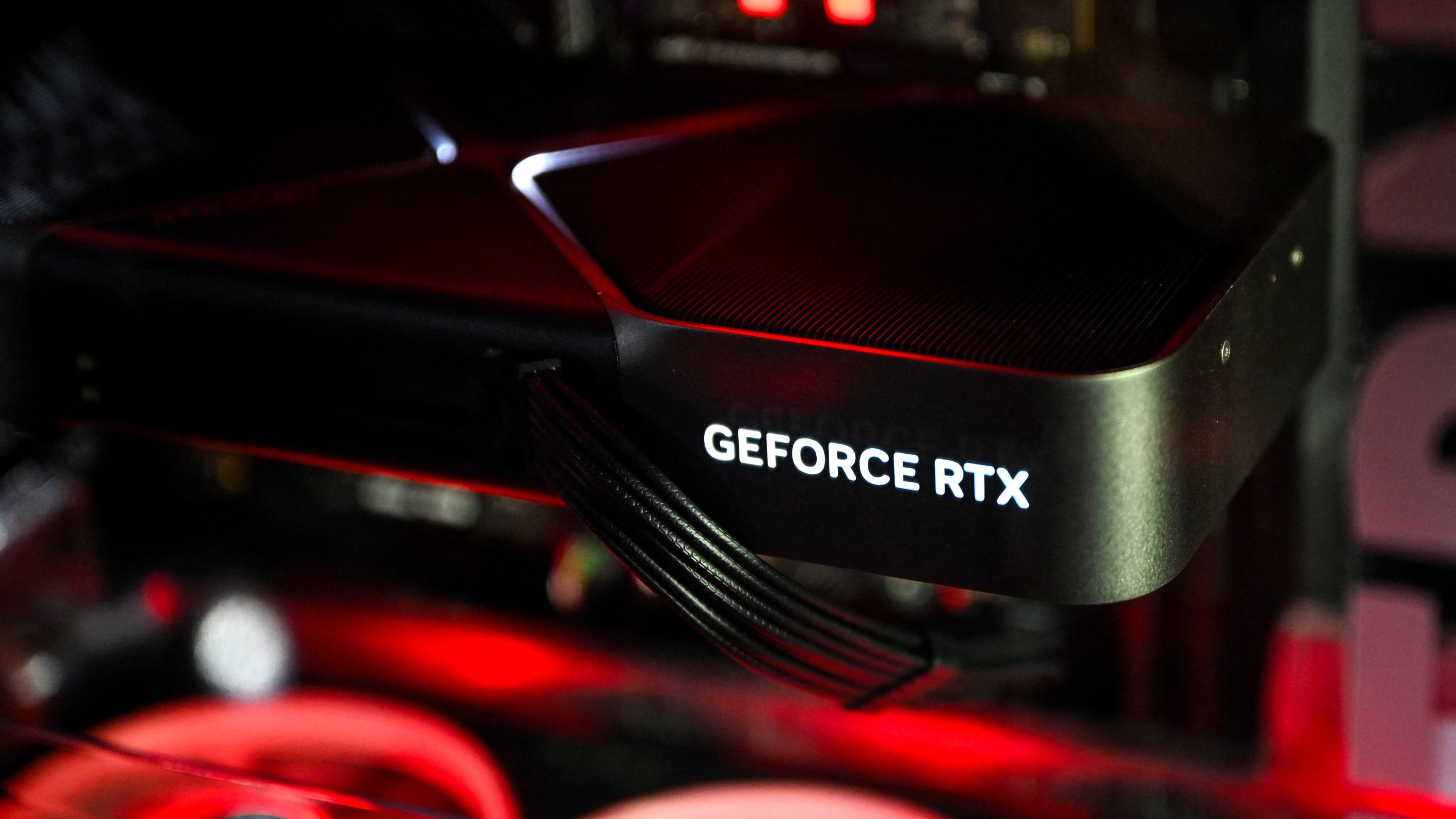
The risks associated with purchasing luxury hardware from secondary online marketplaces are well-documented. In January, a high-profile incident saw 42 Amazon customers fall victim to a sophisticated bait-and-switch scam. Victims were lured by a seemingly legitimate listing for an RTX 5090 priced at $999—a fraction of its market value—only to receive inexpensive accessories, such as a fanny pack, instead of the graphics card.
More recently, secondary markets have seen instances of "phantom" graphics cards being circulated. Earlier this month, online buyers fell victim to fraudulent sales where secondhand cards were stripped of their core processors and memory modules, yet sold at prices near the original manufacturer’s suggested retail price (MSRP). These recurring incidents underscore the financial risks consumers take when attempting to acquire scarce hardware through unvetted digital storefronts.
The Micro Center Exception: Brick-and-Mortar Resilience
While digital storefronts have been thoroughly cleaned out by algorithmic buyers, scalpers, and high-volume purchasers, physical retail has offered a stark contrast. The one notable exception to the widespread online inventory drought is Micro Center, a specialty computer hardware retailer with brick-and-mortar locations across the United States.
Micro Center continues to maintain limited supplies of the RTX 5090 at prices much closer to standard market expectations. Recent checks at physical store locations revealed in-stock options starting around $4,299. The retailer’s ability to maintain inventory is largely attributed to a long-standing corporate policy requiring in-person purchases for high-demand graphics cards. This strict walk-in requirement effectively insulates the inventory from automated scraping bots and online scalping syndicates that routinely strip digital shelves bare within seconds of a restock.
The Driving Force: Artificial Intelligence and Enterprise Adoption
The fundamental driver behind the relentless demand for the RTX 5090 is not traditional PC gaming alone, but rather its immense utility in artificial intelligence and machine learning applications.
Under the hood, the RTX 5090 packs the formidable GB202 graphics processing unit paired with 32GB of ultra-fast GDDR7 memory. To understand the immense appeal of the consumer card for enterprise and research tasks, industry experts often point to Nvidia’s professional lineup. The Nvidia RTX Pro 5000, which features 48GB of memory, utilizes the same underlying GPU architecture but with roughly one-third of its shader units disabled and significantly lower memory bandwidth. Furthermore, the Pro 5000 commands a commercial price tag between $7,000 and $9,000.
When evaluated against these enterprise alternatives, the RTX 5090—even at inflated consumer prices of $5,000 or more—presents a cost-effective solution for developers, data scientists, and small businesses looking to construct localized AI training servers or high-performance compute nodes. The massive memory footprint and high memory bandwidth of the Blackwell-architecture card make it a potent tool for running large language models and complex neural networks locally.
Gaming Dominance and the Software Ecosystem
Despite its heavy adoption in professional AI workflows, the RTX 5090 remains undisputed as the fastest consumer gaming graphics card on the market. Independent benchmark evaluations consistently place the card at the absolute apex of the GPU hierarchy.
This performance advantage has been further accentuated by software advancements. Nvidia’s introduction of DLSS 5 Neural Rendering allows the RTX 5090 to fully leverage advanced AI-driven graphics techniques. While preliminary testing indicates that DLSS 5 introduces a noticeable performance overhead on initial release, lower-tier Blackwell cards have proven capable of handling the technology at standard resolutions like 1080p. For the RTX 5090, however, the hardware headroom ensures that users can maximize these advanced rendering features without compromising fidelity or frame rates at high resolutions.
Broader Implications and Industry Response
The convergence of AI utility, gaming performance, and supply constraints points to a broader structural challenge within the semiconductor industry. High-end silicon allocation is increasingly pulled toward lucrative enterprise and artificial intelligence sectors, often leaving the consumer gaming market underserved.
As the situation develops, consumer advocacy groups continue to urge patience and caution, advising enthusiasts to avoid panic-buying from inflated third-party listings that carry high financial risks. Media outlets have reached out to Nvidia for official commentary regarding potential production adjustments, distribution changes, or strategies to stabilize retail inventory for the consumer market. As of press time, the manufacturer has not released a formal statement regarding the current market anomaly.
Until official supply channels are replenished or demand cools, the RTX 5090 will likely remain an elusive trophy for the average consumer, accessible primarily through persistent physical retail hunting or at a steep premium on the speculative secondary market.