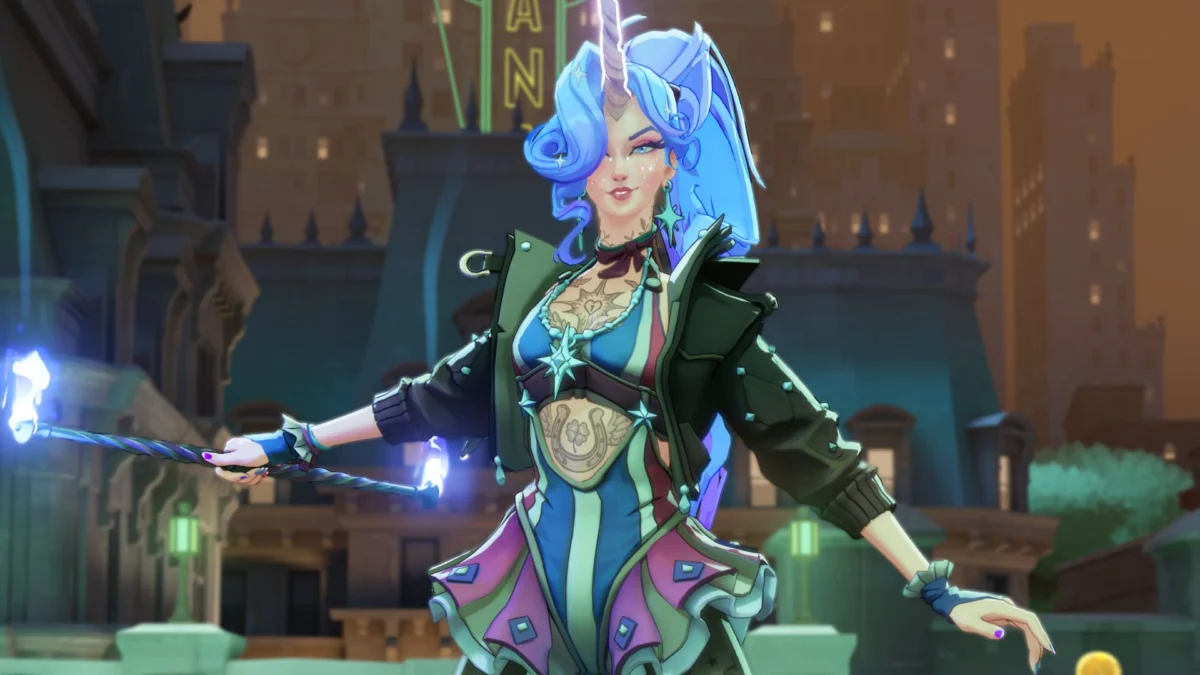
The latest development update from Valve regarding its highly anticipated title, Deadlock, has served as a sobering reality check for the gaming community. Despite the rollout of substantial content updates, including the massive "Old Gods, New Blood" and the recent "City Never Sleeps" patch, Valve has explicitly signaled that the invite-only hero shooter remains in a formative stage of development. For a player base that has watched the game evolve from a cryptic playtest into a highly polished, feature-rich experience, the company’s recent messaging underscores a deliberate, long-term approach to production that prioritizes iterative feedback over a rapid public launch.
The Philosophy of Open-Development
Valve’s approach to Deadlock stands as a testament to its long-standing corporate culture, which often favors product quality and internal flexibility over the rigid release schedules common in the AAA industry. By maintaining an invite-only model, Valve has effectively created a controlled, high-fidelity laboratory.
"We think building a multiplayer game is very hard and risky, and the best way to minimize that risk is to make sure that we are able to have it in players’ hands from an early state to help us shape it and tell us what is fun and what isn’t," the studio stated in its official development blog. This philosophy suggests that the "invite-only" status is not merely a marketing tactic to generate artificial scarcity, but a functional necessity for a developer that relies heavily on live-service telemetry and community sentiment to balance its complex hero-based systems.
Chronology of Evolution: From Shadows to Spotlight
The trajectory of Deadlock has been atypical. For months, the game existed largely as a "shadow project," with leaks and community rumors providing the only glimpse into its mechanics. When Valve finally acknowledged the project, it was already in a state of relative mechanical maturity.
- Early 2024: The game begins to circulate among a select group of testers, with leaks confirming a third-person, hero-based MOBA structure.
- Mid 2024: The "Old Gods, New Blood" update arrives, introducing six new heroes and comprehensive visual overhauls to core systems, including the game’s "Patrons."
- Late 2024: The "City Never Sleeps" update further refines the aesthetic of the map, implementing significant changes to itemization and layout.
- Current Status: Valve confirms that the development team has transitioned from working on isolated systems to a parallel development model, where multiple major features are refined simultaneously.
This progression has confused segments of the public who perceive the game’s current visual polish as evidence of a finished product. However, Valve’s internal standards for "complete" appear to include robust meta-systems, such as progression trees and cosmetic hideout customizations, which remain in a state of flux.
The Parallel Development Shift
In the most recent update, Valve clarified that the team’s workflow has undergone a strategic shift. Rather than focusing on one hero or one map area at a time, the developers are now working across multiple domains concurrently. This move is designed to create a more cohesive end-user experience, but it also creates a wider surface area for potential balance issues, necessitating even more rigorous playtesting.
The inclusion of items, map layout, and progression systems in this parallel sprint indicates that the core gameplay loop is still undergoing fundamental adjustments. For instance, the recent introduction of large-scale item redesigns suggests that the game’s "economy"—the way players progress and gain power during a match—is still not finalized. When the fundamental math of a competitive game is still subject to significant change, a wide-scale public release is rarely on the immediate horizon.
Speculative Features and Future Scope
Perhaps the most intriguing revelation in the recent development update involves the potential for non-standard game modes. Valve has noted that it is currently investigating "speculative" additions, including alternative modes that could significantly alter the scope of the game.
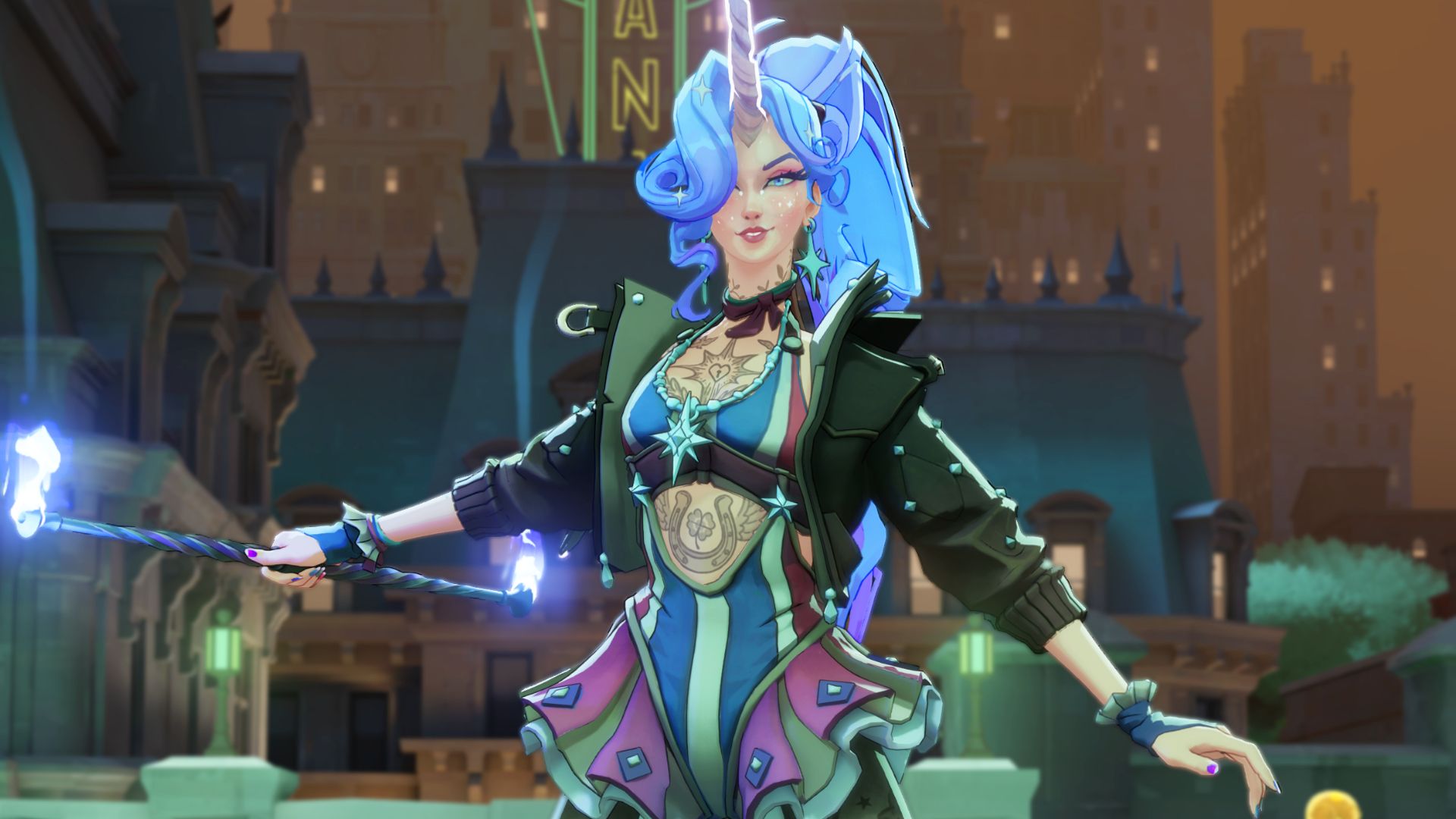
Industry analysts have pointed to the influence of former Risk of Rain developers, who are now part of the Valve ecosystem, as a potential driver for this experimentation. A PvE (Player vs. Environment) component would represent a massive departure from the standard MOBA formula, effectively turning Deadlock into a multi-genre platform. While Valve remains cautious about these features—stating that they are not 100% committed to releasing them—the fact that they are being prototyped in a live environment proves that Deadlock is intended to be much more than a simple arena battler.
The "Polish" Bottleneck: Hero Visuals
A common point of contention in the current build has been the inconsistent visual fidelity across the hero roster. Some characters appear fully realized with high-resolution models and distinct animations, while others look like placeholders. Valve originally intended to address these older character assets during the final "polish phase" of development.
However, the recent update confirmed that this plan has been accelerated. Valve will now integrate these visual updates into standard, incremental patches. This decision is significant because it implies that the team is preparing the game for a higher level of scrutiny, even if the "early development" label still applies. By cleaning up the visual language of the game, Valve is effectively narrowing the gap between the game’s internal build and a potential retail-ready state.
Strategic Implications for the MOBA Genre
The MOBA (Multiplayer Online Battle Arena) space is notoriously difficult to penetrate. With established titans like League of Legends and Dota 2 commanding massive, entrenched player bases, any new entrant must offer a paradigm shift to be successful.
Deadlock’s hybrid nature—combining the tactical, objective-based depth of a MOBA with the mechanical intensity of a third-person shooter—is its primary competitive advantage. By taking the time to test and re-test these systems, Valve is mitigating the risk of a "dead on arrival" launch. History in the gaming industry is littered with hero shooters that launched with fanfare but failed to retain players due to shallow progression or unbalanced meta-games.
Valve’s strategy is clear: they are willing to risk community frustration regarding the game’s availability in order to ensure that, upon a full, public launch, the game functions as a polished, self-sustaining ecosystem.
Conclusion: The Cage Remains Locked
Despite the high level of polish currently visible to those in the playtest, the message from Bellevue is unambiguous: the game is not ready for the general public. The integration of hero customization, the balancing of complex item systems, and the ongoing experimentation with PvE modes suggest that the game is still in a period of intense creative exploration.
For the average gamer, this means that access remains gated. Valve has shown no intention of bowing to public pressure to open the floodgates. The "City Never Sleeps" update may have brought the game closer to a finished state, but it has simultaneously revealed just how much work remains to be done. Until the team at Valve is satisfied that the game’s core loops are not just "fun," but sustainable and scalable for a global audience, Deadlock will likely remain a clandestine success—a massive, intricate project hidden in plain sight, waiting for the right moment to emerge.