








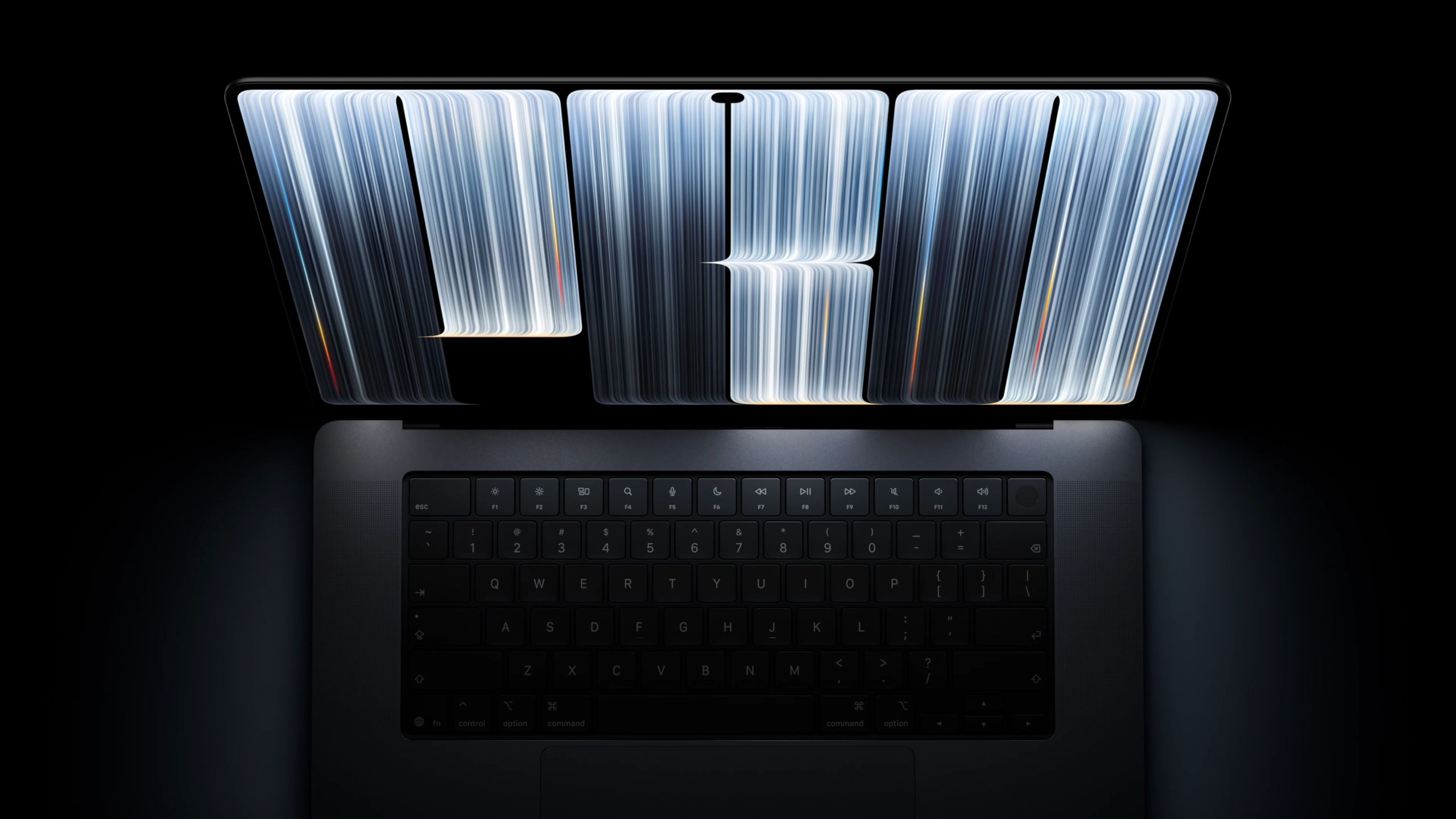
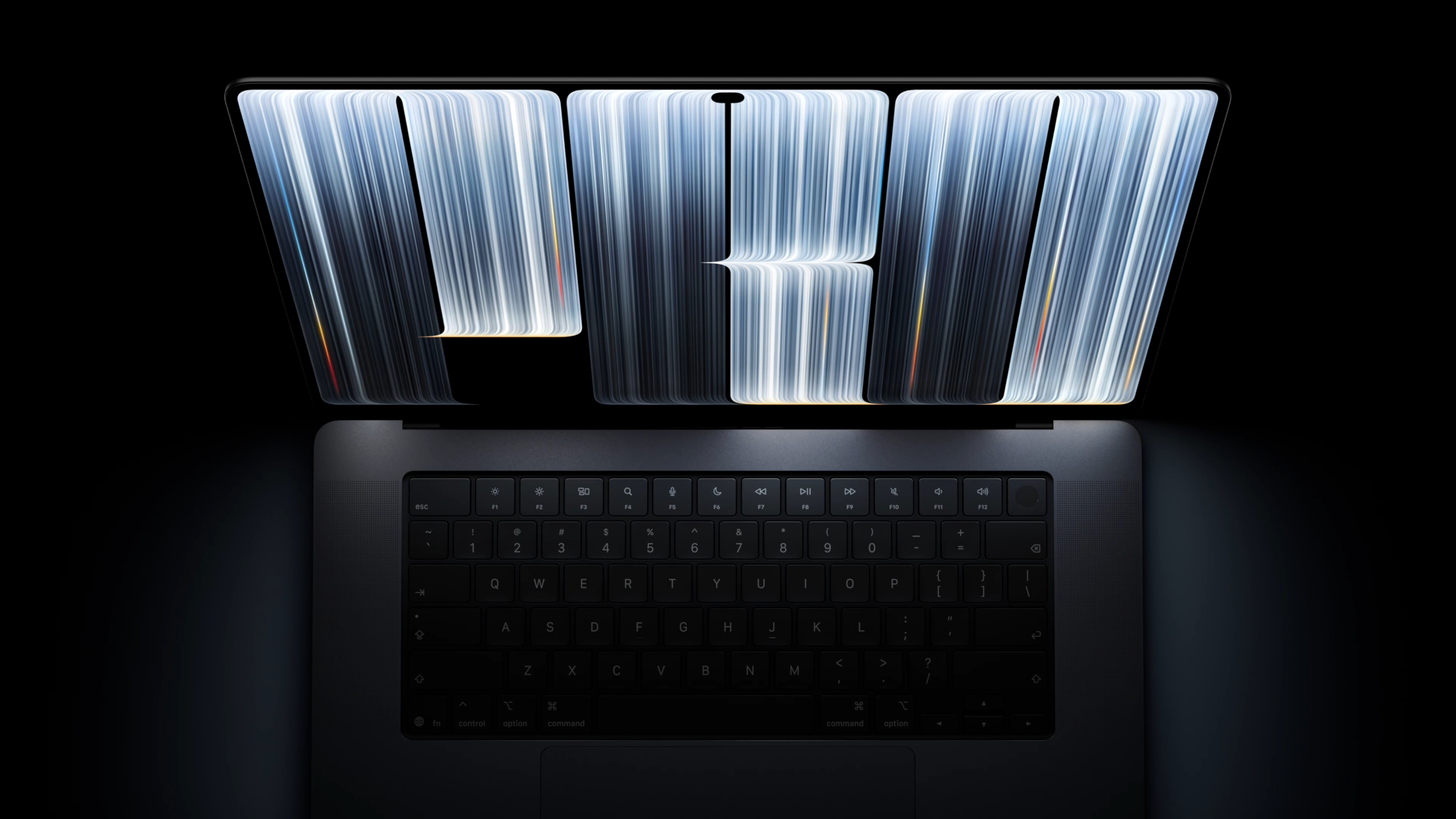
Apple has officially shattered one of the most enduring product philosophies in personal computing history by introducing its very first touchscreen laptops. During a high-profile hardware showcase held in Los Angeles, California, the technology giant detailed its next-generation MacBook Pro lineup, which integrates responsive touch capability directly onto advanced OLED XDR screens. This major pivot brings an end to years of executive resistance toward touch-enabled macOS portables, aligning Apple more closely with PC industry competitors that have offered hybrid and touch-enabled notebooks for well over a decade.
The newly unveiled 14-inch and 16-inch MacBook Pro models are available for immediate pre-order through Apple’s online storefront and authorized retail channels. Official shipments and in-store availability are slated to begin on November 6. Positioned squarely at the premium end of the consumer and professional laptop markets, the 14-inch configuration carries a starting price tag of $2,899, while the larger 16-inch variant starts at $3,399. Under the hood, these powerhouse machines harness Apple’s cutting-edge M5 Pro and M5 Max silicon, offering high-end performance tiers that scale up to an unprecedented 16 terabytes of solid-state storage and 128 gigabytes of unified memory for demanding enterprise and creative workflows.
The Evolution of Apple’s User Interface Philosophy
For years, Apple leadership maintained a firm stance against integrating touchscreens into macOS devices, famously arguing that vertical touch interfaces are ergonomically flawed and lead to arm fatigue during extended use. Former chief executive Steve Jobs once dismissed laptop touchscreens as "ergonomically terrible," a sentiment that subsequent leadership, including CEO Tim Cook and software engineering chief Craig Federighi, echoed on numerous occasions while championing the iPad as the company’s designated touch-first computing platform.
Industry analysts note that the decision to reverse this long-standing policy reflects changing consumer expectations and technological maturation. As OLED display technology has advanced, enabling thinner panels, deeper contrast ratios, and higher touch-sampling rates without compromising color accuracy or battery efficiency, the engineering hurdles that once deterred Apple have largely been overcome. Furthermore, the increasing convergence of iPadOS and macOS app ecosystems has created an environment where users naturally expect fluid, multi-modal interaction across all their personal computing devices.
Hardware Specifications and Performance Architecture
Performance capabilities remain a core pillar of the newly announced MacBook Pro refresh. Powered by the M5 Pro and M5 Max chips—built on an enhanced second-generation 3-nanometer fabrication node—the laptops deliver substantial generational leaps in both CPU multi-threaded throughput and GPU rendering speeds. Apple has engineered the new thermal architecture specifically to handle sustained workloads, ensuring that professionals engaged in 8K video editing, complex 3D rendering, machine learning model training, and heavy software compilation can do so without thermal throttling.
The introduction of OLED XDR displays represents a monumental shift away from the Liquid Retina XDR (Mini-LED) panels used in previous generations. OLED technology provides true blacks by individually illuminating pixels, resulting in an infinite contrast ratio and eliminating the subtle blooming artifacts sometimes visible in high-contrast Mini-LED scenes. The displays maintain peak brightness levels suitable for HDR content creation while offering wide color gamuts (P3) and ProMotion adaptive refresh rates ranging up to 120Hz.
Industry Response and Market Implications
The announcement has sent ripples across the consumer electronics landscape, prompting immediate reactions from industry competitors, software developers, and financial analysts. Competitors such as Microsoft, Dell, HP, and Lenovo have long relied on touchscreen functionality as a key differentiator for their flagship Windows laptops and 2-in-1 convertibles. With Apple entering the touchscreen laptop arena, the standard for premium productivity hardware is shifting.
Software developers are already reviewing their macOS applications to ensure robust support for touch inputs, gesture controls, and palm rejection algorithms. While Apple has emphasized that macOS remains fundamentally optimized for keyboard and trackpad navigation, the inclusion of touch opens up new avenues for creative software, digital illustration, interactive presentations, and intuitive document review.
Looking Ahead to the November Launch
As the November 6 shipping date approaches, supply chain monitors and retail analysts are closely watching initial pre-order volumes to gauge market demand for these high-priced machines. Given the steep entry points of $2,899 for the 14-inch model and $3,399 for the 16-inch model, the target audience remains primarily enterprise professionals, software engineers, data scientists, and creative industry heavyweights rather than casual consumers.
This strategic hardware revision marks a defining moment in Apple’s product history. By successfully bridging the gap between traditional laptop ergonomics and modern touch interaction, Apple is redefining what professionals can expect from their primary mobile workstations as the industry enters its next major developmental phase.