





The convergence of high-end gaming hardware, specialized ergonomic furniture, and globally recognized tabletop intellectual property has reached a significant milestone. For decades, the sprawling, dystopian universe of Warhammer 40,000 has dominated the tabletop strategy landscape, capturing the imaginations of millions with its dense lore, intricate miniature modeling, and relentless conflict in the far future. Today, that influence extends far beyond the traditional hobby desk, permeating mainstream PC setups, office spaces, and everyday lifestyle accessories. As manufacturers increasingly secure official licensing partnerships with Games Workshop, enthusiasts now have access to a vast array of high-grade merchandise—ranging from precision-engineered ergonomic gaming chairs and expansive desk mats to artisanal keycaps, tactile plushies, and rugged utilitarian backpacks. This comprehensive guide examines the economic, cultural, and technological impact of this growing merchandising wave, detailing how fans can integrate the grim darkness of the 41st millennium into their daily productivity and gaming environments without compromising on modern aesthetic and functional standards.
The Evolution of Warhammer 40,000 Merchandise and Consumer Demand
To understand the current explosion of officially licensed Warhammer 40,000 lifestyle products, one must first look at the trajectory of Games Workshop as a commercial enterprise. Founded in 1975, the British manufacturer initially focused on manufacturing wooden boards for games before pivoting to tabletop role-playing games and, eventually, miniature wargaming. For many years, the company maintained a relatively insular approach to its intellectual property, focusing tightly on its core products: plastic miniatures, paints, rulebooks, and specialized hobby tools.
However, over the past decade, Games Workshop shifted toward an aggressive licensing strategy. Recognizing the mainstream appeal of the Warhammer IP—bolstered by critically acclaimed video games like Warhammer 40,000: Space Marine 2, numerous literary series, and upcoming cinematic projects—the company began partnering with premier hardware and lifestyle brands. Companies specializing in PC components, ergonomic seating, and apparel quickly realized that the Warhammer demographic is uniquely passionate, deeply loyal, and willing to invest in high-quality goods that reflect their allegiance to specific factions, such as the Ultramarines, Space Wolves, or even the corrupting forces of Chaos.
This shift transformed Warhammer merchandise from niche hobby items into mainstream consumer products. Modern enthusiasts no longer demonstrate their fandom solely through hand-painted miniature armies displayed in glass cabinets; they now demand that their entire workspace—from the mechanical keyboard under their fingers to the lumbar support on their chair—reflect the industrial, gothic, and utilitarian motifs of the Imperium of Man.
Comprehensive Breakdown of Essential Warhammer Setup Upgrades
Transforming a standard productivity or gaming station into a command center worthy of a Warmaster requires a careful balance of aesthetic integration and ergonomic utility. Fortunately, the current market offers officially licensed gear spanning multiple categories, price points, and factional allegiances.
Ergonomic Seating and Desk Infrastructure
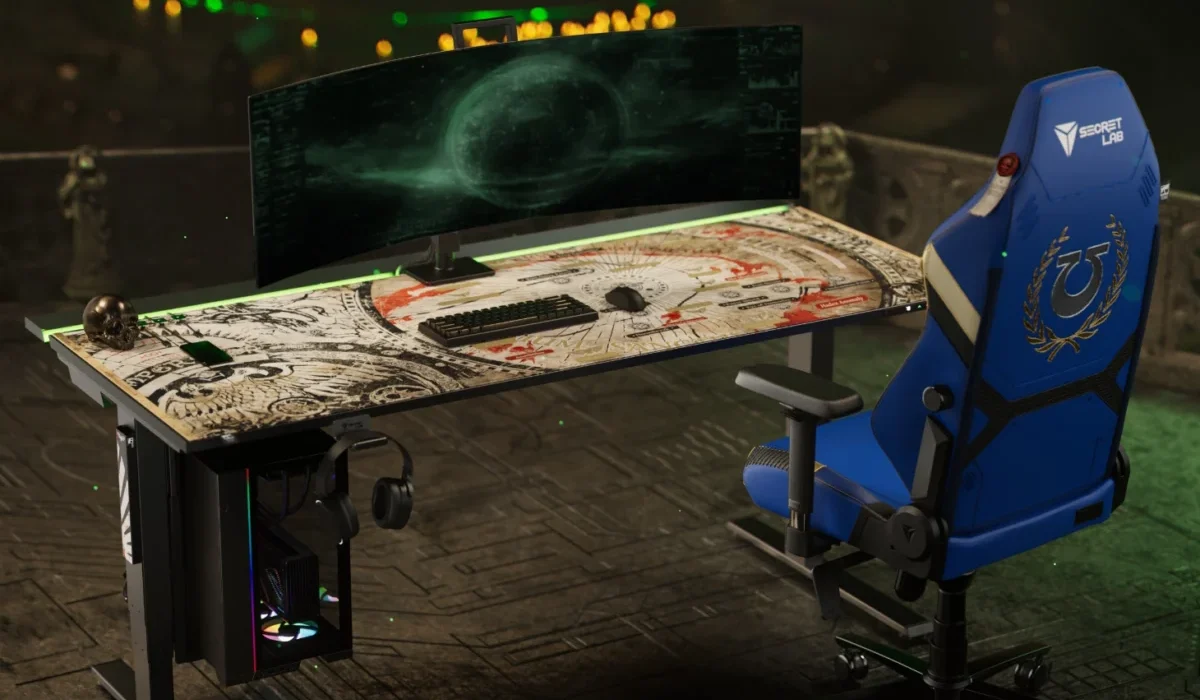
Long hours spent rendering 3D models, writing code, executing virtual strategy, or painting miniatures demand superior ergonomic support. Leading furniture manufacturers have stepped in to bridge the gap between high-end office ergonomics and Warhammer iconography. Officially licensed gaming chairs now feature heavy-duty steel frames, high-density cold-cure foam, and premium synthetic leather upholstery embossed with the iconic Aquila or chapter-specific heraldry. These chairs are engineered to support long-term posture health while serving as a bold visual centerpiece.
Complementing these chairs are specialized desk surfaces and oversized waterproof desk mats (mouse pads). These mats often feature sprawling, high-resolution artwork depicting legendary engagements, such as the Horus Heresy, hive city panoramas, or chaotic warp storms. Beyond their visual appeal, these desk mats provide a smooth, consistent surface optimized for both high-DPI gaming mice and the precise wrist movements required during delicate hobby painting sessions.
Peripherals, Customization, and Tactile Enhancements
For the enthusiast seeking granular customization, the market for mechanical keyboard accessories has exploded. Artisanal keycaps crafted from durable resin or CNC-machined metal allow users to replace standard escape keys or modifier keys with intricately detailed Space Marine helmets, Purity Seals, or the skull-and-cog insignia of the Adeptus Mechanicus. These tactile additions provide a satisfying connection to the lore every time a user executes a keystroke.
Furthermore, audio gear—including heavily branded gaming headsets and custom headphone stands styled after dreadnought chassis or gothic architecture—allows users to immerse themselves fully in the soundscapes of digital adaptations while maintaining a cohesive visual theme across their desk.
Lifestyle, Travel, and Collectibles
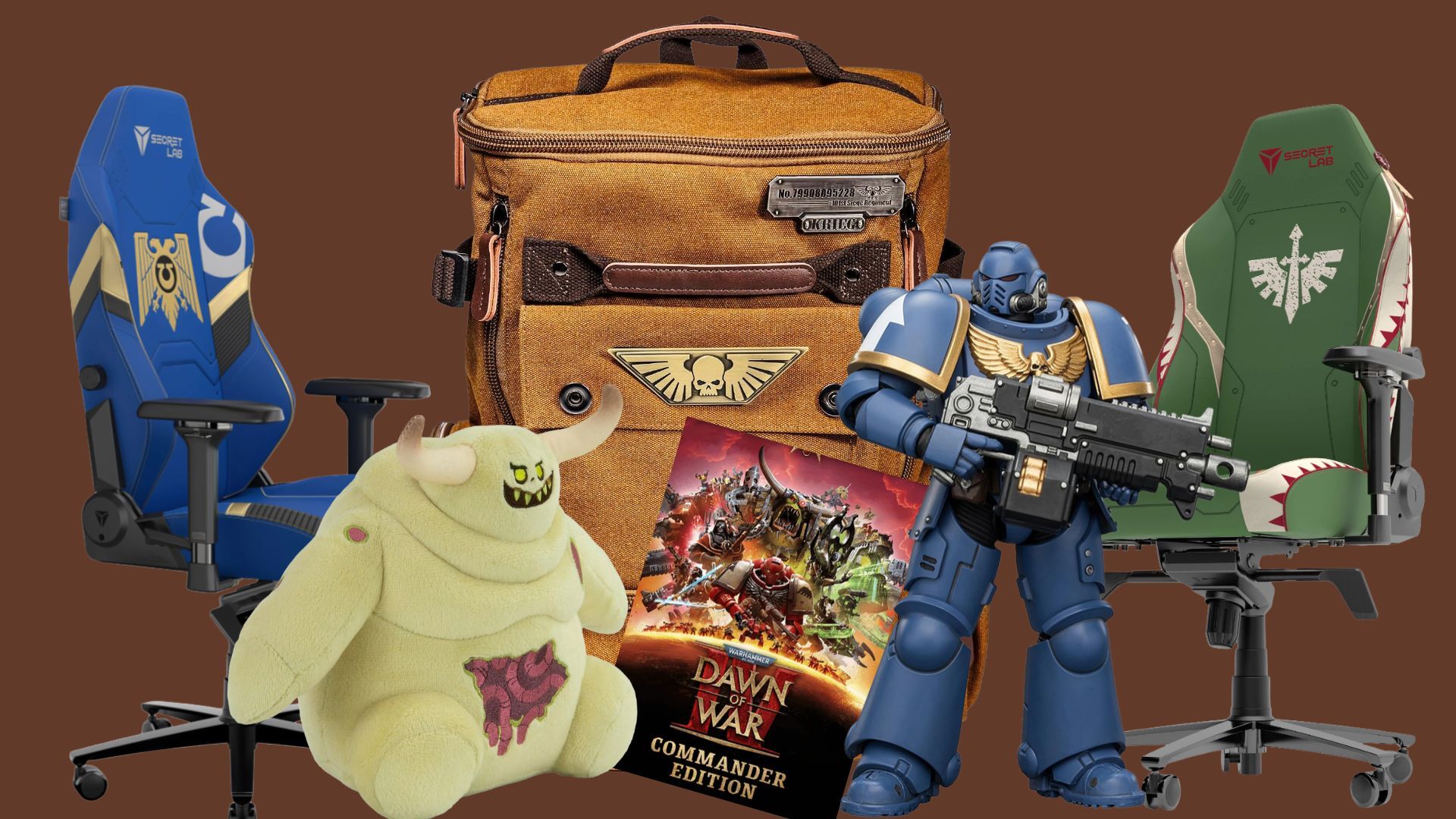
Beyond the stationary desktop setup, the demand for portable, durable gear has led to the creation of Warhammer-themed backpacks and messenger bags. Constructed from heavy-duty canvas, ballistic nylon, and featuring industrial-grade metal buckles reminiscent of power armor clasps, these bags are designed to safely transport laptops, tablets, and even miniature transport cases to local gaming clubs or competitive tournaments.
For collectors who prefer display pieces over utility, the market is saturated with officially licensed plushies—transforming terrifying Tyranids, Orks, and Chaos Daemons into surprisingly soft, huggable companions—alongside high-end statues, replica purity seals, and ambient LED desk lamps shaped like imperial hardware.
Economic Impact and the Price-to-Performance Ratio
Investing in a themed workspace or collection requires careful consideration of capital allocation. Market analysts note that officially licensed merchandise generally carries a premium compared to generic alternatives, largely due to the rigorous quality control, intricate tooling required for proprietary designs, and licensing fees paid to Games Workshop.
However, consumer feedback indicates that the value proposition—often referred to in the tech and hardware community as "bang for the buck"—remains exceptionally high when evaluating durability and materials. For instance, an officially licensed ergonomic chair featuring steel internal reinforcement and commercial-grade hydraulic pistons provides the same structural longevity as standard ergonomic office furniture, while offering the added psychological and aesthetic satisfaction of brand loyalty.
Budget-conscious enthusiasts can easily scale their investments. Those working with limited funds can start small with a branded mouse pad, a custom keycap, or a stylized coffee mug, gradually building out a fully coordinated setup over time. Conversely, dedicated collectors with flexible budgets can overhaul their entire office space with matching desks, lighting rigs, seating, and shelving dedicated to high-end statues.
Industry Reactions and the Future of Licensed Hardware
The aggressive expansion of Warhammer into mainstream hardware and lifestyle sectors has drawn positive reactions from both retail analysts and consumer advocacy groups within the tech community. Industry observers point out that partnerships between specialized hardware brands and intellectual property holders represent a maturing gaming market—one where consumers view their digital and physical environments as extensions of their personal identity.
Manufacturers have reported strong year-over-year sales figures for licensed lifestyle products, indicating that the appeal of the 41st millennium shows no signs of slowing down. As new video game releases, television adaptations, and tabletop expansions continue to draw millions of new players into the fold, the demand for sophisticated, high-quality merchandise is projected to grow exponentially.
Conclusion: Crafting the Ultimate Sanctuary of the Imperium
Whether outfitting a professional home office, upgrading a competitive gaming rig, or searching for the ideal present for a devoted hobbyist, the current ecosystem of Warhammer 40,000 merchandise offers something for every budget and aesthetic preference. By blending modern ergonomic engineering and durable material construction with the unmistakable gothic imagery of the Imperium, manufacturers have successfully bridged the gap between functional utility and fan expression. As the grim darkness of the far future continues to captivate global audiences, there has never been a better time to transform your personal workspace into a true bastion of humanity—or a terrifying monument to the Chaos Gods.