
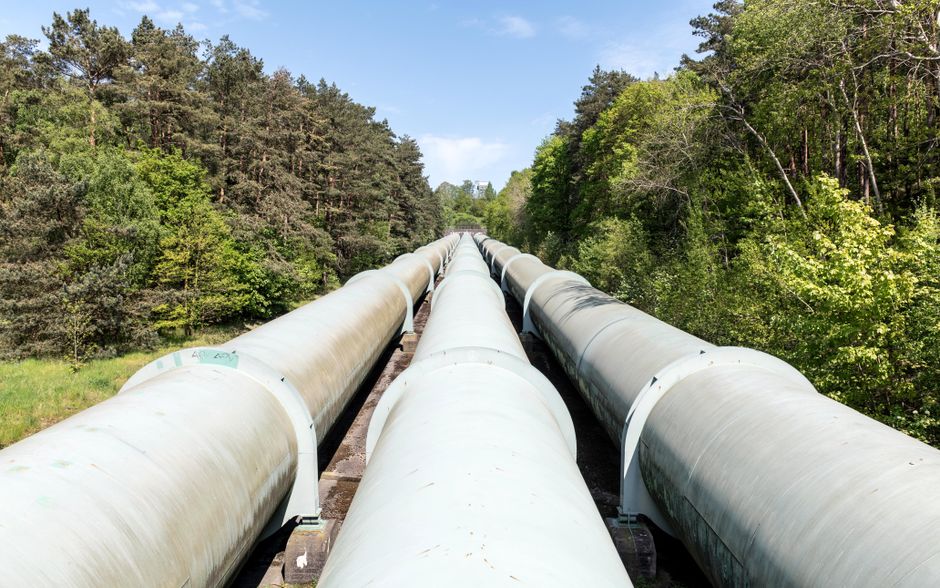
The Netherlands: A Pivotal Hub for Hydrogen Pipelines in the European Natural Gas Energy Transition
The Netherlands is rapidly establishing itself as a crucial nexus for the burgeoning European hydrogen economy, leveraging its extensive existing natural gas pipeline infrastructure and forward-thinking energy policies. This strategic positioning is not merely about repurposing current assets; it represents a significant step in the decarbonization of the energy sector, aiming to integrate a cleaner fuel source into the existing energy matrix. The nation’s deep-sea ports, particularly Rotterdam, coupled with its established gas transmission network, provide an unparalleled advantage for the import, production, and distribution of hydrogen, both domestically and to neighboring European countries. The envisioned integration of hydrogen into the natural gas grid, often referred to as "blending," is a key strategy, allowing for a phased transition that minimizes disruption to existing energy supply chains and industrial processes. This approach necessitates extensive research into the technical feasibility, safety implications, and economic viability of transporting hydrogen through pipelines historically designed for natural gas. The Dutch government, through initiatives like the National Hydrogen Program, is actively investing in pilot projects, regulatory frameworks, and infrastructure development to facilitate this ambitious transition. The country’s commitment to a green hydrogen future, primarily powered by offshore wind energy, positions its pipeline network as a vital artery for a low-carbon Europe.
The strategic importance of the Netherlands’ existing natural gas pipeline infrastructure for hydrogen transportation cannot be overstated. Decades of investment in a dense and robust network, connecting production sites, industrial consumers, and international borders, now presents a unique opportunity for the hydrogen transition. While natural gas pipelines are not inherently designed for pure hydrogen, significant research and development are focused on assessing their suitability for blended hydrogen-natural gas mixtures and, eventually, for pure hydrogen transport. Material compatibility is a primary concern. Hydrogen embrittlement, a phenomenon where certain metals become brittle when exposed to hydrogen, poses a significant risk to pipeline integrity. Extensive testing is underway to determine which existing steel grades are compatible with varying hydrogen concentrations and to identify necessary upgrades or alternative pipeline materials. The Dutch gas transmission system operator, Gasunie, is a leader in this research, conducting pilot projects and simulations to understand the long-term effects of hydrogen on its extensive network. These studies are critical for developing robust safety protocols and maintenance strategies for the hydrogen-enabled grid. Furthermore, the sheer scale of the existing infrastructure means that repurposing a portion of it for hydrogen offers a significantly more cost-effective and time-efficient solution compared to building entirely new hydrogen-specific pipelines from scratch. This pragmatic approach is crucial for accelerating the decarbonization timeline and achieving ambitious climate targets.
The concept of hydrogen blending, injecting hydrogen into the existing natural gas grid at specific percentages, is a cornerstone of the Netherlands’ immediate hydrogen strategy. This approach offers a pragmatic pathway to decarbonize heat and industrial processes without requiring immediate, wholesale replacement of existing appliances and infrastructure. By gradually increasing the hydrogen content in the gas supplied to homes and businesses, emissions can be reduced incrementally. The initial focus is on lower blending percentages, typically ranging from 5% to 15% by volume. These levels are generally considered manageable within the existing natural gas infrastructure and appliances, with minimal need for modifications. However, as hydrogen production scales up and the infrastructure is further assessed, higher blending ratios, and eventually pure hydrogen transport, are envisioned. The Netherlands is actively conducting pilot projects to gather real-world data on the performance of blended gas in various applications, including residential heating, industrial combustion, and even fuel cell technology. These pilot programs are essential for building confidence in the safety and reliability of blended hydrogen and for informing the development of appropriate regulatory standards. The economic implications of blending are also being carefully considered, aiming to ensure that the transition to a hydrogen-inclusive gas grid remains affordable for consumers and competitive for industries.
The Netherlands’ role as a major European energy hub, particularly through the Port of Rotterdam, is central to its hydrogen ambitions. Rotterdam’s strategic location, deep-sea access, and extensive industrial cluster make it an ideal gateway for importing green hydrogen produced elsewhere and for exporting hydrogen produced domestically. Offshore wind farms in the North Sea are expected to be a significant source of renewable electricity for electrolysis, allowing the Netherlands to produce its own green hydrogen. This domestically produced hydrogen can then be fed into the national pipeline network and distributed to industrial users and potentially for heating purposes. Furthermore, the port’s existing infrastructure for handling liquefied natural gas (LNG) and other bulk commodities is being adapted to accommodate the future import of hydrogen carriers, such as ammonia or liquid hydrogen. This dual approach of domestic production and strategic imports positions the Netherlands as a critical node in the European hydrogen supply chain. The development of hydrogen hubs and valleys within the Rotterdam area, bringing together producers, infrastructure providers, and end-users, is accelerating this integration. The existing gas pipelines emanating from Rotterdam provide a direct link to the industrial heartlands of the Netherlands and neighboring countries like Germany and Belgium, facilitating efficient distribution and supporting cross-border decarbonization efforts.
The technical challenges and safety considerations associated with transporting hydrogen through natural gas pipelines are substantial and require rigorous scientific and engineering solutions. Hydrogen’s smaller molecular size and its tendency to embrittle certain metals necessitate a thorough understanding of material science. Different grades of steel used in existing pipelines exhibit varying degrees of susceptibility to hydrogen embrittlement. Consequently, Gasunie and other stakeholders are conducting extensive testing to determine the maximum allowable hydrogen concentration for specific pipeline segments based on their material composition and age. Beyond material integrity, other technical hurdles include the potential for increased leakage rates due to hydrogen’s smaller molecular size, which could impact efficiency and safety. Advanced leak detection technologies, specifically designed for hydrogen, are being developed and deployed. The impact of hydrogen on existing compressor stations, which are vital for maintaining gas flow, is another area of active research. Modifications or replacements of compressor components may be necessary to handle hydrogen’s different physical properties. Furthermore, the potential for changes in the Wobbe index, a measure of the interchangeability of different gases in combustion applications, needs to be managed when blending hydrogen with natural gas. This ensures that appliances designed for natural gas can safely and efficiently operate with a blended gas. The Netherlands’ proactive approach to addressing these technical challenges through pilot projects and collaborative research is crucial for de-risking the transition and building public trust.
Regulatory frameworks are evolving rapidly to accommodate the integration of hydrogen into the energy system, and the Netherlands is at the forefront of this development. Existing regulations governing natural gas transmission and distribution are being adapted, and new legislation specifically for hydrogen is being drafted. This includes standards for hydrogen production, transportation, storage, and end-use. The Dutch Ministry of Economic Affairs and Climate Policy, along with regulatory bodies like the Netherlands Authority for Consumers and Markets (ACM), are actively involved in creating a stable and predictable regulatory environment to encourage investment in hydrogen infrastructure. Key areas of focus include safety standards for hydrogen pipelines, certification schemes for hydrogen producers, and market rules for hydrogen trading. The goal is to ensure a level playing field for hydrogen and to foster competition while prioritizing safety and environmental integrity. The Netherlands’ commitment to harmonizing its regulations with those of other European Union member states is also crucial for facilitating cross-border hydrogen trade and for building a cohesive European hydrogen market. This collaborative approach to regulation is essential for unlocking the full potential of hydrogen as a decarbonization solution.
The economic implications and market development for hydrogen transportation in the Netherlands are intrinsically linked to the repurposing of its natural gas pipeline network. The cost-effectiveness of using existing infrastructure is a significant driver. Building a new, dedicated hydrogen pipeline network across the country and into Europe would involve astronomical capital expenditure and lengthy construction times. By contrast, repurposing a substantial portion of the natural gas grid offers a considerably more attractive economic proposition, especially in the short to medium term. However, the transition is not without its costs. Investments will be required for pipeline assessment, potential upgrades, new compressor stations, and advanced monitoring systems. The development of a robust hydrogen market is also critical. This involves creating mechanisms for hydrogen trading, establishing pricing structures, and ensuring a stable supply to meet demand from industrial users, the power sector, and potentially the residential heating market. The Dutch government is supporting market development through subsidies, tax incentives, and by facilitating public-private partnerships. The aim is to create a commercially viable hydrogen economy that can compete with, and eventually replace, fossil fuels. The long-term economic benefits include job creation, technological innovation, and enhanced energy security, reducing reliance on imported fossil fuels.
The future outlook for hydrogen pipelines in the Netherlands is exceptionally promising, driven by a clear vision for a decarbonized energy future. The nation’s strategic investments in research, infrastructure, and regulatory frameworks are positioning it as a leader in the European hydrogen transition. The phased integration of hydrogen into the existing natural gas network, starting with blending and progressing towards pure hydrogen transport, offers a pragmatic and cost-effective pathway to achieve significant emissions reductions. The role of the Port of Rotterdam as a key import and export hub, combined with domestic green hydrogen production fueled by offshore wind, will solidify the Netherlands’ position as a vital node in the European hydrogen supply chain. As technical challenges are overcome and regulatory certainty increases, further expansion of the hydrogen pipeline network, both domestically and internationally, is inevitable. This will not only support the decarbonization of the energy sector but also foster economic growth and enhance energy security for the Netherlands and its European partners. The ongoing commitment to innovation and collaboration will be crucial in realizing the full potential of hydrogen as a clean energy carrier for the 21st century.
