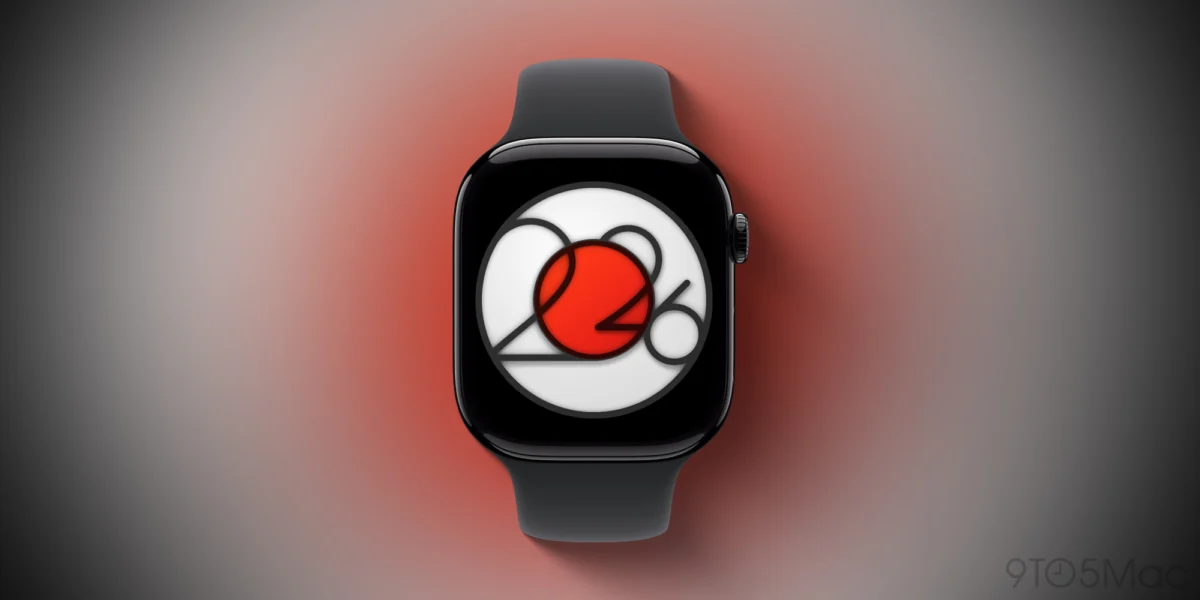
Apple has officially unveiled its latest regional Apple Watch Activity Challenge, a targeted health initiative designed exclusively for its user base in Japan. Scheduled for October 10, the challenge encourages participants to engage in sustained physical activity to earn a digital badge and a collection of localized commemorative stickers. This event marks another step in Apple’s ongoing efforts to deepen its integration within the Japanese market, where the Apple Watch has become a primary driver for the company’s wearable technology segment.
The core requirement for the challenge is straightforward: participants must complete any workout of at least 30 minutes in duration using a workout app that syncs data with the native Apple Fitness platform. Upon completion, users will unlock a virtual achievement trophy within their Fitness app, accompanied by a set of exclusive stickers that can be integrated into iMessage and FaceTime communications.
Contextualizing the Japan-Specific Strategy
Apple’s decision to launch a region-specific fitness challenge is indicative of a broader corporate strategy focused on localized user engagement. In Japan, health-conscious trends and high penetration rates of mobile technology make the region a fertile ground for fitness-based software incentives. By leveraging the Apple Watch—a device that monitors heart rate, movement, and oxygen levels—Apple is effectively promoting its ecosystem as an essential tool for personal wellness rather than just a luxury consumer electronic device.
This is not the first time the company has tailored its fitness challenges to specific geographies. Historically, Apple has utilized these events to align with regional holidays or cultural milestones, such as Earth Day, International Women’s Day, or specific national health observances. By creating a localized event for Japan, Apple reinforces the importance of the Japanese market, which has long been one of the company’s most loyal and highest-revenue-generating territories outside of the United States.
Chronology of Apple’s Fitness Initiatives
To understand the trajectory of this current challenge, it is necessary to examine the evolution of Apple’s fitness software. The Apple Watch launched in 2015, primarily as a notification device and productivity tool. However, it quickly pivoted toward health and wellness as the primary value proposition.
- 2015: Introduction of the Apple Watch, focusing on "closing the rings" (Move, Exercise, Stand).
- 2018: Apple begins rolling out sporadic, theme-based Activity Challenges, such as the New Year’s challenge.
- 2020: The global pandemic accelerates the demand for home-based fitness solutions, leading to the rapid development of digital coaching tools.
- 2024: Apple Fitness+ expands its reach, incorporating localized content for key international markets, including Japan.
- October 2026: The announcement of the Japan-specific October 10 challenge signifies the maturity of the company’s regional marketing efforts.
The Role of Apple Fitness+ in Market Penetration
The October 10 challenge is fully compatible with Apple Fitness+, the subscription-based workout service that provides a library of trainer-led content. Fitness+ launched in Japan earlier this year, marking a significant milestone in Apple’s services division. The service offers a variety of modalities, including High-Intensity Interval Training (HIIT), Yoga, Pilates, Strength training, and Mindful Cooldowns.
The availability of this service in Japan is critical to the success of the current challenge. Because the challenge allows for any workout logged through Apple’s health ecosystem, users are not restricted to Fitness+; however, the presence of the service provides a structured path for users to meet the 30-minute threshold. The integration of Fitness+ into the Japanese market has been characterized by localized audio cues and professional instruction, which is essential for user retention in a market that places high value on quality and pedagogical structure in fitness programming.
Supporting Data and User Behavior
Industry data suggests that gamification—the application of game-design elements in non-game contexts—is a highly effective strategy for increasing physical activity. According to internal metrics often cited by Apple executives during keynote addresses, users who participate in Activity Challenges are statistically more likely to maintain their exercise streaks throughout the month.
In the context of the Japanese market, where there is a high density of urban commuters and a culture of daily walking, the 30-minute workout requirement is highly accessible. By setting a low barrier to entry, Apple ensures a high participation rate, which in turn drives higher engagement with the Apple Watch hardware and the iPhone’s Health app. This data-driven approach to wellness not only benefits the user but also provides Apple with valuable telemetry on regional health trends, which helps the company refine its future health sensors and software updates.

Official Stance and Community Reaction
Apple’s official communication regarding the challenge emphasizes community cohesion: "Thousands of participants, all on the same team." This messaging is designed to foster a sense of collective achievement, a cultural touchstone that resonates well in Japan. By shifting the focus from individual competition to collective participation, Apple encourages users to share their progress on social media platforms, effectively creating a word-of-mouth marketing cycle that costs the company little in terms of traditional advertising.
While Apple does not disclose specific user numbers for regional challenges, the sentiment across community forums and social media suggests that these events act as a "nudge" for casual users. For the power-user, the badge is a completionist goal; for the sedentary user, the challenge serves as an external motivator to incorporate a brief walk or home workout into their daily schedule.
Broader Impact and Implications
The implications of this challenge extend beyond simple software engagement. As Apple continues to face increased competition in the wearable market from brands like Garmin, Samsung, and specialized fitness trackers, the "moat" created by the Apple ecosystem becomes its greatest advantage. By tying hardware usage to exclusive software rewards, Apple effectively locks users into its ecosystem.
Furthermore, the focus on Japan as a testing ground for localized fitness initiatives suggests that Apple may be preparing to roll out more sophisticated, market-specific health features in the near future. If the engagement metrics for this challenge are favorable, it is likely that Apple will increase the frequency of such events, potentially tying them to local cultural festivals or seasonal changes that are specific to the Japanese calendar.
From an analytical perspective, this challenge represents the intersection of technology, behavioral psychology, and global business strategy. Apple is not merely selling a timepiece; it is selling a lifestyle interface. By consistently updating the software with small, manageable goals like the October 10 challenge, the company ensures that its products remain relevant in the daily lives of its customers.

Looking Ahead
As the October 10 date approaches, the Apple ecosystem will likely see a spike in user activity. For those in Japan, the challenge serves as a reminder of the capabilities of their hardware, while for the rest of the world, it serves as a case study in how Apple manages international market engagement.
Moving forward, the success of this initiative will be measured not just by the number of digital badges earned, but by the sustained engagement of the Japanese user base with the Fitness+ service. If Apple can successfully convert challenge participants into long-term subscribers, it will have solidified its position as the premier health and wellness technology provider in the region.
Ultimately, the Japan-exclusive Activity Challenge is a microcosm of Apple’s broader philosophy: provide a unified, intuitive experience that encourages healthy habits, rewards consistency, and fosters a sense of belonging within the Apple community. Whether this leads to a broader shift in how the company approaches regional health initiatives remains to be seen, but for now, the October 10 challenge stands as a clear signal of Apple’s continued commitment to the Japanese market.