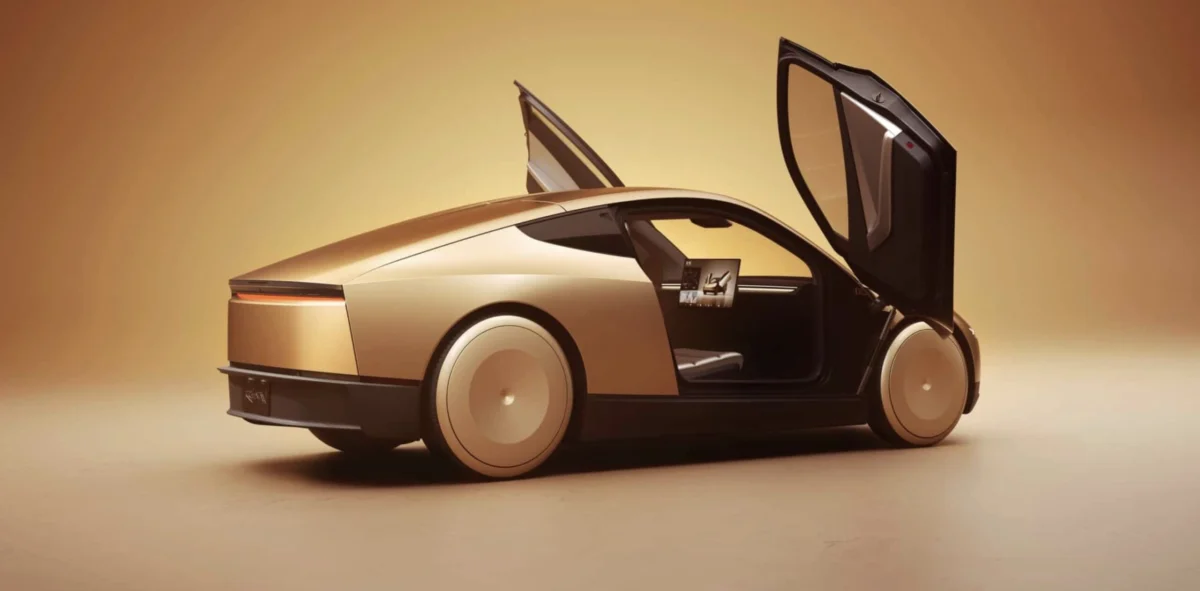
The National Highway Traffic Safety Administration (NHTSA) has escalated its regulatory scrutiny of Tesla, issuing a formal and legally binding Special Order that requires the automaker to justify the commercial deployment and sale of its Cybercab. Signed by NHTSA Chief Counsel Peter Simshauser and addressed directly to Tesla’s top legal and regulatory executives, the September 10 directive demands that the company prove under oath how a vehicle devoid of standard human controls—such as a steering wheel, foot pedals, and mirrors—complies with established federal safety standards.
The mandate sets a strict deadline of September 30 for Tesla to submit a comprehensive response. Failure to answer fully and truthfully carries severe legal consequences, including civil penalties of up to $139 million. Furthermore, because responses to a Special Order must be executed under oath by a responsible corporate officer, providing false or misleading information exposes company leadership to potential criminal charges, massive fines, and imprisonment of up to 15 years.
This aggressive regulatory maneuver represents a significant escalation from a preliminary administrative inquiry launched earlier in the month. It highlights a fundamental philosophical and legal clash between modern autonomous vehicle developers and legacy federal safety frameworks that have governed the American automotive industry for decades.
Chronology of Regulatory Escalation
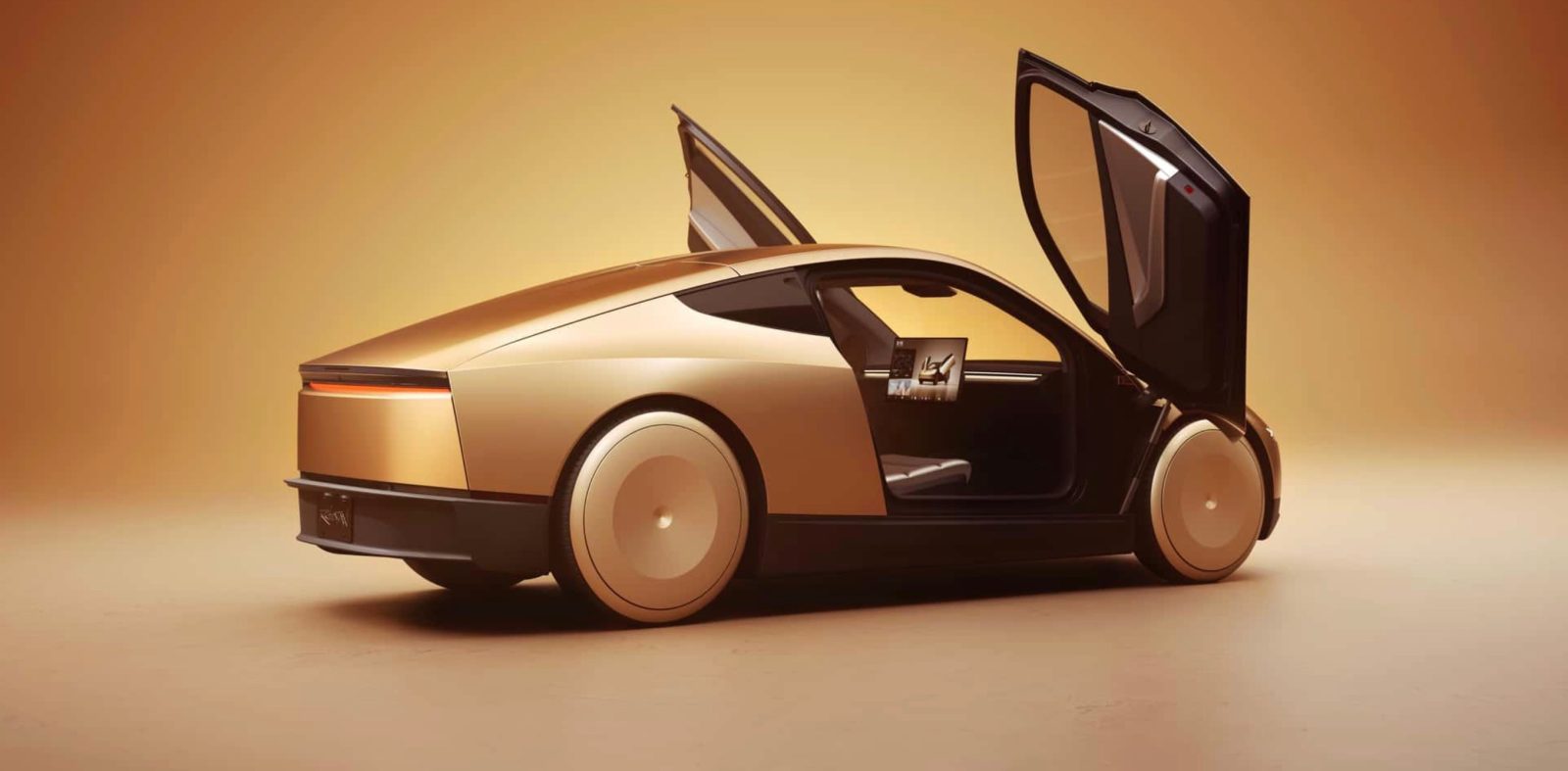
The friction between NHTSA and Tesla regarding the Cybercab follows a compressed timeline of commercial deployment and immediate regulatory pushback:
- February: Tesla rolls the first production units of the steering-wheel-less Cybercab off its assembly lines, showcasing hardware designed exclusively for autonomous operation without resolving overarching regulatory compliance pathways.
- July: NHTSA grants Amazon-backed competitor Zoox a temporary Part 555 exemption, allowing the company to operate a limited fleet of custom-built, control-free robotaxis under strict numerical caps and specific geographic conditions.
- September 3: Tesla officially launches commercial Cybercab service in Austin, Texas, initiating public-facing autonomous rides.
- September 4: Just hours after commercial service commences, NHTSA opens Audit Query 26002, signaling initial supervisory concerns over Federal Motor Vehicle Safety Standards (FMVSS) certification.
- September 10: NHTSA shifts from a preliminary audit to a formal Special Order containing 21 detailed investigative demands, giving Tesla until September 30 to legally justify its self-certification.
The Core Problem: Self-Certification and Federal Standards
The United States automotive market operates on a system of manufacturer self-certification. Rather than submitting vehicle designs to a federal agency for pre-approval, automakers independently evaluate their products, certify that they comply with all applicable Federal Motor Vehicle Safety Standards, and bear the legal liability for that declaration. NHTSA subsequently monitors compliance through post-market audits and investigations.
When Tesla certified the Cybercab, it affirmed compliance with all applicable FMVSS regulations. However, the vast majority of these safety standards were written decades ago with the explicit assumption that a human operator would always be present inside the vehicle to steer, brake, monitor instrumentation, and manage signals.
In its Special Order, NHTSA highlights the statutory language governing this process, noting that a manufacturer is legally barred from issuing a safety certification if, in exercising reasonable care, it has reason to know the certificate is false or misleading in a material respect. The regulatory body suspects that Tesla’s blanket certification of a driverless vehicle cannot be legally sustained under current law.

Specific Technical Violations Under Scrutiny
NHTSA’s 21 requests probe deeply into how Tesla bypassed traditional safety rules without seeking formal regulatory exemptions. The inquiries focus on several key FMVSS provisions:
- FMVSS No. 135 (Service Brakes): This standard dictates that service brakes must be activated by means of a foot control. Because the Cybercab features no foot pedals, NHTSA demands an explanation of how Tesla certified compliance. While NHTSA floated a proposed rule amendment in June to adapt braking standards for automated vehicles, agency officials emphasize that proposals do not carry the force of law until officially finalized.
- The "Make Inoperative" Prohibition: Investigators are probing whether Tesla utilized temporarily attached manual controls during the testing or certification phases to satisfy regulatory criteria, only to remove them before final delivery. Federal law prohibits manufacturers from equipping a vehicle with required safety apparatus during certification and subsequently rendering that equipment inoperative.
- Controls, Displays, and Mirrors: Additional queries target FMVSS 101 (controls and telltales), FMVSS 102 (shift-position display), FMVSS 108 (turn signals dependent on steering wheel rotation), FMVSS 111 (rearview mirror visibility), and FMVSS 126 (electronic stability control indicators). Each of these standards assumes the physical presence and interaction of a human driver.
The Exemption Discrepancy: Tesla Versus Zoox
A central point of contention in NHTSA’s investigation is the availability of formal regulatory pathways for vehicles that lack conventional controls. In 2022, NHTSA explicitly stated that substantial modifications to FMVSS rules would be necessary before autonomous vehicles lacking human controls could be lawfully manufactured for general sale, unless the manufacturer obtained a formal exemption under Part 555 of federal regulations.
Competitors have successfully navigated this established route. In July, Amazon’s Zoox secured a temporary Part 555 exemption from NHTSA, shielding eight specific federal standards—including foot-brake and mirror mandates—from immediate enforcement. This exemption enables Zoox to commercialize its custom autonomous pods, albeit under strict operational limitations, including a cap of 2,500 vehicles annually and an expiration date set for 2028. Zoox formally petitioned the agency, presented extensive safety data, and secured authorization prior to launching public operations.

Tesla, by contrast, bypassed the exemption process entirely. By self-certifying the Cybercab and immediately initiating commercial passenger service in Austin, the company elected to market a radically unconventional vehicle without prior administrative clearance or numerical volume caps.
Broader Industry Implications and Future Outlook
The outcome of NHTSA’s Special Order will likely establish a critical legal precedent for the commercialization of autonomous vehicles in the United States. While NHTSA has consistently signaled a willingness to modernize federal safety standards to accommodate autonomous technology—evidenced by its recent proposals to adjust braking rules and streamline oversight—the agency maintains that existing laws remain fully enforceable until formally amended.
For Tesla, the immediate operational impact remains localized. Until the legal status of the Cybercab is clarified, deployment is constrained within small, geofenced urban areas operating at reduced speeds while bypassing complex infrastructure elements like railroad crossings.
As the September 30 deadline approaches, industry observers and legal analysts will be closely monitoring Tesla’s response. The case underscores the widening gap between rapid technological innovation in artificial intelligence and transportation, and the deliberate, methodical pace of federal regulatory governance.