The electric vehicle landscape in the United States continues to undergo a rapid transformation, characterized by aggressive pricing maneuvers and structural shifts in consumer incentives. As automakers navigate the post-federal tax credit era following the expiration of the direct $7,500 EV tax credit mechanism, market leaders are forced to adapt. Among them, South Korean automaker Hyundai has managed to secure a dominant foothold through strategic discounting. The Hyundai IONIQ 5, recognized as one of the most popular battery-electric vehicles in the domestic market, has entered the month of September with a compelling suite of financial incentives, including zero-percent financing and deeply discounted lease structures designed to fend off intensifying competition from Tesla, Toyota, and corporate sibling Kia.
Market Position and Chronology of Pricing Adjustments
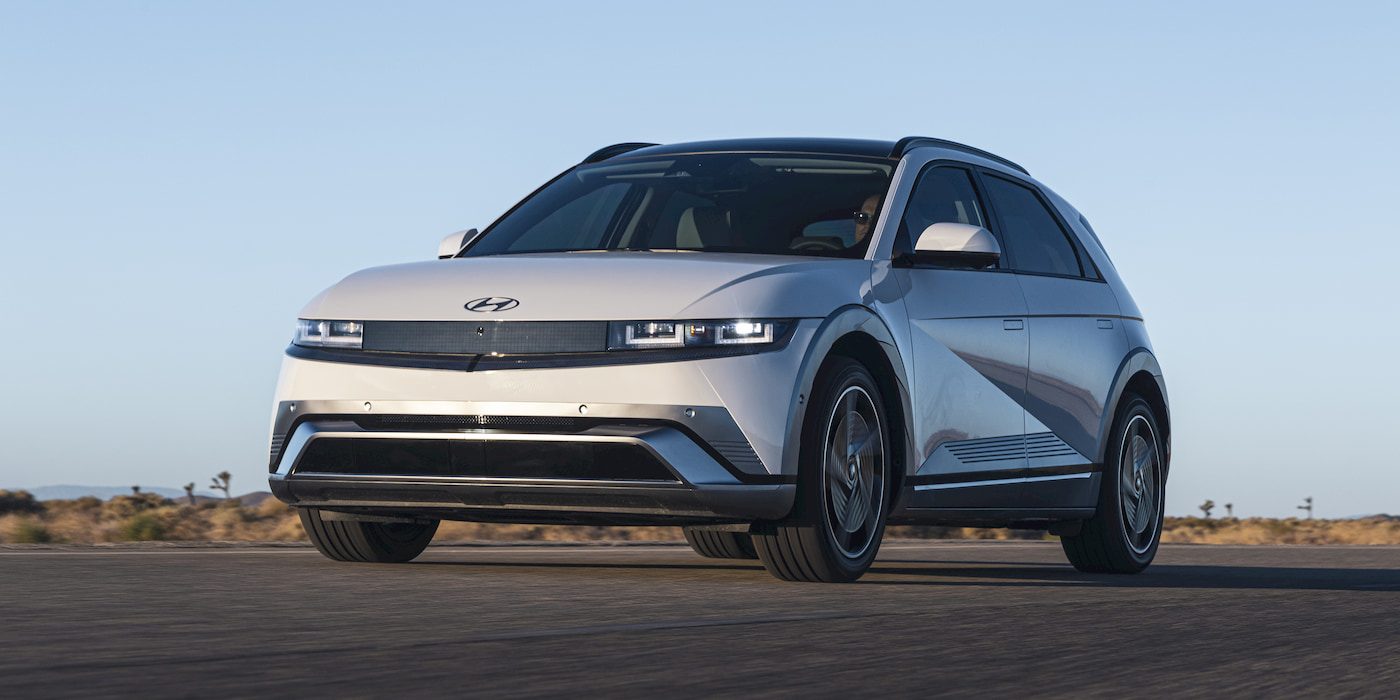
The trajectory of the Hyundai IONIQ 5 over the past twelve months highlights the volatility and competitive pressures defining the contemporary EV sector. During the first half of 2026, the IONIQ 5 cemented its status as the best-selling fully electric vehicle in the United States outside of Tesla’s established product lineup. This sustained consumer demand was achieved largely through aggressive value propositions initiated after a pivotal regulatory shift in late autumn.
In September of the previous year, the standard $7,500 federal EV tax credit framework underwent significant legislative changes, prompting widespread concern regarding vehicle affordability. Responding swiftly to potential market contraction, Hyundai restructured its retail strategy in October, implementing sweeping price cuts across the 2026 IONIQ 5 lineup. Certain trims experienced reductions of nearly $10,000, effectively lowering the entry-level barrier of the vehicle to a starting MSRP of $35,000 (excluding a $1,600 destination fee). This adjustment successfully positioned the electric crossover alongside traditional budget-friendly alternatives such as the Chevrolet Bolt EV, the Nissan LEAF, the Toyota bZ, and the emerging Kia EV3.
September 2026 Promotional Offers and Lease Structures
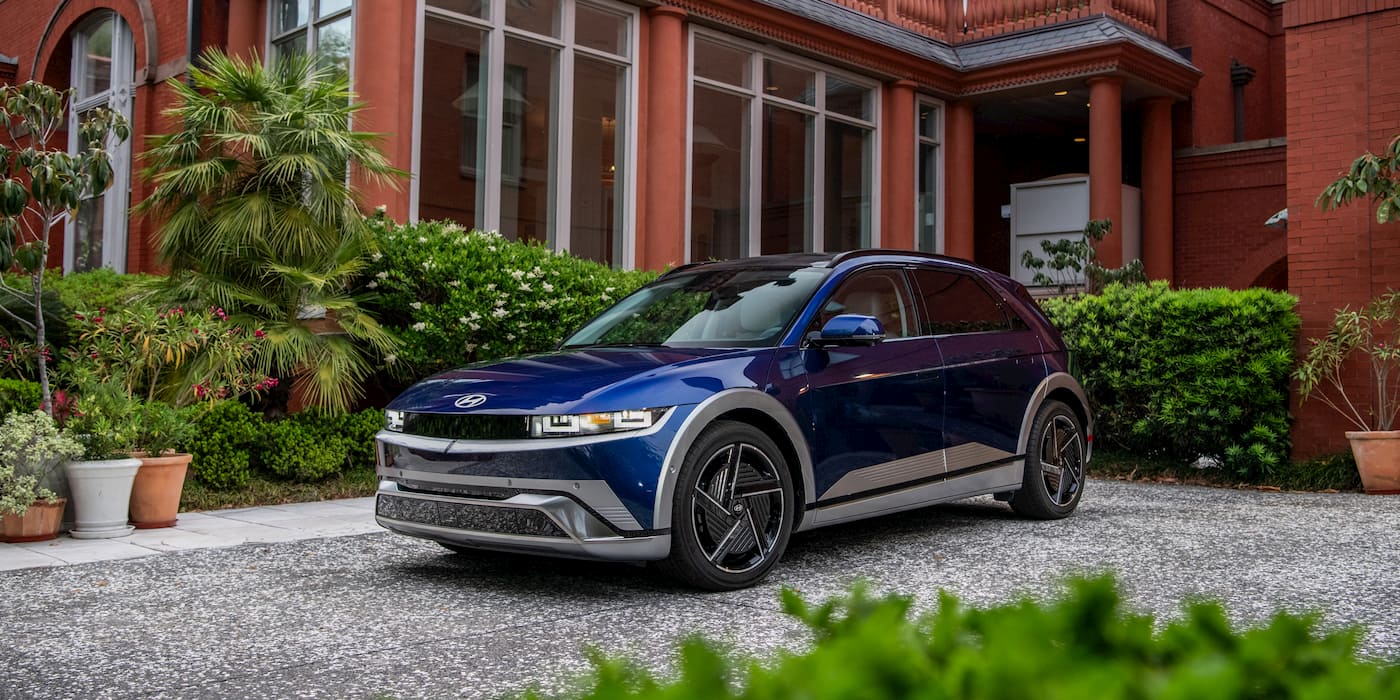
For prospective buyers evaluating the market this September, Hyundai has maintained a robust incentive package that arguably outpaces traditional industry standards. Retail customers seeking outright purchases can take advantage of 0% APR financing for up to 60 to 72 months, coupled with a deferred payment structure allowing zero payments for the first 90 days. Alternatively, buyers who prefer cash-equivalent incentives can opt for direct retail discounts reaching up to $3,000 to $5,000 depending on regional promotions.
Lease consumers face varied regional adjustments this month. In California, where EV adoption rates remain the highest nationwide, promotional leases for the base model begin at $329 per month over a 24-month term, requiring $4,999 due at signing. Buyers in the Golden State may also qualify for an additional $3,500 incentive through regional programs such as MyFirstEV, further reducing the total cost of ownership.
Outside of California, Hyundai has structured promotional leases starting at $319 per month for a 24-month duration with $4,999 due at signing. Although this reflects a modest $10 monthly increase compared to August pricing metrics, industry analysts note that the overall package remains exceptionally competitive. Furthermore, automotive experts suggest that consumers evaluating the entry-level $319 lease would benefit from upgrading to the IONIQ 5 SE RWD trim. Priced at just $10 more per month ($329), the standard range variant’s driving limitations—rated at an EPA-estimated 245 miles—are substantially mitigated by the SE RWD model’s extended range of 318 miles per charge.
Detailed Trim Breakdown and Range Specifications
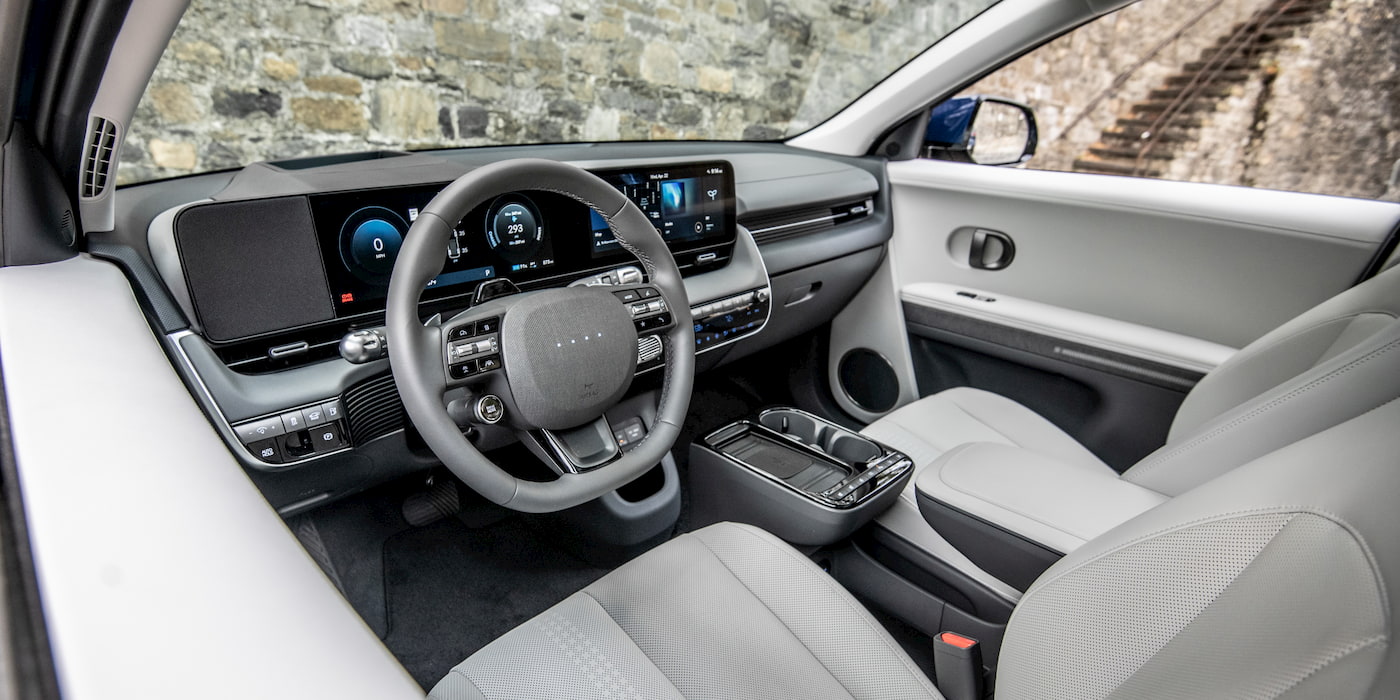
Understanding the full scope of Hyundai’s lineup requires a granular examination of pricing, battery capacity, and driving range across the various available configurations for the 2026 model year.
The entry-level IONIQ 5 SE RWD Standard Range starts at an MSRP of $35,000, delivers 245 miles of range, and commands a September lease price of $319. Moving up to the IONIQ 5 SE RWD increases the range to 318 miles, with a starting price of $37,500 and a monthly lease rate of $329. The mid-tier SEL RWD maintains the 318-mile range, retailing at $39,800 with a lease payment of $369. At the top of the rear-wheel-drive hierarchy, the Limited RWD offers the same 318-mile range, a base price of $45,075, and a monthly lease commitment of $459.
For consumers requiring all-weather traction, the dual-motor all-wheel-drive (AWD) variants introduce performance modifications alongside adjustments to driving range. The SE Dual Motor AWD delivers 290 miles of range, starts at $41,000, and leases for $379 per month. The SEL Dual Motor AWD retains the 290-mile range, priced at $43,300 with a lease cost of $419. For adventure-oriented drivers, the rugged IONIQ 5 XRT Dual Motor AWD provides 259 miles of range, a starting price of $46,275, and a lease rate of $459. Finally, the flagship Limited Dual Motor AWD provides 269 miles of range, retailing at $48,975 with a September lease price of $509. All stated prices exclude the standard $1,600 destination and handling fee.
Competitive Landscape: Toyota, Tesla, and Kia
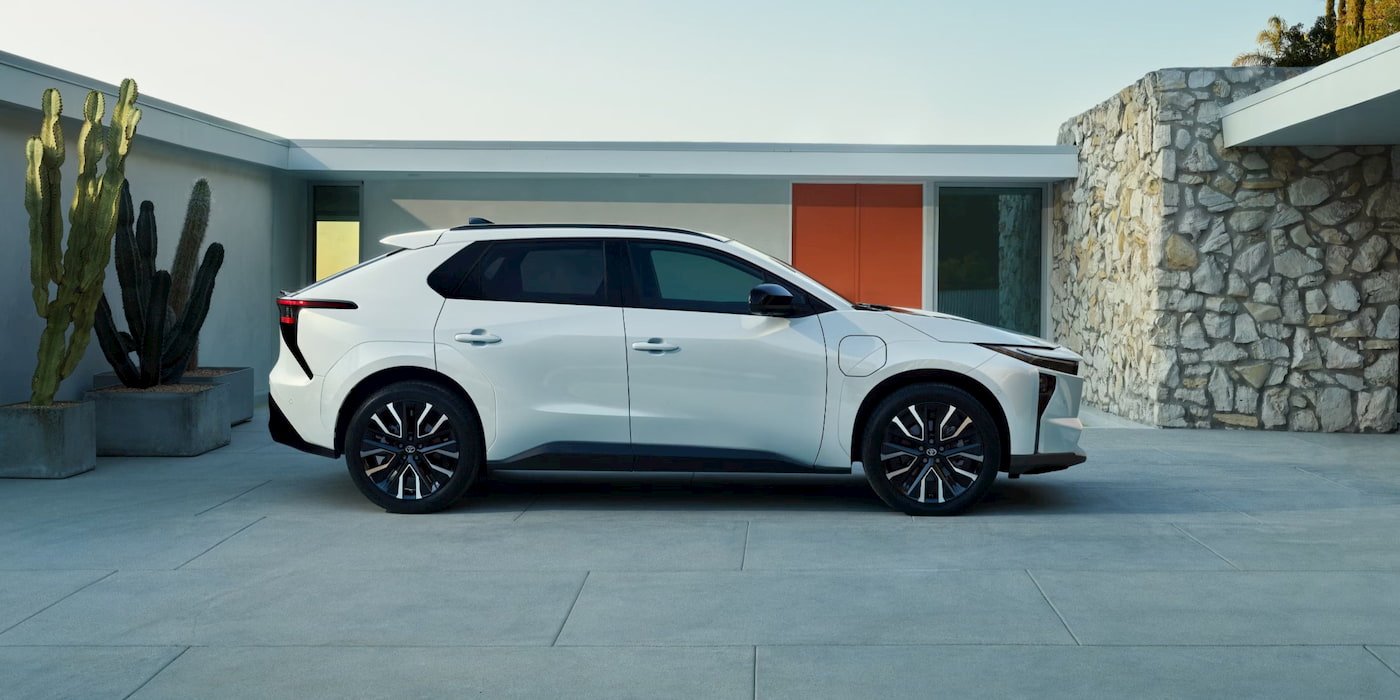
To contextualize Hyundai’s market strategy, industry observers routinely evaluate the IONIQ 5 against its primary segment rivals. Toyota’s updated electric SUV offering, the bZ, secured the position of the fourth best-selling electric vehicle in the United States during the first half of the year, trailing directly behind the IONIQ 5.
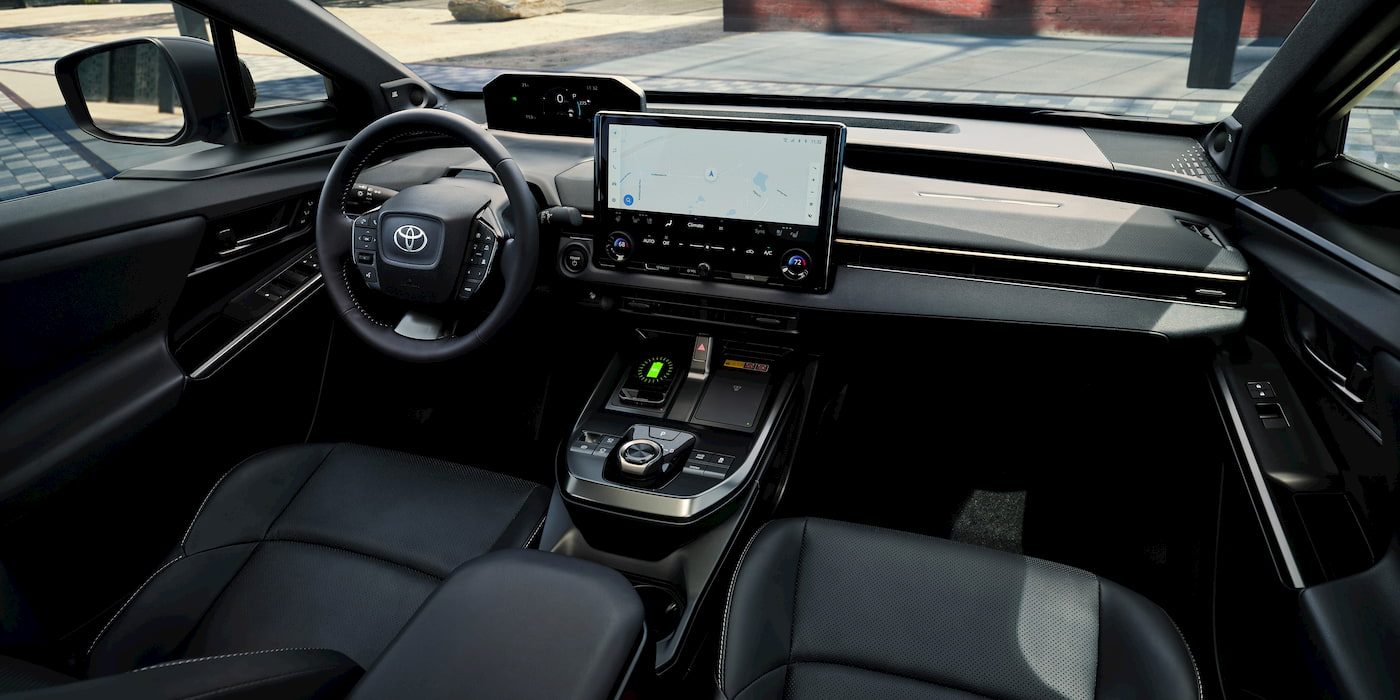
The 2026 Toyota bZ starts at $34,900, matching the baseline affordability of the Hyundai. Toyota currently supports this model with a promotional finance rate of 1.49% APR for up to 72 months. Lease offers for the bZ XLE are structured at $449 per month for 36 months, with $3,970 due at signing. Consumers desiring greater efficiency can upgrade to the XLE Plus, which yields up to 314 miles of range compared to the standard model’s 236 miles, raising lease costs to $459 per month with $3,999 due at signing. Factoring in total lease outlays, the Toyota bZ carries an effective monthly cost of approximately $559, making it notably more expensive than the IONIQ 5, which operates at an effective rate of roughly $527 per month under equivalent terms.
When compared against market heavyweights like the Tesla Model Y, the value proposition of the Hyundai offering becomes even more pronounced. The base Tesla Model Y RWD, which boasts an EPA-estimated range of 321 miles, is currently promoted with lease entry points of $499 per month for a 36-month term, requiring $4,195 due at signing. This structure results in a significantly higher effective monthly cost of $615, positioning Hyundai as the more economical alternative for budget-conscious families.
In a similar vein, corporate cousin Kia presents an intriguing internal challenge with the rollout of the 2027 Kia EV3. The entry-level EV3 Light starts at $29,890 with a 221-mile range, while the long-range EV3 Wind starts at $34,990 and provides up to 321 miles of range. Promotional leasing for the EV3 Wind FWD is established at $349 per month for 36 months with $3,999 due at signing, yielding an effective monthly rate of $460. While the Kia EV3 undercuts the IONIQ 5 in pure monthly expenditure, industry analysts emphasize that the IONIQ 5 benefits from a larger overall footprint, faster ultra-fast charging architecture via its E-GMP platform, and substantially greater interior passenger and cargo volume.

Broader Industry Implications and Future Outlook
The aggressive discounting and zero-percent financing initiatives deployed by Hyundai throughout September reflect a broader economic reality within the automotive sector. As legacy manufacturers and dedicated EV brands alike vie for market share in an increasingly saturated environment, consumer financing terms have become the primary battleground.
The withdrawal of direct federal tax credits on the retail purchase price of imported electric vehicles initially threatened to stall consumer adoption rates. However, automakers have successfully leveraged corporate leasing loopholes—specifically the commercial clean vehicle credit, which bypasses final assembly and battery sourcing restrictions—to pass substantial savings directly to lessees. This mechanism has allowed companies like Hyundai to maintain high delivery volumes and suppress effective monthly payments despite inflationary pressures and rising interest rates.

As the fourth quarter approaches, market analysts expect promotional intensity to remain high. With traditional competitors introducing refreshed product lines and new entries populating the sub-$35,000 EV segment, consumer demand will likely continue to favor brands that pair aggressive financial incentives with robust driving range and fast-charging capabilities. For prospective buyers currently assessing the market, September presents an optimal window to capitalize on some of the most favorable financing and leasing terms observed since the restructuring of federal EV incentives.