As of September 30, 2026, the outdoor industry has reached a critical juncture in performance hardware, with a shift toward ultralight materials and multi-functional design. Following a rigorous six-month testing cycle that spanned diverse topographies—ranging from the high-altitude terrain of New Mexico and the rugged granite of Maine to the urban cycling corridors of Copenhagen—our editorial team has identified seven standout products. These selections were vetted by six contributors across thousands of miles of cumulative travel, focusing on durability, weight-to-performance ratios, and ergonomic utility. This analysis provides an overview of the gear that has successfully transitioned from prototype testing to becoming essential components of our permanent field kits.
The Evolution of Trail and Technical Footwear
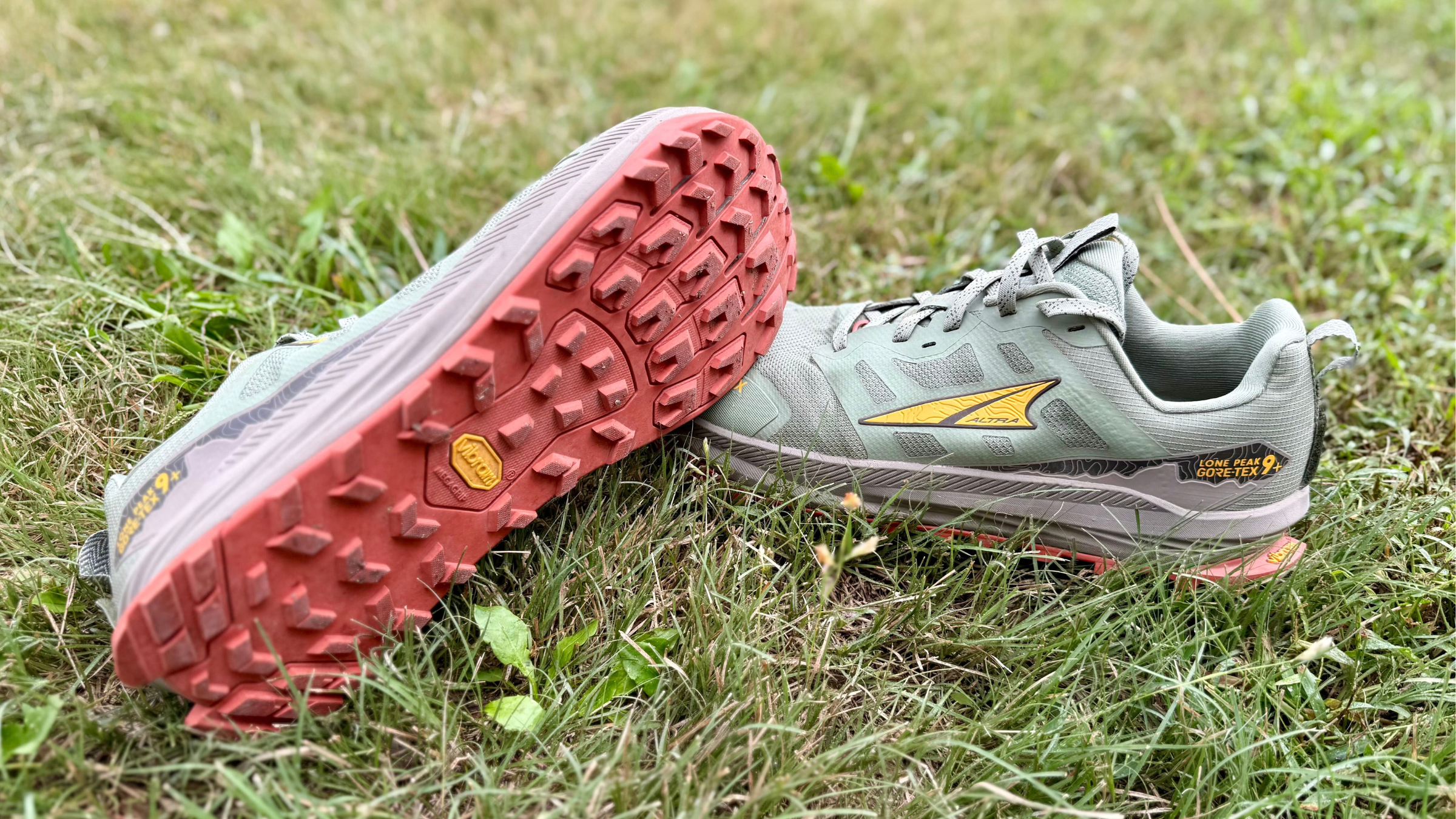
The footwear category saw significant advancements this season, particularly regarding the integration of weather-resistant membranes in lightweight running chassis. The Altra Lone Peak 9+ GTX, priced at $180, has emerged as a leader in this segment. Senior Gear Editor Jonathan Beverly, who conducted field tests in Acadia National Park, Rocky Mountain National Park, and the Nebraska sandhills, reports that the shoe effectively bridges the gap between technical hiking boots and agile trail runners.

The data suggests that the integration of Gore-Tex uppers with Vibram Megagrip outsoles has mitigated common industry trade-offs. Historically, waterproof-breathable membranes often trapped heat; however, the Lone Peak 9+ demonstrated thermal regulation even during high-exertion summits. With a zero-drop, low-stack midsole construction, the shoe provides ground connectivity that is increasingly sought after by long-distance hikers. The specific performance in wet, slick conditions—such as seaweed-covered boulders—highlights the efficacy of current lugged-sole designs in preventing kinetic failure.
Hydration Systems and Ergonomic Efficiency
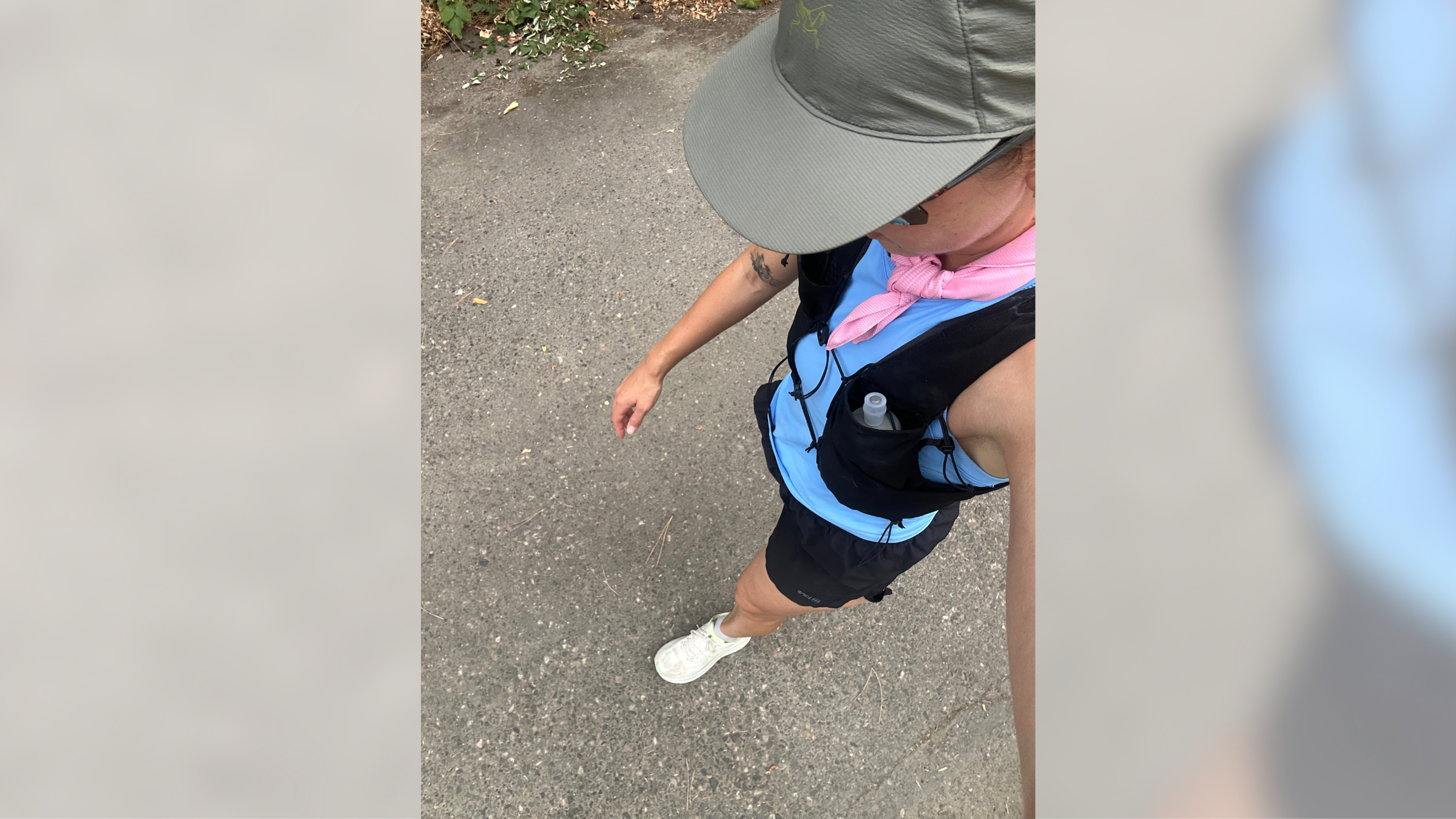
The Arc’teryx Norvan 7 Vest ($160) represents a refinement in load-carriage systems for endurance athletes. Tested extensively by contributing editor Amelia Arvesen across varied climates—including the humid Tillamook Forest and Copenhagen’s urban infrastructure—the vest utilizes a high-compression mesh architecture.
Technical specifications indicate that the 500ml soft flask security mechanism, featuring cinching at the pocket apex, effectively addresses the common issue of flask migration during high-intensity movement. While some users have noted that the auxiliary cordage for trekking pole attachment creates minor drag during high-speed transit, the structural stability of the pack remains high. This shift toward "race-vest" integration for general training reflects a broader industry trend of prioritizing weight distribution for middle-distance runs ranging from 10 to 20 miles.
Material Science: The Rise of Wool-Synthetic Hybrids
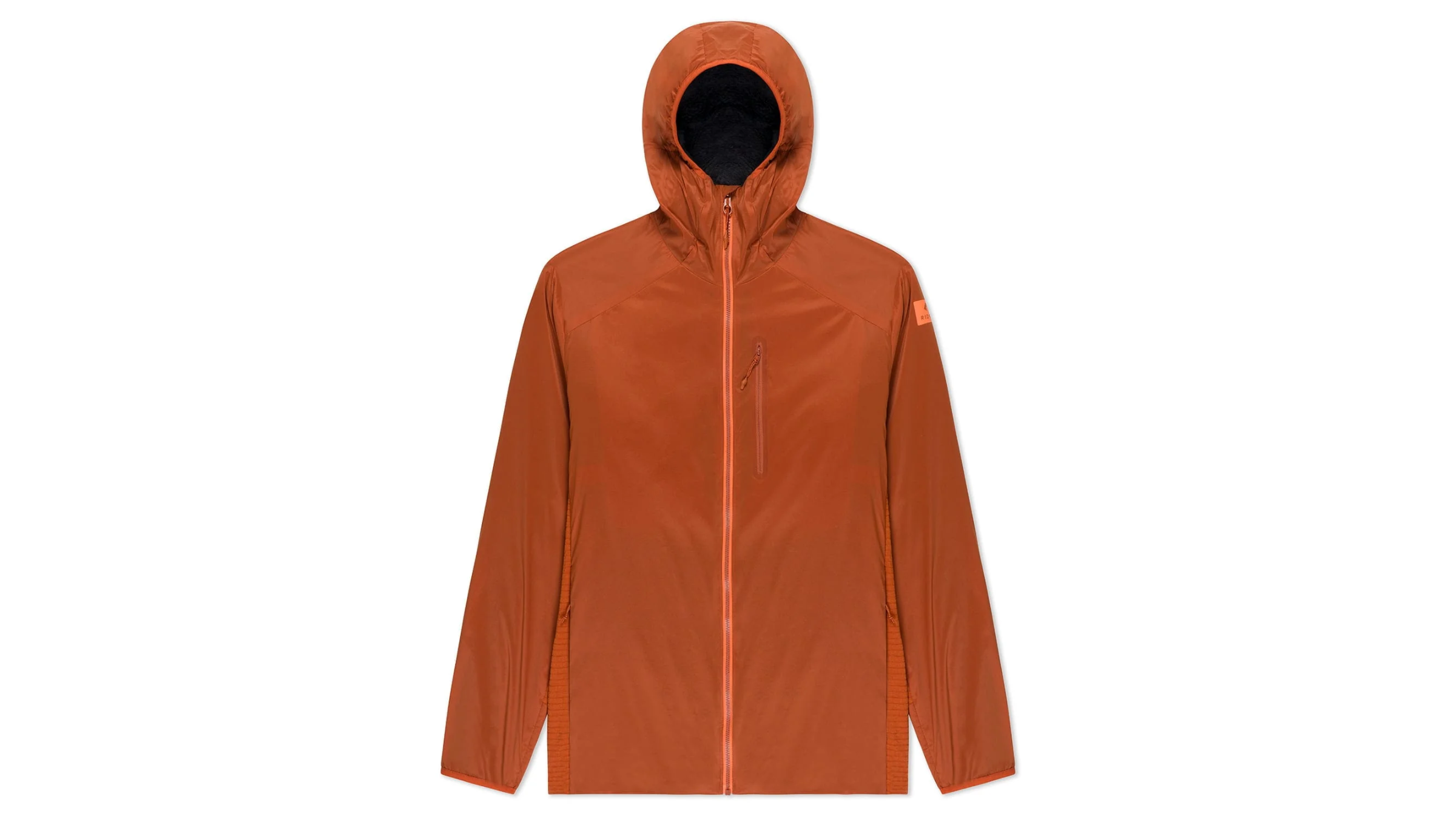
The Ridge Merino Alpha Wool Insulated Jacket ($275) highlights the recent advancements in Polartec Alpha Direct with Wool technology. As observed by contributing writer Jakob Schiller during a period of record-high temperatures followed by intense, localized precipitation in New Mexico, the garment serves as a versatile thermal layer.
The industrial significance of this insulation lies in its open-knit structure, which provides immediate warmth without the vapor-lock associated with traditional synthetic puffers. By blending wool with synthetic fibers, the jacket achieves two key metrics: odor resistance and environmental sustainability. Furthermore, its performance as a midlayer for winter sports suggests that manufacturers are moving away from single-use gear in favor of modular systems that can function across a six-month usage window.
Pediatric Mobility and Specialized Equipment
The Early Rider Bigfoot 12 Balance Bike ($239) serves as a case study in the trickle-down of adult mountain bike geometry to the pediatric market. The product’s design focuses on a low center of gravity, achieved through 2.25-inch knobby tires and a widened handlebar stance. By incorporating a functional handbrake—a feature typically reserved for higher-tier youth bicycles—the manufacturer has addressed a gap in the training-wheel transition phase. The reported increase in user confidence during off-road trials indicates that equipment fit is the primary driver of skill acquisition in early childhood cycling.
Apparel Durability and Lifecycle Analysis
The Outdoor Voices Waffle Baby Tee ($58) has gained traction for its performance in multi-day backpacking scenarios. Kristen Geil, gear and affiliate director, noted that the garment’s cotton-based weave performed unexpectedly well under heavy pack loads, showing minimal abrasion from strap friction.
From an industry perspective, the resurgence of natural fibers in performance wear is a response to the "dinosaur hunter" aesthetic that has dominated hiking apparel for the past decade. The ability of the tee to maintain structural integrity and odor control over 48 hours of heavy exertion suggests that fabric density is a more reliable predictor of field performance than synthetic marketing claims.
Digital Integration in Backcountry Environments
The Xteink X4 Pro Pocket eReader ($99) provides a niche solution for the ultralight community. Weighing in at 72 grams, the device is significantly lighter than industry-standard tablets, addressing the primary concern of weight-conscious backpackers. The addition of a frontlight—a feature absent in the X4 Classic and X3 models—allows for night reading without the need for high-lumen headlamps, effectively extending the battery life of a user’s primary lighting system.
However, the hardware does face challenges; the magnetic charging interface has been identified as a potential point of failure. The requirement for precise alignment during charging indicates that while the device is structurally innovative, its utility in remote settings is contingent upon the user’s ability to maintain a stable power connection.
Broader Industry Implications and Future Outlook
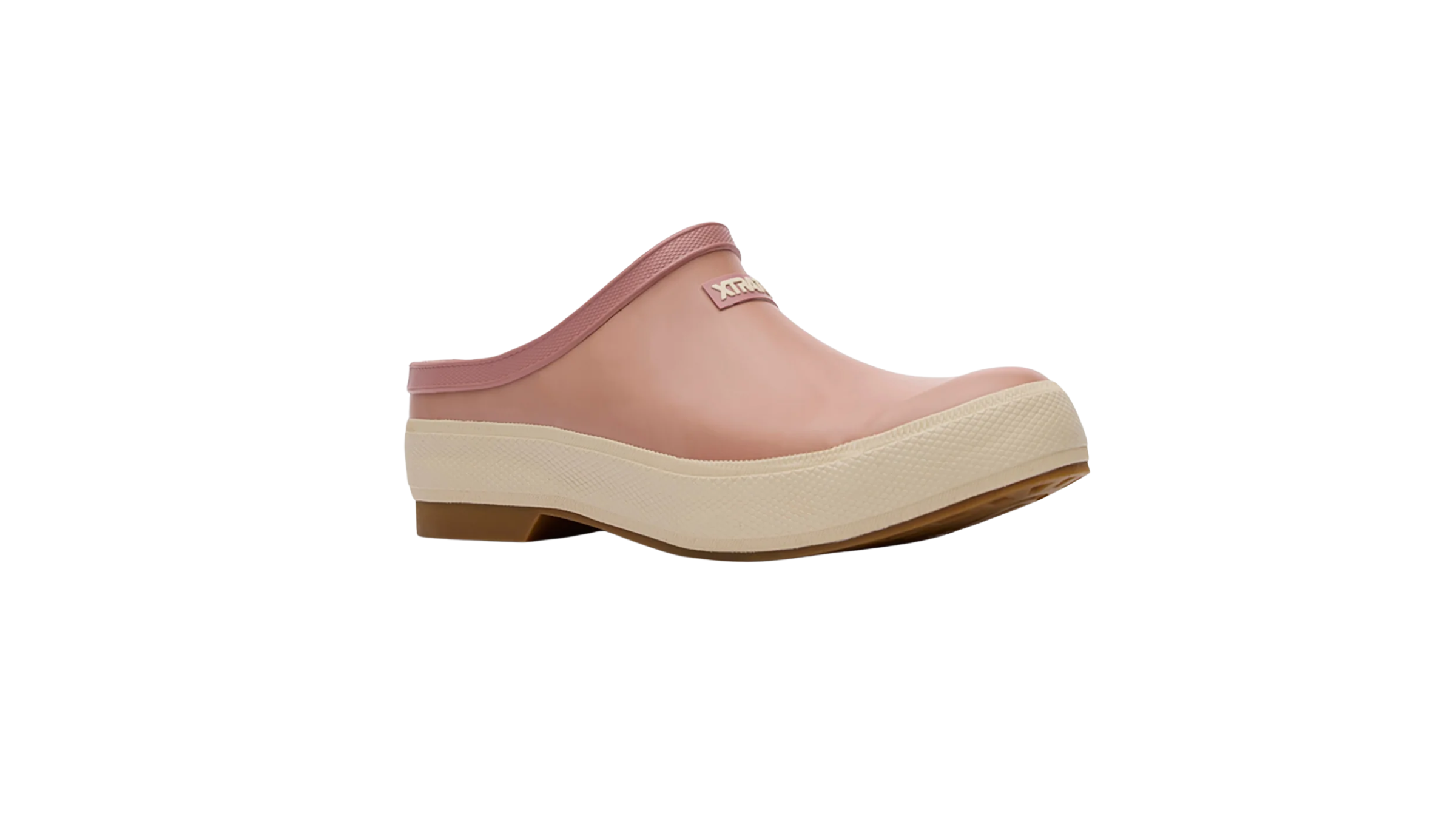
The 2026 gear cycle suggests that the outdoor industry is prioritizing three distinct pillars: weight reduction, environmental sustainability through material blending, and modularity. The shift toward "everyday-to-backcountry" apparel—exemplified by the Xtratuf Women’s Legacy Mules ($130)—indicates that consumers are increasingly seeking products that offer high-performance specifications without sacrificing aesthetic versatility.
The Xtratuf Legacy Mules, in particular, demonstrate the market’s demand for "transitional" gear. Designed to fill the void between heavy-duty fishing boots and casual footwear, these waterproof, non-slip mules address the practical requirements of outdoor-adjacent lifestyles, such as urban childcare and inclement weather commuting.
As we look toward the remainder of the 2026 calendar year, the data provided by our contributors suggests that the most successful products are those that provide "functional overlap." Whether it is a jacket that transitions from a mountain midlayer to a winter commuter piece, or an eReader that balances screen real estate with weight-critical logistics, the focus of the industry is clearly shifting toward high-utility design.
This consolidation of features into singular products is not merely a design trend but a logical response to the rising costs of specialized gear. By investing in equipment that serves multiple use cases, users are effectively reducing the total cost of ownership while minimizing the environmental impact associated with high-consumption, single-purpose hardware.
Moving into the 2027 development cycle, manufacturers are expected to continue this trajectory, with a focus on refining the "stink-proof" properties of natural fibers and the integration of sustainable, non-slip rubber compounds in footwear. The feedback loop established by this season’s testing suggests that the industry is listening: durability is no longer a premium feature—it is the baseline expectation for the modern outdoor enthusiast.