The global transition from internal combustion engine (ICE) vehicles to electric propulsion is no longer a question of viability, but rather a matter of logistical and temporal progression. While the automotive industry is currently navigating a period of recalibration, the long-term trajectory toward electrification remains firmly in place. Data derived from the recently published HERE-SBD EV Index 2026 indicates that American consumer interest in electric vehicles (EVs) has seen a measurable uptick compared to the previous year. This shift in sentiment is primarily attributed to the maturation and expansion of the national charging infrastructure, which is gradually mitigating one of the most significant barriers to widespread adoption: range anxiety.
Market Realities and Shifting Consumer Sentiment
To understand the current state of the automotive market, one must reconcile the disparity between sales volume and consumer intent. While EV market share in the United States has experienced a contraction—dropping to 5.37% this year, a decrease of nearly 3%—this figure does not tell the full story. The decline in sales volume correlates closely with the expiration of certain federal tax incentives, which had previously artificially bolstered demand.
However, a deeper analysis of consumer behavior provided by the Alliance for Automotive Innovation reveals a significant shift in loyalty away from traditional gasoline-powered vehicles. When surveyed, 10% fewer current ICE vehicle owners expressed an intention to purchase another gas-powered car as their next primary vehicle. Furthermore, the segmentation of the market reveals a growing segment of "EV-ready" consumers: 8% of current gas-vehicle drivers indicated they would make the switch if price points and vehicle options were equivalent to their current ICE counterparts, while 12% of respondents stated they intend to switch to electric regardless of price. This 12% figure is particularly noteworthy, as it represents a doubling of interest from just one year ago, when only 6% of respondents expressed the same level of commitment.
The Influence of Economic and Practical Drivers
The decision-making process for the modern American driver is increasingly dominated by two primary factors: the cost of operation and the availability of charging infrastructure. Approximately 57% of drivers polled in the latest index reported that the volatility of gas prices serves as a primary motivator for considering an electric alternative. For existing EV owners, this sentiment is even more pronounced, with eight out of 10 reporting that lower fuel costs—combined with reduced maintenance requirements—make it nearly impossible to consider returning to an ICE vehicle.
Nevertheless, beyond simple economics, the physical reality of the road is paramount. The primary inhibitors to adoption remain the density of public charging networks, the speed at which these stations can charge a battery, and the total range offered per charge. As these three pillars of the EV experience continue to improve, public confidence is reaching a tipping point. The correlation between infrastructure investment and consumer comfort is clear: as charging becomes as ubiquitous and reliable as the traditional gas station, the hesitancy of the average driver diminishes.
Professional Insights and Regional Disparities
Robert Fisher, Senior Consulting Manager at SBD Automotive, emphasizes that while the raw numbers regarding market share may suggest a cooling period, the underlying trends tell a story of preparation. "This year’s EV index shows Americans are becoming more open to the idea of driving an EV and more confident in the infrastructure needed to support them," Fisher stated. "While EV uptake may be slowing, the findings suggest continued investment in charging infrastructure is starting to translate into greater consumer confidence. Consumer sentiment often leads purchasing behavior, making confidence an important indicator to watch as the market continues to evolve."
This growth, however, is not uniform across the United States. Geography plays a significant role in the pace of the transition. The index highlights that states such as Iowa and South Dakota have seen a decline in EV interest, a trend largely linked to a sparse and underdeveloped charging network. Conversely, other regions are witnessing substantial momentum. Alaska, Oklahoma, and Utah have emerged as surprise leaders in terms of growth spikes in the EV Index.
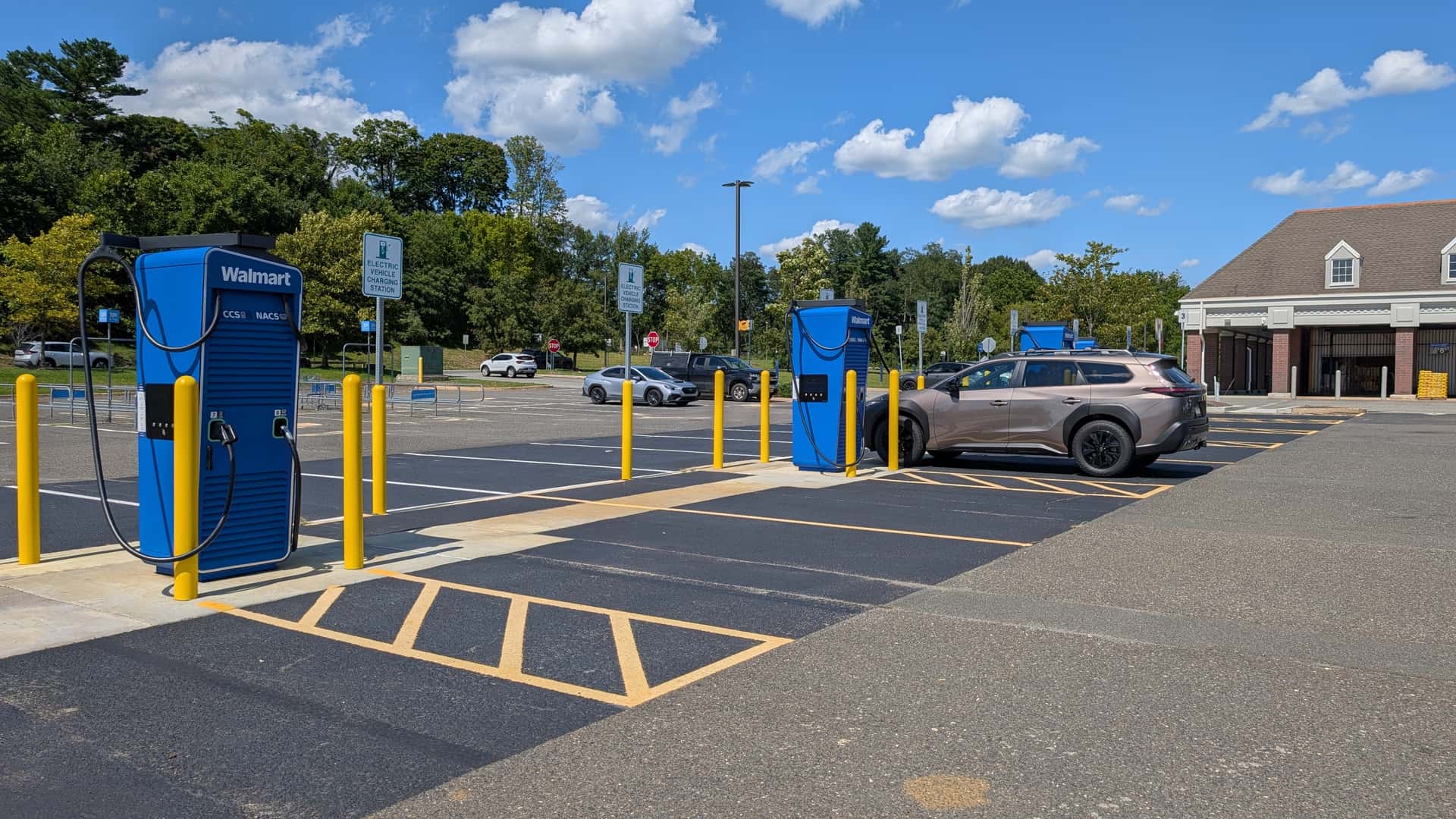
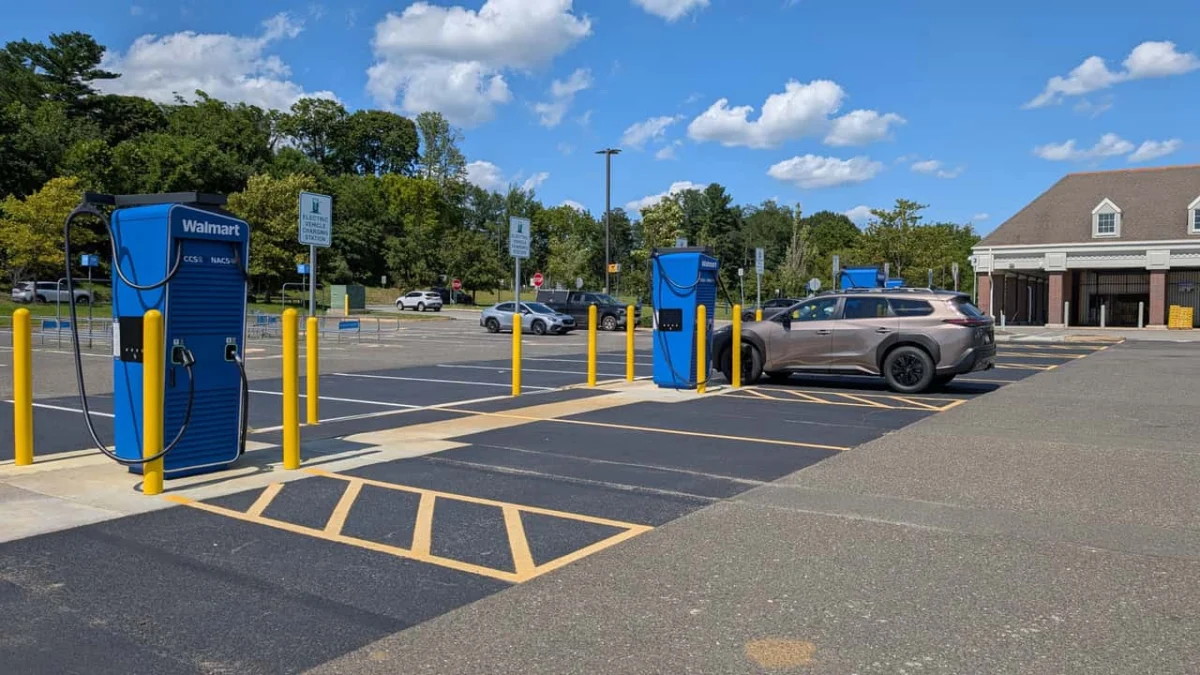
The top five rankings for the EV Index—Delaware, Washington D.C., New Jersey, Massachusetts, and Connecticut—demonstrate a clear geographic concentration of progress. The East Coast currently leads the nation in the integration of EV infrastructure, creating a feedback loop where the presence of chargers encourages ownership, which in turn necessitates further infrastructure development.
A Chronology of the Transition
The current state of the industry is the result of several years of rapid development and policy shifts:
- 2021–2022: The industry experienced a surge in EV demand driven by low interest rates and robust federal tax credits, leading to record-high market share figures.
- 2023: As supply chains stabilized and global production capacity increased, manufacturers began to shift focus toward lowering the cost of entry for consumers.
- 2024: The expiration or restructuring of various tax incentives resulted in a temporary plateau in sales, leading to a "market correction" phase where manufacturers re-evaluated their production targets.
- 2025–2026: The current focus has pivoted toward infrastructure. Utilities, government entities, and private charging networks have begun massive capital deployments to address the "charging gap," shifting the narrative from vehicle availability to charging accessibility.
Broader Implications and Future Outlook
The implications of this data for the automotive industry are profound. If the goal is the complete electrification of the light-duty vehicle fleet, the focus must move beyond the vehicle itself. The current data proves that there is a large, untapped segment of the population that is willing to adopt electric technology but is currently restrained by the limitations of the charging grid.
The fact that interest is rising while sales are momentarily dipping suggests that the automotive industry is in a "bridge" phase. Manufacturers are currently using this time to refine battery technology, improve energy density, and lower production costs through manufacturing efficiencies. Meanwhile, the public sector is working to ensure that the grid can handle the increased load and that charging stations are strategically placed to handle long-distance travel.
For policymakers, the data provides a clear roadmap. Investment in charging infrastructure is not merely a public service; it is a primary catalyst for economic development in the automotive sector. States that prioritize these investments are seeing direct results in the form of increased consumer interest and, eventually, a higher adoption rate.
The Role of Consumer Education
As the automotive market evolves, the role of consumer education will become increasingly vital. Many of the concerns cited by hesitant buyers—specifically regarding charging speed and battery degradation—are often based on outdated information. As manufacturers introduce new models with 800-volt architectures capable of charging from 10% to 80% in under 20 minutes, the reality of EV ownership is beginning to align more closely with the convenience of traditional refueling.
The ongoing transition is a marathon, not a sprint. The current 5.37% market share in the U.S., when viewed in isolation, might appear to be a setback. However, when viewed through the lens of the HERE-SBD EV Index 2026, it is clear that the foundation for a much larger, more sustainable market is being laid. With rising consumer interest, a maturing infrastructure, and a clear economic incentive for drivers to move away from volatile fuel prices, the move toward an electric future appears inevitable. The challenge for the next few years will be for the industry to maintain this momentum and turn "interested" shoppers into long-term electric vehicle owners. As confidence builds, the shift in market share will likely follow, transforming the American transportation landscape in the process.