The global outdoor apparel market continues to undergo rigorous technical evolution, driven by advancements in sustainable membrane technologies and consumer demand for multi-purpose weather protection. Published in September 2026, the latest comprehensive gear evaluation conducted by outdoor industry testing teams—incorporating both empirical data from the Outside Lab at CU Denver and extensive multi-month field trials across varied North American climates—has established new benchmarks for men’s rain jackets. This year’s analysis examines a diverse spectrum of wet-weather gear, ranging from ultralight emergency shells weighing under two ounces to heavy-duty alpine hardshells designed for extreme meteorological conditions.
Overview of the 2026 Testing Cohort and Methodology
The 2026 testing initiative brought together seasoned mountain guides, backcountry rangers, trail runners, and outdoor journalists to evaluate waterproof shells across demanding real-world environments. Testing hubs spanned regions known for severe weather, including Anchorage, Alaska; Salt Lake City, Utah; the Sierra Nevada range in California; and the rugged coast of Maine.
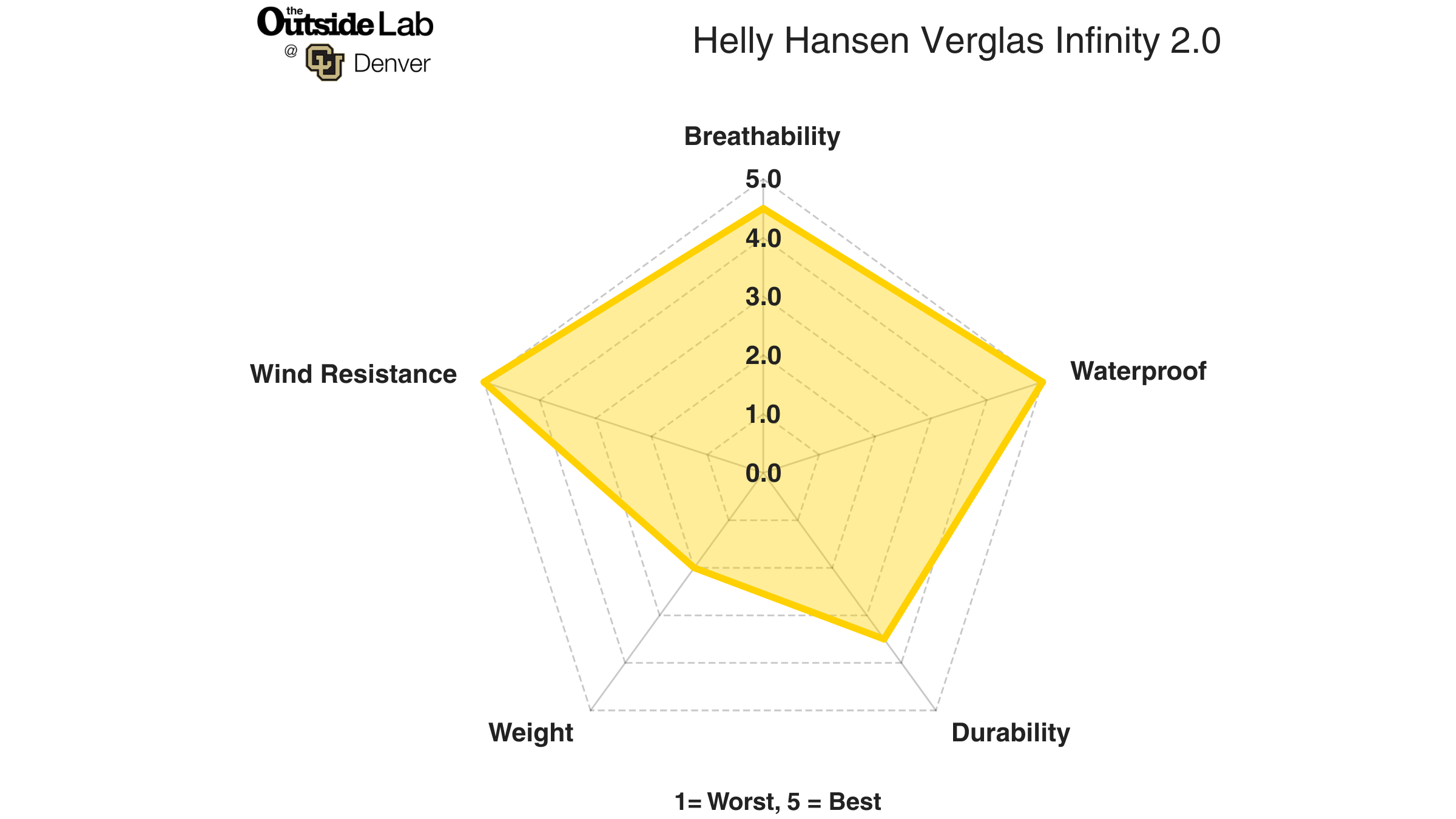
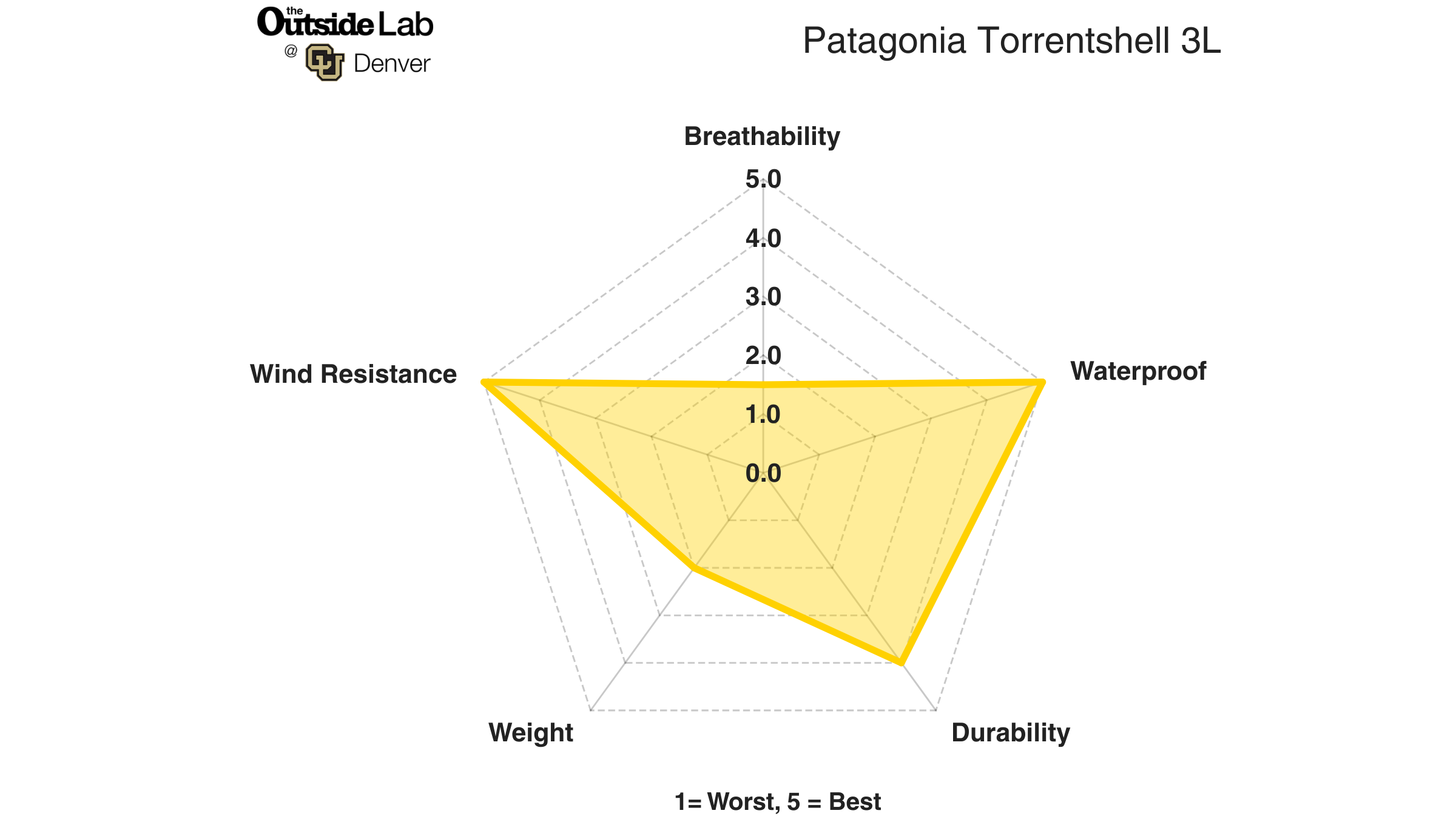
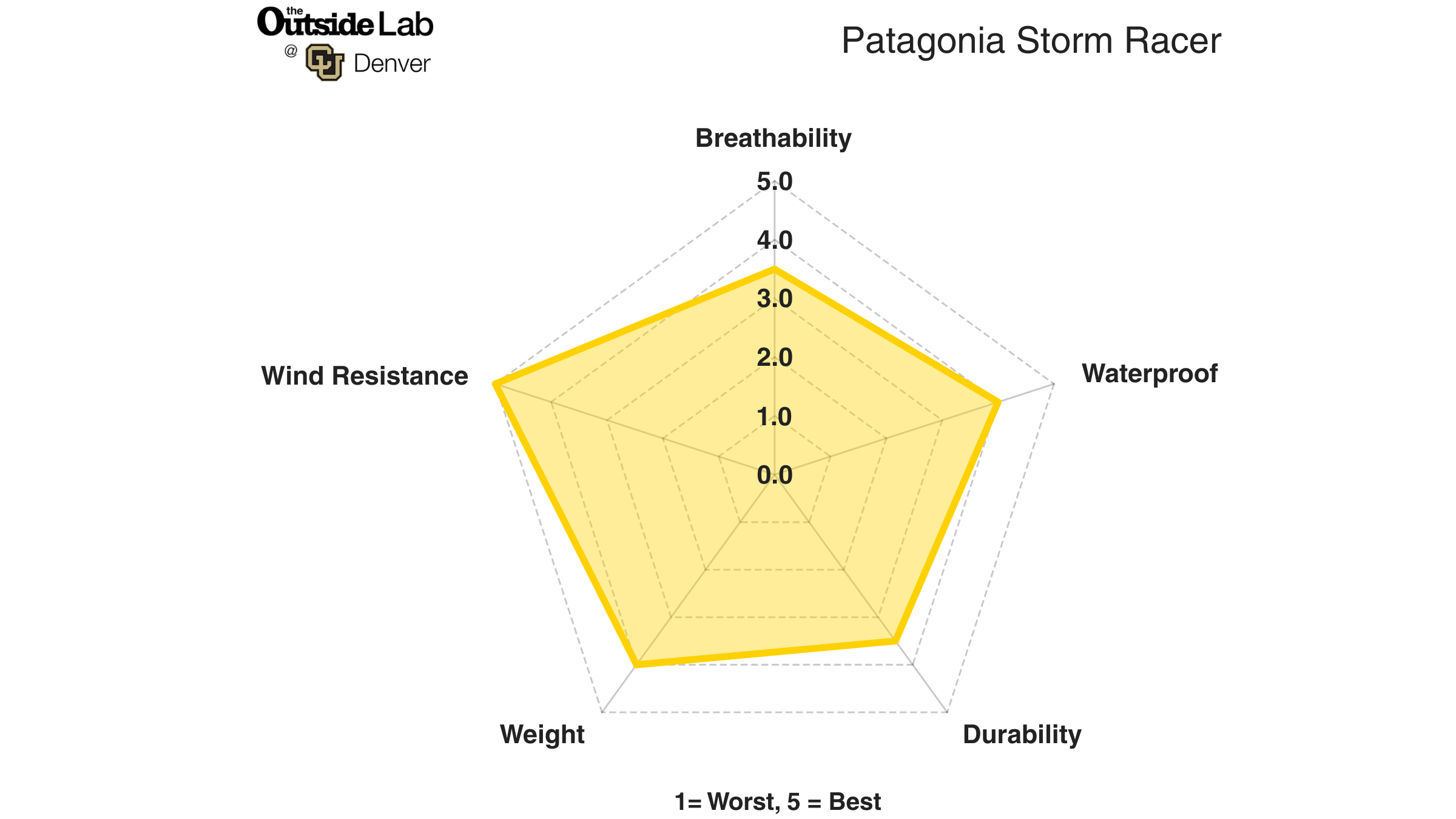
Simultaneously, objective physical metrics were captured inside the Outside Lab at CU Denver. Researchers subjected fabric swatches to standardized assessments measuring hydrostatic head pressure for waterproofness, Martindale abrasion machines for durability, modified ASTM cup methods for moisture-vapor transmission (breathability), and air permeability chambers for wind resistance.
By combining rigorous laboratory data with longitudinal field testing, the evaluation provides consumers with a nuanced understanding of how modern technical apparel performs under both controlled conditions and punishing natural elements.
Top-Performing Rain Jackets by Category
The evaluation categorizes jackets based on primary use cases, acknowledging that no single shell can universally dominate every outdoor discipline without strategic compromises in weight, breathability, or durability.
Best Overall: Helly Hansen Verglas Infinity Shell Jacket 2.0
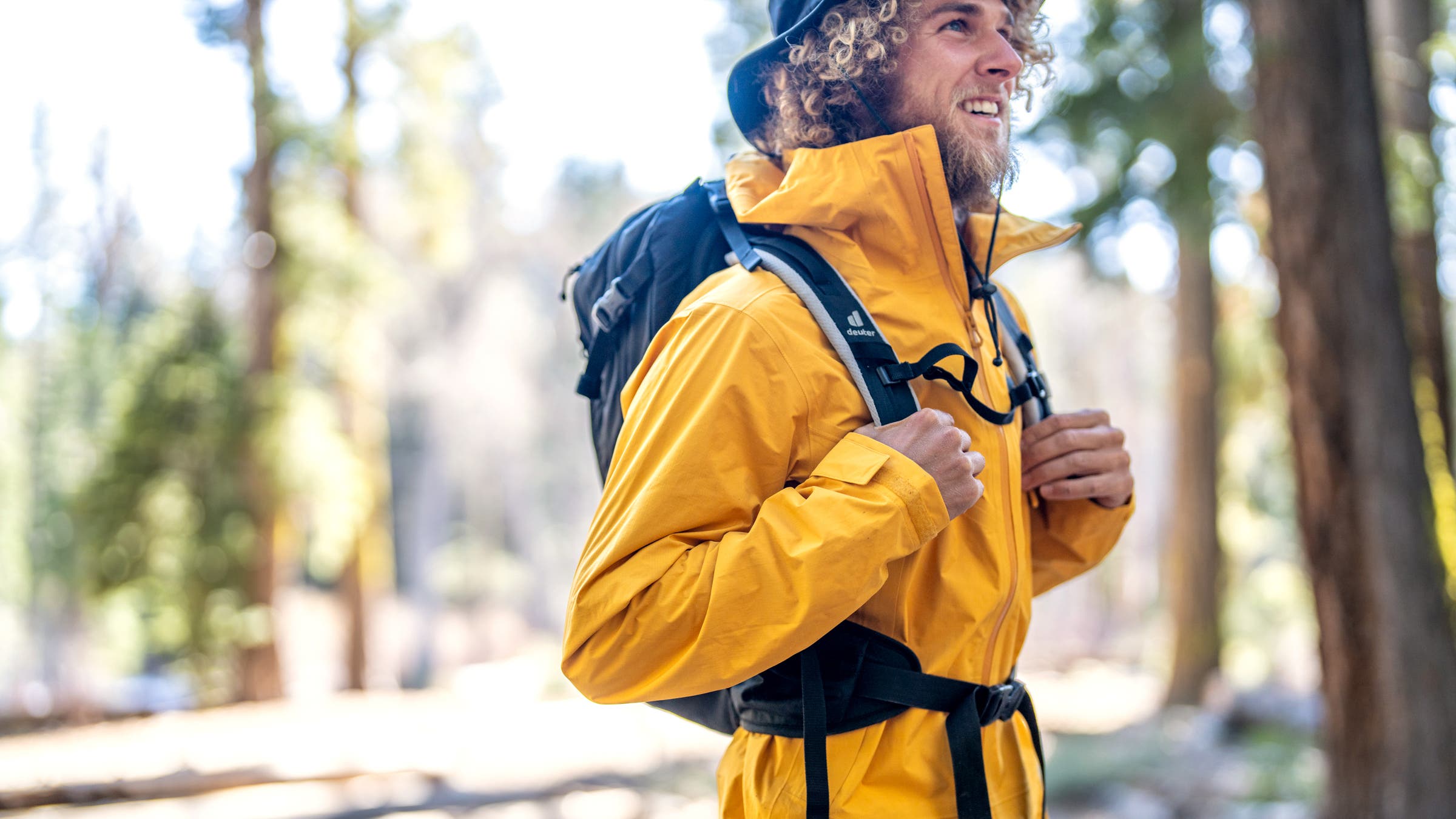
Weighing 15.7 ounces in a size large, the Helly Hansen Verglas Infinity Shell 2.0 was named the best overall men’s rain jacket for its balanced synthesis of durability, weatherproofing, and versatile features. Utilizing the brand’s proprietary three-layer Lifa Infinity waterproof-breathable membrane and 100 percent recycled polyester face fabric, the jacket underwent a strategic redesign that reduced weight by 2.7 ounces and lowered its retail price by $100 compared to prior iterations. Testers reported dependable performance during intense alpine storms, though mid-level breathability remained a minor compromise during high-output exertion in warmer temperatures above 50 degrees Fahrenheit.
Best Value: Patagonia Torrentshell 3L
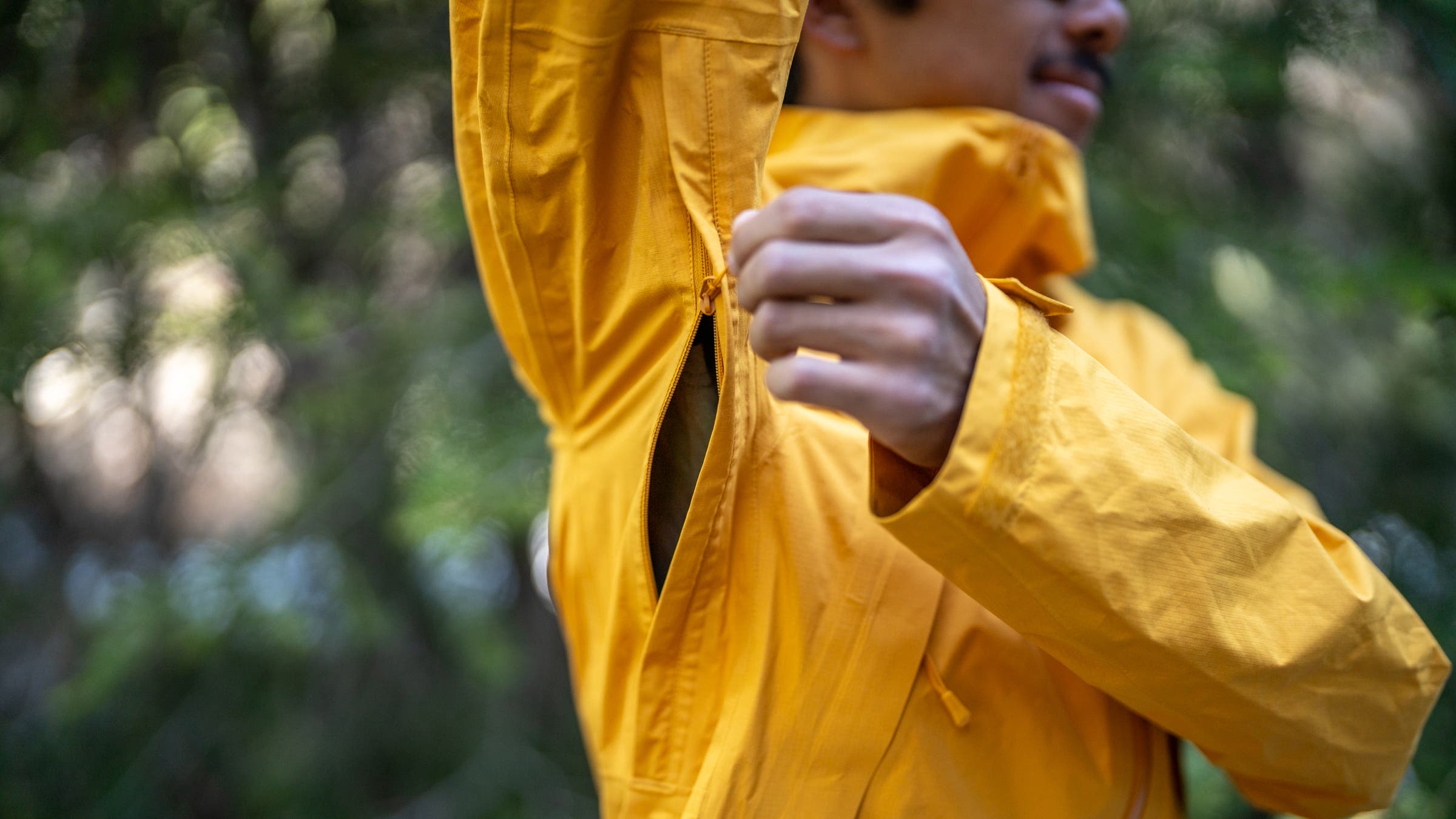
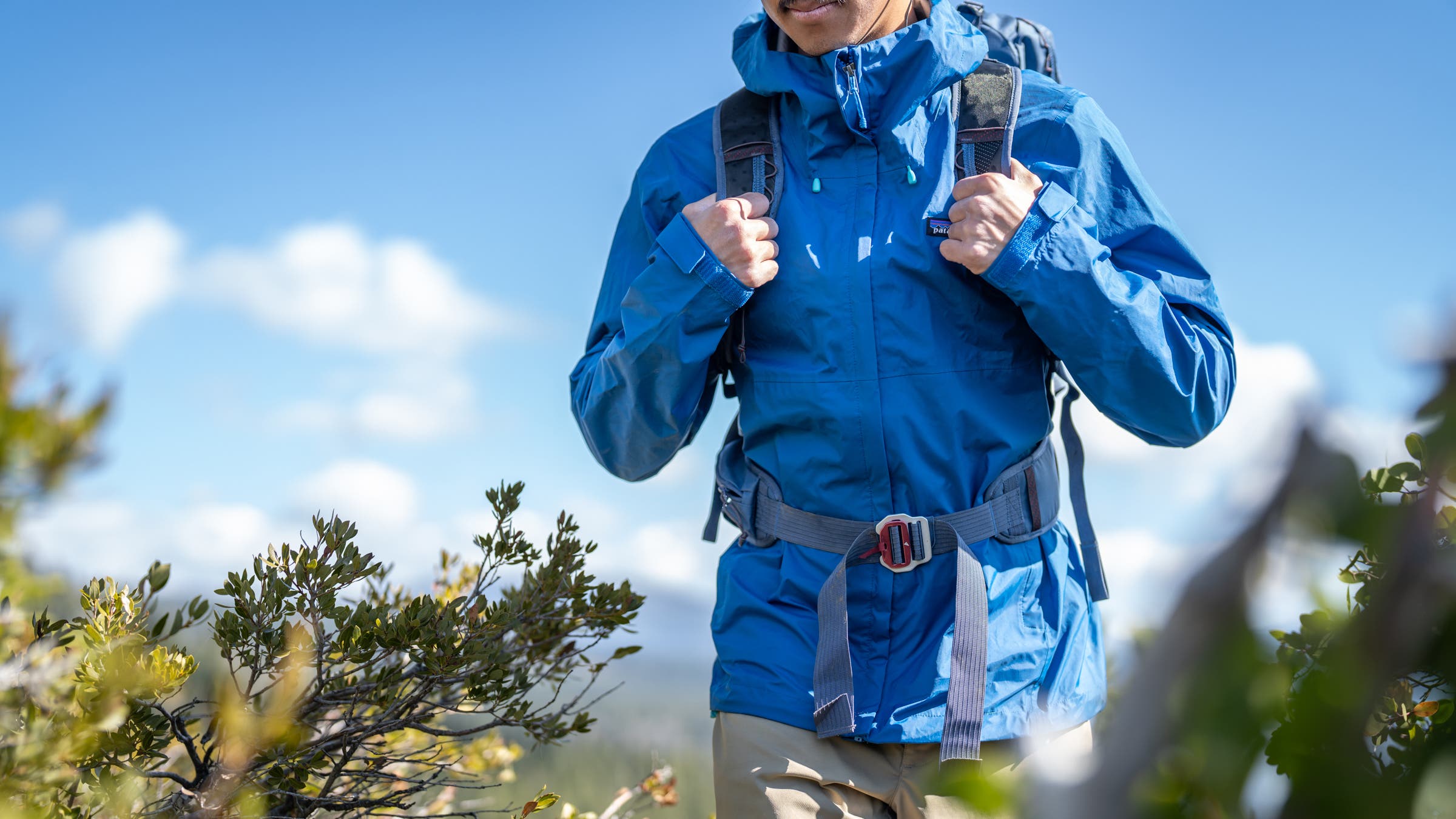
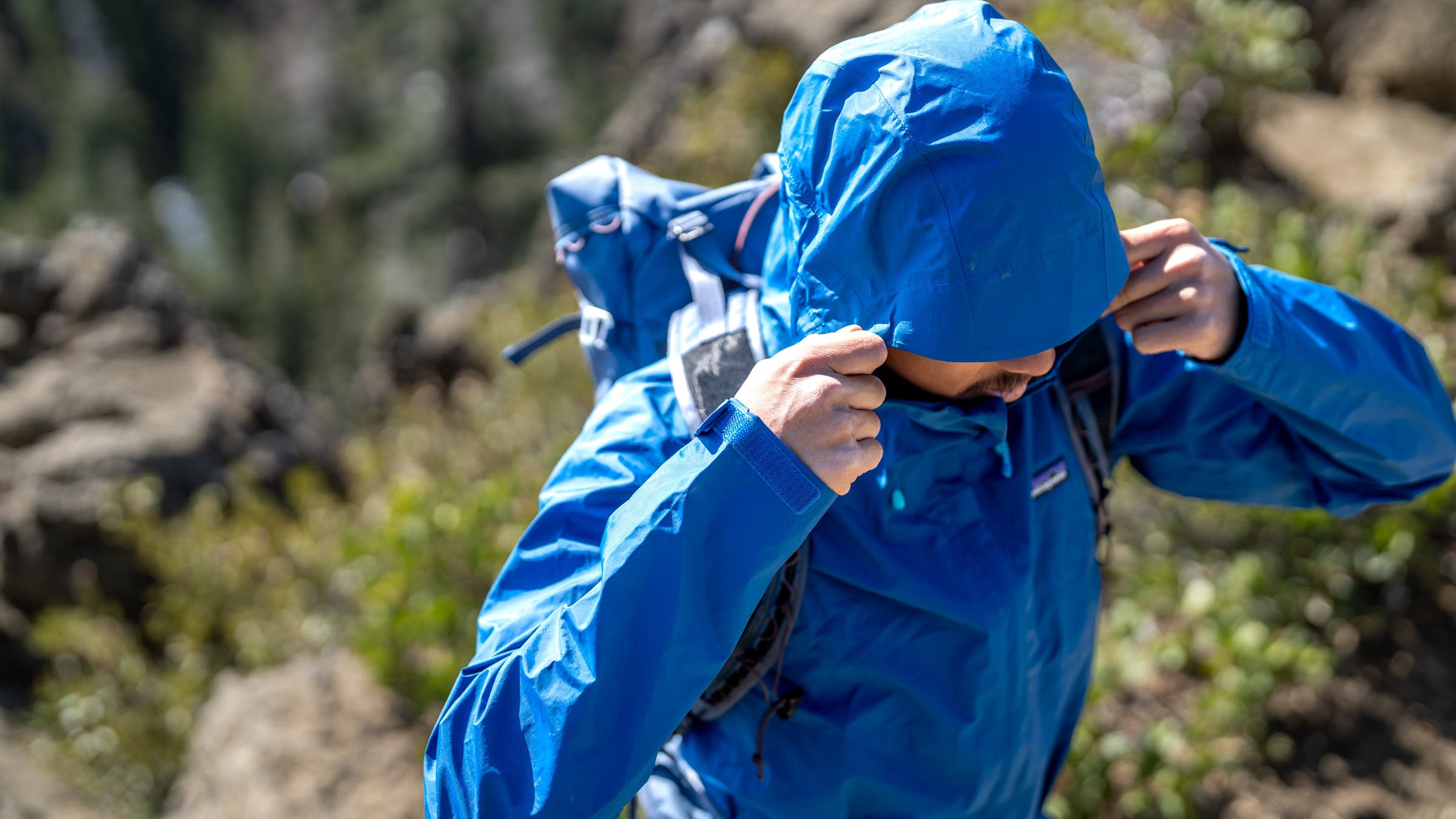
Priced affordably for a true three-layer construction, the Patagonia Torrentshell features a 50-denier, 100 percent recycled nylon ripstop face fabric paired with a PFC-free polyurethane H2No membrane. Long-term testers praised the jacket’s exceptional abrasion resistance and storm-worthiness against heavy rain and hail. While the stiffer fabric softens over time and offers moderate breathability requiring active pit-zip management, its longevity and sub-$200 price point cement its status as a leading value-driven option.
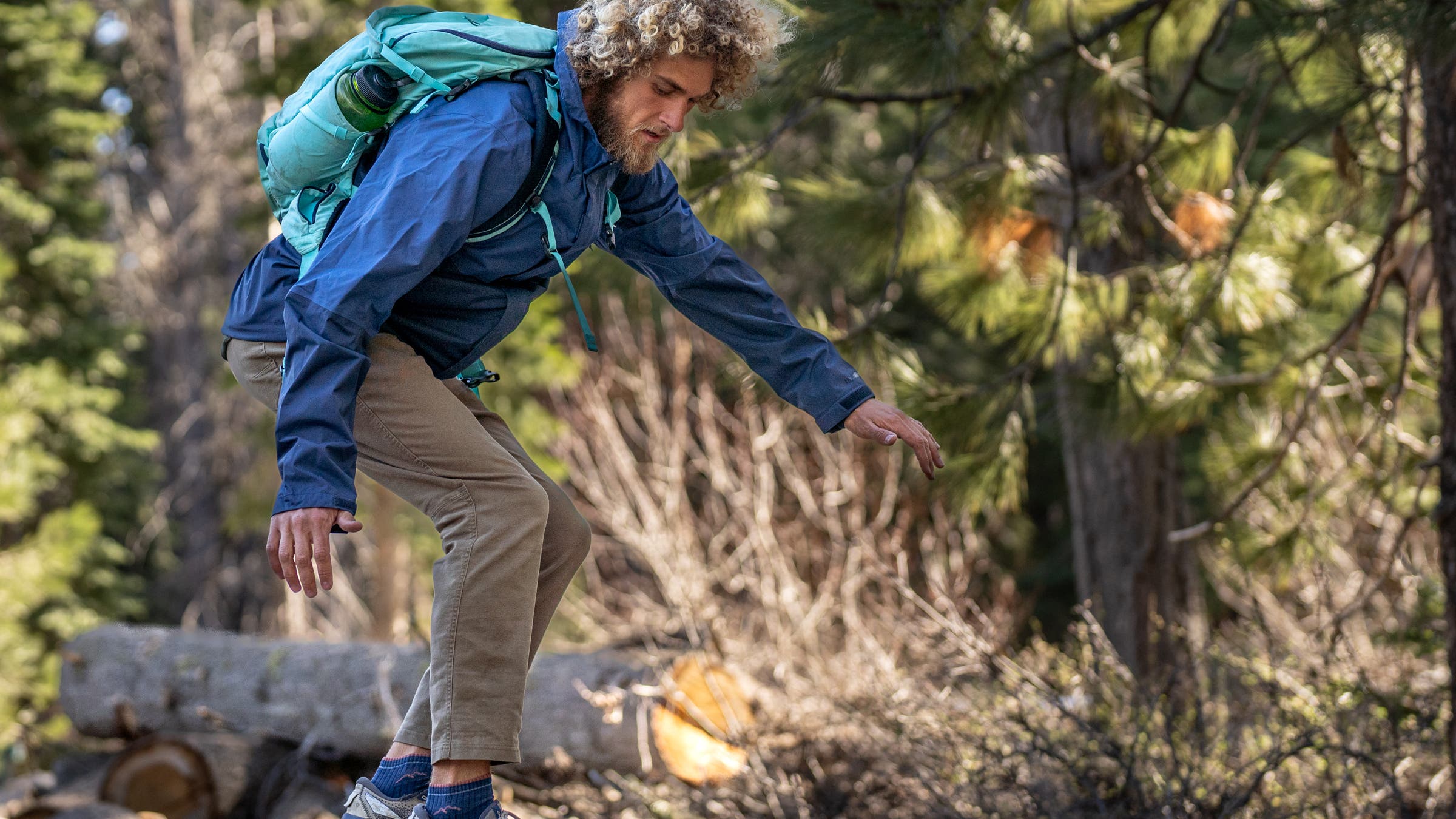
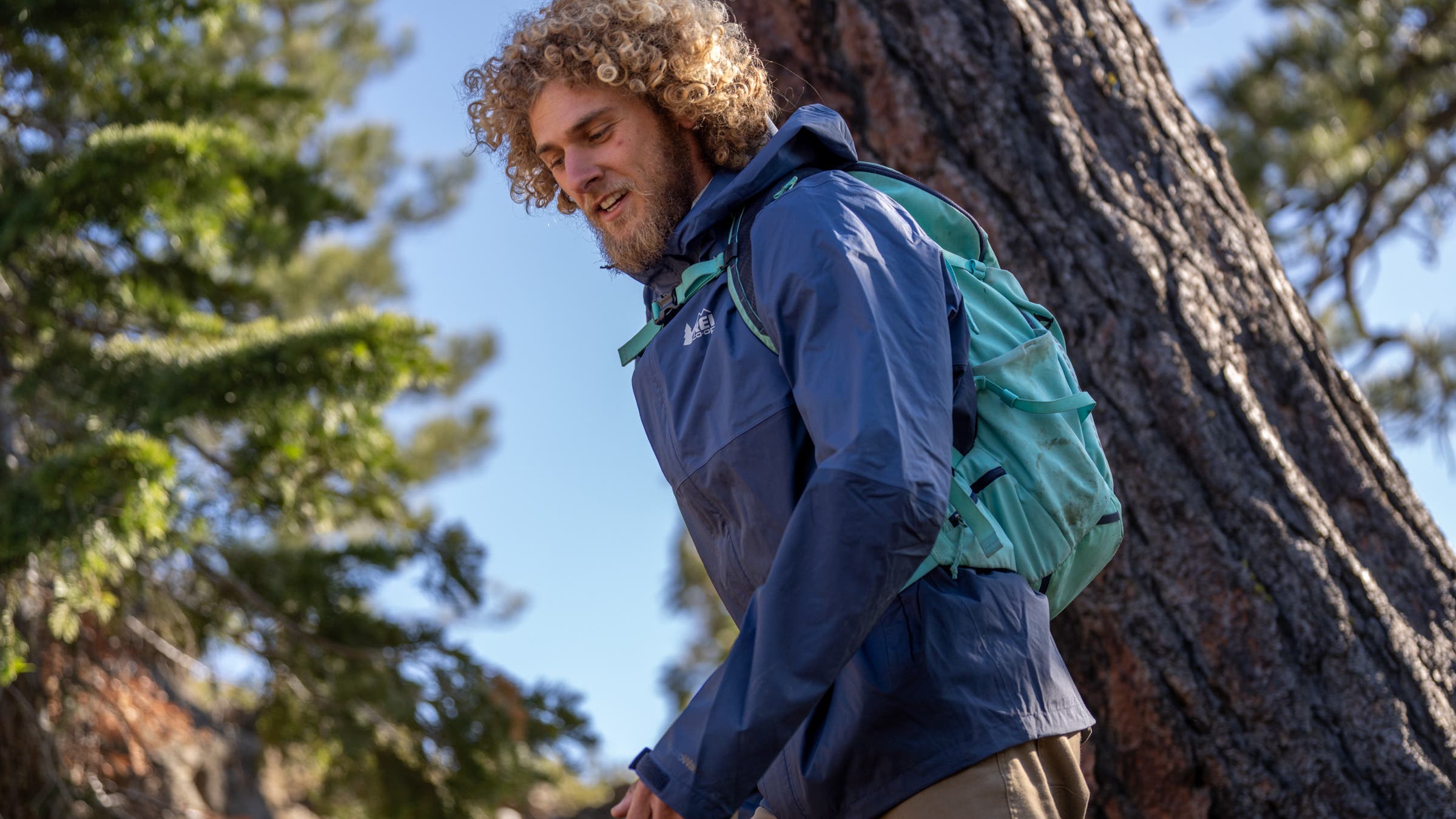
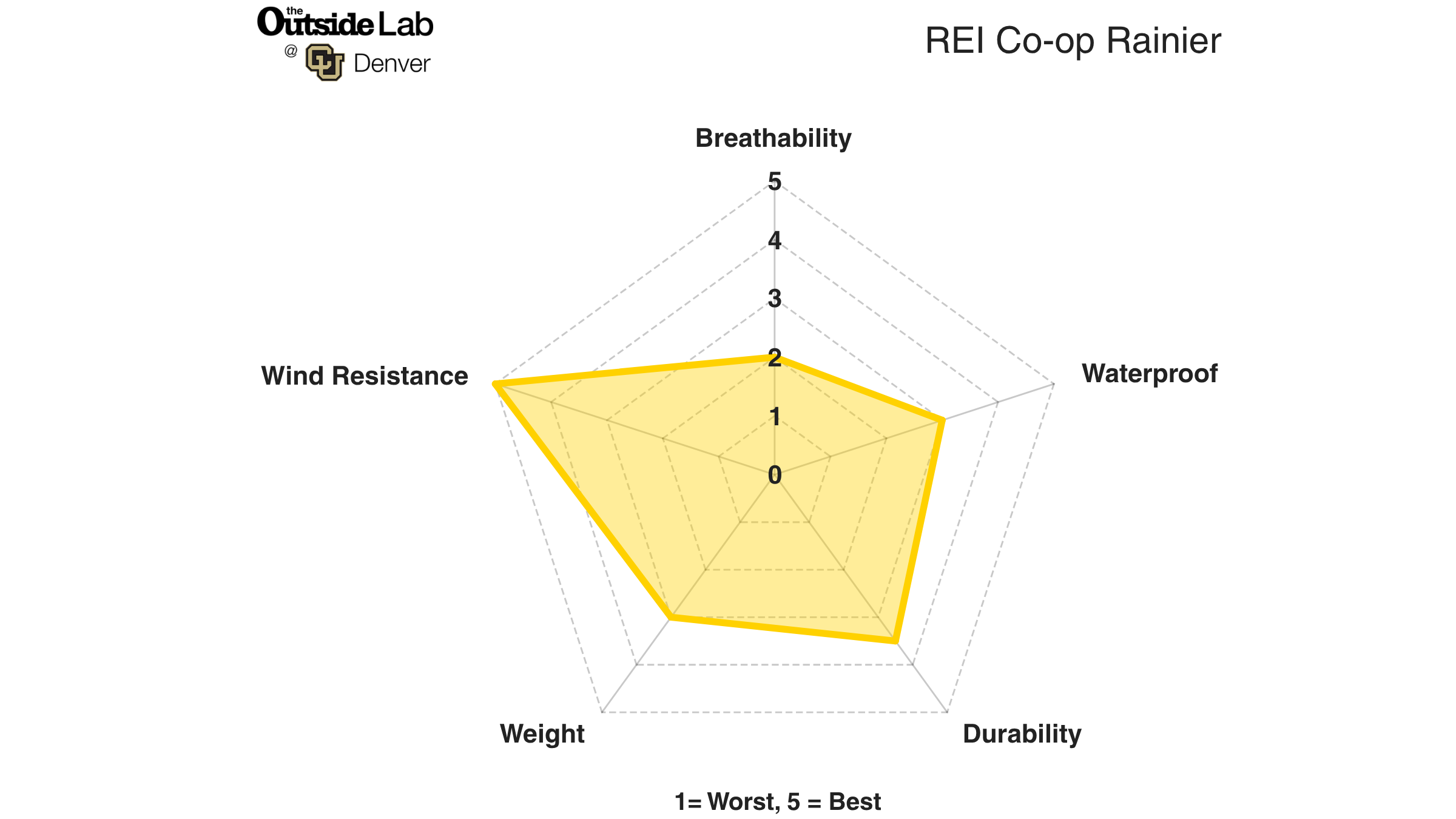
Best Budget: REI Co-op Rainier
At approximately $100, the REI Co-op Rainier 2.5-layer shell outperformed expectations within its price tier. Constructed from 100 percent recycled nylon ripstop, it delivered reliable waterproofing and sufficient durability to handle rigorous tasks such as wood-stacking during heavy downpours. While breathability and packability trail more expensive technical alternatives, the inclusion of pit zips and fully featured adjustments makes it an accessible entry point for casual outdoor enthusiasts.
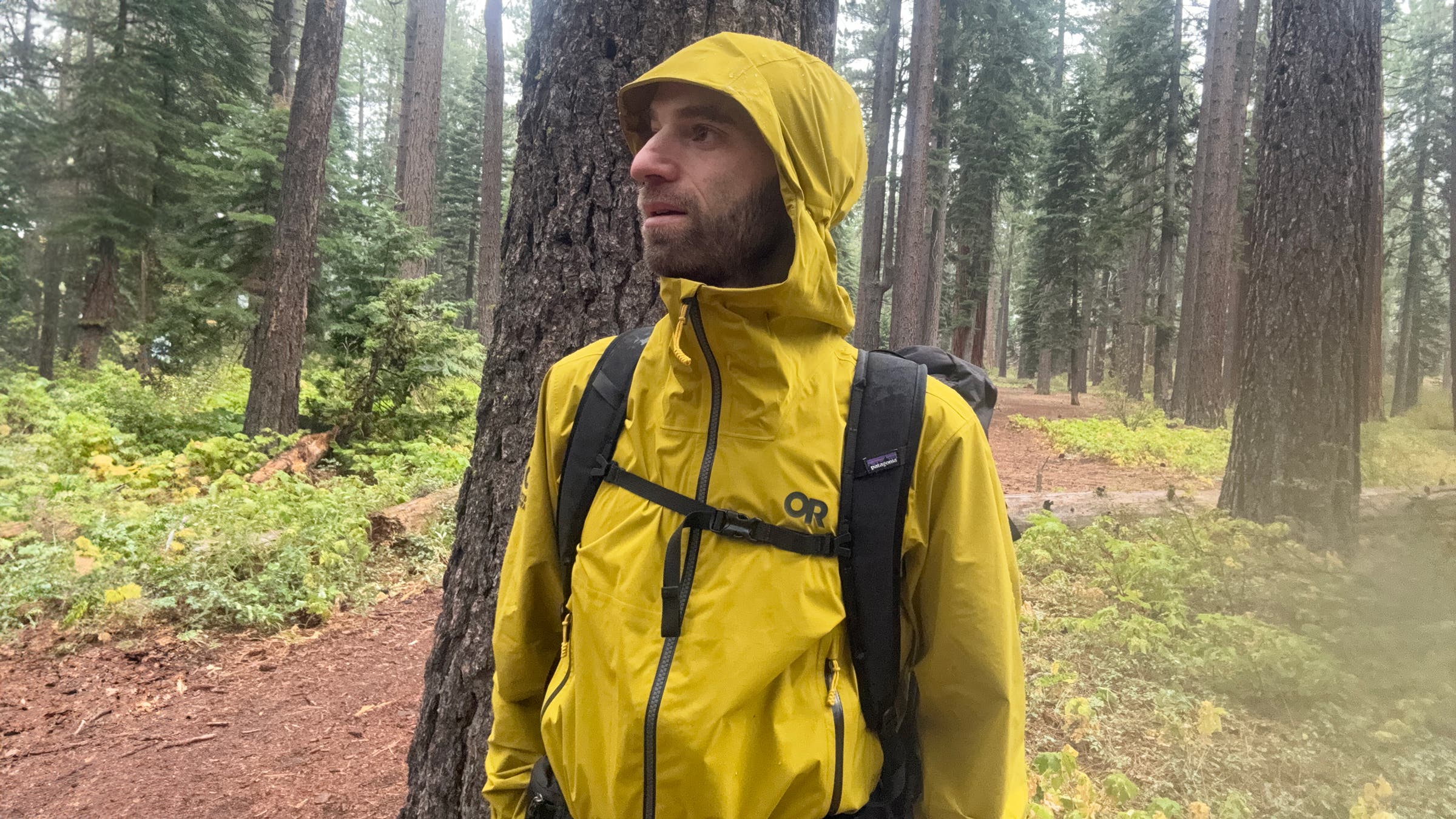
Best for Backpacking: Outdoor Research SkyChaser
Designed for dynamic mountain travel, the Outdoor Research SkyChaser utilizes a stretch-woven 40-denier nylon ripstop face fabric combined with a Pertex Shield Pro membrane. Weighing 11.6 ounces for a medium, the jacket balances mobility and protection. Testers noted that its high elasticity facilitates unhindered overhead movement during technical scrambles, though its 2.5-layer coated interior can feel slightly adhesive against bare skin during humid conditions.
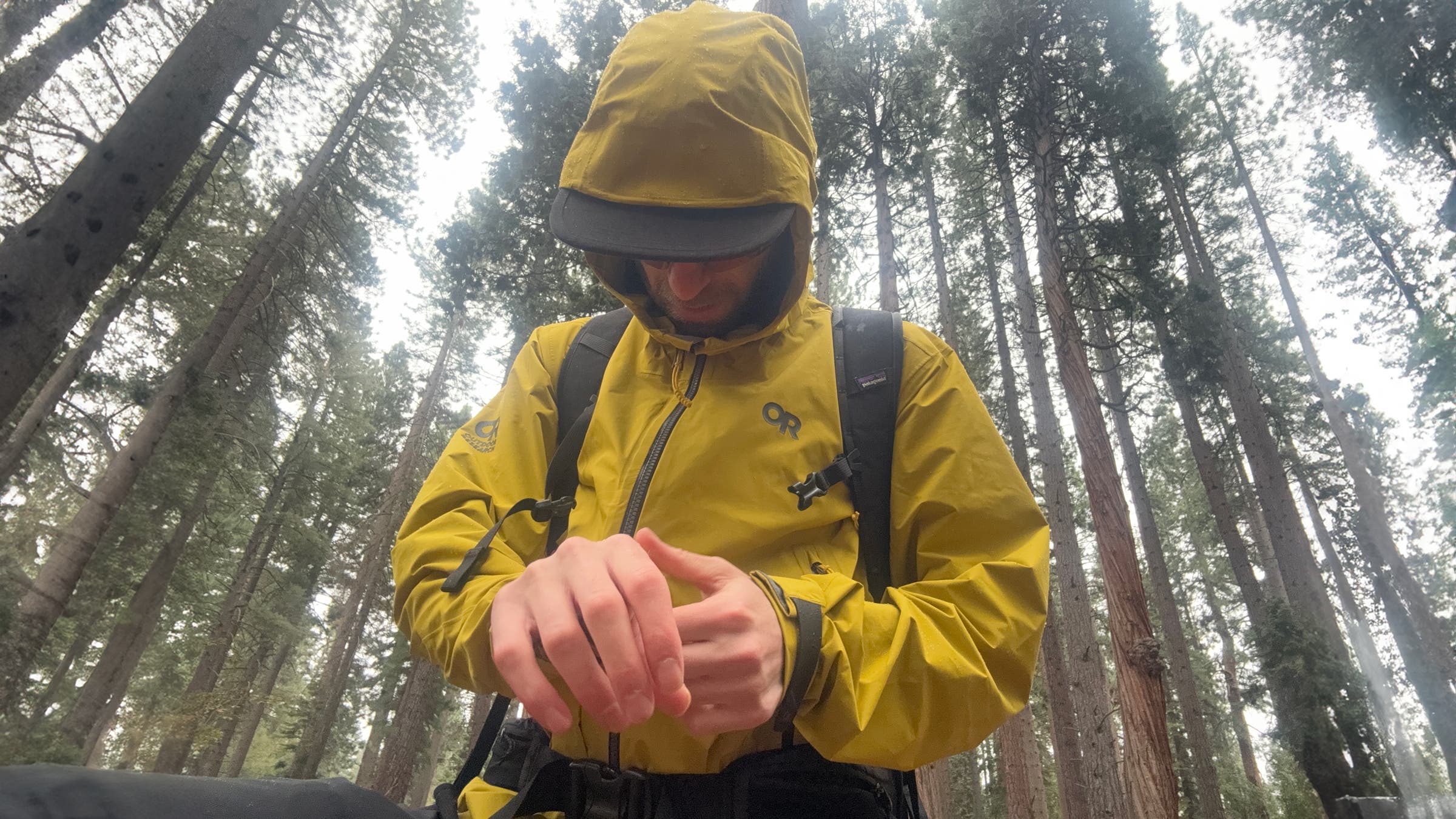
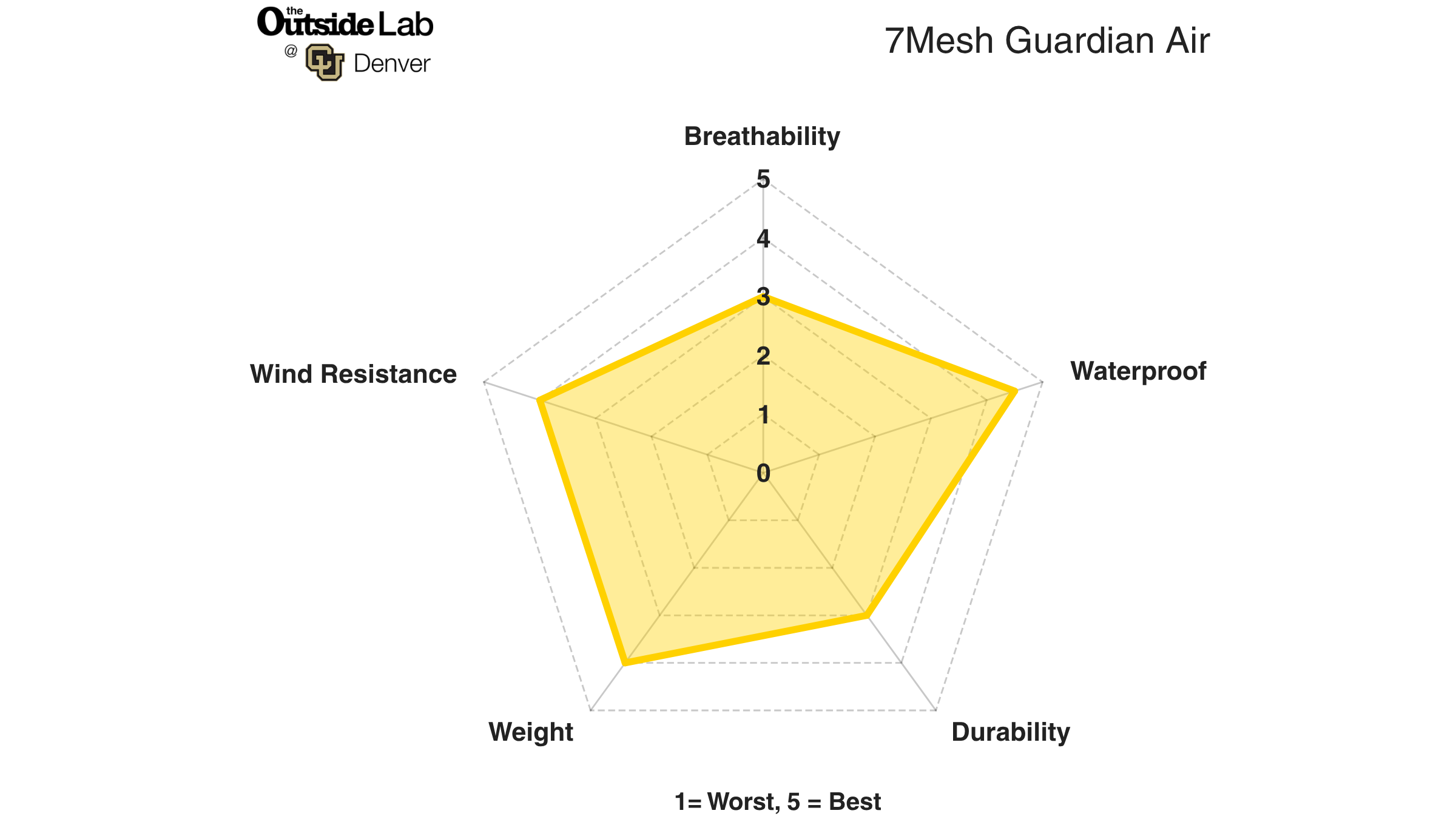
Best Ultralight: 7mesh Guardian Air
Targeted at fast-and-light pursuits, the 7mesh Guardian Air weighs just 7 ounces while incorporating a Gore-Tex ePE membrane sandwiched between a 15-denier ripstop nylon exterior and a C-knit recycled backer. Field testers noted that its extended weatherproofing rivals heavier three-layer hardshells despite the absence of traditional pit zips, relying instead on a two-way front zipper for airflow regulation.
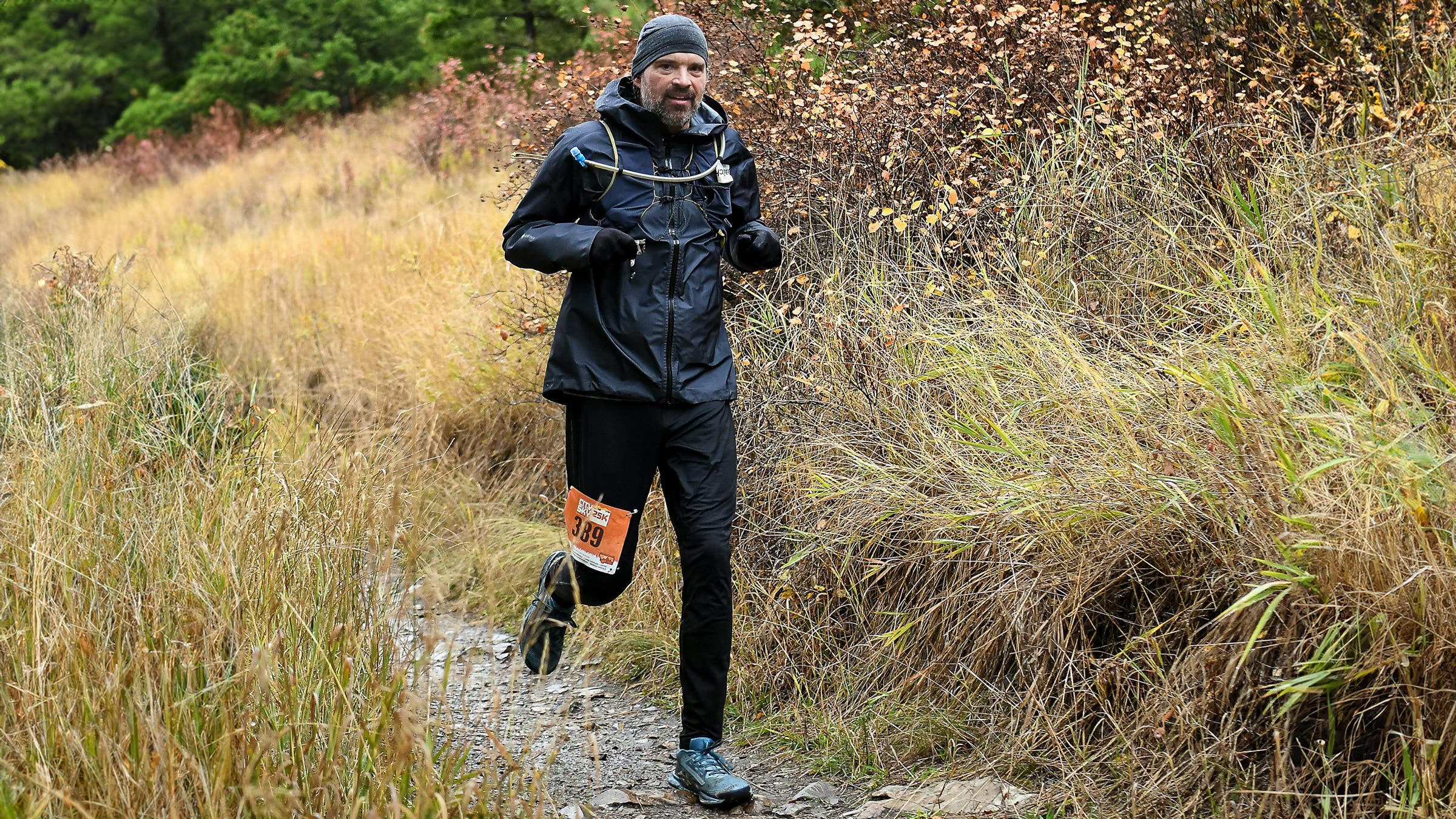
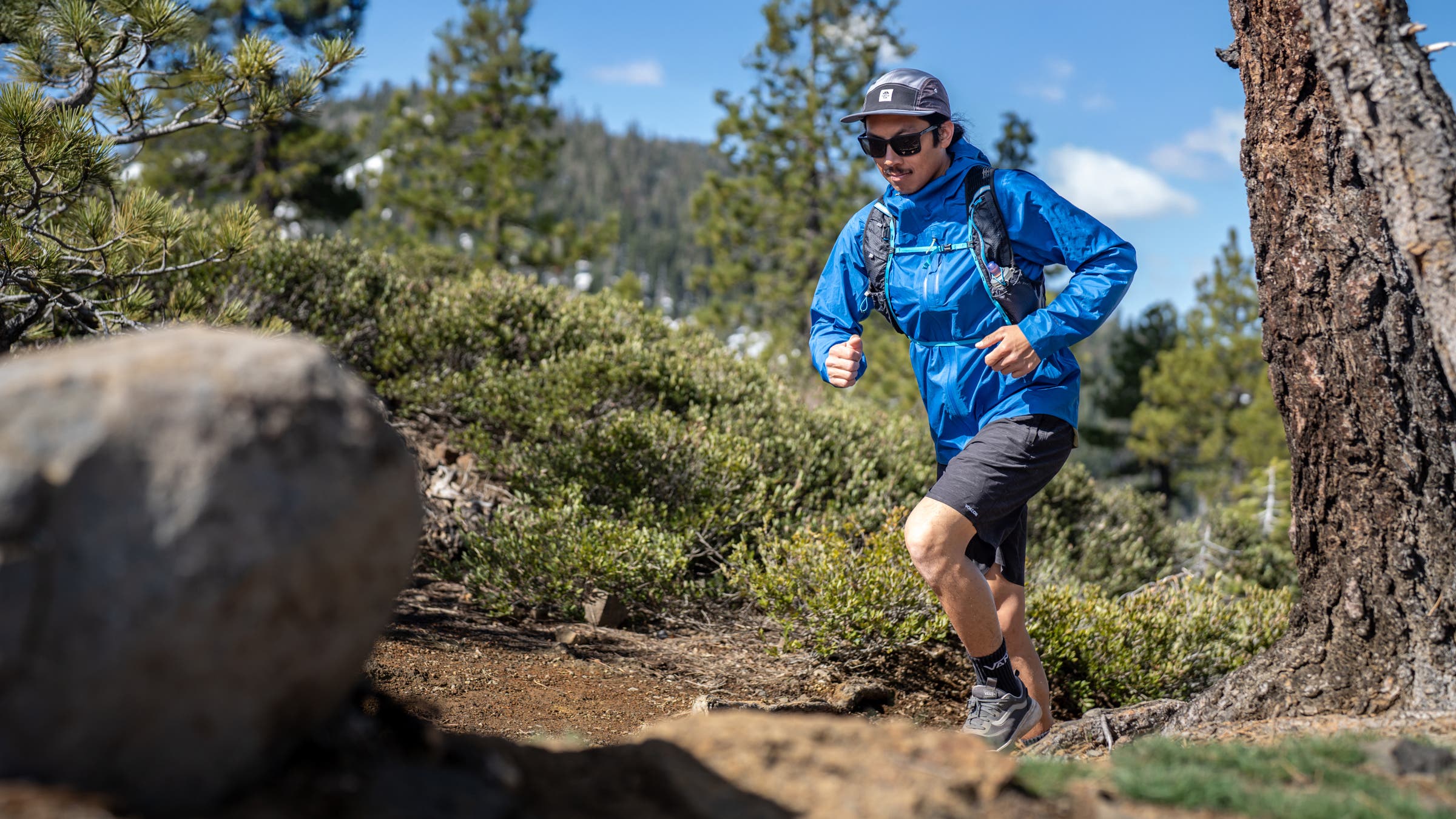
Best for Trail Running: Patagonia Storm Racer
Weighing 7.2 ounces, the Patagonia Storm Racer provides full three-layer protection tailored for high-output runners. Following a redesign featuring a standard front chest zip rather than a dual-zipper vest configuration, the jacket gained versatility for multi-sport applications including gravel biking and fastpacking. Its 20-denier nylon ripstop fabric and H2No membrane successfully balance moisture protection and internal heat management.
Best Heavy-Duty Shell: Montane Alta XT
Built explicitly for extreme alpine environments and year-round professional use, the Montane Alta XT employs a robust 70-denier face fabric and a Gore-Tex ePE laminate supported by a woven microgrid backer. Testers subjected the jacket to severe coastal storms and heavy precipitation during construction work in Southeast Alaska, where it maintained complete internal dryness despite exterior fabric saturation. Though heavy at 15.2 ounces and positioned at a premium price point, it represents maximum structural armor for harsh climates.
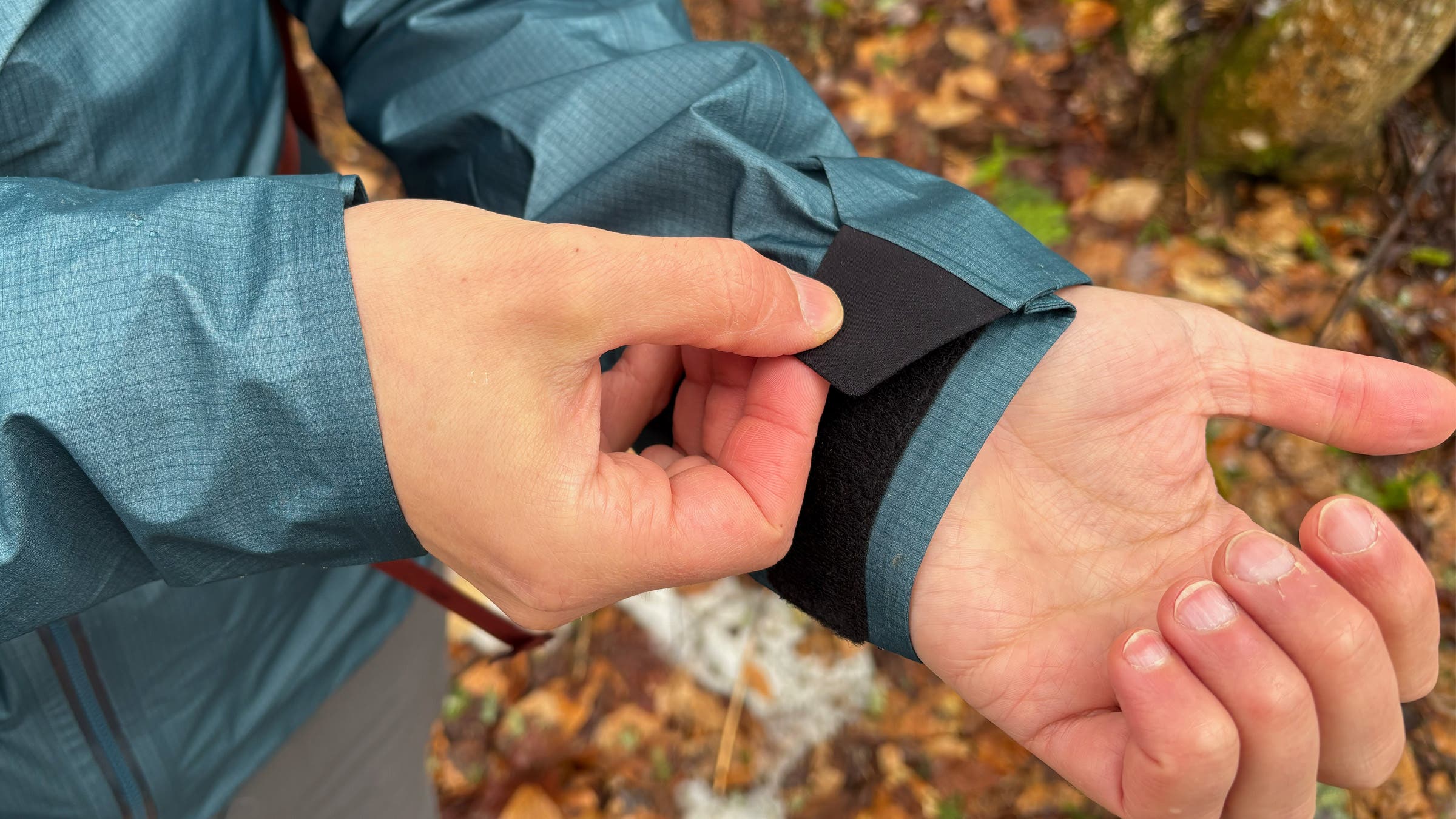
Best Emergency Layer: Montane Featherlite Nano
As a minimalist emergency shell, the Montane Featherlite Nano weighs a mere 1.8 ounces and compresses to the size of a baseball. Utilizing a 10-denier Pertex Quantum recycled nylon fabric, it provides surprise durability and weather resistance during unexpected squalls, though users must forego features such as a hood and chest pockets in exchange for extreme weight savings.
The Engineering Compromises of Modern Shell Technology
Industry analysts and product designers emphasize that manufacturing a rain jacket requires constant balancing among competing physical properties. Consumers evaluating modern outerwear must navigate four primary engineering trade-offs:

- Weight Versus Durability: Ultralight materials reduce physical fatigue during long-distance excursions but inherently lack the dense denier counts required to resist abrasion from sharp rock faces, dense brush, or heavy equipment straps.
- Waterproofness Versus Breathability: While semi-permeable membranes effectively block liquid water droplets from penetrating inward, the physical barrier required to achieve high hydrostatic head ratings often restricts the rapid evaporation of internal sweat vapor.
- Cost Versus Technical Performance: Integrating advanced three-layer laminate constructions, proprietary ePE or PTFE membranes, and fully taped seams involves complex manufacturing processes that elevate retail prices. Budget alternatives frequently utilize 2.5-layer coatings that reduce production costs at the expense of long-term next-to-skin comfort.
- Specialized Design Versus Versatility: Specialized running shells or heavy mountaineering hardshells excel within their specific domains but often lack the modular features required for general, multi-season outdoor recreation.
Laboratory Testing Standards and Analytical Implications

The incorporation of empirical data from the Outside Lab at CU Denver underscores a broader movement within the outdoor gear industry toward standardized, reproducible performance metrics. Laboratory protocols—such as the hydrostatic head pressure test for water column resistance and the Martindale abrasion cycle for mechanical wear—remove subjective bias from product reviews.

The comparative laboratory findings indicate that while premium membranes continue to push the boundaries of extreme weather protection, mid-tier and budget-friendly jackets have narrowed the performance gap significantly. This democratization of technical apparel ensures that consumers at varying price points can access reliable wet-weather protection, provided they align their gear selection with their specific activity level, anticipated meteorological conditions, and personal comfort preferences.