



The snowboarding industry has reached a technical inflection point as the 2026-2027 winter season commences. Following months of rigorous field testing across the diverse alpine landscapes of the Sierra Nevada, the Wasatch Range, and the Rocky Mountains, industry experts have finalized their selections for the most influential boards of the year. This year’s evaluation encompassed over 100 distinct models, with 44 new releases analyzed for their structural integrity, material innovation, and performance versatility. The results highlight a shifting market trend toward hybrid profiles that prioritize both stability at high speeds and the agility required for modern freestyle riding.
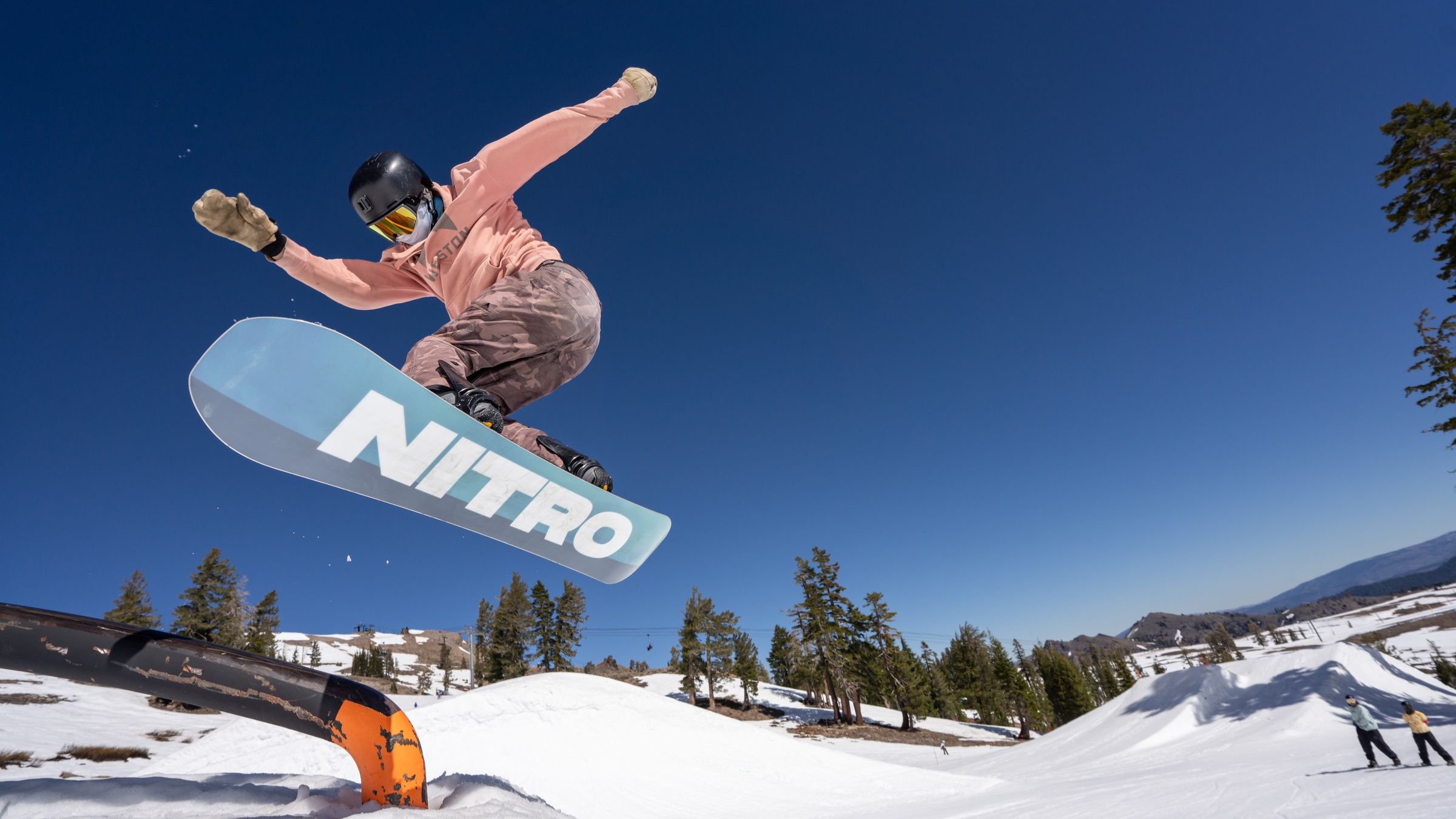
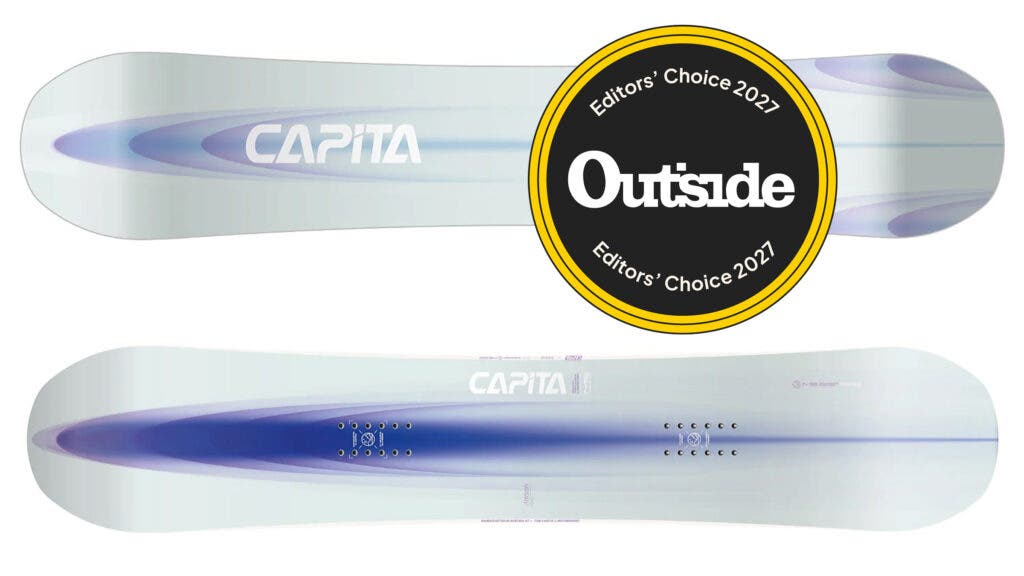
The selection process, overseen by a veteran panel of professional riders and gear specialists, identified the Salomon Highpath as the year’s premier unisex snowboard. In the women’s category, the CAPiTA Artemis emerged as the definitive choice, noted for its high-performance freeride capabilities and capacity for navigating technical terrain.
Chronology of the 2027 Testing Cycle
The testing cycle for the 2027 season began in late spring 2026, as manufacturers finalized prototypes for the upcoming retail year. By July 2026, the evaluation team had compiled a shortlist of 100 boards, focusing on advancements in core materials—specifically the integration of sustainable bamboo stringers, aerospace-grade carbon fiber, and recycled flax laminates.
Throughout August and September, the boards were distributed to regional testers across three major mountain ranges. The testing protocols required each participant to subject the equipment to varying conditions: early-season hardpack, mid-season powder, and high-altitude, variable spring snow. By late October 2026, the final data sets were synthesized, focusing on metrics such as turn initiation, edge hold on ice, and dampening capabilities. This year’s cycle reflects a broader industry movement toward "quiver-killer" designs—boards engineered to perform effectively across multiple disciplines, from backcountry exploration to groomed resort runs.
Performance Analysis and Market Implications
The 2027 season is defined by the integration of sophisticated core profiles. Salomon’s design shift, led by Nils Mindnich, marks a move toward rounded, classic shapes that improve switch-riding performance without sacrificing the float required for deep snow. The engineering data suggests that by swapping traditional cores for lighter, high-modulus materials, manufacturers have effectively increased the "pop" of these boards while maintaining the torsional stiffness necessary for aggressive carving.
Data from the testing phase indicates that the average retail price for high-performance, expert-level snowboards has stabilized between $600 and $850. Despite inflationary pressures on raw materials like fiberglass and sintered base plastics, brands are increasingly focusing on the longevity of the deck. This is evidenced by the inclusion of reinforced sidewalls and more durable, higher-density base materials, which reduce the frequency of necessary repairs for the end user.
Category Leaders and Technical Specifications
For riders evaluating the current market, the following models represent the technical benchmark for the 2027 season:
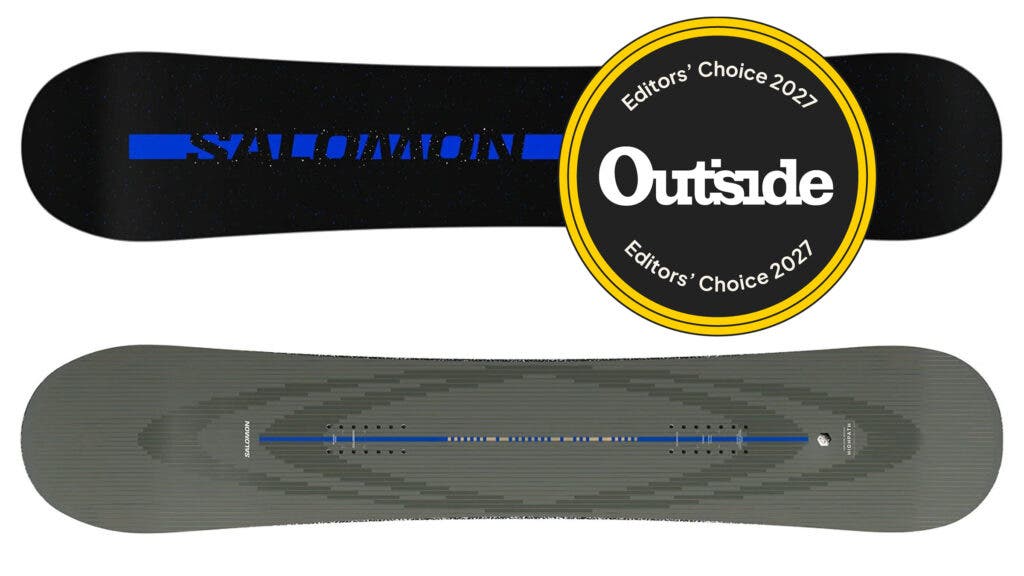
Salomon Highpath: As the recipient of the Editors’ Choice award, the Highpath utilizes a "Rock Out" camber profile. This design combines a raised flat section between the feet with rockered contact points. Technical testing confirms this produces a stable ride that handles high-speed chatter significantly better than the previous year’s model.
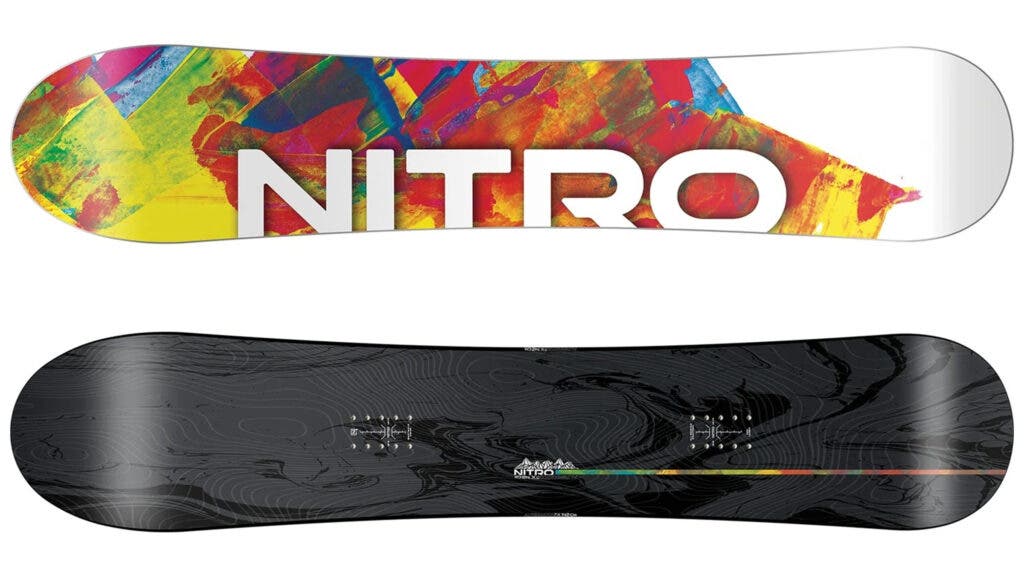
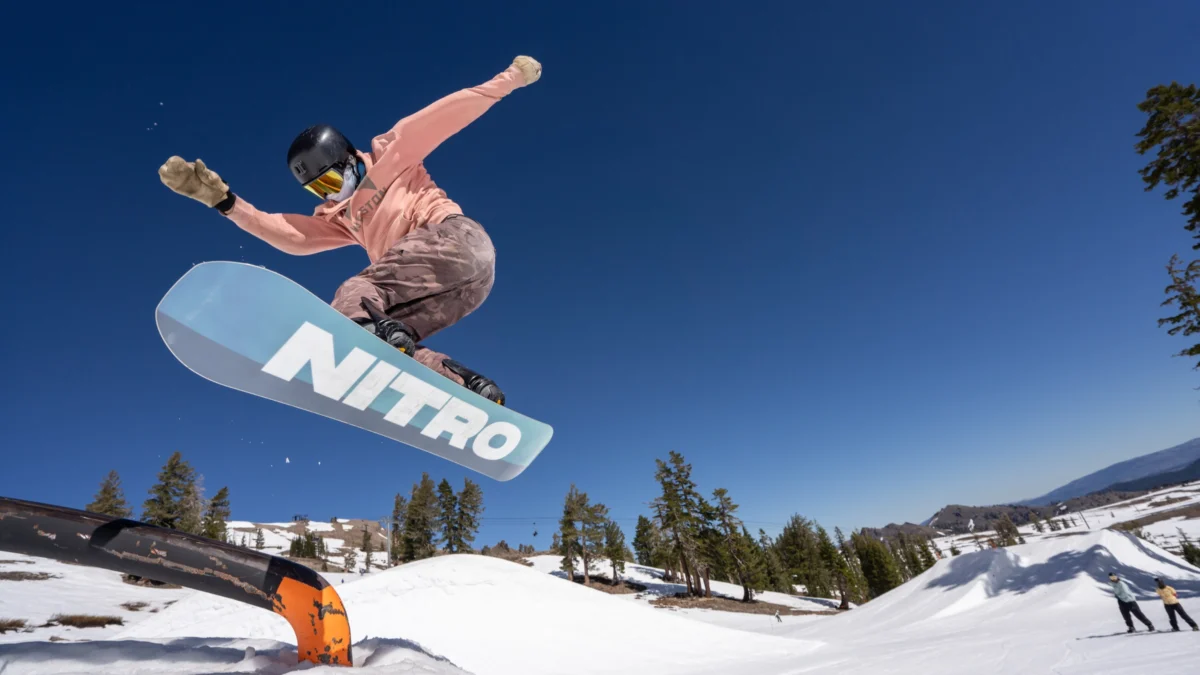
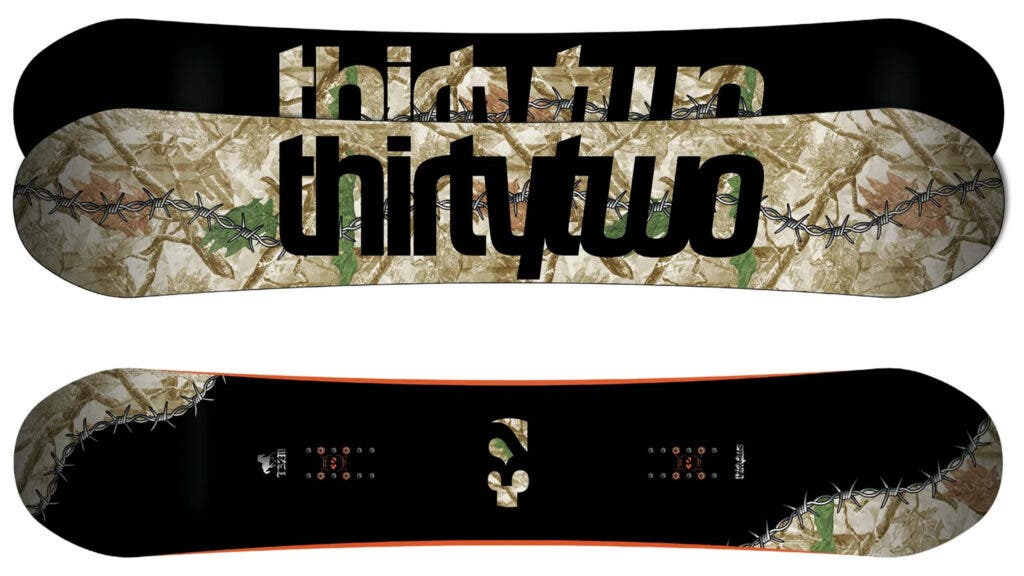
ThirtyTwo T32M: Leading the freestyle category, this board utilizes a camber-dominant profile with flat sections at the nose and tail. This construction is tailored for park riders who prioritize jump stability and high-impact landings over low-speed rail jibbing.
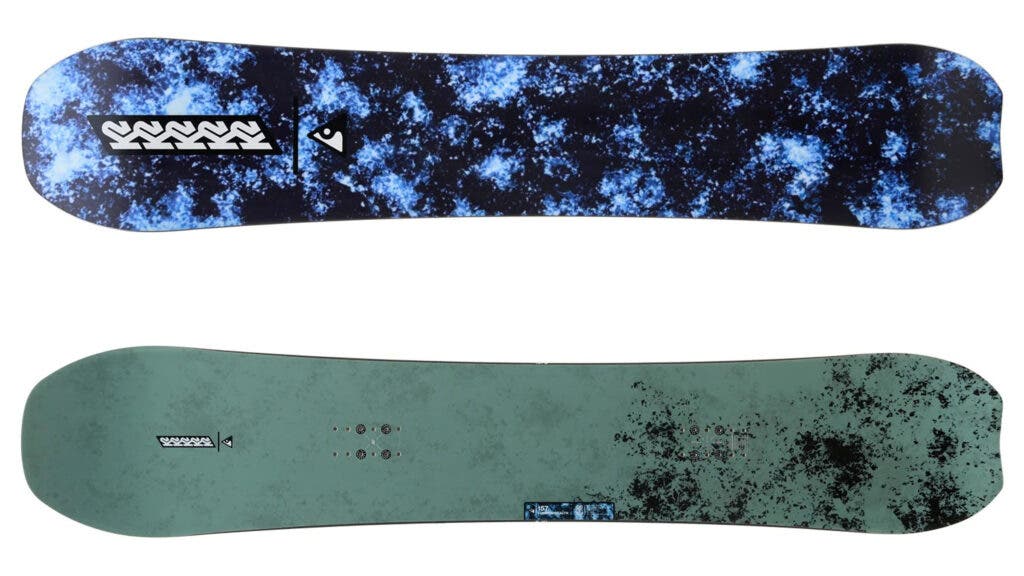
K2 Commonwealth: A standout in the freeride category, the Commonwealth features a full-camber twin profile. By utilizing "Spectral Braid" carbon technology, K2 has managed to create a board that is torsionally stiff yet responsive, bridging the gap between a pure freeride charger and a versatile all-mountain tool.
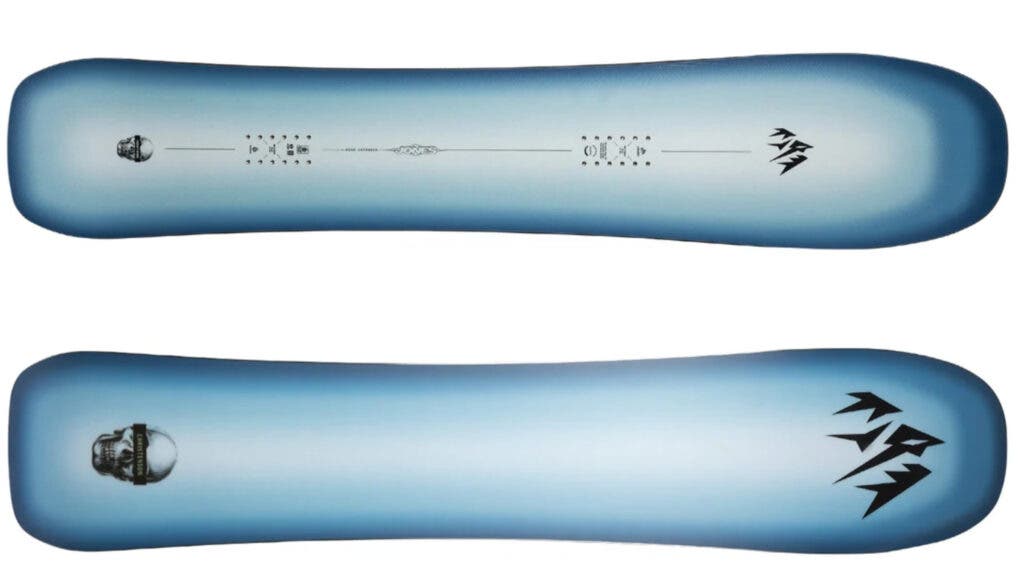
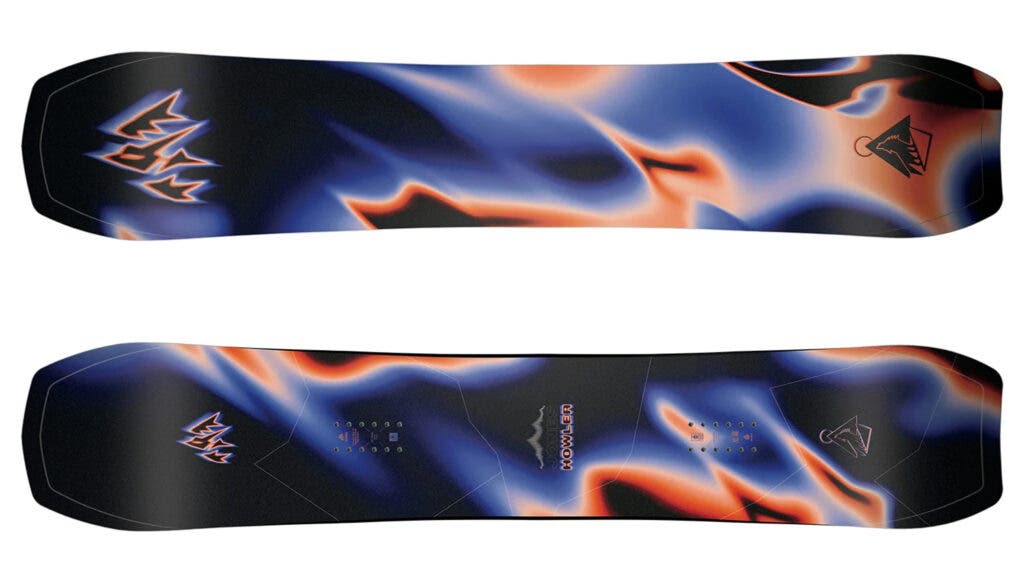
Jones Howler: This board represents the intersection of freeride and freestyle. It is notable for its use of Koroyd inserts—a lightweight, hollow-straw material that dampens vibrations while reducing the overall swing weight of the board.
Strategic Buying Considerations for 2027
Purchasing a snowboard in the current climate requires more than a simple visual assessment. Experts emphasize that riders should prioritize their specific riding environment over aesthetics. A board designed for the deep, dry powder of the Wasatch will perform differently on the icy, high-frequency terrain of the East Coast.
Sizing remains a critical factor that transcends traditional height-to-weight ratios. The modern approach, supported by the test team, focuses on the effective edge—the length of the board that actually contacts the snow during a turn. Riders should look for boards that offer a balance between maneuverability and surface area. For those transitioning from intermediate to advanced, the advice from the testing panel is to seek out boards that offer "progression-oriented" flex patterns—stiff enough to grow into, but forgiving enough to prevent edge-catch on minor errors.
The Role of Gender in Equipment Design
An evolving discourse within the industry concerns the traditional labeling of snowboards as "men’s" or "women’s." While historically these labels were used to differentiate stiffness and waist width, the 2027 season shows a marked shift toward unisex design. Many of the top-rated boards this year were categorized as unisex, reflecting an industry-wide recognition that performance requirements are dictated by weight, foot size, and riding style rather than gender. The inclusion of more unisex options is expected to continue as a primary trend for the 2028 manufacturing cycle.
Official Industry Outlook
Representatives from major manufacturers have indicated that the 2027 product line is the result of a concerted effort to address the "one-board-for-all" demand. By utilizing more complex CAD modeling and finite element analysis, engineers are producing boards that can adapt to different terrain types without requiring the rider to adjust their stance or equipment mid-run.
The environmental impact of these manufacturing processes has also become a focal point for official responses from companies like CAPiTA and Jones. Many of the 2027 models now utilize Forest Stewardship Council (FSC)-certified wood cores and water-based, non-toxic glues. This shift in production philosophy serves as a direct response to the snowboarding community’s growing demand for sustainable hardware that does not compromise on performance.
Conclusion: Future Projections
As the 2027 season progresses, the consensus among professional testers is that the gear currently available represents the most versatile and durable hardware ever produced. The focus has moved away from hyper-specialization and toward the development of boards that inspire confidence in riders of varying skill levels.
For the average consumer, the path forward is clear: demo as many boards as possible before committing to a purchase. With the sheer variety of camber profiles and core constructions available, the "magic" board is rarely found on a spec sheet alone; it is found through the tangible experience of time spent on the mountain. As the industry looks toward the next winter, the 2027 testing results serve as a foundational guide for navigating an increasingly complex and high-performing market.