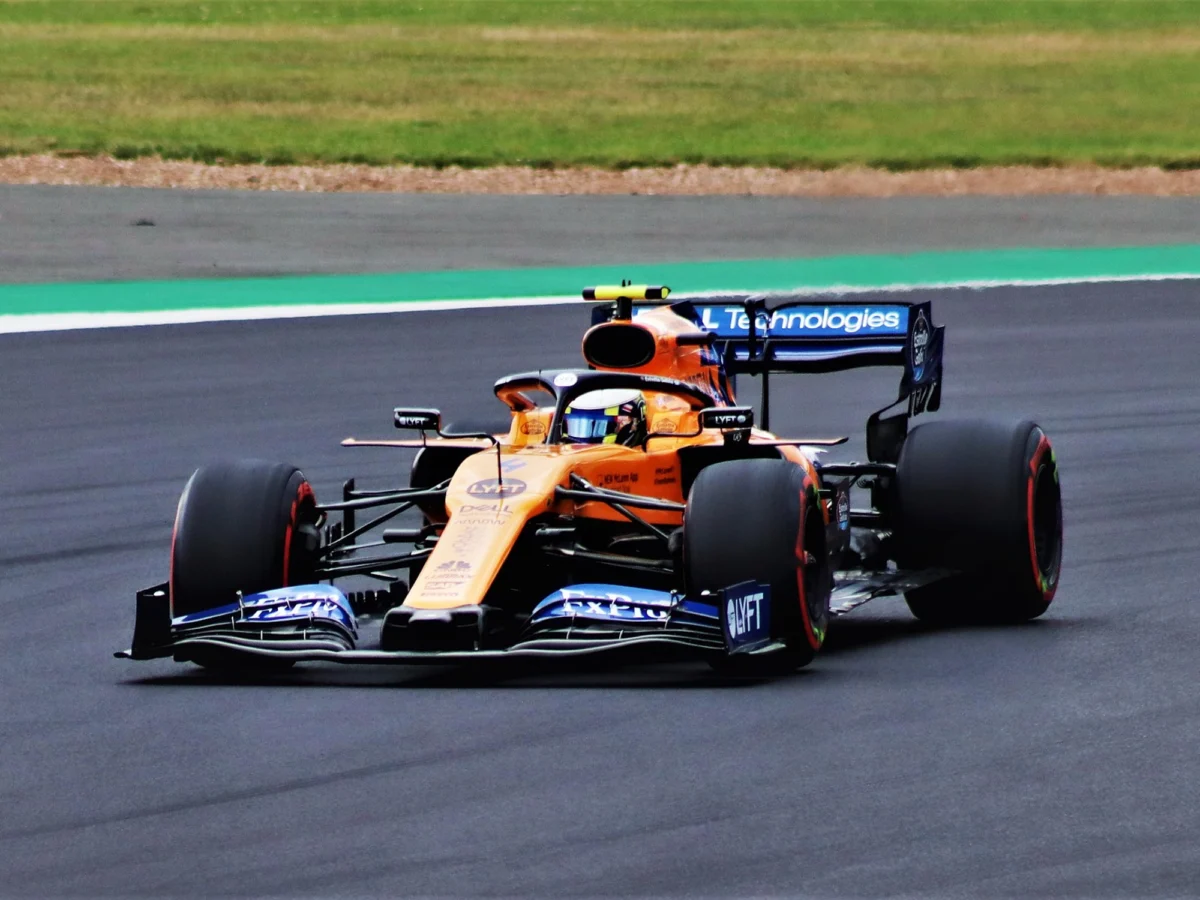
Formula 1 serves as the pinnacle of global motorsport, a multi-billion-dollar laboratory where the world’s most advanced automotive engineers push the boundaries of thermodynamics, aerodynamics, and energy management. While a standard passenger vehicle, such as a mid-range SUV, typically operates with between 100 and 250 horsepower, the machines gracing an F1 starting grid operate in an entirely different dimension of performance. These vehicles are not merely cars; they are highly complex, hyper-efficient energy systems designed to extract maximum output from a 1.6-liter turbocharged internal combustion engine (ICE) coupled with sophisticated hybrid recovery units.
The Anatomy of the 2026 Power Unit
At the heart of the current and upcoming F1 regulations is the 1.6-liter turbocharged hybrid V6. This configuration is mandated by the FIA to maintain a balance between extreme performance and modern sustainability standards. The current power unit architecture is split between the ICE, which provides the bulk of the consistent drive, and the Energy Recovery Systems (ERS).

The ICE contributes approximately 830 to 850 horsepower under normal operating conditions. However, the true ingenuity lies in the two-part recovery system: the Motor Generator Unit-Heat (MGU-H) and the Motor Generator Unit-Kinetic (MGU-K). These systems harvest energy that would otherwise be lost as heat or kinetic friction during braking and deceleration. This energy is stored in a battery pack and deployed via the MGU-K to provide an additional 160 horsepower.
In total, a driver has access to approximately 1,000 horsepower during high-demand scenarios, such as the "overtake mode" used to facilitate passing on straights. This electrical boost is capped at roughly 33 seconds of total deployment per lap, forcing drivers and their race engineers to make strategic decisions on when to utilize the power for maximum tactical advantage.
Chronology of Hybrid Dominance
The shift toward high-performance hybrid technology began in earnest in 2014, marking the start of the "Turbo-Hybrid Era." Prior to this, F1 utilized naturally aspirated V8 engines. The transition was controversial at the time due to the change in exhaust note, but it heralded a new age of thermal efficiency.

- 2014–2021: The introduction of the MGU-K and MGU-H units transformed F1 engines into the most efficient internal combustion power plants on the planet, with thermal efficiency ratings exceeding 50%.
- 2022–2025: Regulations focused on standardizing chassis components and introducing the ground-effect aerodynamic package, which shifted the focus from raw engine power to mechanical grip and downforce.
- 2026 and Beyond: The sport is currently moving toward a more balanced power split. The 2026 regulations will see an increase in electrical dependency, signaling the sport’s commitment to relevance in the wider automotive market, where electrification is the primary driver of research and development.
Comparative Analysis: F1 vs. Global Racing Series
To understand the magnitude of F1 power, one must look at how it compares to other top-tier racing disciplines. The IndyCar series, a primary rival in the open-wheel space, utilizes a twin-turbocharged V6 that produces roughly 725 to 800 horsepower depending on the push-to-pass settings. NASCAR’s Cup Series, while relying on larger displacement V8 engines, delivers approximately 670 horsepower, though their reliance on high-downforce, high-drag bodies creates a different set of mechanical challenges compared to the sleek, agile nature of an F1 car.
Hypercars from manufacturers like Bugatti or Rimac may boast output figures exceeding 1,500 horsepower, but these figures are deceptive. In a road-legal car, massive horsepower is often intended for straight-line speed. In contrast, an F1 car must manage that power while navigating high-speed corners where the car generates several times its own weight in downforce. The interplay between the tires—supplied by Pirelli—and the aerodynamic wings is the limiting factor. If a driver were to apply the full 1,000 horsepower at a standstill without the benefit of aerodynamic downforce, the tires would lose traction immediately, rendering the power useless.
The Financial and Regulatory Framework
The development of these engines is governed by the FIA’s stringent financial regulations. To ensure the sport remains competitive, the FIA enforces a cost cap on team operations. While engine manufacturers—including Mercedes, Ferrari, Honda, Red Bull-Ford, and Audi—invest hundreds of millions into R&D, the spending cap prevents the wealthiest teams from simply out-spending their rivals to gain a performance advantage.

Crucially, driver salaries remain outside these financial caps. This separation ensures that while the machines are designed to be near-identical in potential, the "human element"—the driver’s ability to manage tire degradation, fuel load, and energy deployment—remains the deciding factor in race outcomes. As one senior FIA official recently noted, "The goal of these regulations is to ensure that the car provides the canvas, but the driver provides the art."
Looking Ahead: The 2027 and 2028 Evolution
The landscape of F1 power units is set for significant changes in the next three years. The governing body has approved a transition away from the current 50/50 power split between the ICE and the electric hybrid systems. By 2027, the ratio will shift to a 58/42 split, and by 2028, it will reach 60/40.
These adjustments are designed to minimize the "lift-and-coast" driving style, a byproduct of current fuel-flow regulations where drivers must conserve energy to reach the finish line. By increasing the maximum ICE power—moving from 400kW in 2026 to 450kW by 2028—and adjusting fuel-flow limits, the FIA aims to allow drivers to push harder for longer periods.

Furthermore, the expansion of the energy harvesting capabilities of the MGU-K to 400kW by 2028 suggests that the sport is moving toward a future where the electric portion of the powertrain is not just an assist, but a primary contributor to the car’s overall pace. The relaxation of component limits—allowing for four sets of ICEs, turbochargers, and exhaust systems per season—provides teams with greater operational flexibility, which is expected to reduce the incidence of mechanical failures that have historically plagued the hybrid era.
Broader Implications for the Automotive Industry
The technological trickle-down effect of these regulations cannot be overstated. The research into energy recovery systems, battery density, and high-efficiency turbocharging in F1 directly influences the development of next-generation commercial hybrid vehicles. By forcing manufacturers to extract 1,000 horsepower from a 1.6-liter engine while maintaining reliability over thousands of race kilometers, F1 acts as a high-speed R&D facility.
The implications for the fan experience are equally significant. As the cars become more reliant on electric deployment, the strategies surrounding "overtake mode" and energy management have become central to the race broadcast. Fans are no longer just watching a race; they are witnessing a real-time management exercise where every joule of energy counts.

As F1 enters this next phase, the focus remains on the synthesis of power and precision. The 1,000-horsepower threshold is more than just a number; it is a testament to the engineering prowess of the modern era. Whether through the roar of the V6 or the silent efficiency of the electric motor, the sport continues to define the absolute ceiling of what is possible on four wheels. The 2026 and 2027 updates will undoubtedly cement this legacy, ensuring that Formula 1 remains the ultimate benchmark for performance, efficiency, and human skill in the automotive world.