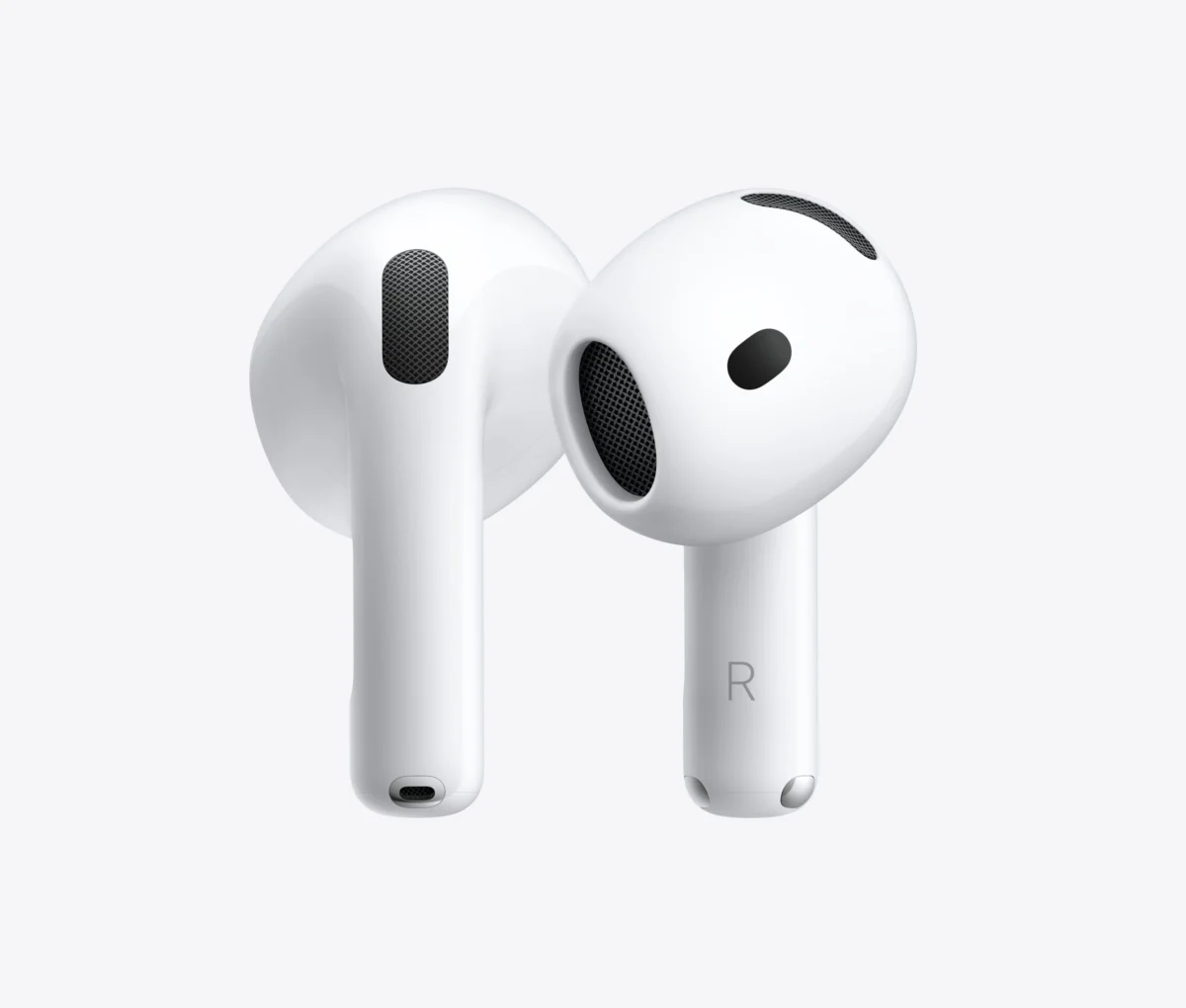
Apple has officially unveiled the AirPods 5, marking a significant evolution in the company’s wireless audio lineup by introducing Active Noise Cancellation (ANC) to an open-ear design for the first time. This launch represents a strategic shift in Apple’s hardware roadmap, bridging the gap between the premium, sealed-fit AirPods Pro and the standard open-fit models. By integrating sophisticated acoustic engineering with the deep computational power of Apple Intelligence, the Cupertino-based tech giant is positioning the AirPods 5 as a primary interface for its broader AI ecosystem.
Evolution of the AirPods Series: A Brief Chronology
To understand the magnitude of the AirPods 5 launch, one must look at the rapid maturation of Apple’s audio division. Since the original AirPods debuted in December 2016, they have evolved from a divisive novelty into an industry-standard peripheral. The second generation, released in 2019, brought hands-free "Hey Siri" functionality and a wireless charging case. The third generation, launched in 2021, introduced a redesigned contour and support for spatial audio, cementing the "open-ear" aesthetic as a preferred choice for users who dislike the pressure sensation of silicone ear tips.
The AirPods Pro line, meanwhile, has served as the testbed for advanced noise management. The original Pro (2019) introduced ANC, while the second-generation Pro (2022) refined this with the H2 chip. The AirPods 5 now effectively "democratizes" these premium features, bringing the H2-powered processing and sophisticated acoustic architecture of the Pro series into a more accessible, open-ear form factor. This release is the culmination of three years of research into multi-port acoustics, allowing for the first effective application of ANC in a design that does not create a physical seal in the ear canal.

Acoustic Engineering and Noise Reduction Performance
The core engineering breakthrough of the AirPods 5 lies in its multi-port acoustic architecture. In traditional earbud design, noise cancellation relies on creating a vacuum seal to physically block high-frequency noise. The AirPods 5 bypasses this requirement through a combination of hardware and software. By utilizing an advanced microphone array and custom-designed vent ports, the earbuds can effectively neutralize ambient noise—specifically in the low-to-mid frequency range—with 50% greater efficiency than previous non-Pro models.
The device features a next-generation Adaptive EQ system that continuously monitors the fit and the listener’s ear canal geometry. By adjusting frequencies in real-time, the system ensures that the audio signature remains consistent regardless of the user’s movement or the ambient environment. Furthermore, the inclusion of Personalized Spatial Audio allows the device to map the user’s ear shape, creating a bespoke, three-dimensional soundscape that mimics a professional studio environment. Transparency Mode has also seen a significant overhaul, with new digital processing that reduces "hiss" and creates a more natural, lifelike pass-through experience, effectively blurring the lines between the digital and physical worlds.
The Integration of Apple Intelligence
Perhaps the most transformative aspect of the AirPods 5 is the seamless integration with Apple Intelligence. By offloading complex processing to the on-device H2 chip and tethered Apple devices, the earbuds have become a hub for real-time computational tasks. One of the standout features is the live language translation capability. Users can engage in conversations with non-native speakers, with the earbuds providing near-instantaneous translation directly into the user’s ear. This feature leverages the neural engine within the AirPods to minimize latency, a critical requirement for natural discourse.
In addition to translation, the AirPods 5 introduce advanced "Siri AI" interactions. Beyond traditional voice commands, the earbuds now utilize motion sensors to enable hands-free head gestures. Users can nod to accept an incoming call or shake their head to dismiss a notification. This interaction model is designed to facilitate "heads-up" technology use, allowing users to remain engaged with their physical environment while managing digital interactions—a core tenet of Apple’s current design philosophy.

Battery Performance and Sustainability Metrics
The engineering challenge of packing ANC, AI-processing, and high-fidelity drivers into a compact, open-ear chassis has not compromised the device’s battery life. The AirPods 5 provide up to 5 hours of continuous playback with Active Noise Cancellation enabled. With the inclusion of the charging case, which utilizes an optimized energy-management circuit, the total listening time extends to 22 hours.
Apple has also doubled down on its environmental commitments with this iteration. The construction of the AirPods 5 incorporates 40% recycled materials, including 100% recycled gold in the plating of the charging case and 100% recycled rare earth elements in the magnets. The packaging is entirely fiber-based, continuing Apple’s trajectory toward removing plastic from its product boxes by 2025. These metrics are part of the company’s "Apple 2030" initiative, which aims to make every product in its lineup carbon neutral.
Market Implications and Industry Context
Industry analysts observe that the launch of the AirPods 5 signals a tactical shift in the wearable market. By providing ANC in an open-ear design, Apple is directly addressing the primary complaint of users who find in-ear silicone tips uncomfortable or obstructive. This move is likely to capture a broader demographic, ranging from office workers who need to remain aware of their surroundings to commuters who demand a lighter, less intrusive listening experience.
The integration of Apple Intelligence into the hardware also suggests that Apple is moving away from the "headphone as a playback device" model toward the "headphone as an intelligent assistant" model. By making the earbuds the primary gateway for real-time translation and hands-free notifications, Apple is attempting to solidify its ecosystem lock-in. If the AirPods 5 can successfully handle complex tasks that previously required looking at a smartphone screen, the value proposition of the device increases significantly.

Pricing, Availability, and Consumer Response
Apple has confirmed that the AirPods 5 will be available in two primary hardware configurations, catering to different connectivity and storage requirements. While specific regional pricing may fluctuate based on local taxes and import duties, the base model is positioned to compete directly with mid-to-high-end wireless audio solutions from competitors like Sony, Bose, and Samsung.
Preorders for the device opened immediately following the announcement, with the global rollout scheduled for September 18. The launch will span over 65 countries, reflecting the company’s massive supply chain scale. Initial feedback from tech reviewers who had early access to the hardware has focused on the surprising efficacy of the ANC, with many noting that while it does not match the total isolation of the AirPods Pro 2, it is a "game-changer" for the comfort-focused user.
Strategic Outlook
As the wearables market reaches a state of saturation, companies are increasingly forced to innovate through software and AI rather than purely acoustic hardware. The AirPods 5 represent the first time that an Apple audio product has been explicitly marketed as a vessel for "Apple Intelligence." This suggests that future software updates will likely unlock additional features, such as advanced audio filtering for specific environments or even more granular control over notification filtering based on context-aware AI.
The success of the AirPods 5 will ultimately depend on the accuracy of its on-device translation and the reliability of its motion-gesture controls. If the user experience proves to be intuitive and the "open-ear" ANC meets the expectations set by Apple’s marketing, the AirPods 5 could well become the most successful product in the line’s history. For now, the tech community is watching closely to see how the market reacts to the fusion of high-fidelity audio and generative AI in a wearable format. The shift towards hands-free interaction, combined with the removal of physical barriers to comfort, confirms that Apple is prioritizing a frictionless user experience as it navigates the next frontier of personal computing.