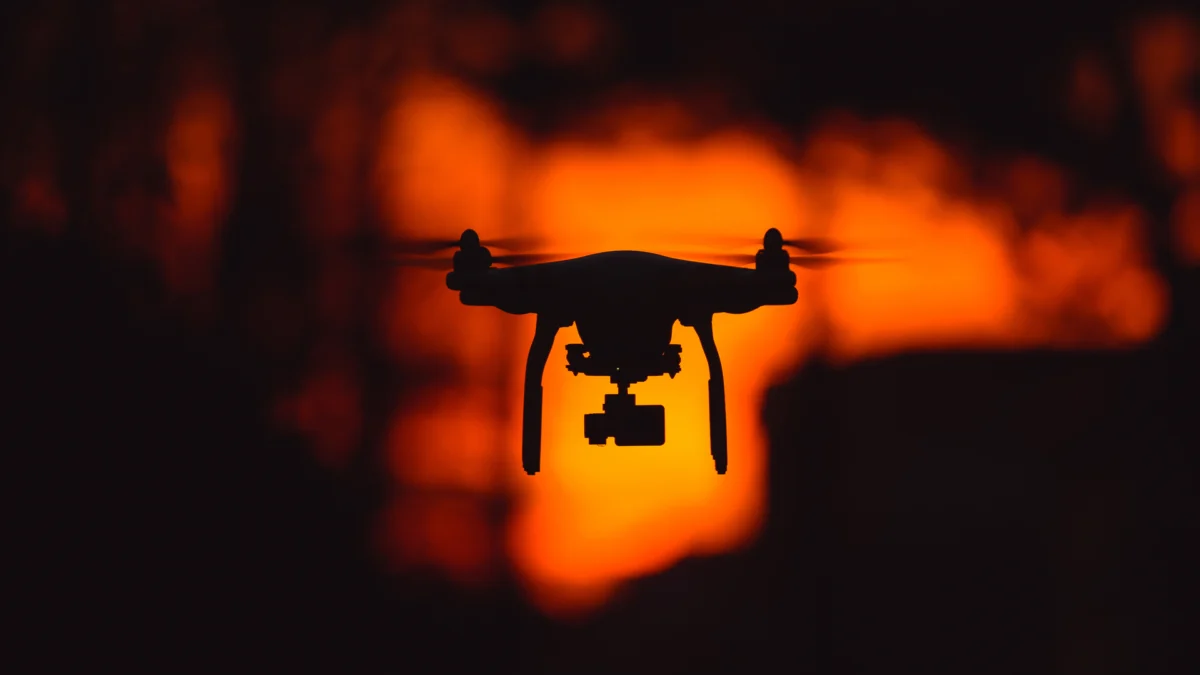
The landscape of modern warfare shifted significantly in January 2026 over a snow-covered test range in Sweden, where a small military drone successfully identified, prioritized, and neutralized a high-value ground target entirely without human intervention. During the demonstration, the unmanned aerial vehicle scanned multiple objects, independently ranked an armored engineering vehicle as its primary target, executed a precise flight path directly toward it, and dropped an explosive payload to complete the mission.
This end-to-end execution—covering target selection, tactical decision-making, and terminal engagement—occurred without real-time human oversight or a continuous data link to a remote operator. The milestone test highlights a massive technological leap in autonomous combat capabilities, but it has simultaneously intensified global anxiety regarding the ethics, safety, and regulation of lethal autonomous weapons systems (LAWS).
The Genesis of the ALMA Program and AI Integration
The groundbreaking flight was conducted under the Affordable Loitering Modular Ammunition (ALMA) program, spearheaded by defense contractor BAE Systems Bofors. To achieve the high level of autonomy required for the test, the airframe was integrated with specialized onboard artificial intelligence developed by Scaleout Systems, a technology startup headquartered in Uppsala, Sweden.
During the initial phases of the development cycle, Scaleout Systems tested the AI architecture with a human pilot on standby, maintaining a continuous communication link throughout the trial runs. In these foundational phases, the drone utilized its onboard computer vision and machine learning algorithms to autonomously detect, identify, and geolocate potential threats in real time.
However, the January 2026 demonstration pushed past traditional remote-piloted or human-in-the-loop paradigms. By cutting off the reliance on external data links during the final phase of the exercise, the drone demonstrated that artificial intelligence can successfully manage complex target prioritization and engagement loops locally on a small airframe. This capability effectively solves one of the primary vulnerabilities of modern drones: their susceptibility to electronic jamming and signal interception.
A Double-Edged Sword for Modern Militaries
The implications of fully autonomous, jam-resistant loitering munitions present a profound paradox for military strategists and defense analysts worldwide.
From a tactical perspective, an autonomous drone that can operate independently of a command-and-control uplink represents an immense operational advantage. Conventional drones rely heavily on radio frequencies, satellite communications, or fiber-optic cables to receive commands and transmit video feeds. In high-intensity conflict zones, electronic warfare (EW) units routinely jam these frequencies, blinding operators and causing drones to miss their targets or crash harmlessly. An AI-guided munition that can independently recognize silhouettes, verify target classifications, and execute strikes without external inputs is virtually immune to standard electronic countermeasures.
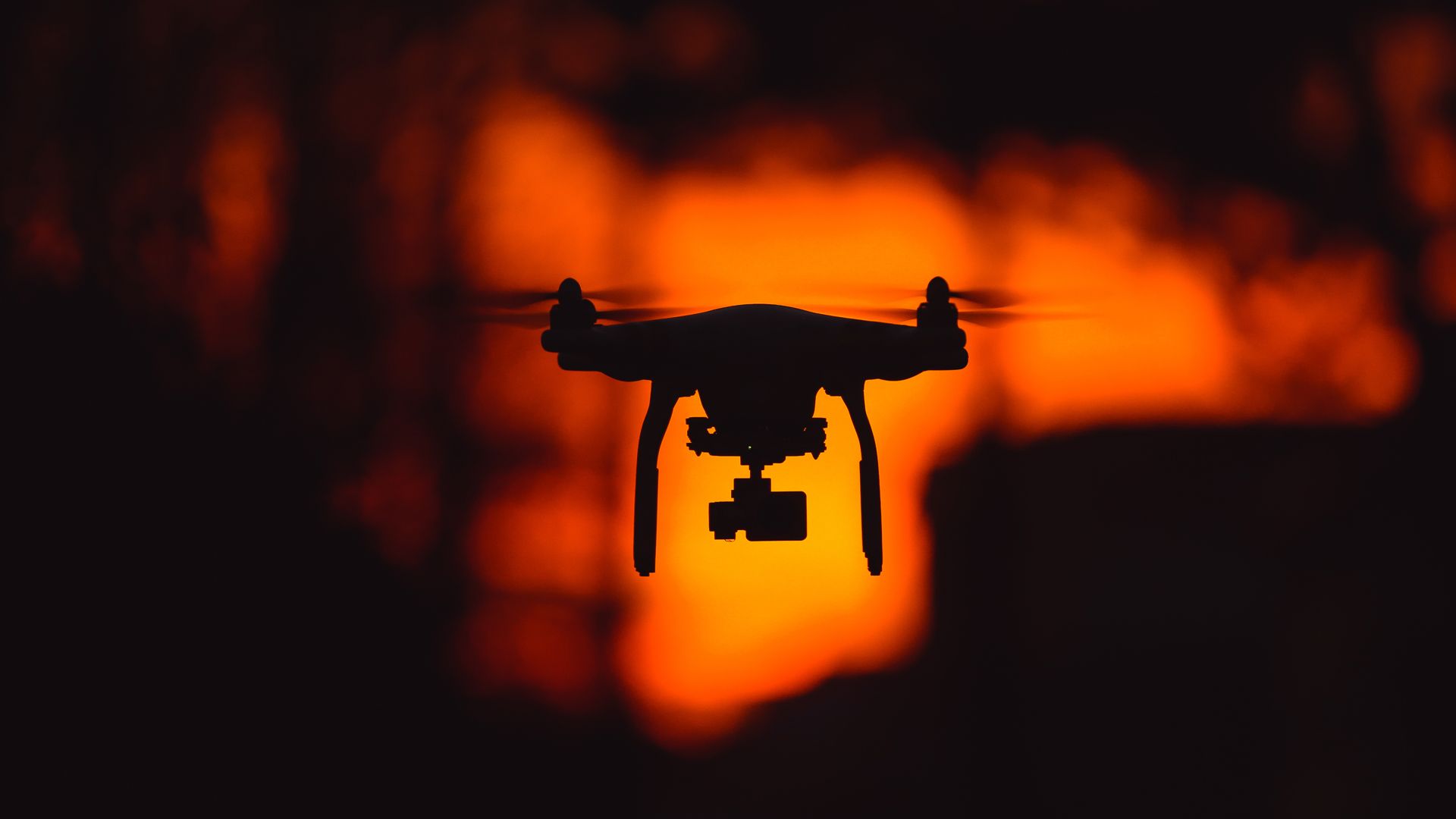
Conversely, this exact capability introduces unprecedented strategic and operational risks. When a weapon system is entirely cut off from human communication, the potential for catastrophic failure multiplies. If the AI suffers a software malfunction, misinterprets civilian infrastructure as a military target, or encounters an ambiguous scenario, there is no remote operator available to abort the mission. The complete removal of human judgment from the terminal phase of an attack has transformed what was once a tool of precision into a subject of intense ethical debate.
The Karlskoga Winter Demo 2026: Official Stance and Industry Context
Curiously, BAE Systems Bofors adopted a remarkably restrained public relations approach regarding the lethal aspect of the demonstration. In official press releases and summaries concerning the Winter Demo 2026 event held in Karlskoga, the company omitted explicit mentions of the successful strike. Instead, the three-day defense technology showcase was framed broadly around collaboration, highlighting roughly 20 startups and technology firms working on modular defense solutions.
The event drew high-level political attention, including Swedish Defense Minister Pål Jonson, who participated in a panel discussion during the summit. Emphasizing the shifting geopolitical climate in Northern Europe, Jonson remarked, "We need more actors and entrepreneurs in the defense industry," signaling Sweden’s eagerness to integrate agile, tech-forward commercial innovations into its national defense infrastructure.
While the end-game strike was fully autonomous, defense analysts note that the operation still required foundational human involvement. Human operators pushed the initial launch button, established the operational parameters, and defined the mission boundaries before the drone took flight. Furthermore, historical precedents for autonomous targeting do exist; military systems like Israel’s Harpy loitering munition, which has been fielded since the 1990s, have long possessed the capability to autonomously detect and attack radar emitters whose exact coordinates were unknown at launch. However, the integration of advanced machine learning models capable of distinguishing between complex armored vehicles and ranking them by tactical value represents a generational leap beyond older, rule-based systems.
Global Diplomacy and the Regulatory Battleground
The timing of the Swedish demonstration has proved acutely awkward for international diplomats and regulatory bodies attempting to establish global norms for military artificial intelligence.
Just months prior, on September 5, 2026, representatives from the 128 state parties participating in the Convention on Certain Conventional Weapons (CCW) in Geneva reached an agreement on a non-binding text addressing lethal autonomous weapons. The diplomatic breakthrough followed contentious negotiations characterized by last-minute interventions and opposition from major military powers, notably the United States and Russia. These late-stage diplomatic maneuvers successfully watered down specific provisions concerning human judgment and control over weapon systems.
Human rights organizations and advocacy groups expressed profound disappointment over the diluted outcome of the Geneva talks. Nicole van Rooijen of the campaign group Stop Killer Robots told Reuters that three years of meticulous international labor had been "substantially diluted in the last hours" of the conference.
The divergence between rapid technological advancement and sluggish international regulation highlights a widening governance gap. While international bodies struggle to define legally binding restrictions on autonomous combat systems, defense startups and established contractors are rapidly operationalizing the technology.
The Escalating Trend of Battlefield Autonomy
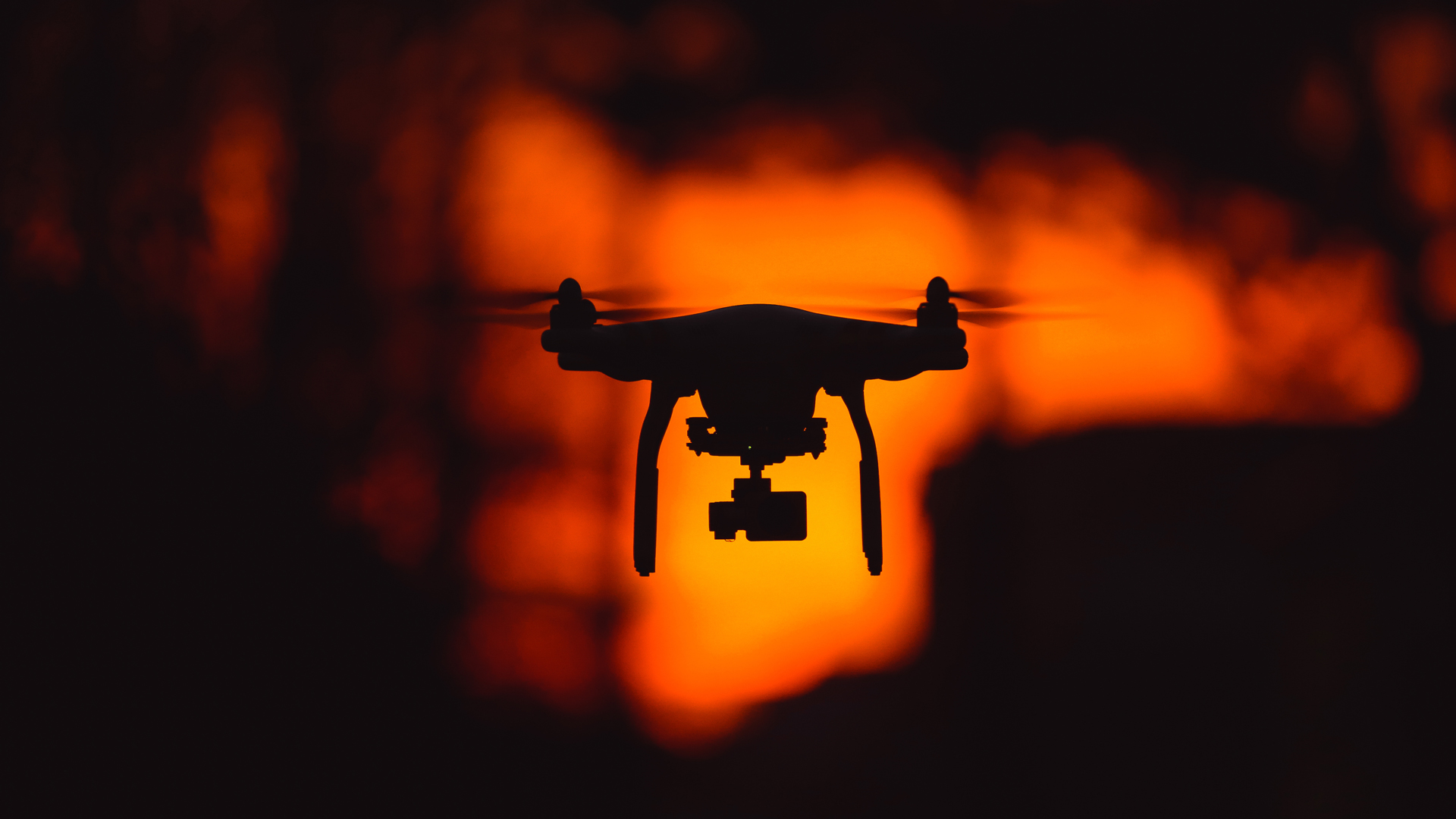
The success of the ALMA program tests aligns with a broader, accelerated shift toward unmanned and autonomous systems in active global conflicts. The ongoing war in Ukraine has served as a massive, real-world laboratory for drone technology, pushing both state militaries and non-state actors to innovate at unprecedented speeds.
Notably, the conflict has already witnessed the world’s first documented battle between two autonomous naval drones, won by Ukraine via a remote weapon turret salvo, underscoring how rapidly robotic warfare is evolving across all military domains. As artificial intelligence becomes cheaper, more resilient, and easier to integrate into smaller airframes, the deployment of autonomous loitering munitions in future large-scale conflicts appears increasingly inevitable.
The Broader Implications and Unanswered Questions
As militaries around the globe race to field AI-driven reconnaissance and strike platforms, the defense community must confront critical technical and philosophical questions that extend far beyond the test range in Karlskoga.
Foremost among these is the accountability gap. In the event of a warcrime, a civilian casualty event, or a tragic friendly-fire incident caused by an autonomous AI system acting independently of human oversight, assigning legal and moral responsibility remains an unsolved puzzle. International humanitarian law is fundamentally predicated on human command responsibility, proportionality, and distinction—concepts that algorithms struggle to interpret with the nuanced moral judgment of a human soldier.
Furthermore, the technological trajectory points toward swarming behaviors, where dozens or hundreds of autonomous drones communicate with one another in a decentralized network to overwhelm enemy defenses. If a networked swarm of AI munitions loses contact with its home base, its internal consensus algorithms will dictate how the mission proceeds.
For now, the successful Swedish test has proven that detection, prioritization, and lethal targeting can be executed reliably on a compact airframe operating in complete radio silence. Whether international regulators can establish effective frameworks to govern this technology before it becomes ubiquitous on the front lines remains the defining security question of the decade.