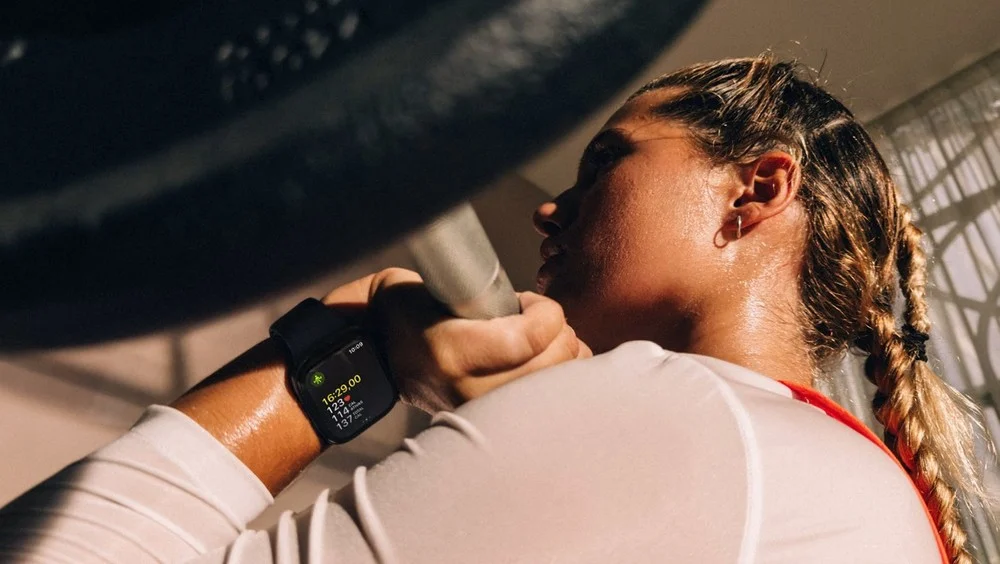
Apple has officially introduced the Apple Watch Series 12 and the Apple Watch Ultra 4, marking a significant evolution in the company’s wearable technology portfolio. By blending refined industrial design with the powerful new S11 silicon, Apple aims to solidify its dominance in the competitive smartwatch market. The latest releases emphasize on-device machine learning, expanded health-tracking capabilities, and improved energy efficiency, ensuring that the devices serve as more than just notification mirrors, but as sophisticated personal health companions.
A Legacy of Iteration: The Chronology of Apple’s Wearable Evolution
The launch of the Series 12 and Ultra 4 represents the latest chapter in a journey that began in April 2015 with the release of the original Apple Watch. Over the past decade, Apple has transitioned its wearable from a fashion-forward accessory to a critical medical and fitness tool.
The Series 1, 2, and 3 focused on establishing the core interface and water resistance. With the Series 4, Apple introduced ECG capabilities, effectively pivoting the device toward the healthcare sector. The introduction of the "Ultra" branding in 2022 marked a departure into the rugged, high-performance category, catering to athletes, adventurers, and professionals who required extended battery life and enhanced durability. The current unveiling of the Series 12 and Ultra 4 reflects a maturation phase, where the focus shifts from adding singular hardware components to creating a more cohesive, AI-driven ecosystem that integrates seamlessly with the user’s biological and behavioral patterns.
Engineering Excellence: The S11 Chip and Computational Efficiency
At the heart of both the Apple Watch Series 12 and the Ultra 4 lies the S11 system-in-package (SiP). This next-generation processor is built on a refined manufacturing process designed to prioritize power efficiency without compromising peak performance.
The S11 chip is specifically engineered to handle complex on-device machine learning tasks. By shifting these processes away from the cloud, Apple ensures that sensitive health data remains localized and encrypted, addressing growing consumer concerns regarding digital privacy. Furthermore, the architecture of the S11 allows for more granular power management, enabling the devices to maintain consistent battery life even when performing high-intensity background calculations for sleep apnea detection, blood oxygen monitoring, and real-time workout analysis.
The chip’s integration with the watchOS environment allows for faster app launches and more responsive Siri interactions, which now benefit from advanced language models capable of summarizing complex health metrics directly on the wrist.
Redefining Health and Fitness Tracking
Health remains the primary value proposition of the Apple Watch lineup. With the Series 12 and Ultra 4, Apple has introduced a redesigned sensor array that offers improved precision in heart rate variability (HRV) and skin temperature monitoring.
The new biometric suite includes:
- Next-Generation Optical Heart Sensor: Capable of higher-frequency sampling, providing users with more granular data during high-intensity interval training (HIIT) and endurance activities.
- Enhanced Sleep Analytics: Leveraging the S11 chip, the devices can now offer deeper insights into REM, core, and deep sleep cycles, with an added emphasis on identifying long-term trends that may indicate respiratory disturbances.
- Environmental Awareness: For the Ultra 4, the inclusion of improved depth and temperature sensors ensures that underwater performance remains accurate for recreational divers and swimmers alike.
These updates arrive at a time when the "quantified self" movement is reaching mainstream adoption. According to industry reports, consumer demand for proactive health monitoring—specifically for cardiovascular health—has grown by 15% annually since 2022. By integrating these sensors, Apple is positioning its wearables as essential diagnostic aids that provide actionable data rather than passive observations.

Design Language and Material Choices
While the internal hardware has undergone a significant overhaul, Apple has maintained its established design language. The Series 12 retains its slim, curved aesthetic, while the Ultra 4 continues to feature the rugged titanium casing that has become synonymous with durability.
However, Apple has introduced new casing options to cater to diverse aesthetic preferences. The Series 12 is now available in a wider array of aluminum and stainless steel finishes, including a new aerospace-grade brushed titanium option that brings the aesthetic of the Ultra series to the standard model. These design choices reflect a broader strategy to maximize market reach, appealing both to the professional who needs a sleek, unobtrusive device and the athlete who requires military-grade durability.
Broader Impact and Industry Implications
The release of these two models occurs in a landscape increasingly crowded by Garmin, Samsung, and Google’s Pixel Watch lineup. Apple’s decision to focus on the "intelligence" aspect of the smartwatch—via the S11’s machine learning capabilities—is a strategic move to differentiate its products from competitors who often prioritize raw hardware specs over software integration.
Industry analysts suggest that the emphasis on AI-driven health insights is a response to the growing integration of AI in personal computing. By processing health data on-device, Apple is building a moat around its ecosystem, making it increasingly difficult for users to switch to competing platforms that rely more heavily on cloud-based processing.
Furthermore, the environmental sustainability of the supply chain continues to be a central theme for Apple. Both the Series 12 and Ultra 4 incorporate higher percentages of recycled materials in their casings and battery components, signaling the company’s long-term commitment to its "Apple 2030" carbon-neutrality goal.
Market Positioning: Pricing and Consumer Accessibility
Apple has maintained a tiered pricing structure to ensure accessibility while preserving the premium positioning of the Ultra 4. The Series 12 acts as the entry point for users seeking the latest health technology, while the Ultra 4 serves as the flagship for users requiring maximum utility and build quality.
- Apple Watch Series 12: Pricing begins at $399 for the base aluminum model, with options for cellular connectivity and premium finishes scaling up to $799.
- Apple Watch Ultra 4: The flagship model, featuring the most advanced sensor suite and titanium build, enters the market at $799.
Market analysts note that despite economic headwinds, the demand for high-end wearables remains resilient. Consumers are increasingly viewing smartwatches as a long-term investment in personal health management, which explains the steady adoption of higher-priced models like the Ultra.
Looking Ahead: Availability and Future Updates
The Apple Watch Series 12 and Apple Watch Ultra 4 are currently available for pre-order through the official Apple website and authorized retail partners. The standard retail availability, including in-store demonstrations and physical inventory, is scheduled for September 18.
As these devices reach consumers, the focus will shift to how the new watchOS features interact with the hardware. The introduction of the S11 chip is likely to support future software updates for several years, ensuring that these watches remain relevant long after their initial purchase.
In conclusion, the launch of the Apple Watch Series 12 and Ultra 4 represents a calculated refinement of a proven formula. By focusing on the intersection of advanced silicon, localized machine learning, and comprehensive health monitoring, Apple is successfully evolving its wearable platform to meet the demands of a modern, health-conscious consumer base. As the line between consumer technology and medical device continues to blur, the role of these watches in daily life is poised to become more significant than ever.