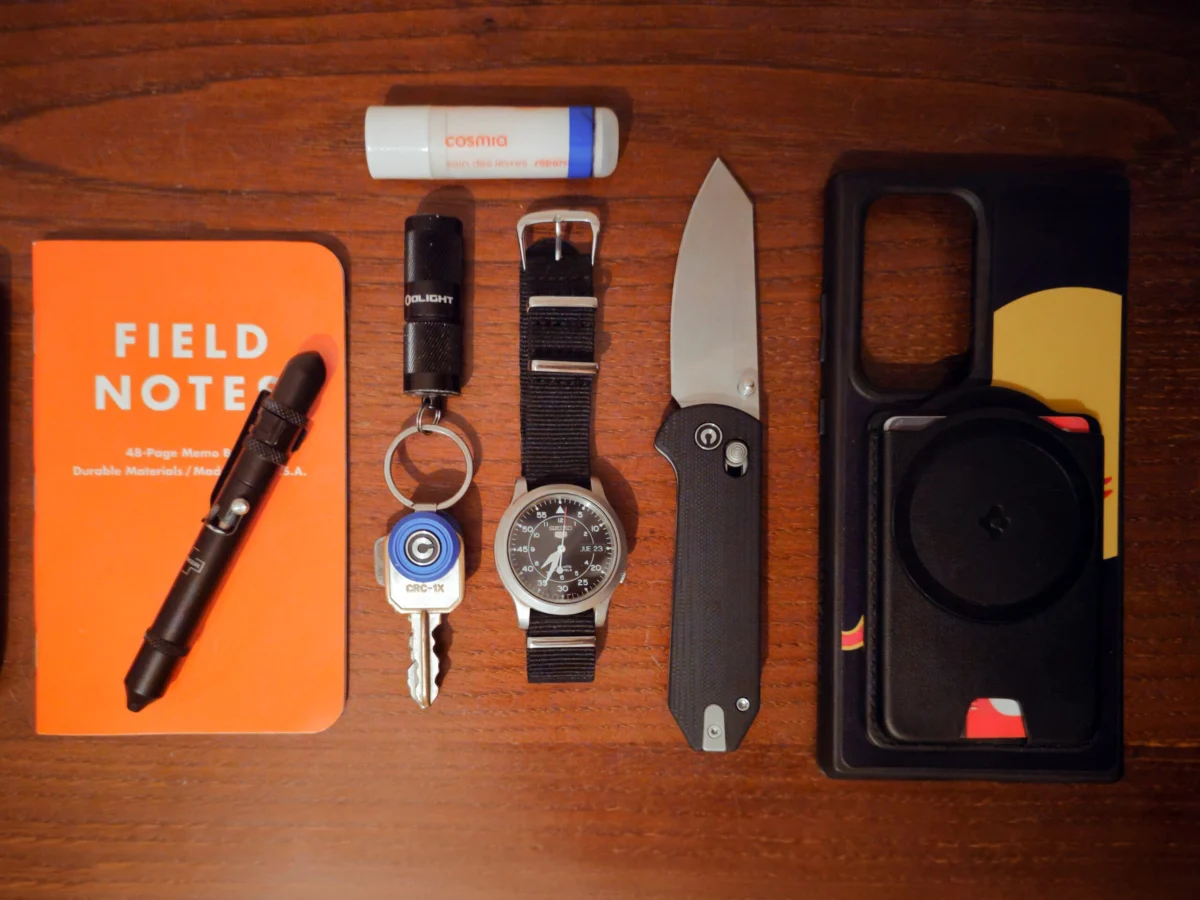
The modern concept of Everyday Carry (EDC) has evolved from a niche hobbyist subculture into a calculated discipline of professional preparedness. In a recent profile, Ruben, an aeronautical automation operator based in Portugal, offered a detailed look into his personal equipment configuration, highlighting a shift toward high-value, minimalist utility. His selection—centered around the award-winning CIVIVI Yonder and complemented by a Field Notes notebook—illustrates a broader trend in the professional sector: the prioritization of ergonomic efficiency, weight reduction, and multi-functional performance in daily task management.
The Anatomy of a Professional EDC Configuration
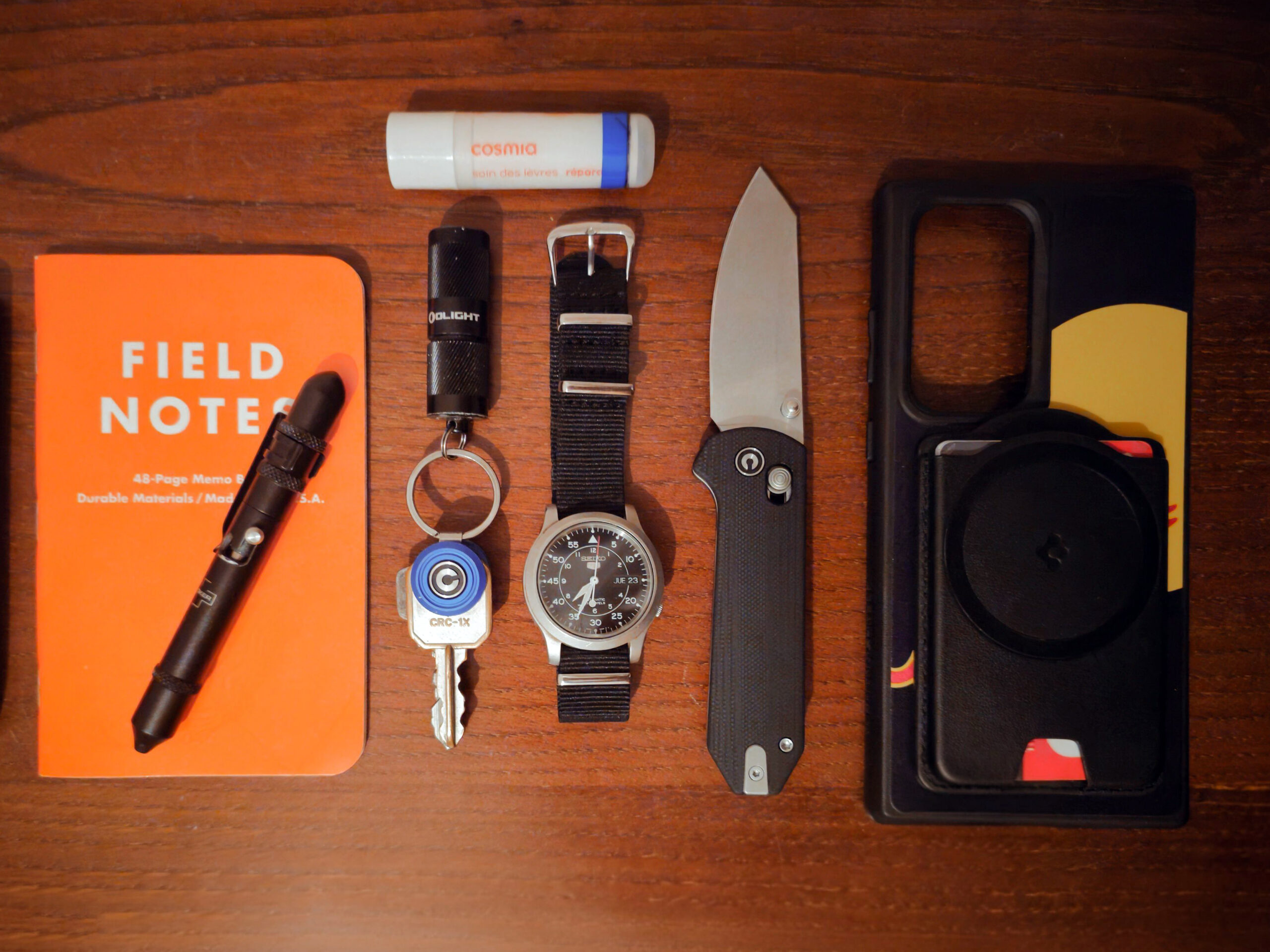
Ruben’s approach to his daily kit is emblematic of the "less is more" philosophy that has gained traction among engineers, automation specialists, and technical operators. By consolidating essential tools, such as integrating a magnetic wallet with a smartphone and utilizing compact key organizers, professionals can effectively reduce their physical footprint without sacrificing operational capability.
The centerpiece of his current rotation is the CIVIVI Yonder. Designed by Zac Whitmore, the Yonder has gained significant industry recognition, most notably securing the "Best Buy of the Year" title at the 2024 Blade Show. This specific model utilizes a crossbar-lock mechanism, a design favored for its ambidextrous functionality and structural reliability. In the context of an aeronautical automation environment, where precision and quick access to tools are paramount, the Yonder’s lightweight design and robust locking system provide a high-value utility-to-weight ratio.
Chronology of the Modern EDC Movement
The movement toward curated daily carry has been building for over a decade, catalyzed by the emergence of online communities and the growth of the boutique knife and stationary markets.
- 2010–2015: The "EDC" acronym became popularized on internet forums like Reddit and dedicated enthusiast sites. Initially focused on tactical gear, the trend began to shift toward "urban survival" and aesthetic minimalism.
- 2016–2020: Major manufacturers began to pivot toward high-end materials (titanium, carbon fiber, S35VN steel) at accessible price points. Companies like CIVIVI, a subsidiary of WE Knife Co., disrupted the market by offering premium features at entry-level prices, effectively democratizing high-performance gear.
- 2021–2024: The focus shifted toward sustainability and "lifestyle integration." Notebooks like Field Notes, which emphasize portability and tactile note-taking, saw a surge in popularity as digital fatigue increased among professionals.
- 2025: The integration of technology and physical tools has reached a peak. The inclusion of magnetic smartphone wallets and ultra-compact, modular key organizers indicates a new standard in desk-to-field readiness.
Data and Market Trends in Personal Utility Gear
The market for pocket knives and portable writing instruments has seen consistent growth, fueled by both consumer demand and significant technological advancements in metallurgy and manufacturing processes.
According to industry reports, the pocket knife segment alone is projected to maintain a steady compound annual growth rate (CAGR) as outdoor recreation and technical professions require specialized, compact tools. The "Best Buy" designation awarded to the CIVIVI Yonder reflects a broader shift in consumer behavior: the rejection of "disposable" tools in favor of high-quality items that provide long-term utility.
Furthermore, the rise of "micro-tools"—miniature bolt-action pens, titanium pry bars, and keychain-sized LED flashlights—shows that the average professional is now optimizing their pockets with the same rigor that a technician might apply to a workstation. By offloading bulk, users are reportedly increasing their productivity, as their necessary tools are always within reach, preventing the downtime associated with searching for essential items.
Professional Perspectives on Tool Selection
The decision-making process for selecting EDC gear often involves a careful balance between the requirements of a primary occupation and the flexibility needed for off-duty activities. Ruben’s plan to alternate between the CIVIVI Yonder and the Kizer Feist, alongside his watch rotation, underscores this balance.
The Kizer Feist, often praised for its sleek, "gentleman’s folder" aesthetic, provides a less utilitarian and more professional appearance, which is suitable for client-facing or administrative environments. Pairing this with a watch like the Casio Edifice—which features a sapphire crystal and water-resistant capabilities—creates a durable yet refined kit that aligns with a professional image.
Experts in the field of workplace ergonomics often suggest that the tools an individual carries can directly influence their psychological readiness. A well-organized, consistent, and reliable kit provides a sense of control and preparedness. When a professional knows exactly where their pen, knife, and notebook are located, they reduce the "cognitive load" required to navigate minor, unexpected obstacles during the workday.
The Impact of Modern Material Science
Much of the current success of EDC gear can be attributed to advancements in material science. The use of powder metallurgy in blade steels, such as 14C28N or Nitro-V, allows for edges that stay sharper for longer periods while resisting corrosion. For an aeronautical automation operator, where exposure to various environments and high-precision machinery is common, these material choices are not merely aesthetic; they are functional requirements.
Similarly, the transition from traditional, bulky leather wallets to magnetic, low-profile cardholders represents a broader movement toward streamlining personal effects. This is not merely about space-saving; it is about efficiency. By removing unnecessary items from one’s person, the user minimizes potential distractions and improves overall physical comfort throughout an eight-to-ten-hour shift.
Broader Implications for the Future of Work
The rise of the "minimalist professional" suggests that the nature of work is becoming increasingly mobile. As automation and digital integration transform industries, the physical tools required to complement these systems are becoming smaller, more specialized, and more durable.
The trend observed in Ruben’s kit—a fusion of legacy tools (notebooks) and modern engineering (crossbar-lock knives)—is a microcosm of the current professional landscape. We are seeing a synthesis where analog reliability serves as a fallback to digital systems. In the event of a system failure or a need for rapid manual documentation, the presence of a pen and notebook remains the most fail-safe method of communication.
Conclusion: The Value of Intentional Carry
The practice of curating one’s EDC is an exercise in self-reliance and intentionality. Whether it is a professional in Portugal or a logistics manager in the United States, the criteria remain consistent: reliability, portability, and value.
The recognition of the CIVIVI Yonder and the thoughtful consideration of rotating gear for different contexts illustrate a sophisticated approach to daily preparedness. As the EDC market continues to mature, we can expect to see further innovations in weight reduction, material durability, and modularity. Ultimately, the goal remains the same: to be equipped with the right tool, at the right time, with the least amount of effort. By refining their kits, professionals are not just carrying gear; they are ensuring that they are ready to meet the demands of an increasingly complex, automated world.
For those looking to build their own kits, the advice from professionals like Ruben is clear: start with your most frequent tasks, identify the bottlenecks in your daily workflow, and select high-quality, durable tools that serve those specific needs. As the market continues to expand, the barrier to entry for high-quality gear has never been lower, making this the ideal time for professionals to audit and optimize their daily carry.