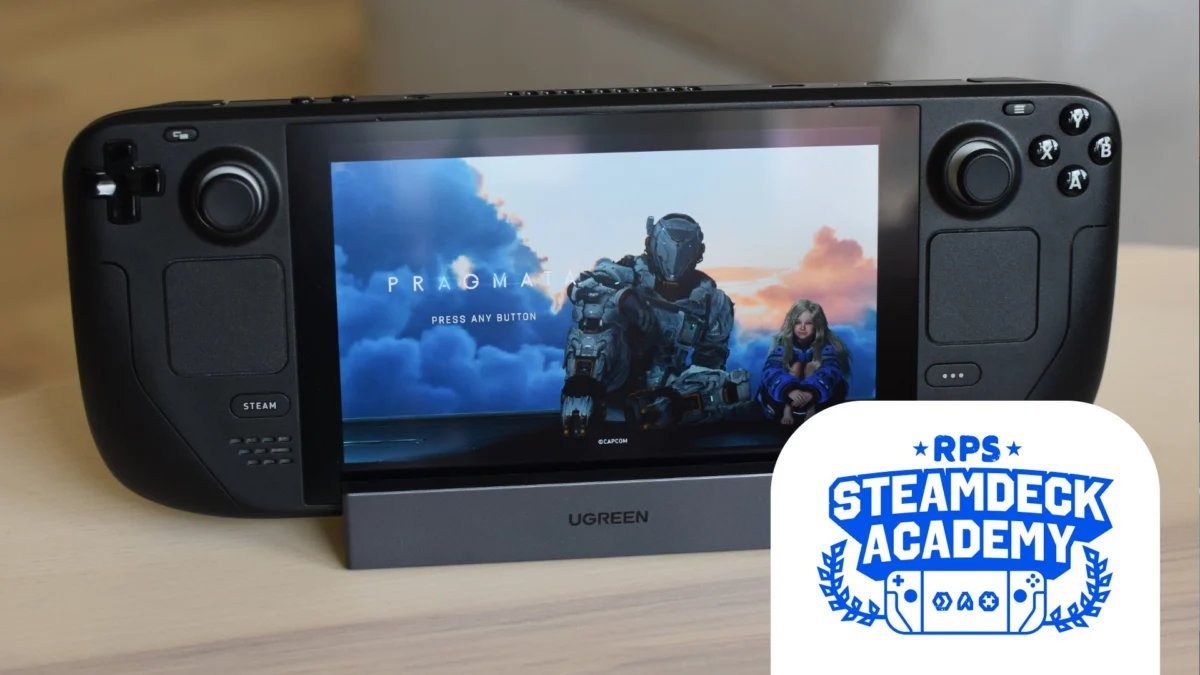
Capcom’s eagerly anticipated sci-fi title, Pragmata, marks another significant release powered by the highly acclaimed RE Engine, following a pattern of robust performance on high-end desktop PCs. The game, lauded for its ray-traced visuals and smooth operation across various PC configurations, now faces its ultimate portable challenge: the Valve Steam Deck. Initial assessments confirm that Pragmata achieves a commendable level of playability on Valve’s handheld PC, securing a coveted Steam Deck Verified status, though it necessitates specific graphical compromises and presents notable battery consumption. This detailed analysis delves into the nuances of Pragmata’s performance on the Steam Deck, examining framerate stability, visual fidelity adjustments, control ergonomics, and the implications for portable gaming enthusiasts.
The Landscape of Pragmata and the RE Engine
Pragmata, first unveiled at Sony’s PlayStation 5 reveal event in 2020, quickly captured attention with its enigmatic sci-fi setting, striking visuals, and a poignant narrative hinting at a paternal bond. Developed by Capcom, the game has been subject to multiple delays, building anticipation for its eventual release. Its reliance on the proprietary RE Engine is a critical factor in its cross-platform performance. Capcom’s RE Engine, renowned for its exceptional scalability and optimization, has powered a string of critically and commercially successful titles, including the Resident Evil series (from Resident Evil 7: Biohazard onwards), Devil May Cry 5, and Monster Hunter Rise. This engine’s ability to deliver high-fidelity graphics while maintaining impressive performance across a wide spectrum of hardware, from current-generation consoles to mid-range PCs, has set a high bar for developer optimization. Its consistent track record suggested that Pragmata, too, would exhibit strong technical foundations, making its transition to the more constrained environment of the Steam Deck a compelling test case for the engine’s true versatility. The expectation was that the engine’s inherent efficiency would provide a solid bedrock for Pragmata’s handheld adaptation, minimizing the typical performance hurdles associated with bringing graphically intensive AAA titles to portable devices.
The Steam Deck: Valve’s Portable PC Gaming Vision
The Steam Deck, launched by Valve Corporation, represents a pivotal moment in portable gaming, bridging the gap between traditional handheld consoles and powerful desktop PCs. Designed as a full-fledged PC in a portable form factor, it leverages custom AMD hardware, specifically an APU (Accelerated Processing Unit) combining Zen 2 CPU cores with RDNA 2 GPU cores. This architecture, coupled with shared RAM, allows it to run a vast library of PC games from Steam and other launchers via its Linux-based SteamOS. The device comes in various models, most notably the original LCD version and the more recent OLED iteration, which boasts an improved display, longer battery life, and enhanced thermal efficiency. Valve’s objective with the Steam Deck was to empower PC gamers to take their entire library on the go, offering a seamless experience without extensive manual configuration. The "Steam Deck Verified" program is central to this vision, providing clear indicators to consumers about a game’s compatibility and performance straight out of the box, covering aspects like input support, display resolution, graphical performance, and general functionality. A game achieving "Verified" status implies a smooth, controller-friendly experience without the need for significant user intervention or troubleshooting. The fact that Pragmata has achieved this status underscores Valve’s confidence in its out-of-box experience and sets a positive precedent for other major titles.
Performance on the Steam Deck: A Detailed Breakdown
Despite the RE Engine’s inherent efficiency, Pragmata’s transition to the Steam Deck is not without its concessions. While desktop PCs can churn out "loads of ray-traced frames," the integrated graphics of the Steam Deck necessitate a shift in performance expectations. The primary target for smooth gameplay on the Steam Deck for a title of Pragmata’s visual ambition often hovers around a stable 30 frames per second (fps), rather than the 60fps often sought on more powerful hardware.
Framerate Analysis:
Under optimal, custom settings, Pragmata typically maintains framerates in the 40-45fps range during moderate gameplay segments. However, in more graphically intensive scenarios—characterized by busy on-screen action, complex moonbase architecture, and numerous effect-laden android adversaries—the framerate can dip to approximately 35fps. Crucially, while occasional sub-30fps drops are observed during these peak moments, they are described as "relatively rare" and confined to the game’s most demanding sections. Conversely, less intensive areas, such as tighter corridors or narrative sequences, can see framerates ascend to as high as 60fps, showcasing the engine’s dynamic scalability. This variable performance profile aligns with expectations for AAA titles on handheld hardware, where balancing visual quality with sustained framerates is a constant challenge.
Resolution and Display Quirks:
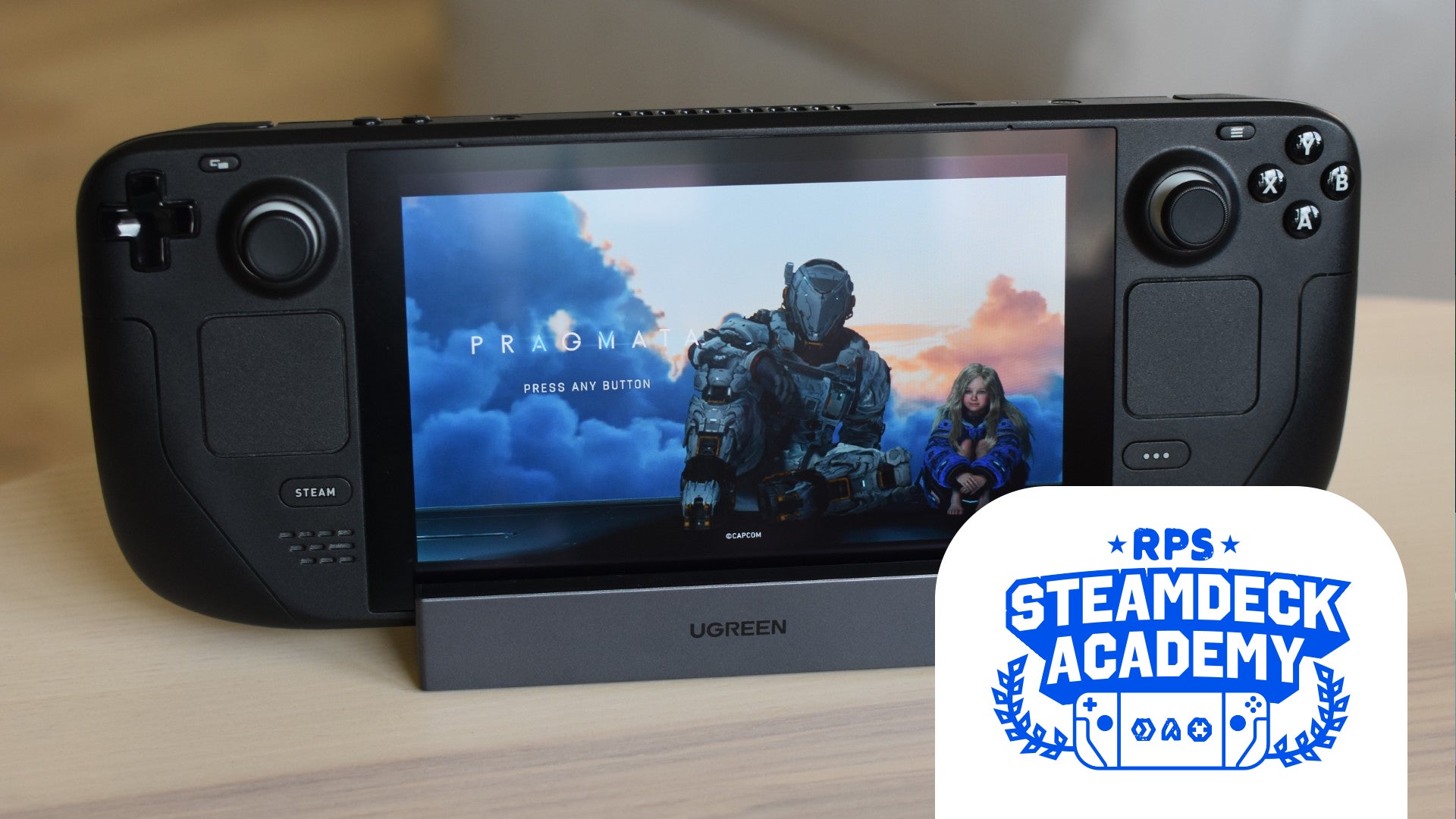
A minor but notable technical anomaly pertains to the resolution settings. The Steam Deck’s native resolution is 1280×800 pixels. However, Pragmata’s in-game setting for 1280×800 currently fails to render correctly, instead defaulting to the proportions of 1280×720. This results in the appearance of horizontal black bars on the screen, effectively reducing the active display area and negating the potential benefit of the Deck’s slightly taller aspect ratio. While "mildly irritating," this issue is largely ignorable in practice and holds the potential to be rectified through future patches from Capcom.
Graphical Settings and FSR Implementation:
Achieving the aforementioned performance requires judicious adjustment of graphical settings. Relying solely on the "Minimum" preset is deemed "defeatist" and results in an unnecessarily degraded visual experience. The RE Engine’s flexibility allows for specific quality settings to be elevated without disproportionately impacting performance.
- Ray Tracing: As anticipated for a device with integrated graphics, ray tracing, a marquee feature of Pragmata on high-end PCs, is "off the table" for the Steam Deck. This is a standard compromise for achieving playable framerates on less powerful hardware.
- Texture Quality: Can be set to Medium.
- Mesh Quality: Can be set to Medium.
- Volumetric Lighting: Can be set to Medium.
- Effects Quality: Can be set to Medium.
- FSR (FidelityFX Super Resolution): Crucial for performance, FSR 3 is recommended over FSR 1 for its superior image reconstruction and clarity. While "Performance" mode might seem appealing for higher framerates, "Balanced" mode is preferred. It offers a significantly less fuzzy image quality with a negligible performance cost of only 1-2fps, if any, during demanding scenes. FSR, an upscaling technology, renders the game at a lower internal resolution and then intelligently reconstructs it to the target display resolution, effectively boosting framerates with minimal perceived loss in detail.
Control and Ergonomics:
The default control scheme for Pragmata integrates "snugly" with the Steam Deck’s native gamepad layout. The game’s design, clearly developed with traditional console controllers in mind, translates seamlessly to the Deck’s physical buttons, joysticks, and triggers. This eliminates the need for any complex control remapping or Proton compatibility layers, ensuring an intuitive out-of-box experience. While some specific actions, such as the "tile-navigating hack manoeuvre," might be quicker with mouse flicks on a desktop, the overall gamepad experience on the Deck is robust and comfortable, confirming the "Steam Deck Verified" assessment of full controller support.
Screen Readability and User Interface:
Despite the 7-inch screen of the original LCD Steam Deck and the minor resolution issue, text and on-screen elements remain "easily parsable." Even "slightly dinky button glyphs" in menus and hacking interfaces are discernible, especially when utilizing FSR 3 in Balanced mode, which helps maintain visual clarity. This ensures that players can comfortably navigate menus and follow on-screen prompts without excessive squinting, a common concern for UI elements on smaller screens.
Battery Life Considerations
One of the most significant trade-offs for playing a demanding title like Pragmata on the Steam Deck is battery endurance. The game exhibits a "harsh" appetite for power. On an original LCD Steam Deck, with display brightness and speaker volume set to 50%, a fully charged unit was drained in approximately 1 hour and 20 minutes. This places Pragmata among the more power-intensive titles available on the platform, reflecting the energy required to render its detailed 3D environments and complex effects. For comparison, many less demanding indie titles can offer several hours of gameplay on the LCD model.
Owners of the Steam Deck OLED, however, can anticipate a more favorable experience. The OLED model features a more power-efficient APU and a more efficient OLED display panel, which collectively contribute to significantly extended battery life. It is estimated that the OLED model could achieve "at least a couple of hours" of playtime with Pragmata, offering a more substantial portable gaming session. This difference highlights the ongoing advancements in handheld PC hardware design aimed at addressing the critical balance between performance and battery longevity. The "thirsty work" of rendering high-fidelity graphics remains a key challenge for portable devices, and continuous improvements in power efficiency are vital for enhancing the user experience.
Capcom’s Optimization Prowess and Valve’s Validation
The successful, albeit compromised, performance of Pragmata on the Steam Deck serves as a testament to Capcom’s commitment to the RE Engine’s scalability. The engine’s ability to adapt from high-end desktop machines with dedicated ray tracing capabilities to the integrated graphics of a handheld device underscores a strategic design philosophy focused on broad accessibility. This implies a proactive approach from Capcom to ensure their titles reach the widest possible audience without sacrificing core gameplay experiences, even if visual bells and whistles must be pared back.

Valve’s "Steam Deck Verified" program plays a crucial role in communicating this level of compatibility to consumers. The verification status provides an implicit endorsement, assuring users that Pragmata offers a polished, controller-friendly experience on the Deck, free from significant technical hurdles. Furthermore, this status carries broader implications for Valve’s ecosystem, acting as "implicit confirmation that it’ll eventually play nice with the new Steam Machine as well." This suggests a unified vision where games optimized for the Steam Deck will seamlessly extend their compatibility to future Valve hardware initiatives, streamlining the gaming experience across their burgeoning platform. The rigor of Valve’s testing program ensures that "Verified" titles meet a high standard of playability, reinforcing consumer trust in the Steam Deck as a viable platform for modern, demanding games.
Broader Impact and Implications for Portable Gaming
Pragmata’s performance on the Steam Deck offers several broader implications for the future of portable PC gaming and developer strategies:
-
Consumer Confidence in AAA Portability: The ability of a major, high-fidelity action game like Pragmata to run acceptably on the Steam Deck reinforces consumer confidence that Valve’s handheld is not just for indie titles or older games, but a legitimate platform for contemporary AAA releases. This can drive further adoption of the Steam Deck and similar handheld PCs.
-
RE Engine as a Benchmark for Scalability: Capcom’s RE Engine continues to set a high standard for game engine design, demonstrating unparalleled versatility. Its consistent performance across diverse hardware platforms, from high-end PCs to the Steam Deck, positions it as a benchmark for developers aiming to achieve broad multi-platform releases without prohibitive optimization costs. This engine’s design philosophy could influence other developers to prioritize scalability in their own proprietary or licensed engines.
-
Developer Considerations for Handhelds: The detailed performance analysis of Pragmata on the Steam Deck provides valuable insights for other game developers. It highlights the specific graphical settings that offer the best balance between visual quality and performance on integrated graphics, such as strategic use of FSR and careful adjustment of texture, mesh, volumetric lighting, and effects quality. This knowledge can guide future optimization efforts, ensuring that new titles are designed with handheld compatibility in mind from the outset.
-
The Evolving Handheld PC Market: As the handheld PC market matures with new devices continually emerging, the performance of titles like Pragmata will serve as a critical reference point. It underscores the ongoing need for advancements in APU efficiency and battery technology to fully realize the potential of portable high-fidelity gaming. The trade-offs observed, particularly in battery life, will continue to drive innovation in hardware design.
-
The Role of Up-scaling Technologies: The effectiveness of FSR 3 in maintaining visual clarity while boosting framerates further solidifies the importance of up-scaling technologies in bridging the performance gap between powerful desktop hardware and more constrained portable systems. These technologies are becoming indispensable tools for developers to deliver satisfying visual experiences across a wide range of hardware without compromising playability.
In conclusion, Pragmata’s journey to the Steam Deck is a compelling case study in modern game optimization. While it demands compromises in visual fidelity and battery life compared to its desktop counterpart, its "Steam Deck Verified" status and generally smooth performance affirm the Steam Deck’s viability as a platform for demanding new releases. This successful adaptation underscores the remarkable scalability of the RE Engine and reinforces Valve’s vision for a truly portable PC gaming ecosystem, setting a promising precedent for the future of handheld gaming.