
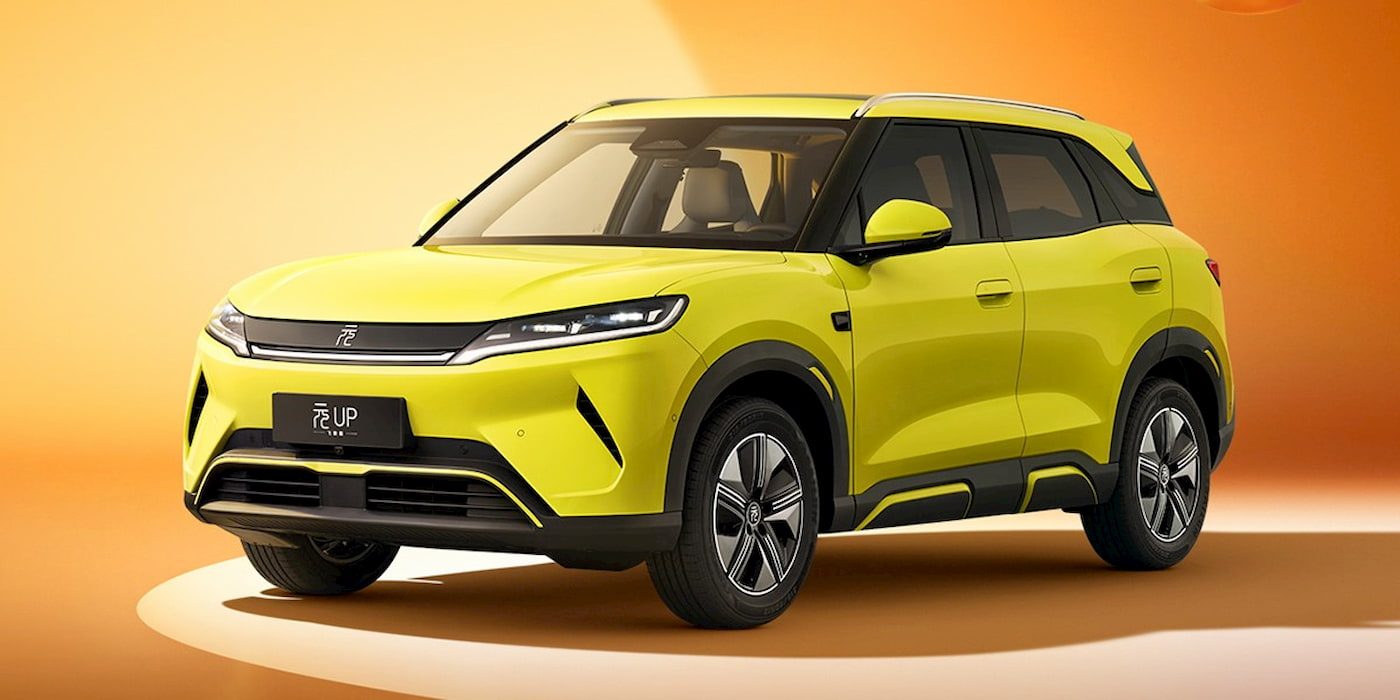
The global electric vehicle landscape is undergoing a profound structural shift, characterized by relentless price compression and technological democratization. At the vanguard of this transformation is BYD, the world’s leading new energy vehicle manufacturer, which has officially launched the highly anticipated 2027 iteration of its compact electric SUV. Marketed domestically as the Yuan Up and globally as the Atto 2, this refreshed vehicle enters the market with significant upgrades, including an extended-range variant, a comprehensive technological refresh, and a surprisingly aggressive pricing structure that undercuts many of its closest domestic and international competitors.
Unveiled in China, the 2027 Atto 2 "Flying Spur" edition arrives at a critical juncture for the compact EV segment. As legacy automakers and EV startups alike scramble to capture the high-volume, cost-sensitive entry-level market, BYD’s latest strategic maneuver underscores the company’s manufacturing scale and vertical integration advantages. By simultaneously enhancing driving range, upgrading cabin technology, and lowering the cost of entry, BYD is aggressively positioning the Atto 2 to consolidate its already formidable global market share.
Main Facts of the 2027 BYD Atto 2 Lineup
The newly minted 2027 lineup is structured across five distinct trim levels, designed to cater to a broad spectrum of urban and suburban consumers. The base Manufacturer’s Suggested Retail Price (MSRP) spans from 74,800 yuan to 104,800 yuan, converting roughly to an exceptionally competitive $11,000 to $15,500 USD. To further stimulate consumer demand in an intensely competitive home market, BYD has introduced a limited-time "super replacement" trade-in subsidy worth 5,000 yuan across the entire lineup. When factored in, the effective acquisition cost drops to a range of 69,800 yuan to 99,800 yuan—approximately $10,000 to $14,500 USD.
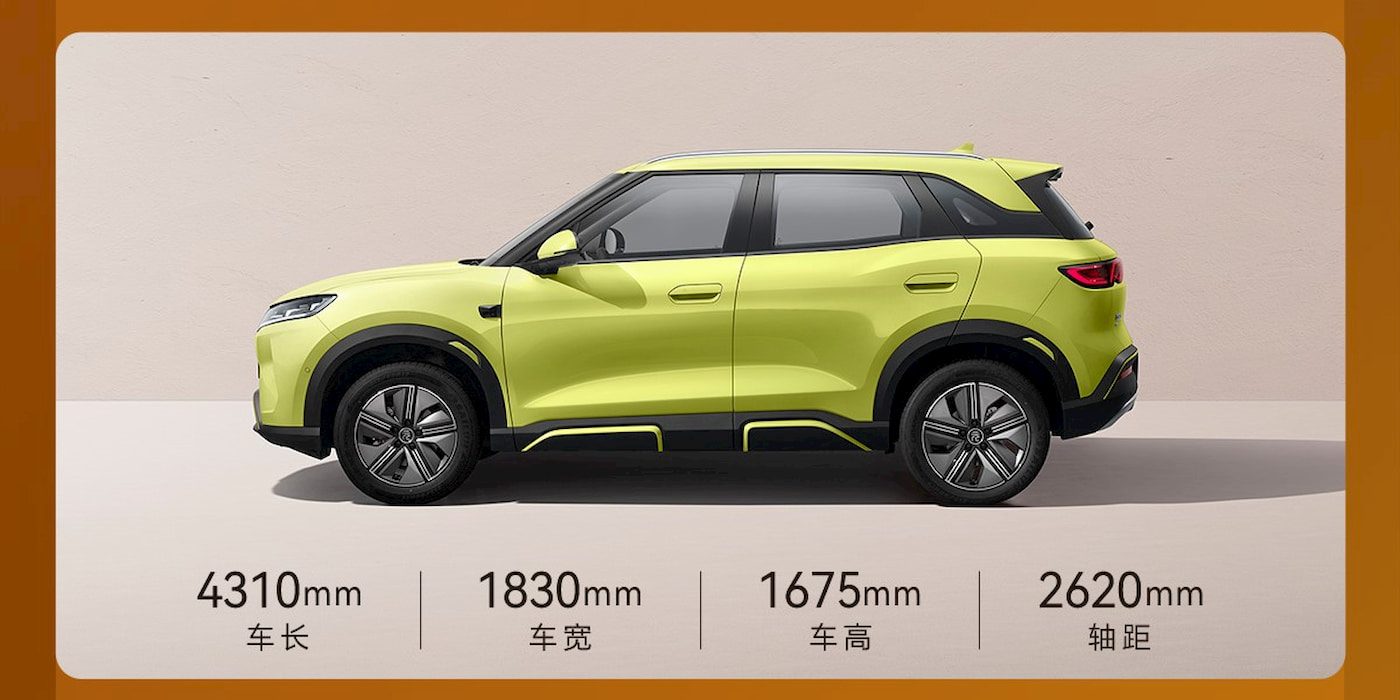
Dimensionally, the 2027 model retains the footprint of its predecessor, measuring 4,310 mm in length, 1,830 mm in width, and 1,675 mm in height, anchored by a 2,620 mm wheelbase. To contextualize its size for international observers, the Atto 2 occupies a footprint comparable to internal combustion and electrified crossovers like the Hyundai Kona, making it an ideal urban utility vehicle that balances maneuverability with interior packaging efficiency.
Performance and powertrain configurations have seen notable diversification. While the entry-level variants maintain familiar battery capacities, the introduction of a new long-range trim fundamentally alters the vehicle’s touring capabilities. The powertrain architecture is built around three distinct battery pack options paired with efficient permanent magnet synchronous motors, ensuring that buyers can tailor their vehicle selection precisely to their daily commuting requirements.
Chronology and Market Context
The evolution of the Yuan Up and its international counterpart, the Atto 2, reflects the blistering pace of product iteration characteristic of China’s modern automotive sector. Originally introduced to capture the burgeoning demand for affordable, practical urban electric crossovers, the vehicle rapidly ascended the global sales charts following its initial market debut.
According to comprehensive global electric vehicle tracking data compiled by CleanTechnica for the first half of 2026, the BYD Yuan Up/Atto 2 cemented its status as a commercial powerhouse, capturing the position of the fifth best-selling electric vehicle worldwide. It trailed only established volume leaders such as the Tesla Model Y, the Tesla Model 3, BYD’s own larger stablemate the Song/Seal U, and Geely’s competing EX2 model.
Recognizing the necessity to maintain momentum against fierce rivals like the Geely Xingyuan (marketed internationally as the EX2), BYD accelerated development on the 2027 model year refresh. The official rollout on Thursday in China marks the culmination of months of supply chain optimization and platform refinement, bringing advanced features previously reserved for higher-tier segments down to an ultra-accessible price point. This rapid cadence—refreshing a high-volume model within a relatively short window—demonstrates BYD’s agility in responding to shifting consumer preferences and aggressive counter-strategies from domestic competitors.
Comprehensive Supporting Data and Powertrain Specifications
A granular analysis of the 2027 Atto 2 reveals significant engineering enhancements, particularly regarding energy density and pricing efficiency. The vehicle is offered with three distinct battery configurations, utilizing BYD’s proprietary Blade Battery technology, renowned for its exceptional thermal stability and safety profiles:
- Base Variant (301 km CLTC Range): Equipped with a compact 32 kWh battery pack, this entry-level model preserves its initial ultra-low starting price point, catering strictly to budget-conscious urban commuters who prioritize affordability over long-distance touring.
- Mid-Tier Variant (401 km CLTC Range): Powered by a 45.12 kWh battery pack, this configuration has received a substantial financial adjustment. BYD has slashed the price of this specific variant by approximately 18,000 yuan (roughly $2,500 USD) compared to the outgoing model, dramatically improving its value proposition.
- New "Excellent" Variant (501 km CLTC Range): The crown jewel of the new lineup is the newly introduced long-range trim, which packs a robust 51.13 kWh battery. This variant addresses range anxiety directly, offering up to 501 kilometers of driving range under the China Light-Duty Vehicle Test Cycle (CLTC), making intercity travel viable for a sub-compact crossover.
Inside the cabin, the 2027 model receives a thorough aesthetic and ergonomic overhaul. The interior architecture is modernized via a sleek new two-spoke steering wheel and a space-saving column-mounted electronic gear shifter. Driver and passenger interaction points are anchored by a prominent 12.8-inch smart infotainment touchscreen paired directly with an 8.8-inch full LCD instrument cluster.
Connectivity and digital integration are driven by BYD’s sophisticated DiLink 100 Advanced Smart Cockpit system. This software suite delivers advanced intelligent voice control, seamless smartphone integration, and customizable display themes. Furthermore, safety and parking ergonomics are bolstered by a standard 360-degree panoramic imaging system, alongside the availability of BYD’s advanced "God’s Eye C" driver assistance system. This high-end ADAS suite equips the compact crossover with semi-autonomous capabilities, including Navigate on Autopilot (NOA) for highway driving and Remote Parking Assist for tight urban environments.

Official Responses and Strategic Positioning
While direct executive commentary during the launch event focused primarily on consumer value and technological democratization, industry analysts and market observers have been quick to dissect the broader implications of BYD’s pricing strategy.
Automotive market researchers note that by maintaining the base price at 74,800 yuan while simultaneously expanding the upper-tier range to 501 km, BYD is effectively squeezing legacy internal combustion engine (ICE) vehicles out of the traditional entry-level segment. An industry analyst focusing on the Asian EV market remarked that "BYD is no longer just competing against other electric vehicle startups; they are systematically dismantling the economic viability of small petrol-powered cars by offering superior technology, lower operating costs, and comparable or superior acquisition pricing."
Furthermore, the introduction of the "super replacement" subsidy highlights BYD’s aggressive push to capture market share from consumers looking to trade in older fossil-fuel vehicles. By lowering the entry barrier to the equivalent of roughly $10,000 USD, BYD is targeting first-time car buyers and multi-car households seeking an economical secondary vehicle for daily city driving.
Broader Impact and Global Market Implications
The launch of the upgraded 2027 BYD Atto 2/Yuan Up carries significant weight for the global automotive industry, particularly as BYD continues its aggressive expansion into international markets across Europe, the United Kingdom, and Latin America.

As the Atto 2 is rolled out to international markets over the coming months, its ultra-competitive pricing and enhanced 501 km range option pose a formidable challenge to established Western and Asian automakers. Traditional manufacturers have often struggled to engineer profitable electric vehicles in the sub-$20,000 category due to high battery costs and complex supply chains. BYD’s ability to leverage vertical integration—manufacturing its own semiconductors, batteries, and powertrains—allows the company to absorb margin pressures while delivering feature-rich vehicles that redefine consumer expectations.
Ultimately, the 2027 Atto 2 represents more than a routine mid-cycle refresh. It serves as a bellwether for the future of affordable electric mobility. By proving that consumers no longer have to choose between extended driving range, advanced intelligent cockpit technology, and an accessible price point, BYD is accelerating the global transition toward sustainable transportation. As competitors scramble to respond, the pressure on the global automotive sector to innovate and reduce costs has never been more acute.