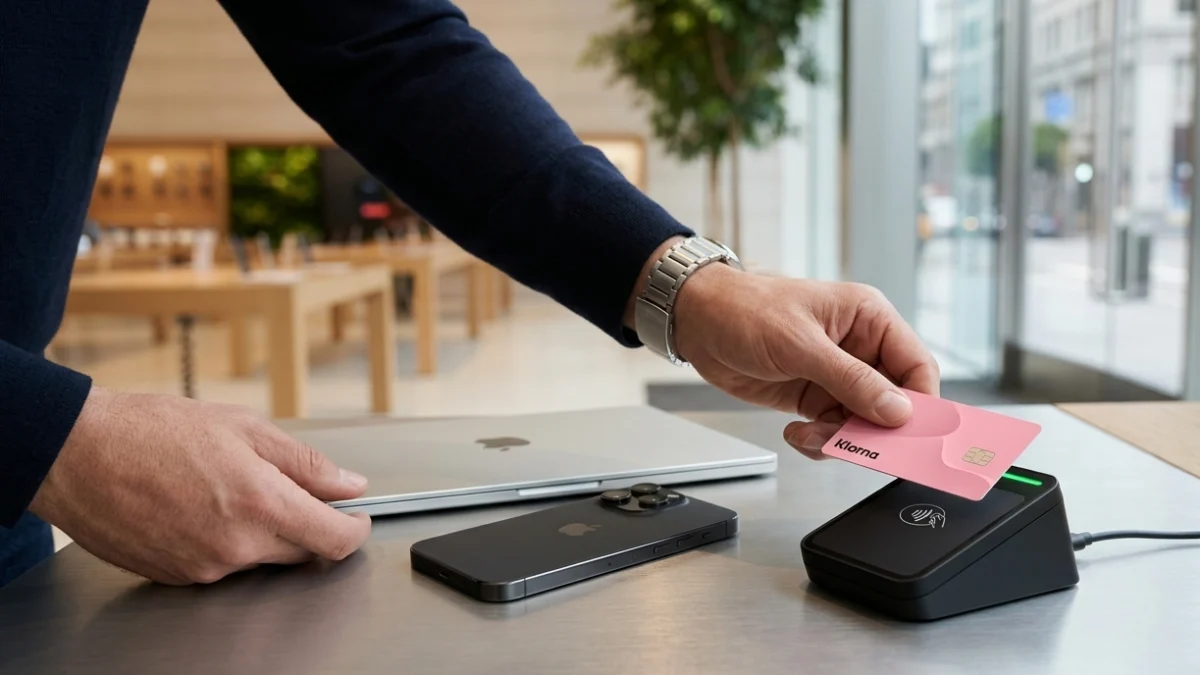
Apple is reportedly poised to introduce "Apple Upgrade," a groundbreaking unified hardware subscription service designed to encompass its most popular devices: iPhones, iPads, Macs, and Apple Watches. This strategic initiative, detailed in recent reports from Bloomberg, signals a significant shift in how consumers may acquire and interact with Apple’s product ecosystem, moving towards a recurring revenue model for its physical hardware. The program is developed in a direct partnership with Swedish financial technology giant Klarna Group Plc and is slated for an initial rollout exclusively within the United States market. Access to "Apple Upgrade" will be facilitated through both Apple’s extensive network of physical Apple Store retail locations and its official online Apple Store platform, ensuring broad accessibility for prospective subscribers.
The Dawn of "Apple Upgrade": A New Era for Device Ownership
"Apple Upgrade" is structured as a sophisticated device leasing model, offering consumers a range of flexible options throughout their contract duration. Subscribers will have the ability to settle their device balance early, providing an avenue for those who wish to transition to full ownership ahead of schedule. Crucially, the program is designed to facilitate seamless upgrades, allowing users to move to a newer model of their chosen device even before their existing agreement expires, a feature expected to appeal to tech enthusiasts eager for the latest innovations. Alternatively, at the conclusion of the rental term, users will retain the option to assume full ownership of the hardware, effectively converting the lease into a purchase. It is important to note that specific scenarios, such as early upgrades or certain termination conditions, may incur additional fees, details of which are anticipated to be clarified upon the service’s launch.
The subscription service will implement distinct contract lengths tailored to specific product categories, reflecting the typical refresh cycles and expected lifespan of different devices. Agreements for iPhones and Apple Watches, products known for their annual or biennial updates, will carry a 24-month duration. In contrast, lease periods for Macs and iPads, which generally have longer upgrade cycles, will extend to 36 months. All applications for the "Apple Upgrade" program will be subject to a rigorous credit approval process, a standard practice for financing and leasing arrangements, ensuring financial viability for both Apple and Klarna. Upon the satisfactory completion of the contract, subscribers will also have the option to return the hardware, providing an alternative to ownership and potentially contributing to Apple’s growing efforts in refurbishment and recycling.
Strategic Shift: Phasing Out Old Models for a Unified Approach
Apple’s strategic intent with "Apple Upgrade" extends beyond merely introducing a new service; it aims to consolidate its consumer purchasing options. Reports indicate that the company plans to market "Apple Upgrade" as a more affordable alternative, promising lower monthly payments compared to conventional device financing programs that have historically been available. To achieve this streamlined approach, Apple is expected to phase out its long-standing and highly popular iPhone Upgrade Program, which offered annual upgrades and included AppleCare, alongside other traditional financing routes. This move suggests a deliberate strategy to centralize its hardware acquisition pathways under a single, comprehensive "all-in-one subscription model."
However, this new offering comes with several distinct parameters that differentiate it significantly from past programs, particularly the iPhone Upgrade Program. A key distinction is that "Apple Upgrade" will not include AppleCare coverage as a standard component, requiring subscribers to purchase this protection separately if desired. Furthermore, the program will have specific exclusions regarding eligible hardware. Entry-level products, often designed to be more accessible, will be ineligible for enrollment. This includes devices such as the Apple Watch SE 3, the base iPad model, the standard iPhone 16, and the MacBook Neo. This exclusion suggests Apple is targeting a specific segment of its customer base—likely those seeking mid-to-high tier devices and a premium experience. In a further limitation, enterprise accounts and student users will also be deemed ineligible to participate in the "Apple Upgrade" subscription program, indicating a primary focus on individual consumers rather than institutional or educational buyers.
A Long-Anticipated Move: Chronology of Apple’s Subscription Ambitions
The concept of an Apple hardware subscription service is not new; rumors surrounding such a project have circulated within the tech industry for several years, dating back to at least 2022. Early reports suggested Apple was actively exploring a model that would bundle hardware with services, creating a holistic subscription offering. However, the path to implementation has been anything but linear. Industry insiders and financial analysts widely reported that the project was internally shelved in late 2024, ostensibly due to various complexities, including supply chain challenges, potential cannibalization of traditional sales, and the intricacies of integrating financial services.
The re-emergence and imminent debut of "Apple Upgrade" in mid-2026, therefore, represents a significant pivot and a renewed commitment to this strategic direction. Its timing follows a series of recent price adjustments across Apple’s entire product lineup, implemented globally in June 2026. These price increases were largely attributed to escalating dynamic random-access memory (DRAM) costs. The global semiconductor market has seen unprecedented demand, particularly for high-performance chips dedicated to artificial intelligence applications, which has driven up component prices across the board. This inflationary pressure on hardware costs likely played a role in accelerating Apple’s pursuit of a subscription model, offering a way to mitigate upfront cost shock for consumers while ensuring stable, recurring revenue for the company.
Driving Forces: Economic Realities and Market Dynamics
Apple’s increasing emphasis on services, which includes offerings like Apple Music, Apple TV+, iCloud, and the App Store, has been a central pillar of its growth strategy for years. The services segment has consistently reported robust revenue growth, providing a more predictable and high-margin income stream compared to the cyclical nature of hardware sales. In its fiscal year 2025, Apple reported over $100 billion in services revenue, representing a significant portion of its overall financial performance and underscoring the company’s ambition to deepen its engagement with customers beyond initial product purchases. The introduction of "Apple Upgrade" aligns perfectly with this broader strategic objective, effectively extending the subscription paradigm to the very hardware that powers its ecosystem.
The partnership with Klarna Group Plc is a critical enabler for "Apple Upgrade." Klarna, a leading player in the global fintech sector, specializes in payment solutions, including "buy now, pay later" (BNPL) services and various financing options. Its expertise in credit assessment, payment processing, and consumer lending infrastructure makes it an ideal partner for Apple, which, while having a strong financial position, typically avoids direct consumer credit operations on this scale. Klarna’s established presence and technological capabilities will allow Apple to scale the subscription service efficiently and manage the financial risks associated with device leasing. This collaboration also represents a significant win for Klarna, further cementing its position as a key partner for major global retailers and tech companies, expanding its reach into the lucrative hardware market.
Market Implications and Analyst Perspectives
Analysts widely view "Apple Upgrade" as a move that could significantly impact Apple’s financial model and market position. By shifting a portion of its customer base from outright purchases or traditional financing to a subscription model, Apple stands to gain a more predictable and resilient revenue stream. This recurring revenue model is highly valued by investors, as it provides greater stability and often higher valuations compared to transaction-based sales. Furthermore, a subscription service could enhance customer loyalty and retention by locking users into the Apple ecosystem for longer durations, making it more challenging for them to switch to competing platforms.
The "lower monthly payments" strategy is particularly potent in a climate of rising hardware costs and economic uncertainty. For many consumers, the upfront cost of premium Apple devices can be a significant barrier. By breaking down these costs into manageable monthly installments, "Apple Upgrade" could significantly lower the barrier to entry, making high-end iPhones, iPads, and Macs accessible to a broader demographic. This could lead to increased market penetration, particularly in segments where price sensitivity is higher, even with the exclusion of entry-level devices.
However, the exclusion of AppleCare from the basic subscription package is a notable point of divergence from the previous iPhone Upgrade Program and may prompt some scrutiny. AppleCare has traditionally been a valuable add-on, offering extended warranty and accidental damage protection. Its absence from "Apple Upgrade" means consumers will face an additional decision and cost if they desire this coverage, potentially offsetting some of the "lower monthly payment" benefits. This decision could be a strategic move to unbundle services and allow for more granular pricing, or it might be a way to manage the financial risk associated with a large-scale leasing program.
Consumer Impact: Affordability, Flexibility, and Device Refresh Cycles
For consumers, "Apple Upgrade" presents a compelling proposition centered on affordability and flexibility. The promise of lower monthly payments, compared to financing a device outright, could free up disposable income and allow individuals to access premium Apple products without a substantial initial investment. The ability to upgrade to newer models prior to contract expiration also caters to the desire for the latest technology, a common driver in the consumer electronics market. This model effectively allows users to "rent" the latest tech, ensuring they are always equipped with cutting-edge devices.
The credit approval requirement, while standard, means the service will not be universally accessible. Individuals with lower credit scores may find themselves ineligible, limiting the program’s reach despite its stated aim of affordability. The option to return hardware at the end of the contract also offers an environmentally conscious choice, potentially feeding into Apple’s refurbishment and recycling initiatives and reducing electronic waste. However, the constant encouragement to upgrade could also accelerate device refresh cycles, raising questions about the broader environmental impact of continuous hardware production and consumption.
The Future of Apple’s Ecosystem
"Apple Upgrade" is more than just a financing program; it is a strategic maneuver designed to further entrench Apple’s ecosystem dominance. By tying hardware directly into a subscription model, Apple strengthens its relationship with customers, fostering long-term engagement and loyalty. This could pave the way for future bundling opportunities, where hardware subscriptions are seamlessly integrated with Apple’s growing suite of services (Apple Music, Apple TV+, Apple Arcade, iCloud+, etc.), creating an even more comprehensive and sticky offering.
The limitations on eligibility—excluding entry-level devices, enterprise, and student accounts—suggest a carefully calibrated launch targeting a specific, high-value consumer segment. This focused approach allows Apple to refine the program, understand its dynamics, and scale it effectively before potentially expanding its scope in the future. The initial rollout in the United States, a key market for Apple, will serve as a crucial testbed for the operational and financial viability of "Apple Upgrade."
In conclusion, "Apple Upgrade" represents a bold and calculated move by Apple to adapt to evolving consumer preferences and market dynamics. By partnering with Klarna and embracing a comprehensive hardware subscription model, Apple aims to enhance accessibility, stabilize revenue streams, and further solidify its ecosystem. While offering compelling benefits like lower monthly payments and flexible upgrade paths, the program also introduces new parameters and exclusions that will shape its initial impact. Its successful implementation could redefine device ownership in the premium tech segment, setting a new precedent for how consumers acquire and experience their favorite Apple products for years to come.