In the landscape of 1990s arcade gaming, the European market—and specifically the Spanish industry—produced a wealth of titles that often failed to achieve the global recognition of their Japanese or American counterparts. While companies like Capcom and Konami dominated the public consciousness with household names, smaller developers like Gaelco were busy cultivating a niche audience with hardware-intensive arcade cabinets and proprietary technology. Now, through the efforts of retro-specialist publisher QUByte Interactive, these forgotten relics are being unearthed for a modern audience. The upcoming release of the Thunder Hoop Collection on Steam, scheduled for October 8, represents a significant moment for video game preservationists seeking to categorize the output of mid-tier 90s developers.
The Rise of Gaelco and the Arcade Era
Gaelco, based in Barcelona, Spain, was a prominent force in the European arcade market during the 1990s. Established in 1985, the company initially focused on electronic dartboards and other amusement devices before transitioning into the development of high-fidelity arcade software. By the early 90s, Gaelco had gained a reputation for utilizing advanced custom hardware that pushed the limits of visual fidelity on screen. While titles such as World Rally (1993) managed to secure a broader international footprint due to their polished gameplay loops, many other projects remained localized to specific territories or smaller distribution networks.
The company’s philosophy was rooted in the "arcade-first" mentality, prioritizing short-burst, high-difficulty experiences that encouraged repeat play and coin-insertion. As the industry moved toward the home console revolution mid-decade, Gaelco’s portfolio—including the Thunder Hoop series—remained largely trapped within their original PCB (printed circuit board) formats, inaccessible to anyone without the original hardware.
Thunder Hoop: A Chronology of Mutation
The Thunder Hoop franchise consists of two primary entries, both of which are featured in the upcoming collection. The first title, Thunder Hoop, was released in 1992. It is a side-scrolling platformer characterized by its vibrant, high-contrast art style and a premise that feels uniquely representative of the era’s fascination with bio-mechanical horror and exaggerated character designs. Players control a genetically engineered protagonist tasked with infiltrating urban and industrial environments to neutralize an army of mutants commanded by the antagonist, Dr. Genbreak.
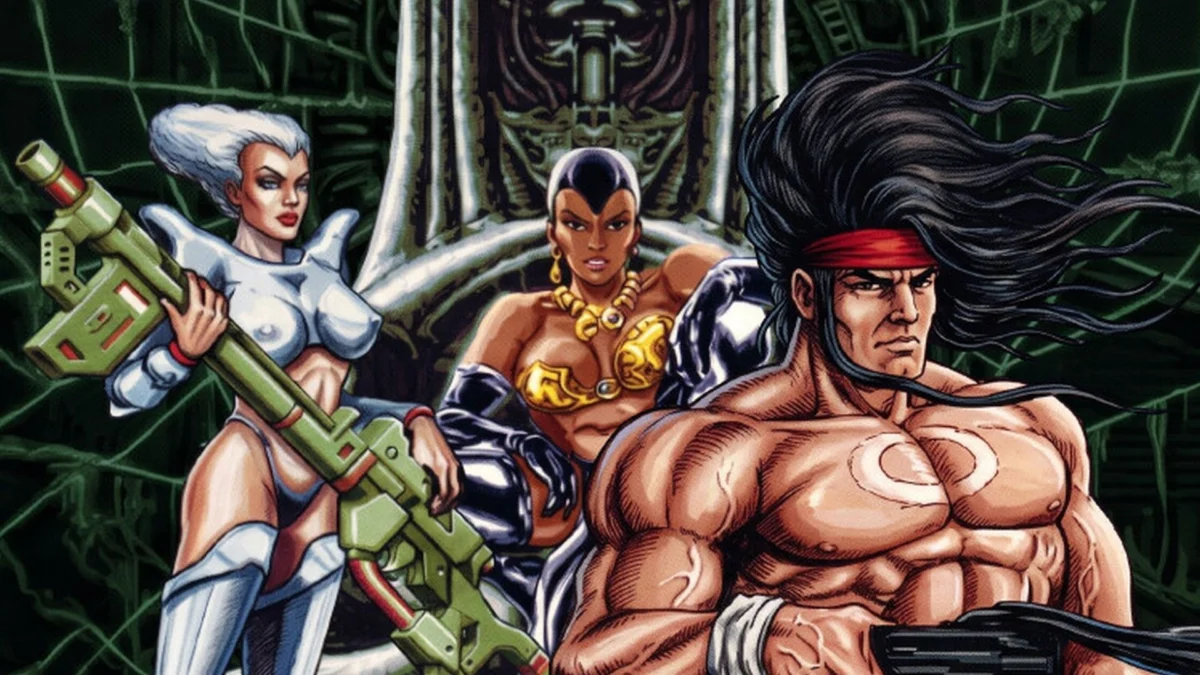
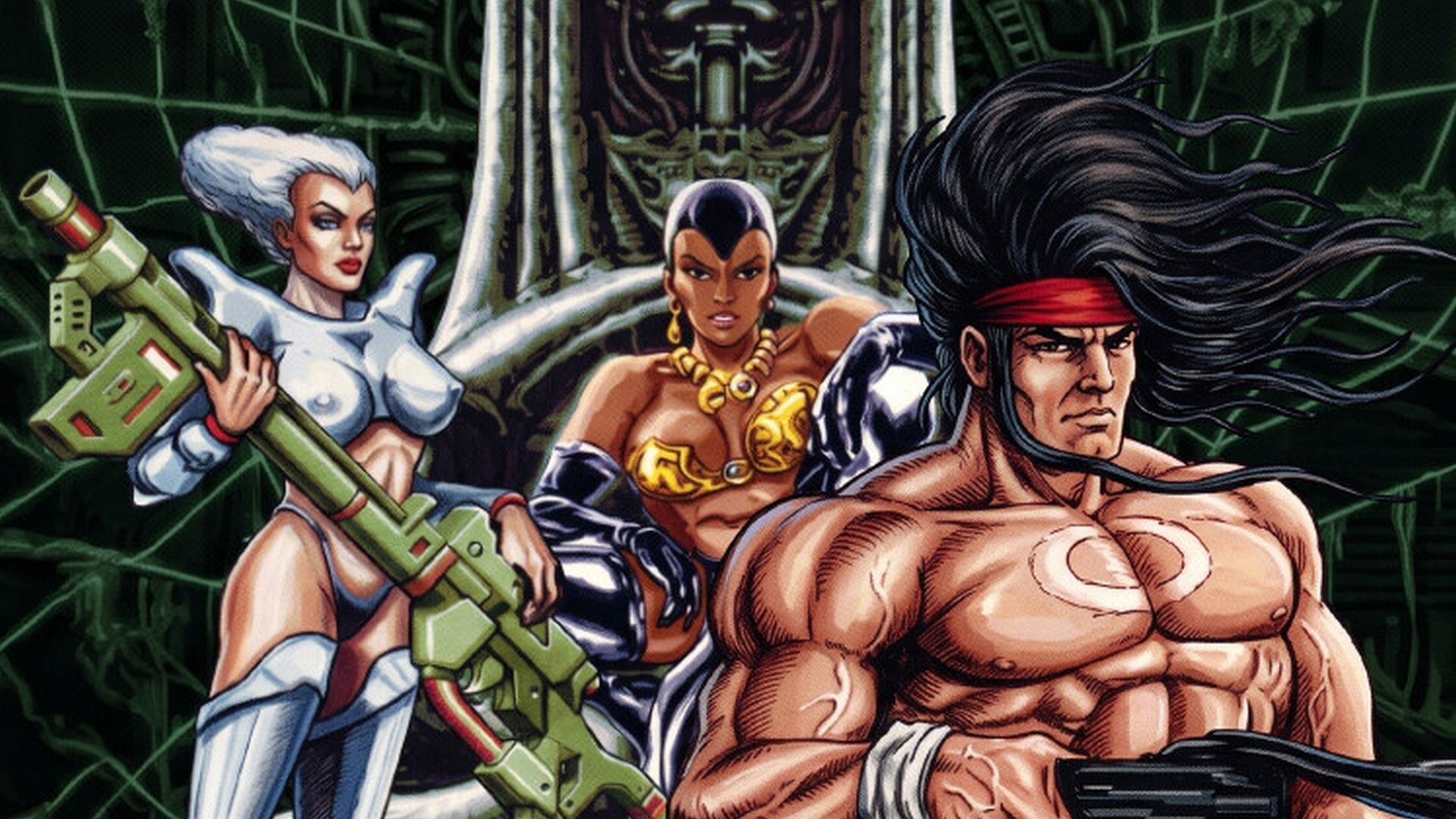
The narrative trajectory of the series shifted significantly with the 1994 sequel, TH Strikes Back. In this iteration, the protagonist underwent a visual evolution; moving away from the youthful appearance of the first game, the character was reimagined as a muscular, shirtless anti-hero. This shift mirrored a broader industry trend toward aggressive, hyper-masculine character tropes popularized by action cinema and the rise of manga-inspired aesthetics. Mechanically, the sequel expanded the gameplay scope, incorporating run-and-gun elements and, notably, a shift in genre during specific stages—moving from traditional platforming to a vertical, Gradius-style scrolling shooter sequence.
Technical Preservation and Modern Implementation
The transition of these titles to the Steam platform via QUByte Interactive involves more than simple emulation. Modern players demand a specific set of features to ensure accessibility and performance on contemporary displays. The Thunder Hoop Collection integrates several quality-of-life enhancements, including:
- Save States and Rewind Functions: These allow players to circumvent the original, punishing difficulty curves designed to extract tokens in an arcade setting.
- Visual Customization: The developers have included CRT filters, which simulate the scanlines and curvature of original cathode-ray tube monitors. This is a critical component for fans of retro gaming who argue that pixel art was specifically designed to be viewed on the softer, phosphorescent displays of the 1990s.
- Multiplayer Dynamics: While the original 1992 release limited multiplayer to an alternating turn-based system, the collection preserves this history while allowing for local co-op in the sequel, TH Strikes Back, reflecting the original arcade experience where two players could engage simultaneously.
The Broader Implications of Retro Preservation
The release of the Thunder Hoop Collection is part of a growing trend in the industry where independent publishers act as custodians of gaming history. Unlike major intellectual properties (IP) owned by massive conglomerates, these smaller titles often exist in a legal grey area or suffer from "orphan" status, where the original development teams have dissolved and the rights are scattered.
By bringing these games to digital storefronts, publishers like QUByte are facilitating a critical academic and cultural objective: the mitigation of "digital dark ages." Without such efforts, games like those produced by Gaelco would likely disappear entirely as original arcade hardware continues to fail due to aging capacitors and storage medium degradation.
Moreover, this release provides a case study for historians analyzing the global spread of design trends. The visual parallels between Thunder Hoop’s character design—specifically the protagonist’s transformation sequences—and the Super Saiyan tropes seen in Dragon Ball Z highlight how international media consumption influenced European developers in the 90s. Similarly, the influence of the Alien film franchise is evident in the grotesque, biomechanical enemy designs, showcasing a synthesis of pop-culture elements that defined the decade.
Official Stance and Market Expectations
While QUByte Interactive has not provided specific sales projections, the move is consistent with their broader strategy of resurrecting "Classics" for a modern demographic. Industry analysts have noted that there is a stable, if specialized, market for these releases, driven by both nostalgia and a genuine interest in the history of interactive software.
For the modern consumer, these titles serve as a reminder of the limitations and ingenuity of early 90s development. Where modern titles have essentially infinite storage and processing power, Gaelco developers had to craft immersive experiences within a few megabytes of code. The result is a gameplay experience that is tightly focused, visually distinct, and intentionally demanding.
Conclusion: Why It Matters
The Thunder Hoop Collection is more than a mere re-release of two obscure arcade games. It is a piece of digital anthropology. By making these titles available, the publisher is providing a window into the creative output of a Barcelona-based studio that helped define the arcade experience in the pre-internet age. As the October 8 launch approaches, the release serves as a milestone for the preservation of European gaming culture, ensuring that the work of Gaelco remains a part of the interactive narrative for future generations of players and historians alike. Whether one views the game through the lens of pure nostalgia or as a subject for historical study, the return of the genetically engineered hero and his battle against Dr. Genbreak offers a fascinating look at the evolution of digital entertainment.